How to make an AI true crime style video
Brief for AI Create: A true crime style mini-series about an invented case: in 1994 a lighthouse keeper on a small island disappears the same night the ferry stops running; three witnesses, three versions; six episodes with a narrator.
The four ingredients
| Ingredient | How to make it |
|---|---|
| Narrator | A voice-only character; voice-over lines over the other shots |
| Reconstruction | Ordinary scenes, often without dialogue, in the period's look |
| Interviews | A witness seated, framed medium close-up, looking just off camera |
| Evidence | Props: the torch, the logbook, the ferry ticket, each in close-up |
Voice-only characters · Interviews to camera.
Three versions of one night
The genre's engine is contradiction. Draw the location once (the lighthouse, the quay) and stage the same night three times, once per witness, with one detail different each time: the lamp on or off, the boat at the quay or gone. Because the set does not change, the audience can spot the difference. The set.
Look and places
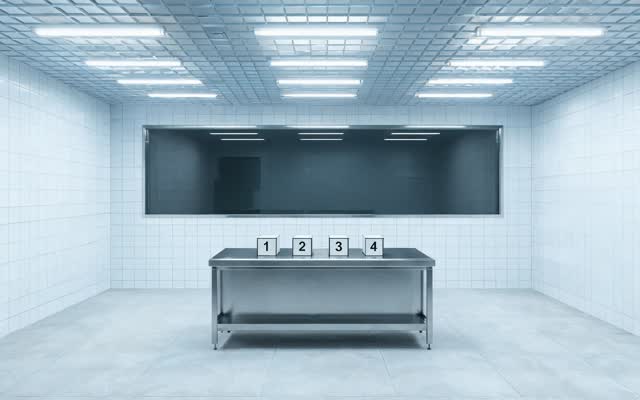
Scene Style: Forensic Cold White
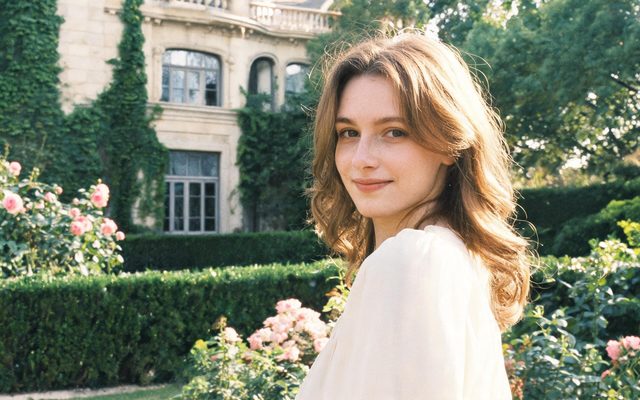
Visual Style: Shot on Film
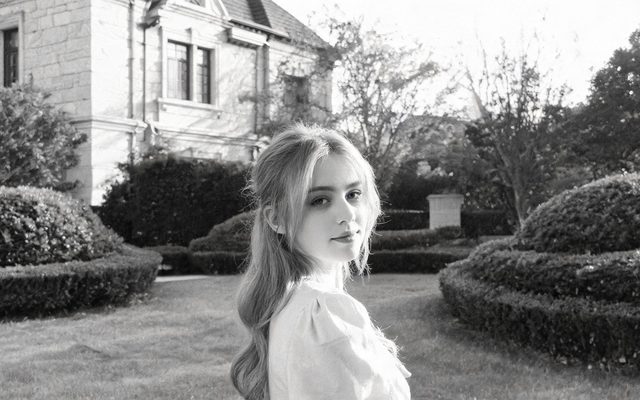
Visual Style: Black & White Film
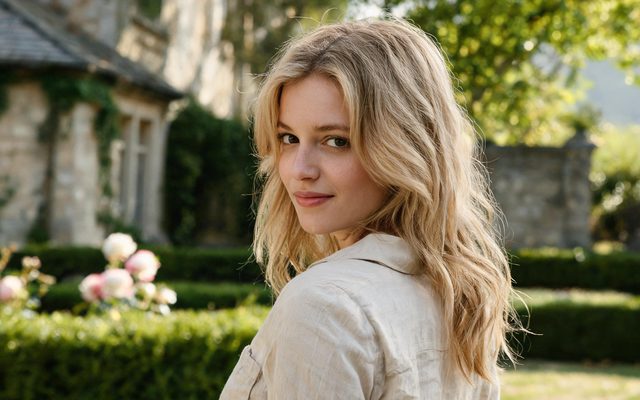
Visual Style: Digital HD
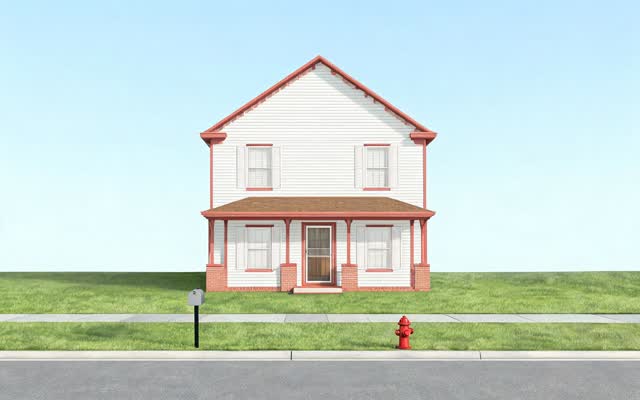
Scene Style: American Small Town
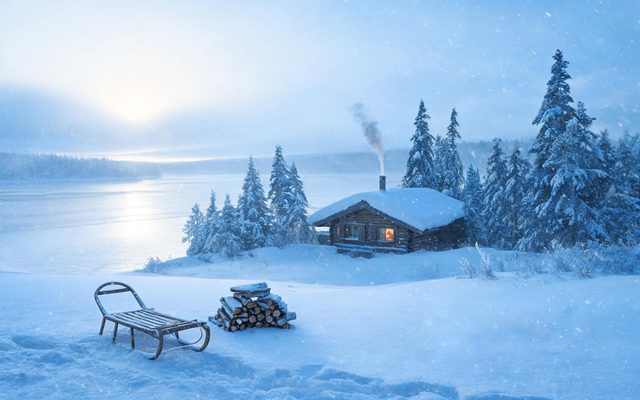
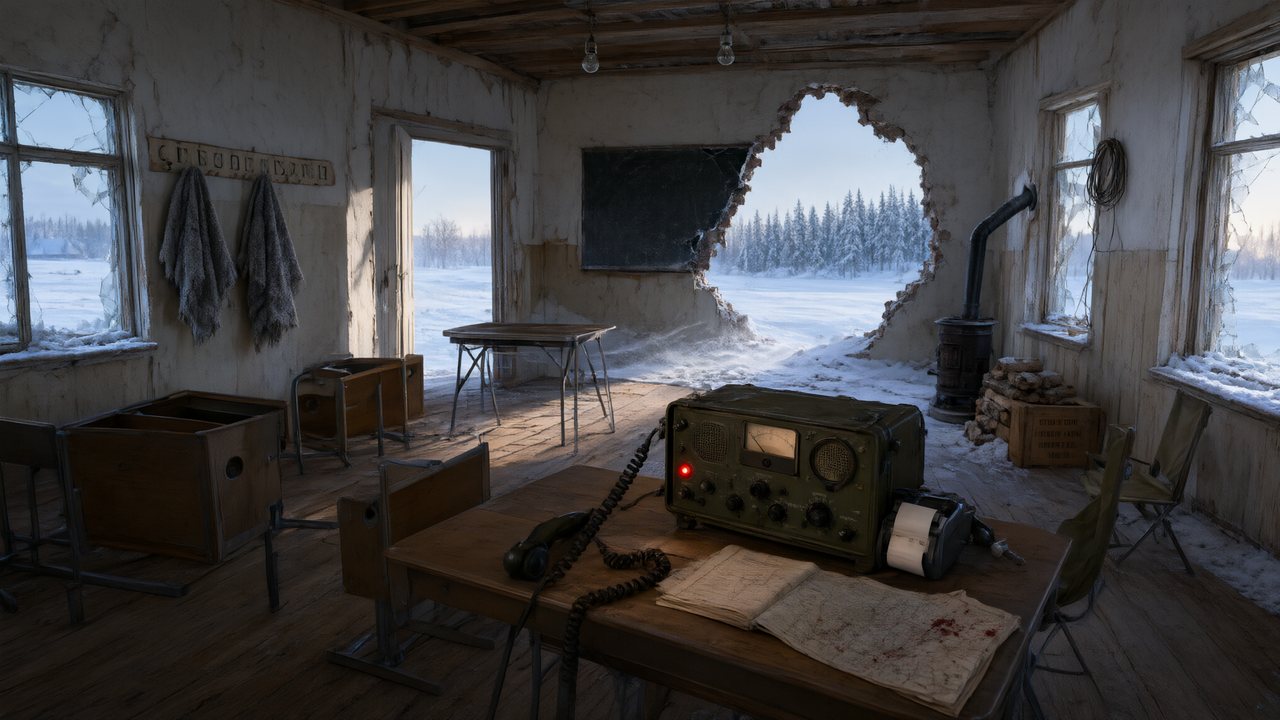
Scene Style: Frozen Wilderness
Shot on Film for reconstructions of the past, Digital HD for present-day interviews. A project has one visual style, so a mixed look means two projects. Captions with dates and names are added in your editor: generated video does not spell reliably. Text on screen.
Real cases
A real case has real victims, families and suspects. Imitating their faces or voices is not allowed, and defaming or exposing real people is against the content rules. Invent the case, the place and the names; the format is what viewers come for. Content rules. Bodies and wounds are graphic violence and get blocked; the genre lives in the empty room afterwards. For a crime story told as drama, see police and crime or murder mystery.
Make it in SceneMixer, start to finish
- Script: paste your own on Upload Script, or write the brief above in AI Create and let it draft the episodes.
- Step 1: Type TV Series; Scene Style American Small Town, Forensic Cold White; Costume Style Outdoor Gear, Professional Uniforms; Visual Style Shot on Film, Digital HD; Target Region; dialogue language; 16:9 Landscape. Then read the script.
- Step 2: the narrator as a voice-only character; three witnesses; the main location drawn once; the evidence as props. The first 15 setup images on an account are free.
- Storyboard: generate episode 1 first (free on your first drama) and read it before you render anything. One place per segment.
- Video: render on the default tier at 10 credits a second, fix single shots instead of whole episodes, then put the episode together and post.
| Episode | Part |
|---|---|
| 1 | The night: what everyone agrees on |
| 2 | Witness one |
| 3 | Witness two |
| 4 | The evidence nobody looked at |
| 5 | Witness three |
| 6 | What the logbook says |
FAQ
How do I make a true crime video with AI?
Use a narrator as a voice-only character, reconstruction scenes, witnesses framed to camera and evidence as props, around a case you invent.
Can I make a video about a real case?
Real people's faces and voices cannot be imitated and real people must not be defamed or exposed; invent the case.
Can I show the crime?
Graphic violence is blocked; show the place before and the empty room after.
How do I add dates and names on screen?
In your editor after export; generated video does not spell reliably.
Which look suits it?
Shot on Film for the past, Digital HD for interviews; one style per project.
Vertical or landscape?
16:9 Landscape for YouTube, 9:16 Portrait for feeds.
How long is an episode?
Two to five minutes, built from segments and joined.
Updated October 31, 2026