Novel to video
Turn a Novel into a Video Series with AI
Updated September 21, 2026

Why novels are the hardest input — and why it matters
A novel is not a screenplay. It has inner monologue, time skips, and dozens of characters who must look the same in chapter 1 and chapter 40. Generic text-to-video tools generate one clip per prompt and forget everything between prompts. The result: a heroine whose face changes every scene.
SceneMixer treats the novel as an IP to industrialize, not a prompt. The analysis step builds a persistent asset library — every character gets a full-body reference sheet with a locked visual identity, every location gets scene art — and those references are injected into every downstream shot. That is what keeps a 60-episode web novel adaptation coherent.
How the SceneMixer pipeline works
- Upload your story — paste text or upload .txt / .docx / .md. Chinese and English are both supported, or let the built-in AI writer draft a script for you.
- AI script analysis — one pass extracts characters, scenes, props, and a full episode structure, each episode outlined with conflict and a cliffhanger.
- Consistent reference art — full-body character sheets (9:16) plus scene and prop art in your chosen visual style (realistic, 2D, 3D CG and more). These references anchor every later shot, so faces and outfits stay consistent across episodes.
- Storyboard scripts — every episode is broken into 4–15 second video segments with editable shot descriptions. Editing the script is free.
- Video generation & compositing — segments are generated at 16:9 landscape (the default) or 9:16 vertical, on Wan 3.0 by default, with per-segment version history, then composited into a full episode with one click.
Localization is built in: pick a target region (Western, East Asian, Southeast Asian, Latin American) and casting, character names, scenery, and on-screen text adapt to that market.
What you get per episode
| Output | Details |
|---|---|
| Episode outline | Conflict-driven summary with an end-of-episode hook (identity reveal, emotional cliffhanger, or reversal) |
| Storyboard script | 4–15s segments with shot language, dialogue, and duration — fully editable, editing is free |
| Video segments | 9:16 or 16:9, generated with consistent character references, with version history per segment |
| Full episode | One-click compositing of all segments into a single video, ready to publish |
How long a novel can be
Length is where most novel-to-video attempts quietly fail, so it is worth being specific. A single analysis call has an output budget, and when a book exceeds it the model does not raise an error — it simply stops early. In our own offline evaluation a 50-episode script came back as ten episodes, with nothing in the response to say that forty had been dropped. Past roughly 10,000 equivalent characters SceneMixer therefore splits analysis into two calls: one that returns the cast, locations and props, and a second that returns the episode skeleton. Each episode's full outline is then expanded when you open that episode, so a sixty-episode upload does not pay for sixty expansions you may never use.
| What you upload | How it is analysed | Analysis cost |
|---|---|---|
| Up to about 33,000 characters (≈ 5,500 words) | One call, whole book in view | about 40 credits |
| About 33,000 to 300,000 characters (≈ 5,500–50,000 words) | Two calls — cast first, then the episode skeleton — with per-episode outlines expanded on demand | scales with length, about 360 credits at the ceiling |
| Beyond 300,000 characters | Split the book into volumes and run them as separate projects; the cast can be carried across | per volume |
Analysis is the cheap part either way: even at the ceiling it is a rounding error against the video bill for the season it produces. Chinese-language uploads use the same architecture with a different character budget, because a Chinese character carries far more story than a Latin one.
What adaptation actually changes
Prose has three things a camera cannot photograph, and the analysis step has to do something with each of them.
- Inner monologue becomes a marked line — inner voice, voice-over or narration — rather than a shot of someone thinking. It is written that way in the storyboard, so the performance is heard while the picture shows something worth watching.
- Time skips become episode boundaries or explicit on-screen captions. Three years passing in half a sentence of prose is a cut, and it has to be declared as one.
- Description becomes reference art, not narration. A paragraph about a character's face turns into their sheet; a paragraph about a room turns into a location plate. Neither is re-described shot by shot afterwards, which is exactly why the face holds.
What adaptation does not do is invent plot. Scene order, dialogue and beats follow the book; what the pipeline adds is coverage — who is in frame, at what shot size, for how long.
What it costs
SceneMixer is credit-based — you pay for what you generate, not a flat seat license. Credit packages start at $1.49; membership tiers from $7.99/month add monthly credits, higher concurrency, and member-only features such as custom style prompts, uploads, and AI image fine-tuning. Script analysis is priced by text length (4 credits per 3,333 characters, reference images billed separately, with 15 free per account across characters, scenes and props); storyboard scripts are billed per episode at 1 credit per 333 characters, and regenerating one costs the same; video generation starts at 10 credits per second (≈ $0.06/s at the lowest credit price) of output (the rate depends on the model tier you pick), and episode compositing is 1 credit per second — see the full pricing table.
A novel in one language, a series in fifteen
Pick the dialogue language in Step 1 and the cast performs the adaptation natively: a Chinese web novel can become an Indonesian-dialogue series, an English manuscript a Korean one, with names, streets and on-screen text adapted to that market by the target-region setting. The working documents you read and edit follow your interface language, and a segment costs the same credits in any language. One finished sample per language is below; the samples page for 15 languages has them all.
Languages
Native dialogue in 15 languages
Every series below was produced by the same pipeline with the cast speaking that language natively: the interface, the working documents and the spoken lines are all in one language, and nothing is dubbed. Open one to hear it.
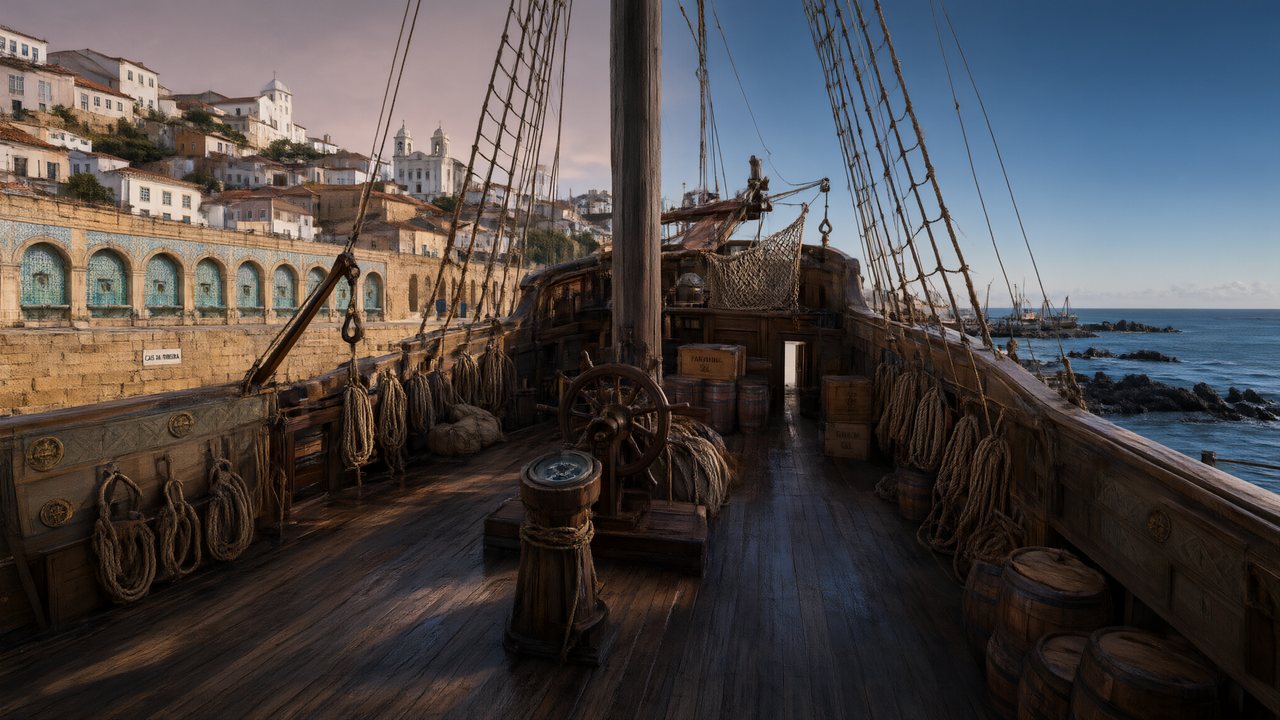 A Carta de LisboaPortuguêsNative dialogue
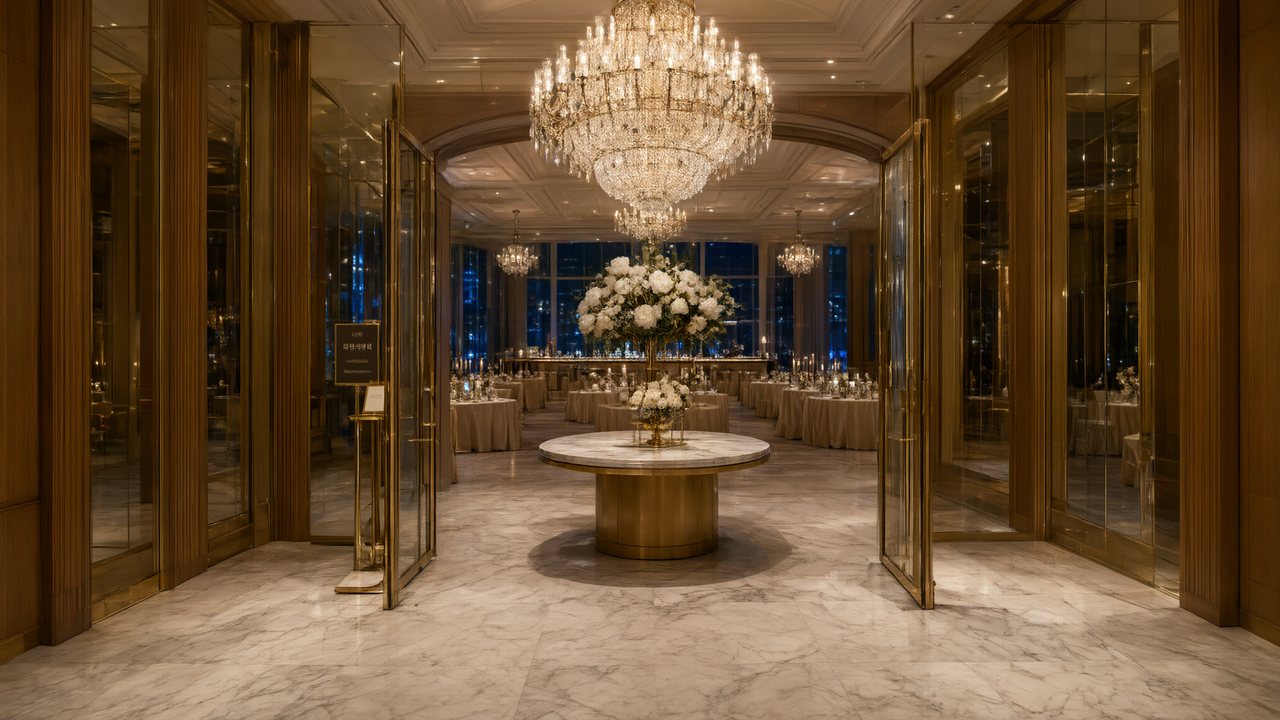 윈터 프라미스한국어Native dialogue
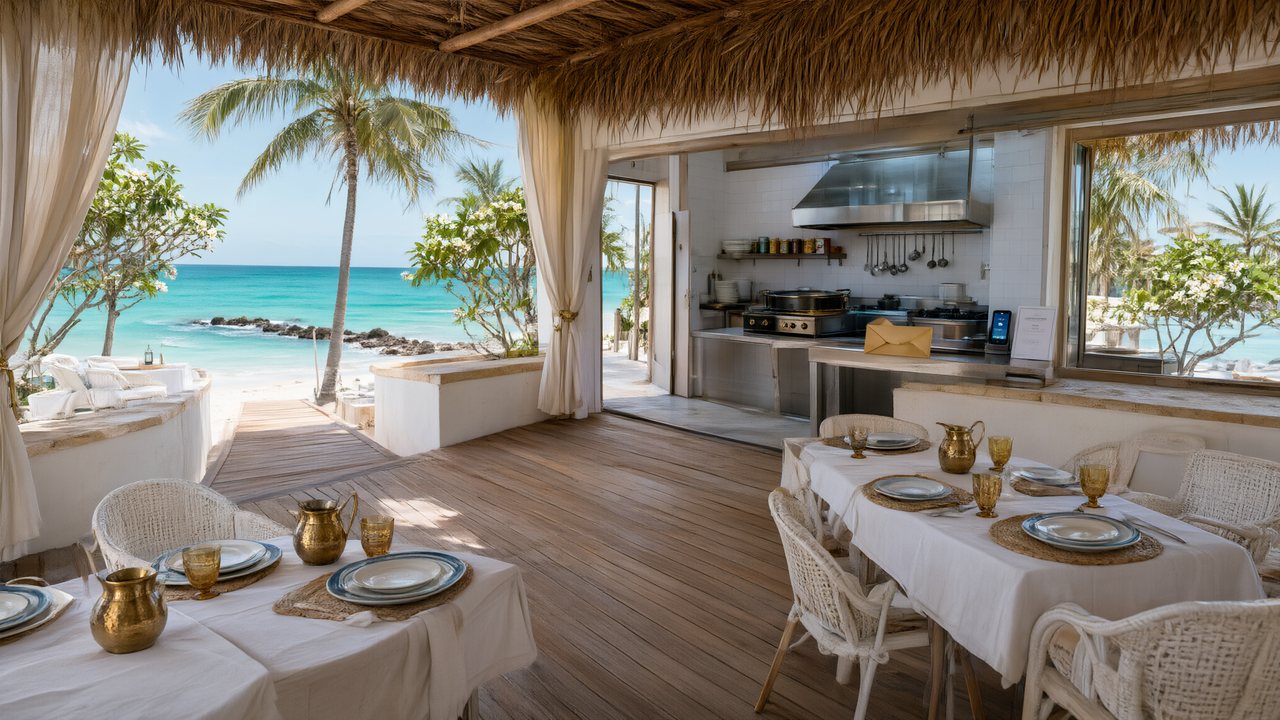 El Secreto de CostaEspañolNative dialogue
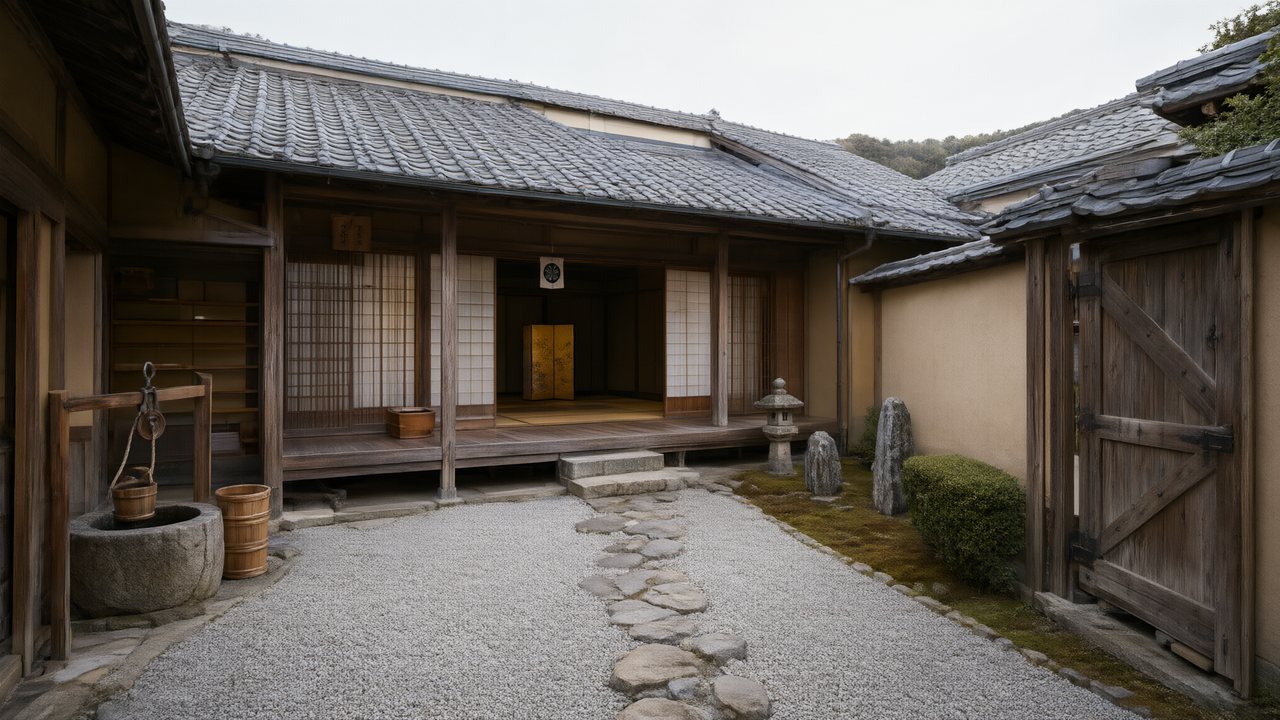 浪人の誓い日本語Native dialogue
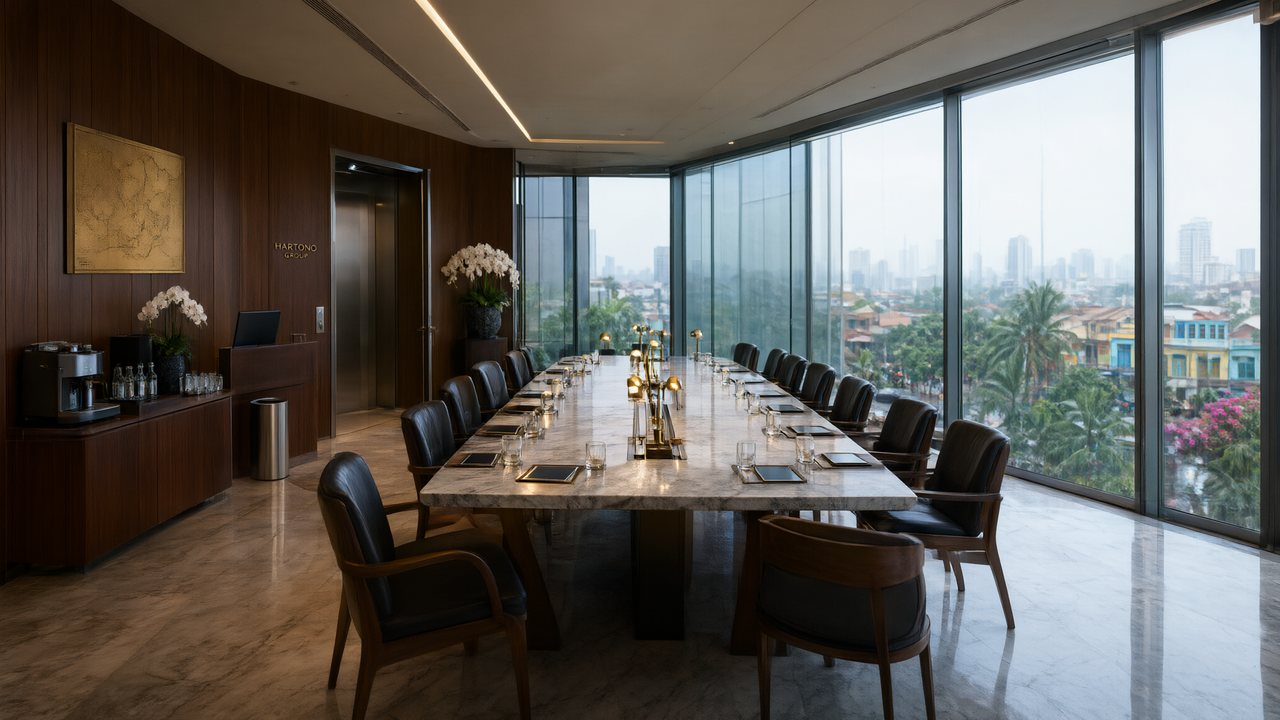 Ikrar JakartaBahasa IndonesiaNative dialogue
 Зимняя коронаРусскийNative dialogue
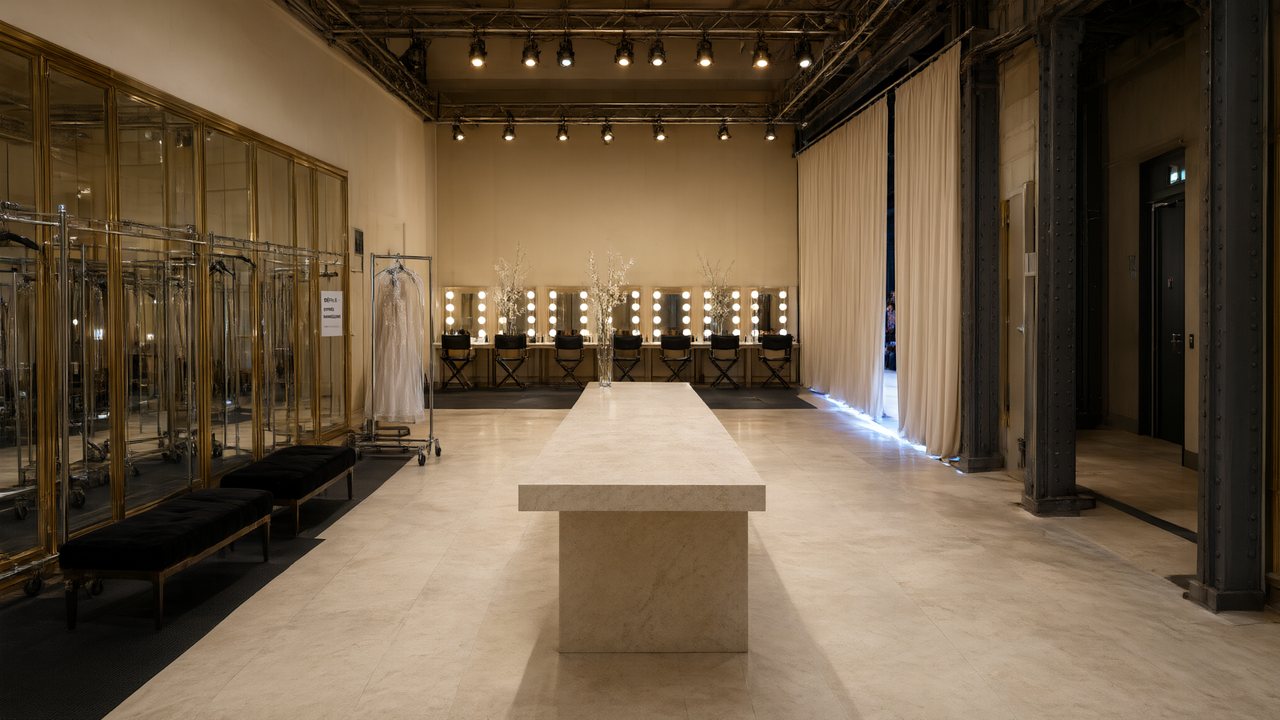 L’Héritier du DéfiléFrançaisNative dialogue
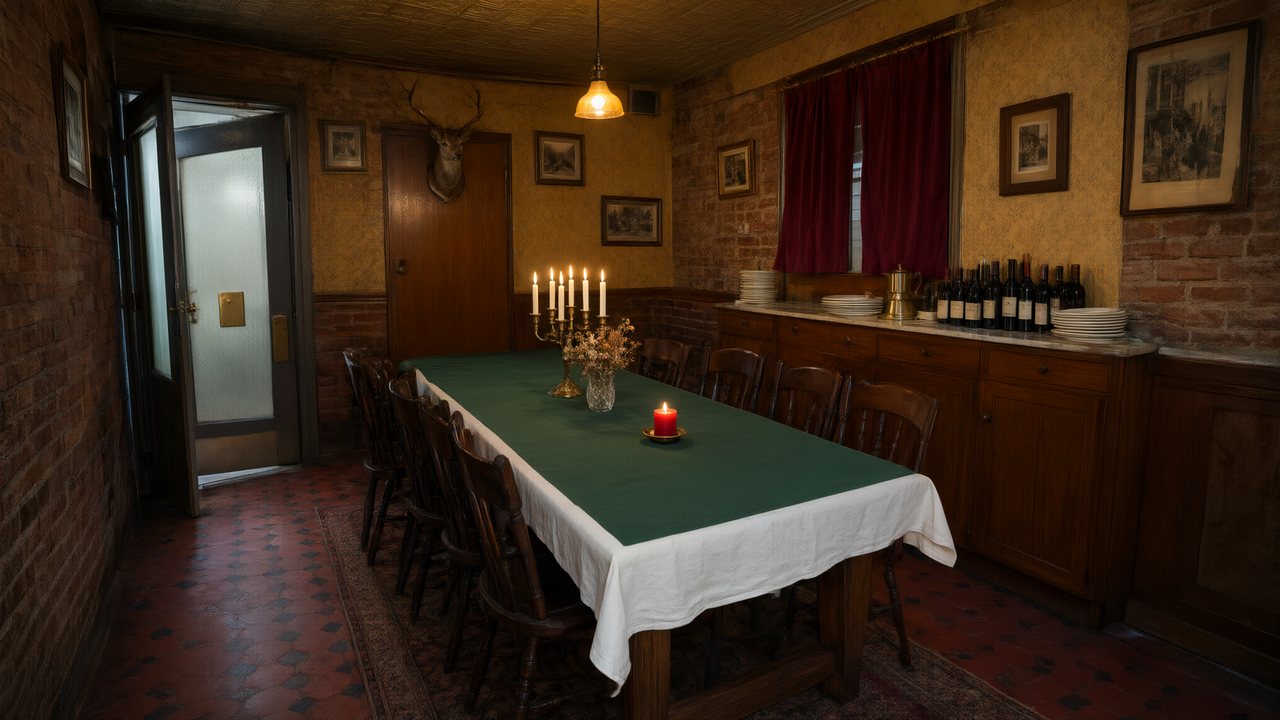 Il Tavolo dell'OlivaItalianoNative dialogue
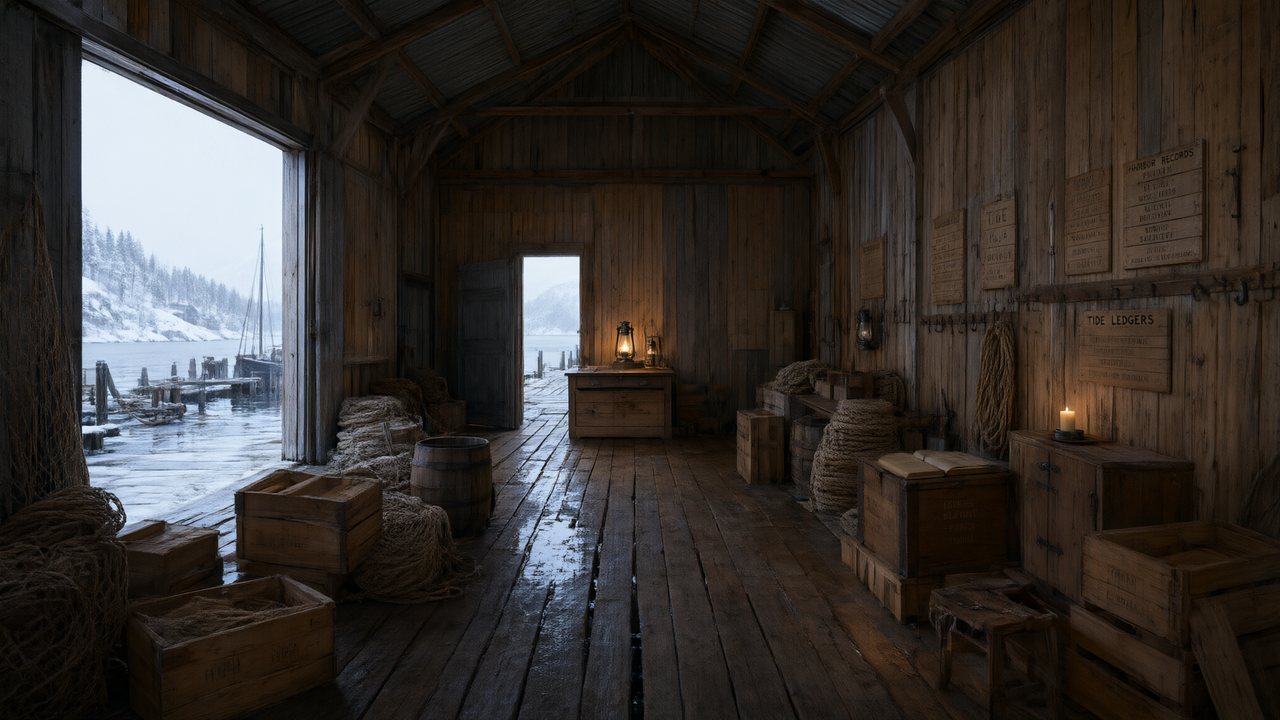 De Vuurtoren van de FjordNederlandsNative dialogue
 العهد الصحراويالعربيةNative dialogue
 Çantasındaki SözleşmeTürkçeNative dialogue
 Die Istanbul-TäuschungDeutschNative dialogue
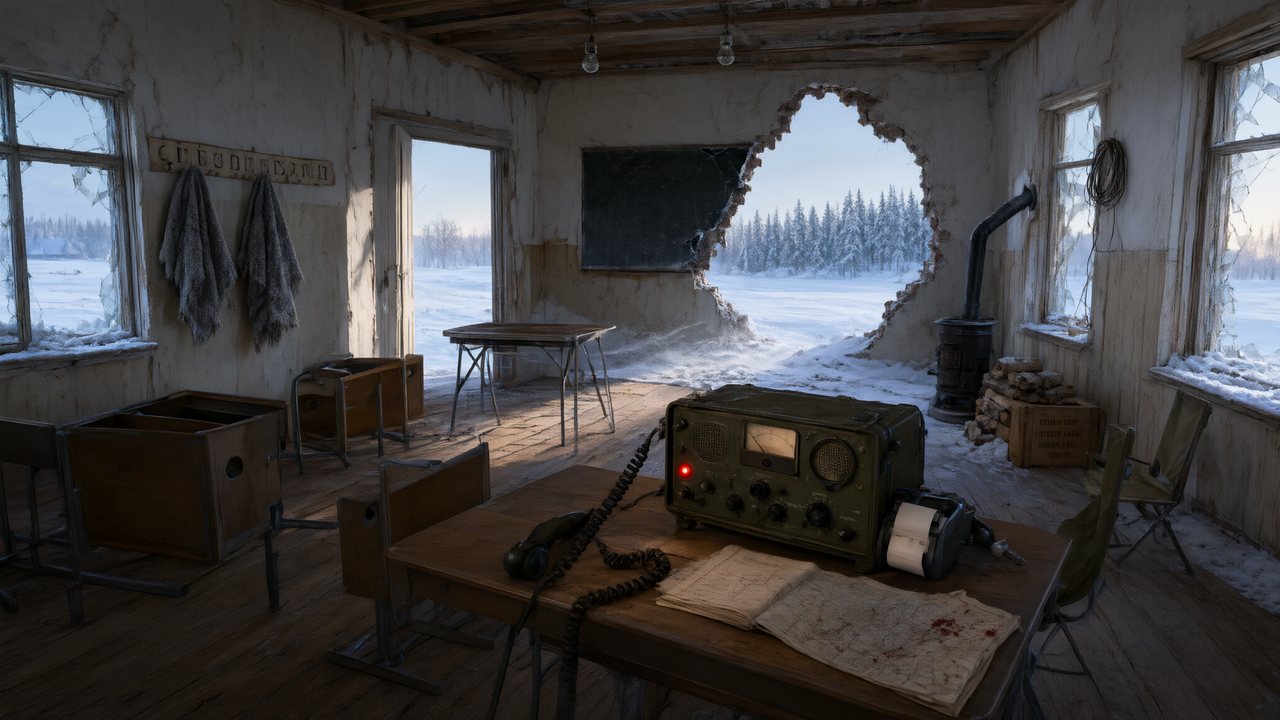 Останній сигналУкраїнськаNative dialogue
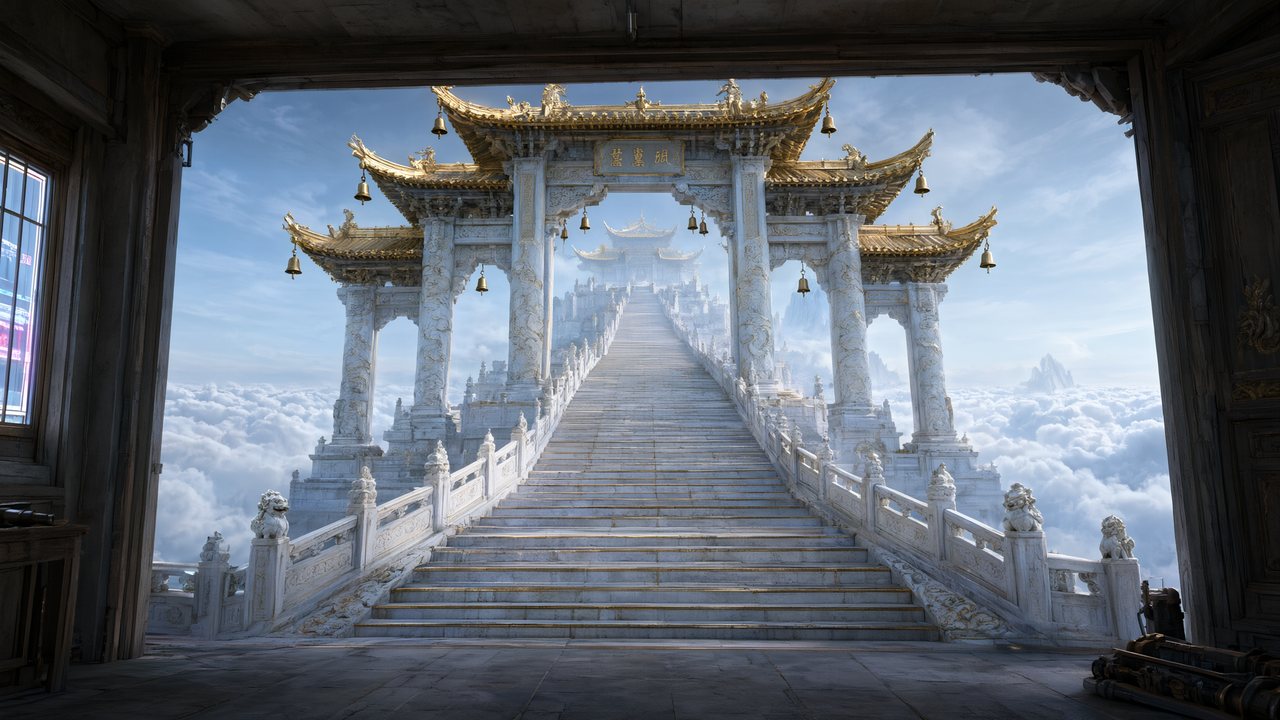 問劍青雲繁體中文Native dialogue
 The Last EnvelopeEnglishIn your language
Frequently asked questions
Can I turn a Chinese web novel into an English-language drama?
Yes. SceneMixer separates the script language from the production language: the output (episode outlines, storyboards, on-screen text) follows your interface language, and target-region localization adapts character names, casting, and scenery for Western, East Asian, Southeast Asian, or Latin American audiences.
How does SceneMixer keep characters consistent across episodes?
Every character gets an AI-generated full-body reference sheet at analysis time. Face and body crops from that sheet are injected into every video segment that features the character, so the same face, hair, and signature look persist across all episodes.
How long does it take to produce one episode?
Measured across every job that finished successfully on scenemixer.com in the thirty days to 20 September 2026: analysis of a whole book runs about 2 minutes 49 seconds at the median, one episode's storyboard 1 minute 54 seconds, one video segment 3 minutes 20 seconds, and compositing an episode 3 minutes 52 seconds. Segments run in parallel — three at a time on the free plan, up to twenty on the largest — so a typical seven-segment episode is around a quarter of an hour of machine time, and the first episode of a novel is watchable the same hour you upload it.
How long can the novel be?
Up to about 300,000 characters of English in one project — roughly 50,000 words. Past about 33,000 characters the analysis automatically switches to a two-call path built for long material, and per-episode outlines are expanded when you open each episode rather than all at once. Longer than that, split the book into volumes and run them as separate projects.
Can I see a shot before committing to a season?
Yes. A new account carries 50 credits, 15 free reference images, a free episode-1 storyboard on the first project, and one free preview of up to 5 seconds that renders the opening shot of your own episode against your own cast — not a stock demo.
How much does it cost to adapt a novel?
Script analysis is priced by text length (4 credits per 3,333 characters; reference images are billed separately, with 15 free per account) and storyboard scripts are billed per episode (1 credit per 333 characters). Video is billed per second of output. Credit packages start at $1.49, and Pro membership ($7.99/month) adds 700 monthly credits and member-only features.
Your novel is already a series
Upload it and watch the first episode take shape today.
Try SceneMixer freeCredit packages from $1.49 · Pro $7.99/mo · No credit card to start
Pricing·Novel to Video·Guides·Samples·Support·Privacy·Terms·Legal·Contact·© 2026 SceneMixer