Answers · Film
How to Make AI Movies?
Published November 17, 2026
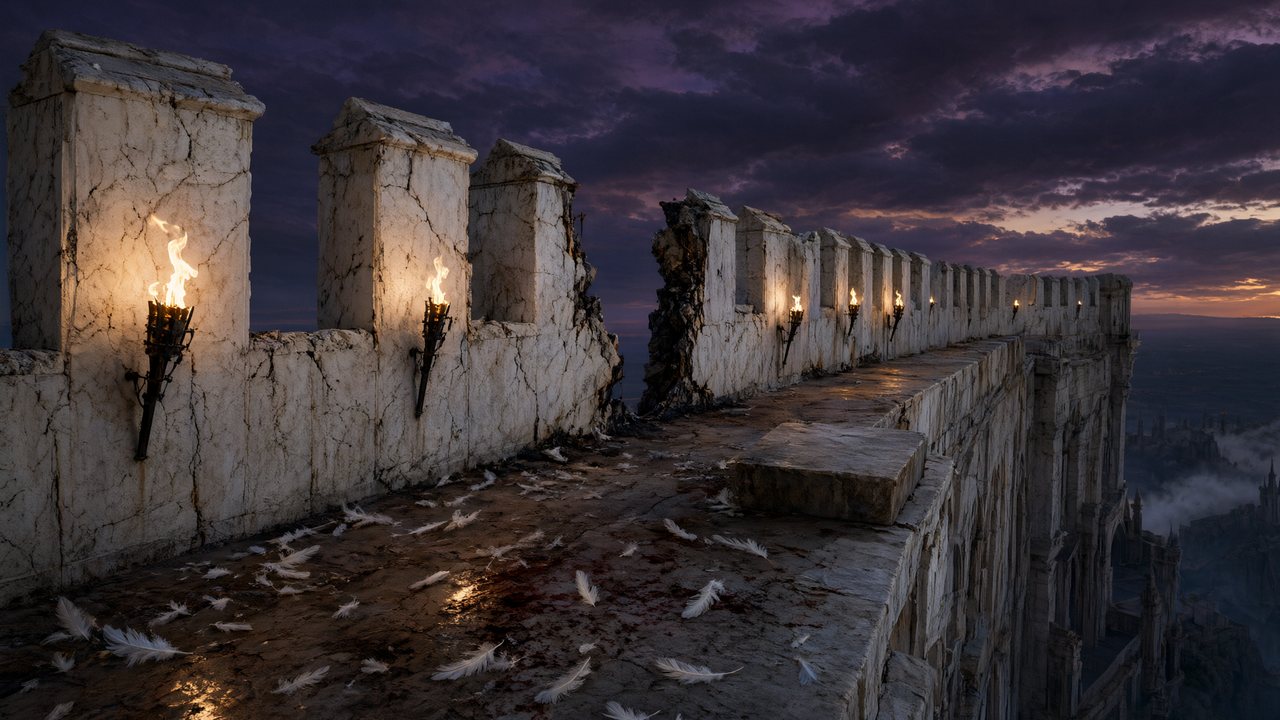
One film is a project; several films are a production line
Most first attempts at AI filmmaking end after one piece. The people who keep going discover that the second film is where the real questions start: can the same actor return, can the same city look like the same city, can the work be repeated without starting from zero. A creator who spent close to a year on one project described the scale it reached:
an 11-episode science-fiction series with a total running time of 163 minutes
That was a solo project shared in r/aifilmmaking. Another post in the same community noted what most output still looks like:
most of what we see today is still short form: clips, trailers, music videos, concept scenes.
The gap between those two is a method for repeating yourself. About 200 posts in the community corpus ask whether AI can make a full-length movie yet; the more practical question is how to make several good short ones that belong together.
Build the cast once and keep it
Every character in a SceneMixer project gets a full-body reference sheet, and every segment the character appears in is generated with that sheet attached. Those sheets, the location images and the voices are not tied to one film. Characters, scenes and voices can be carried into the next project, so a detective who solved a case in the first film walks into the second with the same face, coat and voice. This is the single biggest saving when making AI movies in numbers: the second film does not pay to recast anyone.
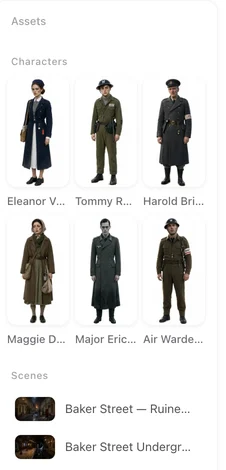
How to make AI films that feel like a set
A run of films reads as one body of work when a few things stay fixed. Keep one visual style for the whole run — it is chosen in Step 1 and locked for each project, so pick the same one each time. Keep the same dialogue language and frame. Give the run a shape: an anthology with one recurring character, a story told across parts, or a set of films in one world with different leads. Each film is still made the usual way — script, sheets, storyboard, segments, join — but the decisions that cost the most are already taken.
Plan the run before the first frame
Write a one-page plan: how many films, how long each, who recurs, which places return, and what each film is for. Short films of two to four minutes are the size one person can finish well, and a run of them is easier to keep consistent than one long piece. Set each project's type to Film, which has no episode cap and a slower pace than Short Drama. If the films are parts of one story, end each on something unresolved so the next has a reason to exist.
What a run of films costs and how long it takes
Each film is charged for its own seconds: video from 10 credits a second on the default tier, plus 1 credit a second to join. What drops after the first film is everything else: the cast sheets and location images already exist, and the first 15 setup images on an account are free in any case. Time drops too. Measured on SceneMixer over the 30 days to November 6, 2026, a finished episode was typically ready 24 minutes after its first segment started; most of a second film's hours go to writing it.
Limitations of making several AI movies
- Each project's look is fixed once set, so a change of style between films means new sheets in the new style.
- Each part is joined on its own; to watch several films as one, download them and join the files in an editor.
- Real actors, existing film characters and known franchises are refused, so the recurring cast must be original.
- A single continuous take still lasts one segment at most, in the tenth film as in the first.
- The full-length question count is a rule-based match over a fixed window of public posts.
FAQ
How to make movies with AI using the same characters?
Draw the cast once and reuse it. On SceneMixer characters, scenes and voices carry into the next project, so every film starts from the same faces.
How to create AI movies as a series?
Plan the run on one page, keep one look and one cast, and end each film on something unresolved; SceneMixer's Film type has no episode cap for longer parts.
How to use AI to make movies quickly?
Reuse what the first film built. On SceneMixer a second film needs only its script, storyboard and video, because the sheets and places already exist.
How to make AI films with no filming at all?
Everything is generated: the script, the cast, the locations, the shots and the voices. SceneMixer needs no camera, crew or graphics card, only a browser.
Related: how to make an AI movie, one film from start to finish, reusing a character, scene or voice across projects, and the collection method behind the count.
Plan a run of films
One cast, one look, one page of plan. Make the first film well and reuse everything it built.
Sign up freePer-second video rates are on the pricing page with the same numbers.