Answers · Basics
What Is AI Video?
Published November 17, 2026
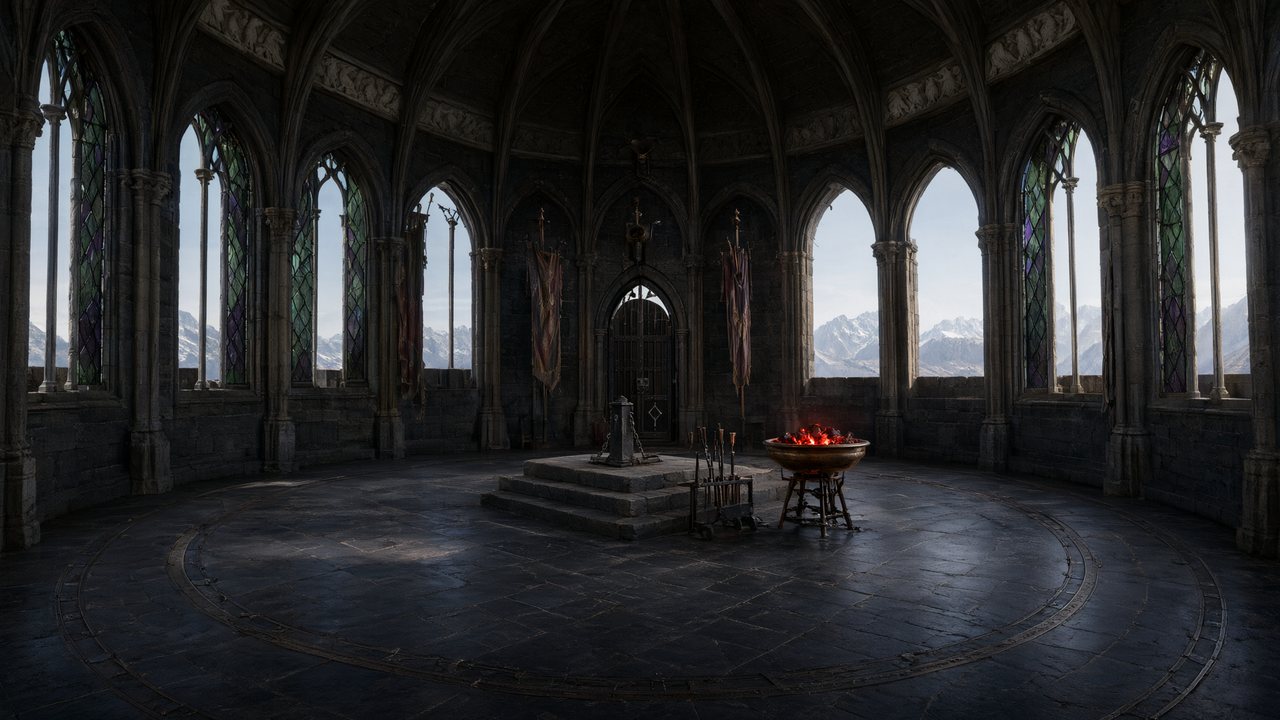
The short definition, and the longer one
The short definition: footage that no camera recorded and no animator drew, produced by a video model from a description. The longer one matters more. A model on its own returns a clip — a few seconds of picture and, increasingly, sound. What people call an AI video is usually many clips that have to agree with each other: the same faces, the same rooms, a story that continues. Most of the difficulty, and most of the craft, sits in that agreement.
An animation professional described the classic failure plainly when explaining why early results looked nowhere near production work:
a character could turn their head and suddenly have a completely different face.
That comes from a post by an animator in r/aifilmmaking about how their view of the tools changed. The other common question is about realism: about 190 posts in the community corpus ask some form of "does this look real to you?"
What an AI video generator does around the model
The model draws. The generator decides what it is asked to draw. On SceneMixer that means reading a script into characters, places and props; making a reference image for each; writing every episode as a storyboard of numbered shots with seconds and spoken lines; generating each segment with the right reference images attached; and joining the segments into one file. Each of those steps exists so that the second clip agrees with the first. A generator that only takes a prompt and returns a clip leaves all of that to you.
The difference shows most in anything longer than a minute. A single prompt can produce a striking shot of a detective in the rain; it cannot remember that the same detective wore a grey coat in the previous scene, that the office door was on the left, or that the partner was already sitting down. Those facts have to live somewhere outside the model — in reference images, in the storyboard text and in the order the segments are made — and a generator is, more than anything, the place where they live.
Clips, segments, episodes: the words to know
- Clip — one generated piece of footage, usually a few seconds long.
- Segment — on SceneMixer, a few shots generated together in one place, up to fifteen or thirty seconds depending on the tier.
- Storyboard — the text a segment is generated from: location, time, starting frame, and numbered shots with their seconds.
- Reference sheet — a full-body image of a character, attached to every segment that character appears in.
- Episode — segments joined into one finished file, with dialogue and music.
- Tier — the model and resolution chosen for a render, each with its own price per second.
What AI video is used for
Short dramas and series for vertical feeds; animated stories for children; trailers, pitches and proof-of-concept films; advertisements built around a product photo; explainers and channel content. What these have in common is that a recurring cast and a planned sequence matter more than any single spectacular shot. None of them needs a camera, a set or actors, which is why small teams and single creators use it; all of them still need a script, decisions and an eye for what is wrong in a take. Prices follow the seconds: from 10 credits a second on SceneMixer's default tier.
How AI video is marked
Two marks travel with a SceneMixer file. A small AI badge is burned into the bottom-right corner of the picture, and a metadata tag in the file says the video is AI-generated; both are added at delivery on every free-account video, and on a paid plan the badge is off by default. Platforms add their own layer: an upload step where you declare AI content, and labels they show viewers. How AI-generated video is marked lists each mark and what survives a re-upload.

Limitations of AI video today
- Lettering inside the picture is unreliable, so titles and captions are added afterwards.
- One continuous take is limited to one segment; longer scenes are cut together.
- Crowds, hands and fast multi-person action need more attempts.
- Generated footage shows an invented event, never a recorded one.
- The realism count is a keyword match on a fixed window of public posts, not a measured share.
FAQ
What is AI video generator software?
A tool that sends descriptions and reference images to a video model and returns footage. SceneMixer adds the steps around the model: script reading, reference sheets, storyboards and joining episodes.
What is AI generated video, and how is it marked?
Footage a model made instead of a camera. SceneMixer marks it with a corner badge and a metadata tag on free accounts; platforms add their own labels on top.
What is video AI used for?
Short dramas and series, animated stories, trailers and pitches, product ads and channel content; SceneMixer is built for the story-driven end of that list.
Is AI video the same as animation?
No. AI video can look like live action or like animation; the look is a choice. It is generated from descriptions, not drawn frame by frame.
What is artificial intelligence video?
Another name for AI video: footage generated by a model from text or images instead of filmed with a camera. SceneMixer uses such models to make whole episodes from a script.
Related: can AI make videos, and how well, whether AI videos need a label, and the collection method behind the count.
See it on your own idea
One line becomes a cast and a storyboard; one free preview shows it moving.
Sign up freePer-second video rates are on the pricing page with the same numbers.