How to Make an AI History Drama or History Video Series
Brief for AI Create: The sinking of the Titanic seen by a young wireless operator, in five short episodes from departure to the lifeboats; documentary narration between scenes; each episode ends on the clock.
Documentary or drama: pick the telling
| Narrated history | Historical drama | |
|---|---|---|
| Who carries it | A narrator, over scenes | Characters, in dialogue |
| Episode shape | One fact or turning point, about a minute | One scene with a cliffhanger, two to four minutes |
| Best for | History channels, Shorts, explainers | Series with returning characters |
| Visual Style | Shot on Film, Black & White Film, Classical Oil Painting | Digital HD, Shot on Film, Soft Glow |
Many channels mix both: a narrator opens and closes, the scene in between is acted. The narrator is an Off-screen character with a voice and no image. Voice-only characters.
Pick the era in step 1
| Period | Scene Style | Costume Style |
|---|---|---|
| Ancient Egypt | Ancient Egypt | Ancient Egyptian Attire |
| Greece and Rome | Greco-Roman | Greco-Roman Attire |
| Middle Ages | Medieval Castle | Medieval Nobility, Plate Armor |
| Vikings | Frozen Wilderness | Nordic Viking |
| Regency and Victorian | European Palace, Parisian Streets | Regency, Victorian |
| American frontier | Wild West | Western Cowboy |
| 1920s | New York Metropolis | Jazz Age |
| Twentieth-century wars | Military Base, Epic Scale | Modern Military |
The styles set the direction; the exact year still belongs in each location’s and character’s description (a London street in 1888, gas lamps, horse-drawn cabs). Scene style and costume style.
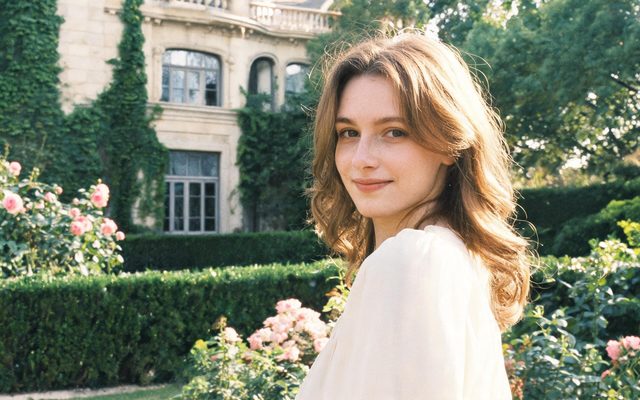
Visual Style: Shot on Film
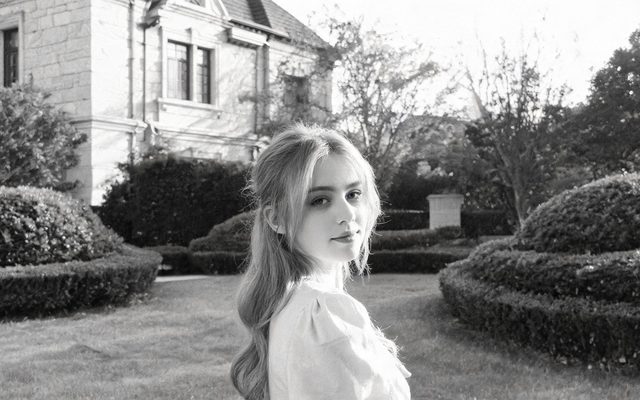
Visual Style: Black & White Film
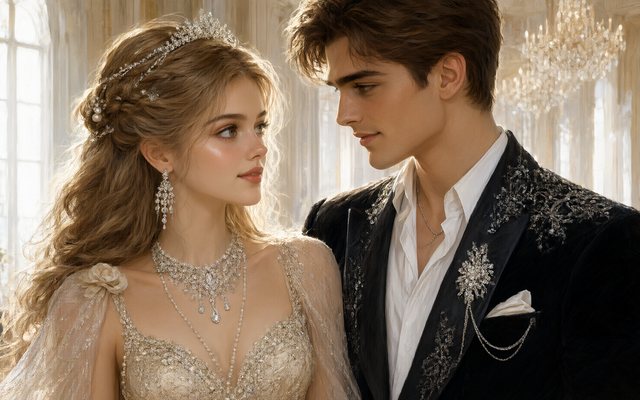
Visual Style: Classical Oil Painting
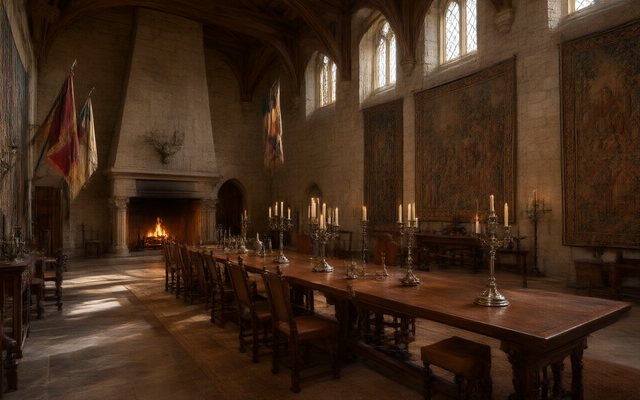
Scene Style: Medieval Castle
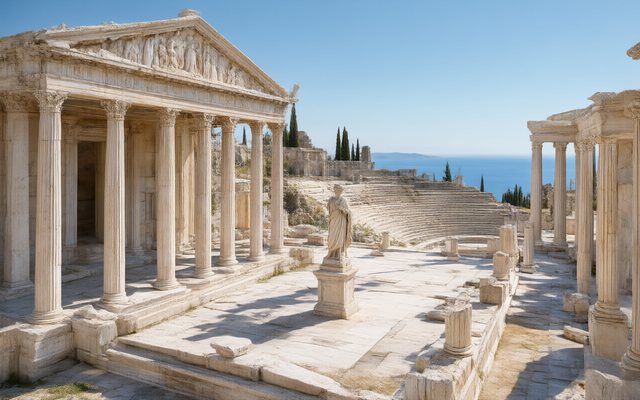
Scene Style: Greco-Roman
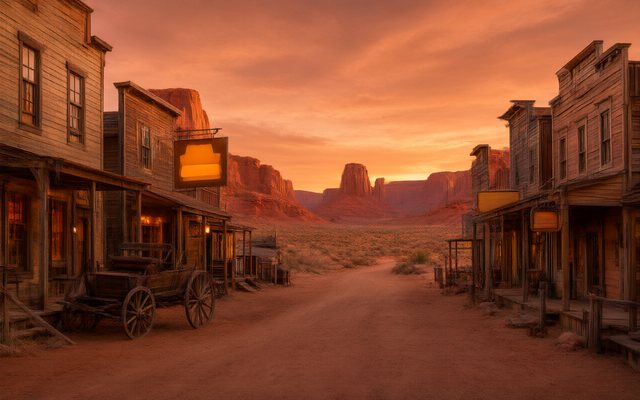
Scene Style: Wild West
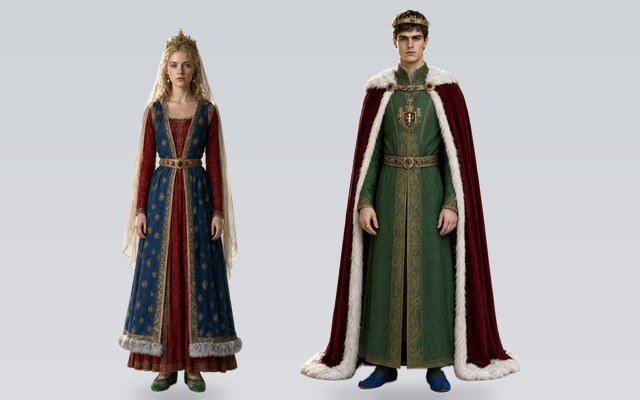
Costume Style: Medieval Nobility
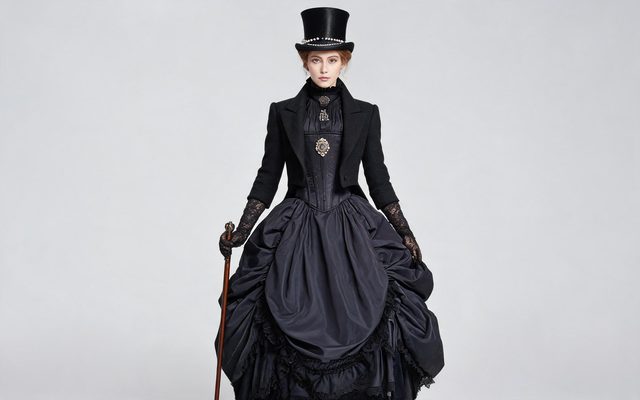
Costume Style: Victorian
Real events, invented witnesses
The content checks refuse real public figures by name or likeness, and real political figures are not made here at all. That sounds limiting for history and is mostly not: the strongest history videos are told by people nobody has heard of.
- Put an invented character at the centre: the general’s aide, the cook, the soldier’s wife.
- Let the famous figure stay off camera — a voice behind a door, a rider seen from far away, a name spoken by others. A name in a line can still be checked; if a line is refused, describe instead (the emperor, the president).
- Keep the facts in the narration, where you control them, and the feeling in the scene.
Content rules and checks · IP check: celebrities, brands, franchises.
Battles and disasters
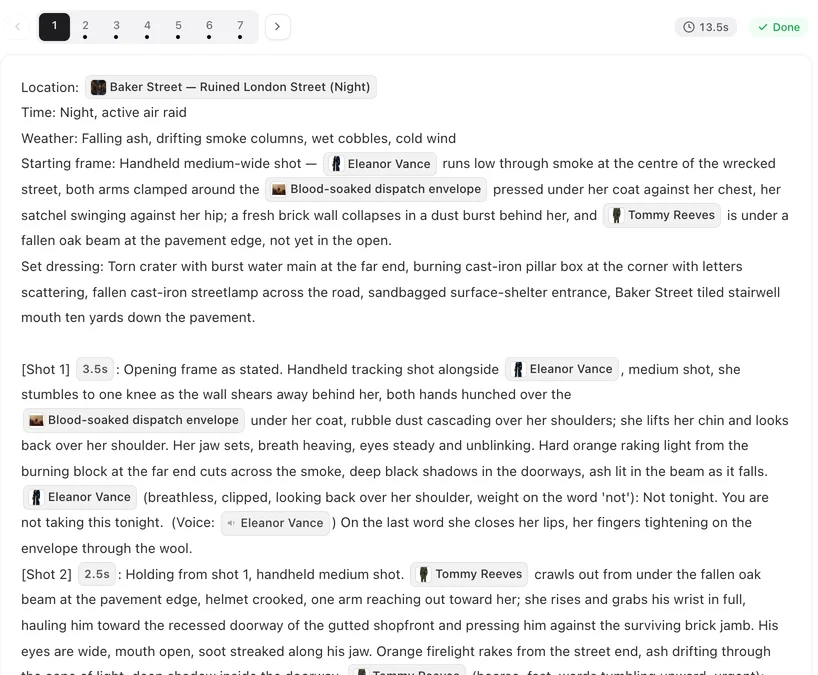
Big events are a run of short shots: a wide shot that shows the scale, the witness reacting, one detail (a dropped musket, the water at the stairs), back to the witness. Show violence at a distance or by its result; detailed gore is refused. Crowds are declared as background people, not cast one by one. Writing fights, crowds and group scenes · Background people.
| Beat | Shot to adapt |
|---|---|
| Scale | [Shot 1] 4s: Extreme wide shot, slow pan. A muddy field at dawn, two lines of soldiers in red and blue coats, smoke drifting low. @Narrator (voice-over, measured): By nine in the morning, the rain had stopped. Ambient: drums, distant shouts. |
| The witness | [Shot 2] 3s: Close-up. @Tom, a drummer boy, swallows hard, rain on his face. No dialogue. Ambient: drums. |
| The detail | [Shot 3] 2s: Insert. A letter in Tom’s hand, the ink running. No dialogue. Ambient: a cannon, far off. |
One person across the years
A series that follows someone from youth to old age keeps one character card and adds states for the later looks: grey hair, a uniform, a wound. The face comes from the main sheet each time, so the audience knows it is the same person. Costume changes and states · Character looks the wrong age.
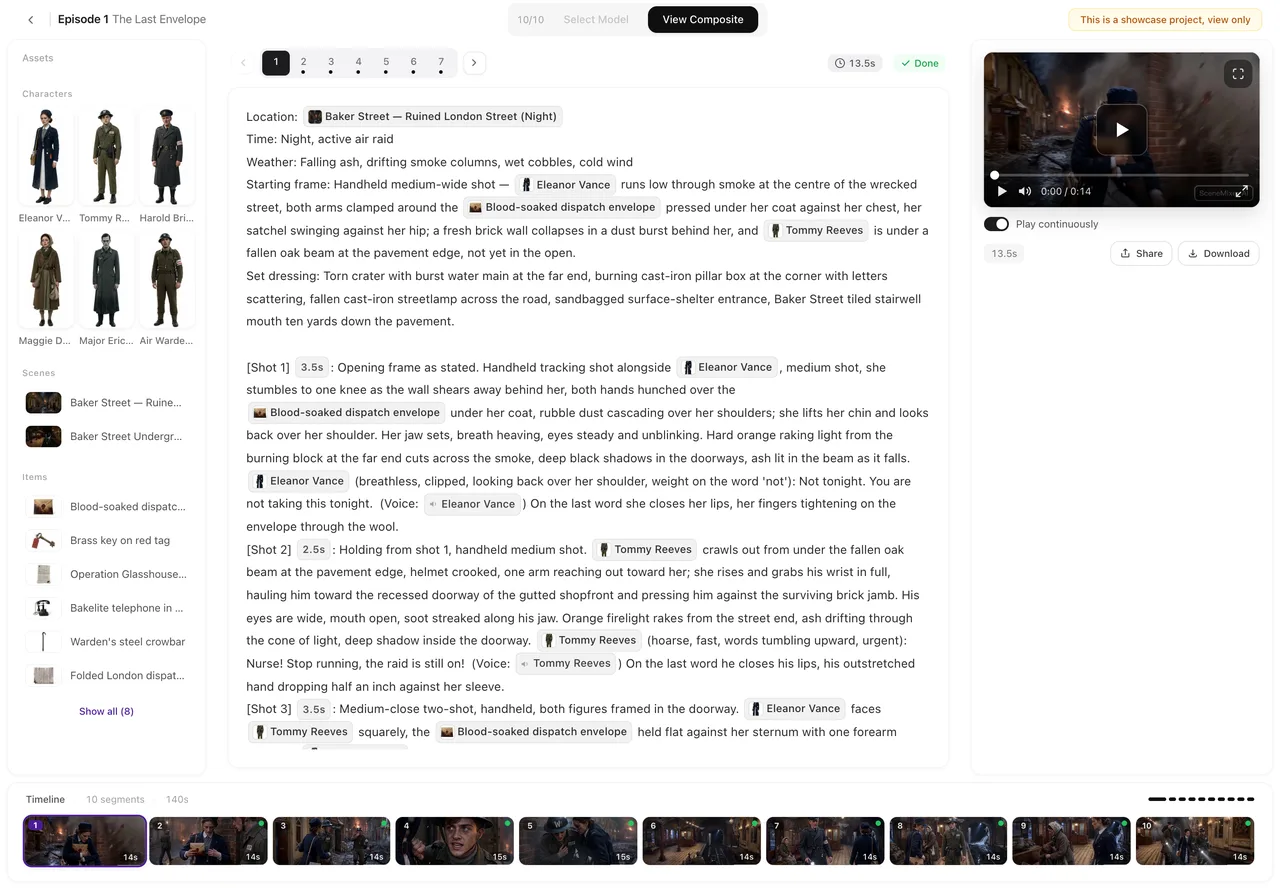
Make it in SceneMixer, start to finish
- Script: your own on Upload Script, or a brief in AI Create naming the event, the witness and how many episodes.
- Step 1: Type Short Drama or TV Series; the visual, scene and costume styles for the period; 16:9 for YouTube or 9:16 Portrait for Shorts; the dialogue language and target region. Then read the script.
- Step 2: check each character’s clothing names the period; regenerate any sheet that looks modern. The first 15 setup images on an account are free.
- Storyboard: episode 1 first (free on your first project); write the narrator as voice-over.
- Video: generate on the default tier at 10 credits a second; composite; post.
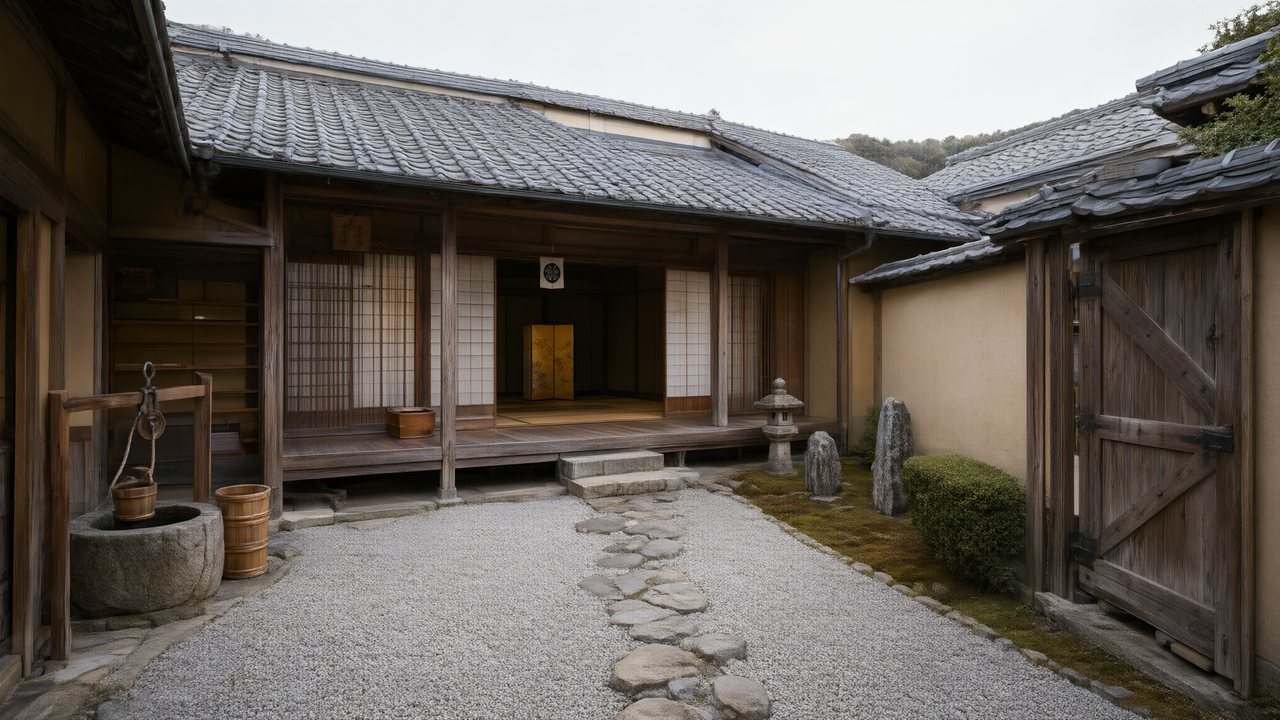
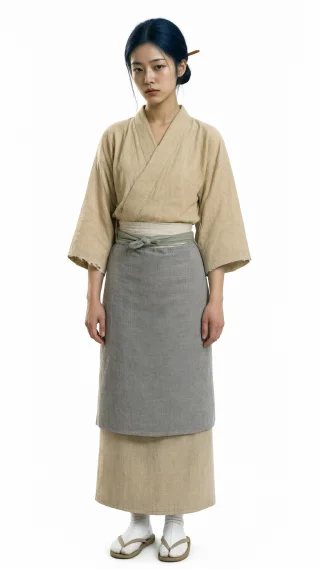
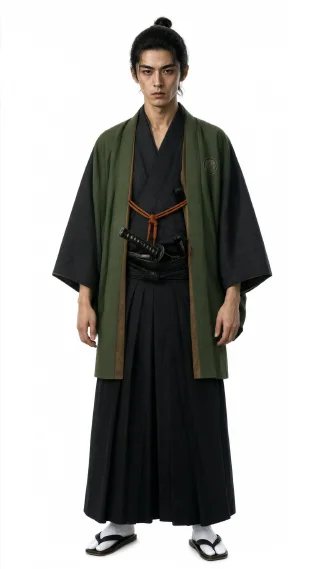
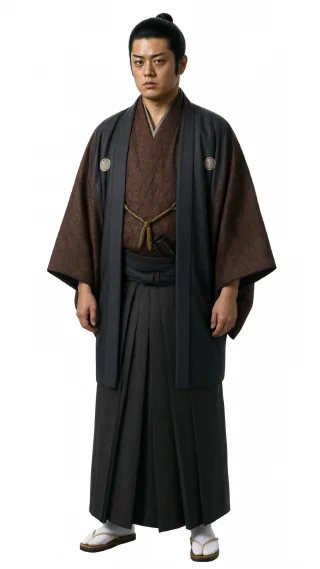
For a period look on film, watch 浪人の誓い, a samurai drama set in an estate courtyard, with a grainy, film-like live-action look.
| Episode | The moment | The hook |
|---|---|---|
| 1 | The ship leaves Southampton; the operator’s first night shift. | An ice warning he is told to ignore. |
| 2 | The passengers above, the operator below. | Another warning. 11:40 pm. |
| 3 | The impact, felt as a shudder in the wireless room. | The captain’s order: “Send the call.” |
| 4 | Calling ships that do not answer. | One ship answers. Four hours away. |
| 5 | The lifeboats. | The narrator: who was saved, and who was not. |
FAQ
How do I make AI history videos for YouTube?
Write the event as a short script told by one witness, or give AI Create a brief. Choose a film-like visual style and the period's scene and costume styles in step 1, 16:9 for YouTube, and add a narrator as an off-screen character.
Can I show real historical figures?
Named real public and political figures are refused by the content checks. Tell the story through invented people, and keep famous figures off camera or described instead of named.
How do I make sets and costumes look accurate?
Pick the matching scene and costume styles in step 1, then write the year and the details into each location's and character's description.
Can a narrator explain the history?
Yes. Add an off-screen narrator character and write its lines as voice-over; they are heard over the shots.
Can I show battles?
Yes, as a sequence of short shots with scale, reaction and detail. Violence shown in close detail is refused.
Can the same character age across episodes?
Yes. Keep one card and add states for the older looks; the face is taken from the main sheet.
What style looks most like a documentary?
Shot on Film or Black & White Film for archive-like footage; Classical Oil Painting for a painted, museum feel.
How long should a history episode be?
About a minute for one narrated turning point; two to four minutes for an acted scene with a cliffhanger.
Updated October 20, 2026