AI animated series
AI Animated Series Generator
Updated September 20, 2026

Style is one axis of four, and it only governs how things are drawn
An animated series is not a different pipeline. It is the same one — script to episodes, characters and locations to reference art, shot lists to rendered segments — with the rendering medium set to a drawn style instead of a photographic one. That setting is one of four independent choices made once per project, and keeping them independent is what stops them fighting each other.
| Axis | Governs | Example of what belongs here |
|---|---|---|
| Visual style | The medium and its surface — how everything is drawn or rendered. | Flat cel shading; painted backgrounds with drawn figures; 3D with an illustrated finish. |
| Art direction | What the world is built out of: space, materials, colour discipline, how dense the dressing is. | Sparse interiors, cool concrete and glass, one accent colour. |
| Costume register | What people wear: period, cut, fabric, construction. | Contemporary tailoring; layered historical dress; institutional uniforms. |
| Content type | Structural rules — episode length ceiling, performance grammar, dialogue pacing. | Short drama, long-form series, or feature. |
Twenty-one visual styles, thirty-seven art directions and forty-six costume registers ship as presets; paid members can write their own. The practical consequence of the separation: you can put a drawn medium over a modern art direction and contemporary clothes, and nothing pulls the world back toward a default look.
What changes in a drawn style, and what does not
- Character sheets are still casting photos. Same white background, same identity-first structure, same rule against flat even lighting — rendered in your chosen medium. A reference sheet is a reference, not a key visual.
- The quality tail adapts. Flat-shaded mediums get a neutral finish instruction rather than the photographic one, so a cel-shaded series is never simultaneously told to show skin pores and not to.
- Non-human characters get a different base. A creature explicitly marked as non-humanoid is drawn as a field-guide plate — real anatomy, on all fours, no human hands, no clothes — rather than as a person in costume.
- Timing does not change. Dialogue still needs its seconds; segments are still 4–15 seconds with some tiers to 30; runtime is still stacked from segments.
- Text still never appears in frame. No title cards, no signage you can read, no burned-in captions.
Consistency is the whole game, and it comes from art not prompts
Drawn styles are less forgiving than photographic ones about identity, because a stylised face has fewer distinguishing features to begin with. The mechanism is the same: each character is generated once as a reference sheet and that image is attached to every shot they appear in, with a couple of face-distinguishing notes pulled from their description to help when two characters share a silhouette. Shots never re-describe the outfit, for the same reason as in live-action style — it competes with the face.
One consequence worth planning for: the style axes are expanded at generation time, not snapshotted. If you change an art direction preset after generating half a season, regenerating a location plate later gives you a different world than the one you already have. Pick the axes before generating art.
Where it is weakest
- Sustained stylised action. Continuous fight choreography and crowds moving in formation are outside what current models hold together, drawn or otherwise.
- Frame-exact effects. There is no keyframing and no compositing layer. Effects happen inside a generated shot or not at all.
- Character count. Past four named people in one frame, identity degrades — arguably faster in flat styles. Ensembles are covered in singles.
- An existing IP look. Presets describe mediums and techniques, not studios. Custom style text is yours to write, and what you write is your responsibility.
What it costs
Exactly what live-action style costs — the medium is not a surcharge. Analysis is 4 credits per thousand characters, per-episode shot lists 1 credit per hundred characters, reference images 7 credits each beyond the 15 free ones in your first project, and video from 10 credits per second of output. A 90-second episode is about 990 credits of video and assembly at the cheapest tier. Custom style text requires a paid tier; the presets do not. Rates on the pricing page.
Languages
Native dialogue in 15 languages
Every series below was produced by the same pipeline with the cast speaking that language natively: the interface, the working documents and the spoken lines are all in one language, and nothing is dubbed. Open one to hear it.
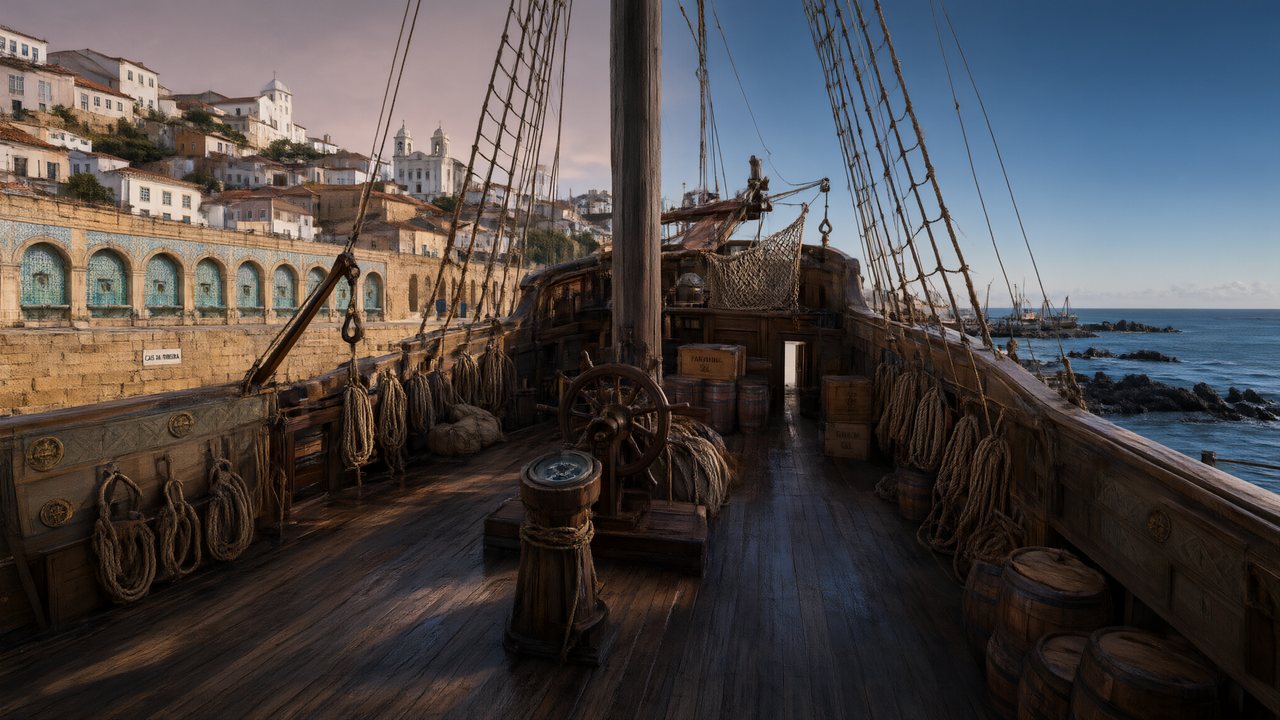 A Carta de LisboaPortuguêsNative dialogue
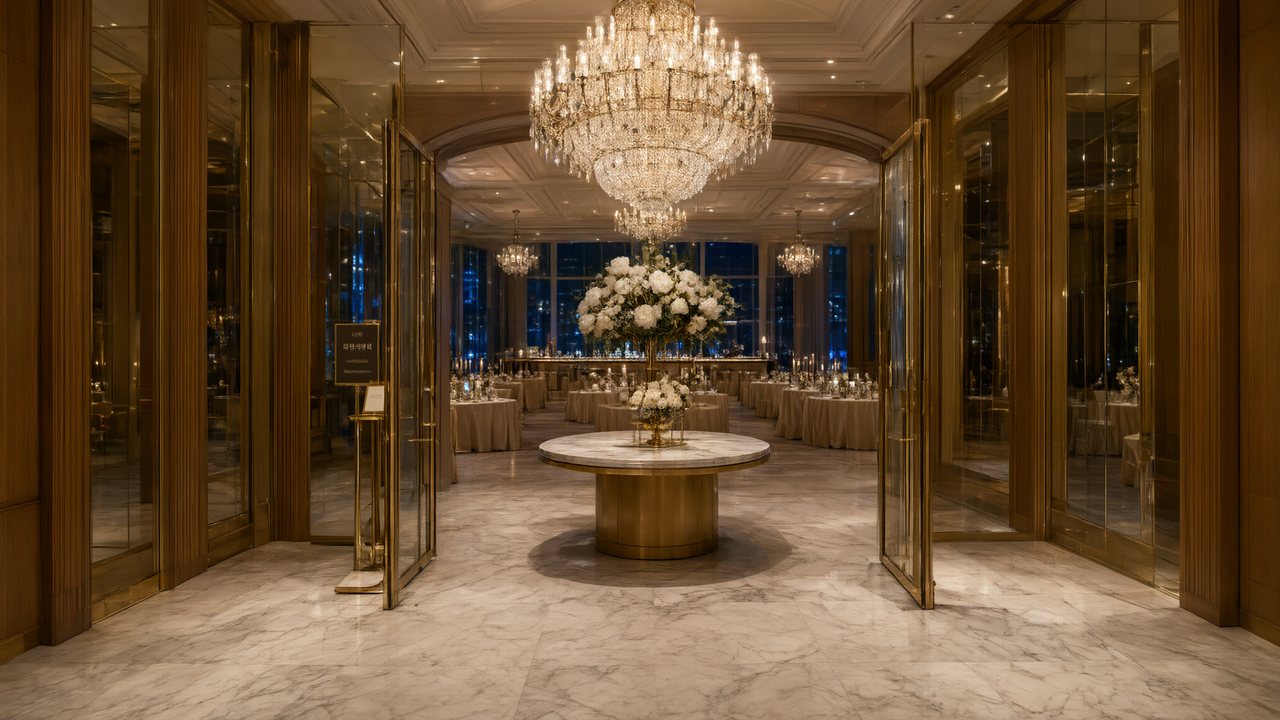 윈터 프라미스한국어Native dialogue
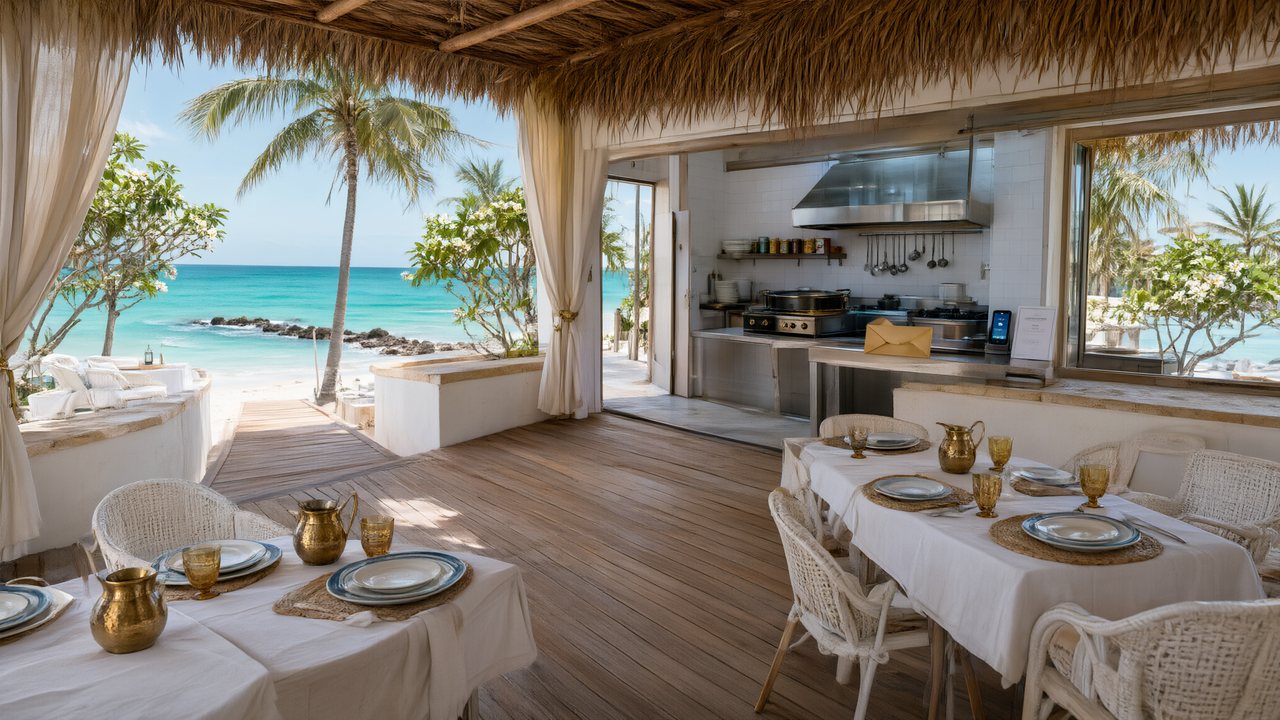 El Secreto de CostaEspañolNative dialogue
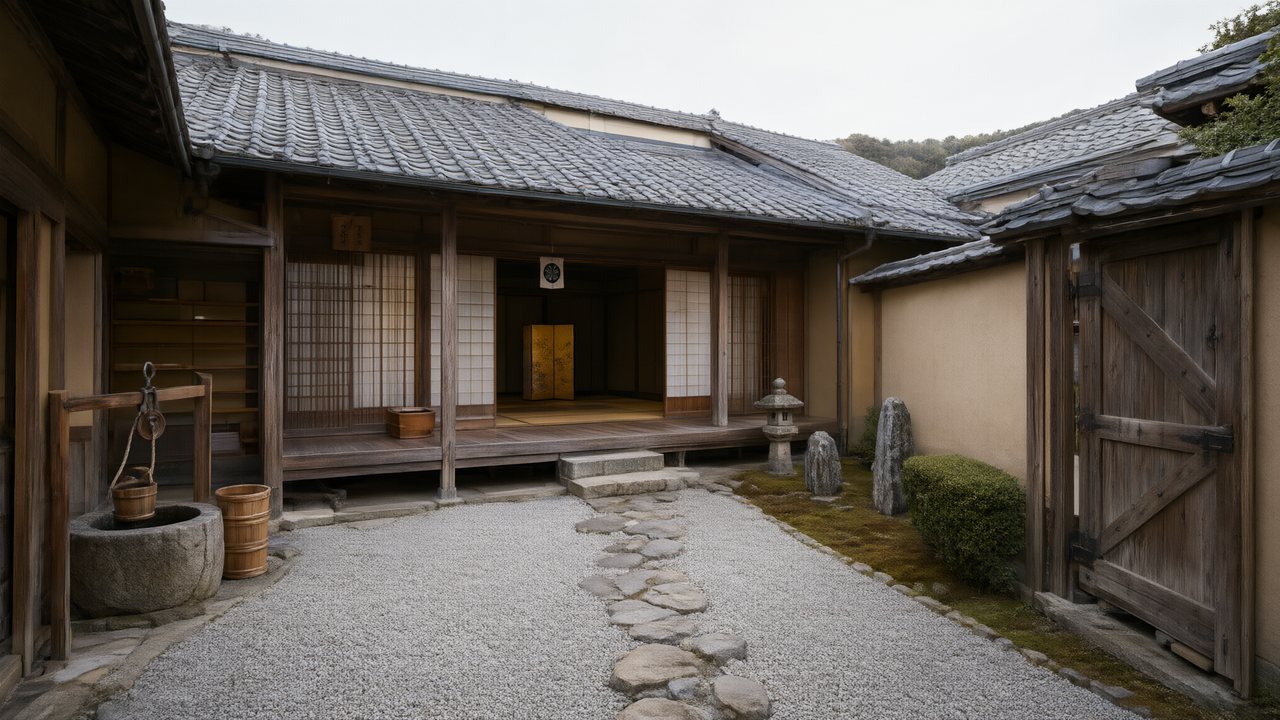 浪人の誓い日本語Native dialogue
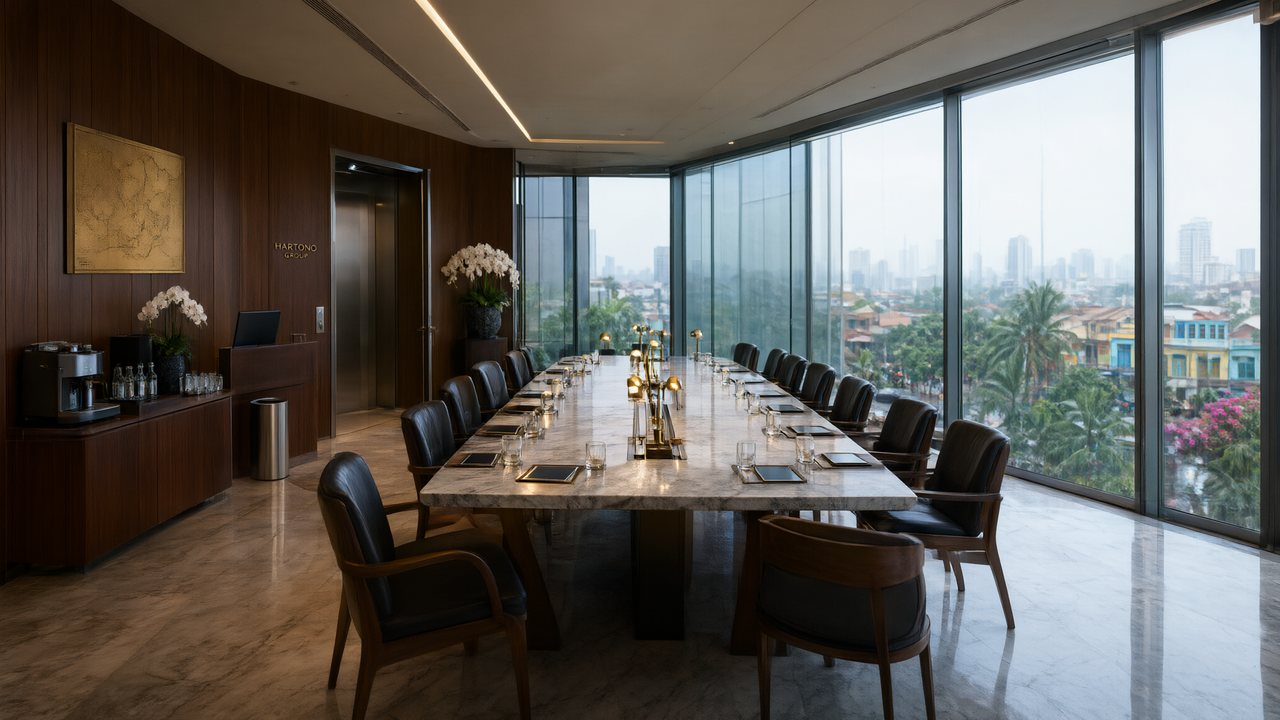 Ikrar JakartaBahasa IndonesiaNative dialogue
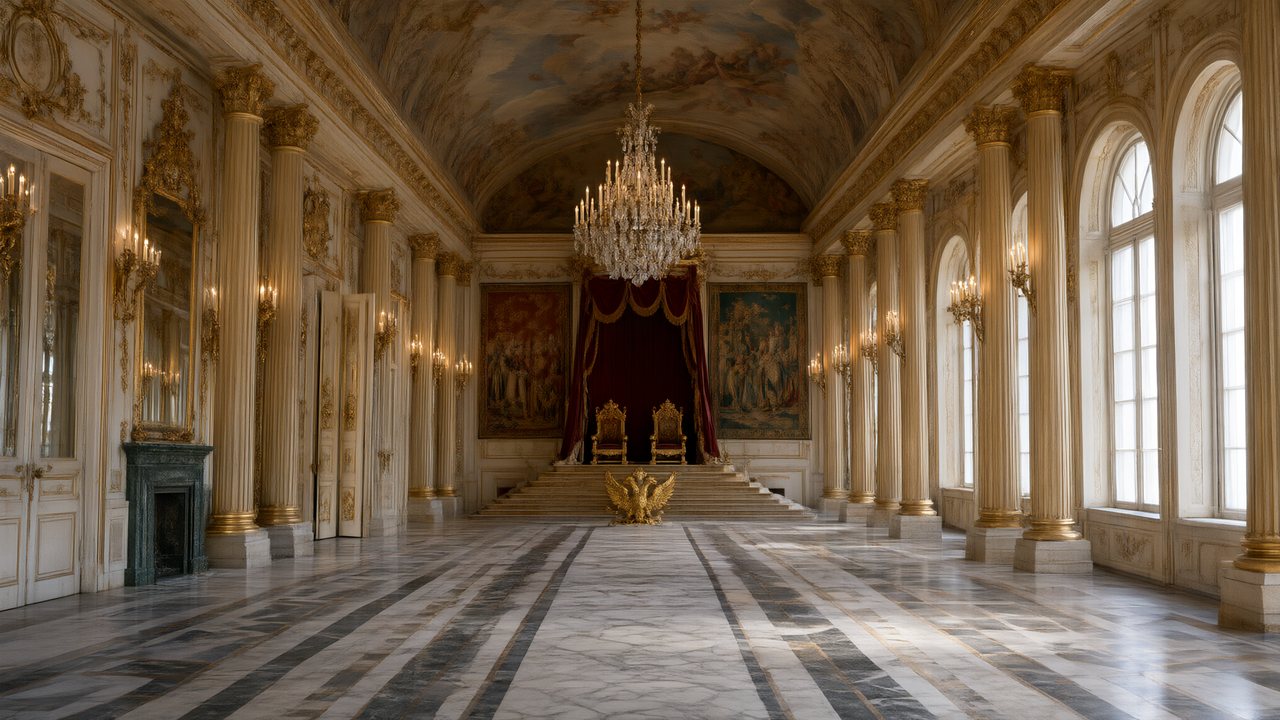 Зимняя коронаРусскийNative dialogue
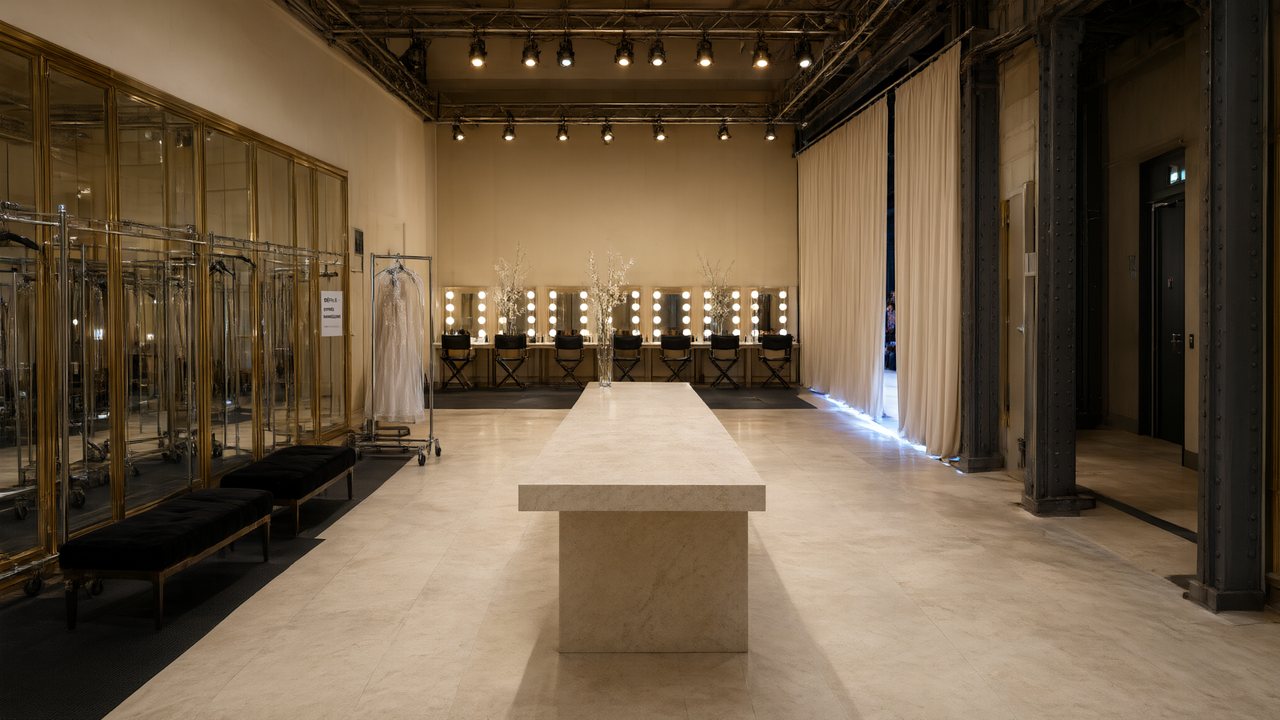 L’Héritier du DéfiléFrançaisNative dialogue
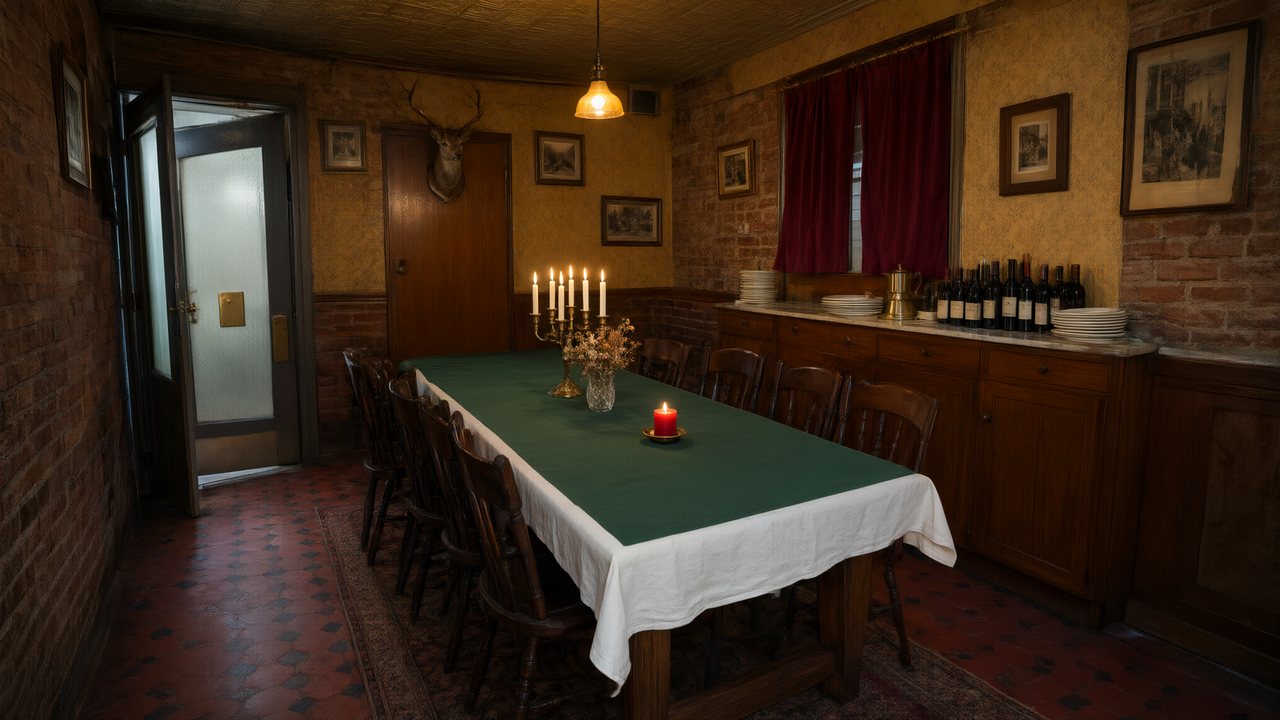 Il Tavolo dell'OlivaItalianoNative dialogue
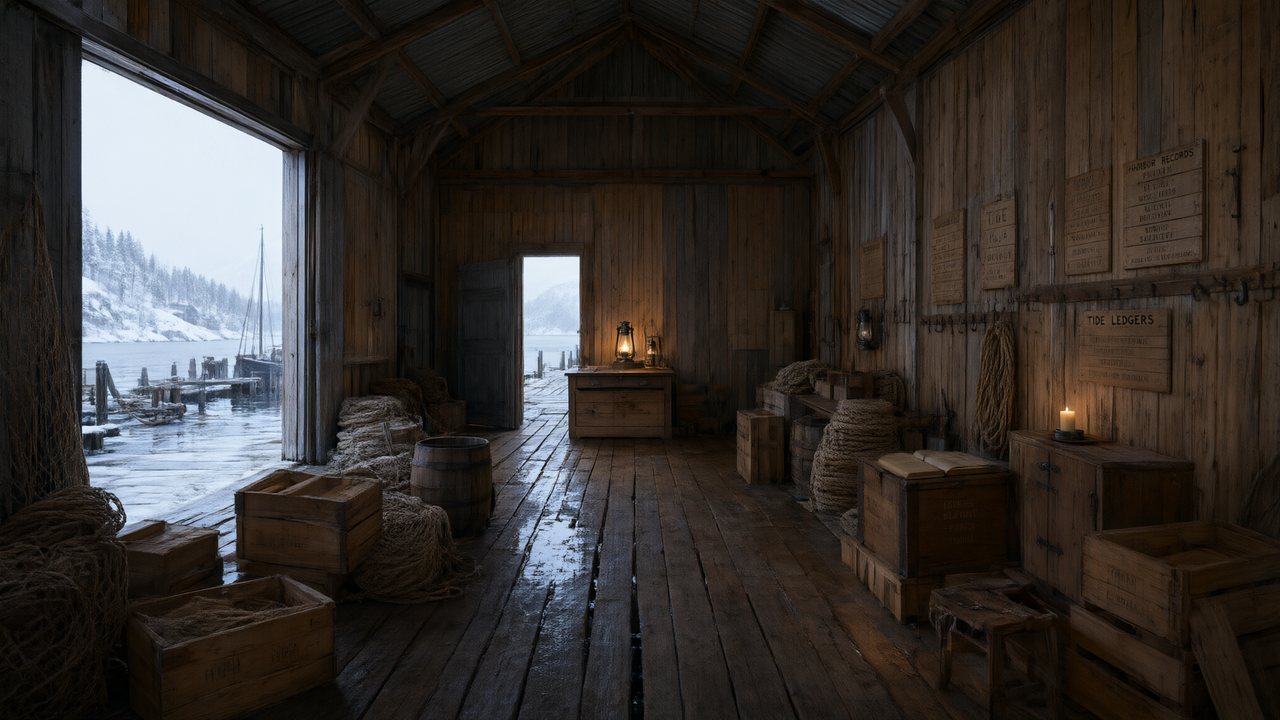 De Vuurtoren van de FjordNederlandsNative dialogue
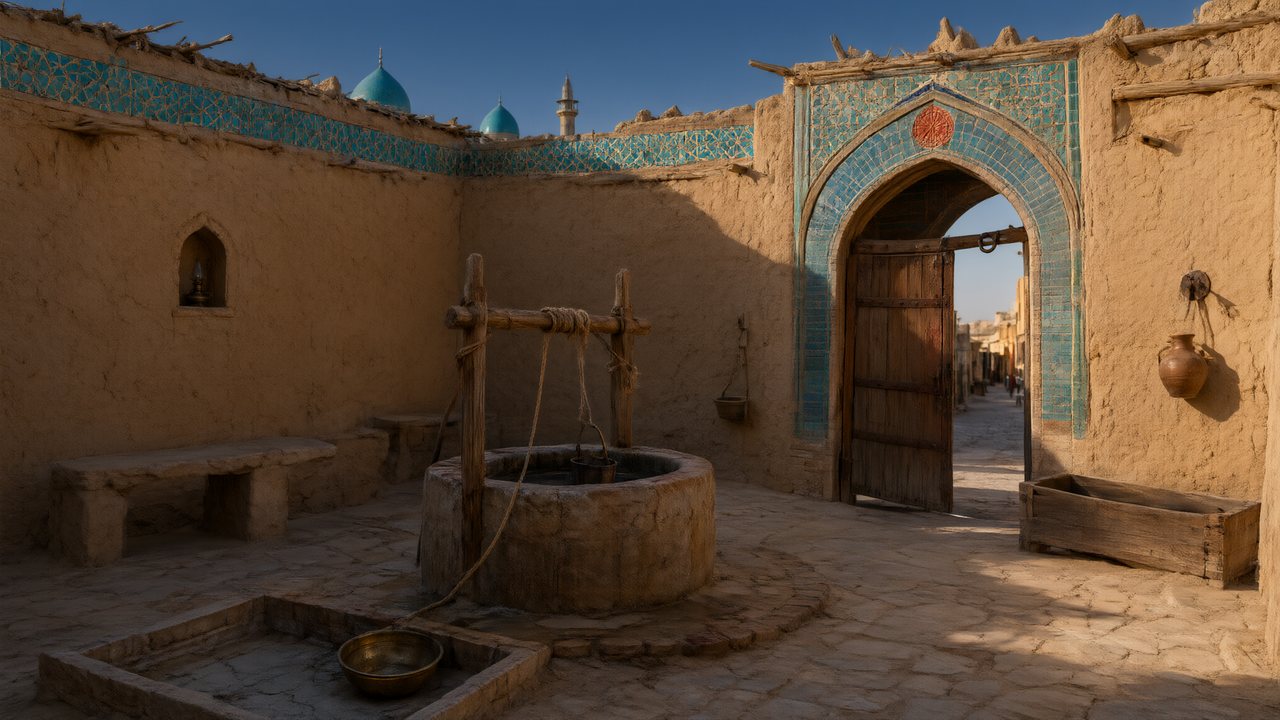 العهد الصحراويالعربيةNative dialogue
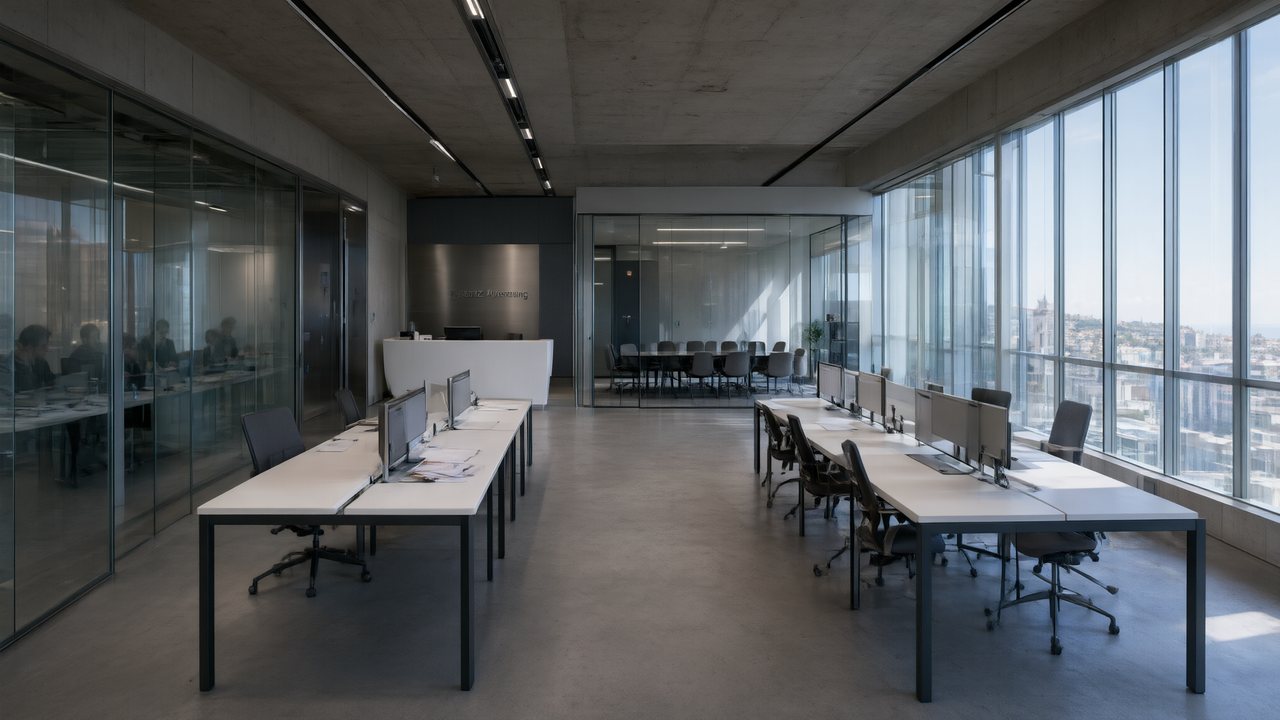 Çantasındaki SözleşmeTürkçeNative dialogue
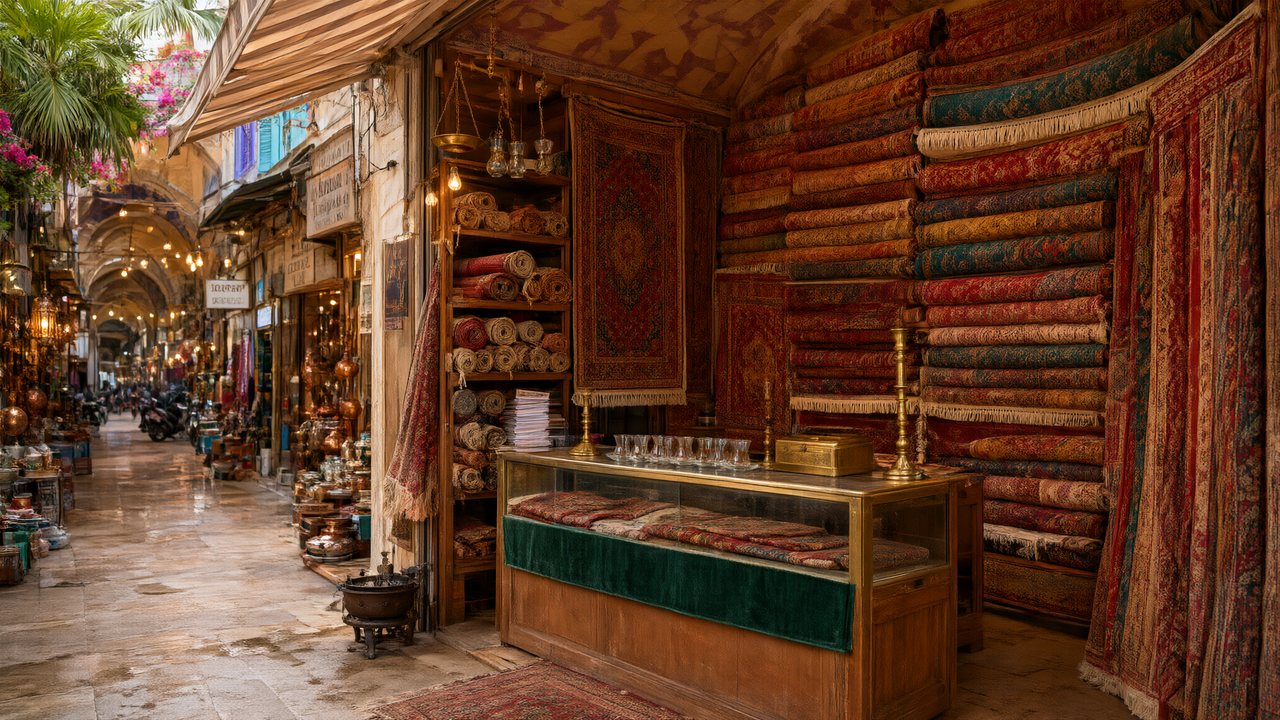 Die Istanbul-TäuschungDeutschNative dialogue
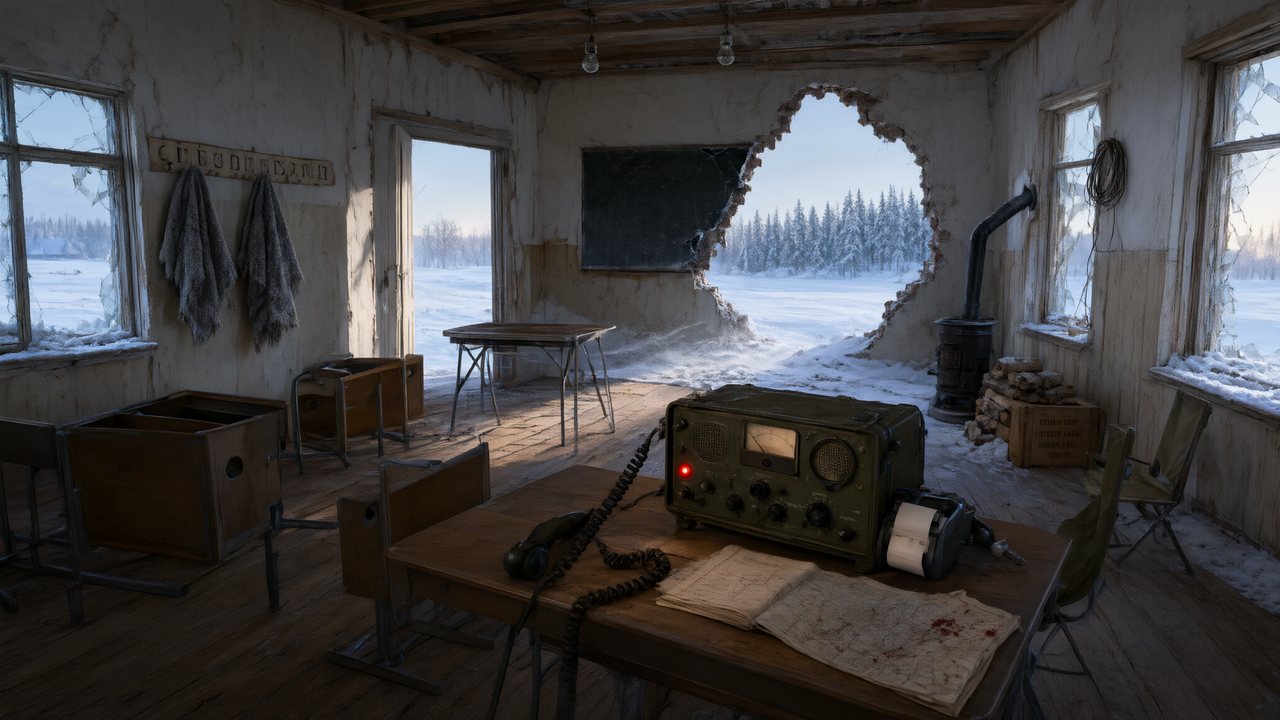 Останній сигналУкраїнськаNative dialogue
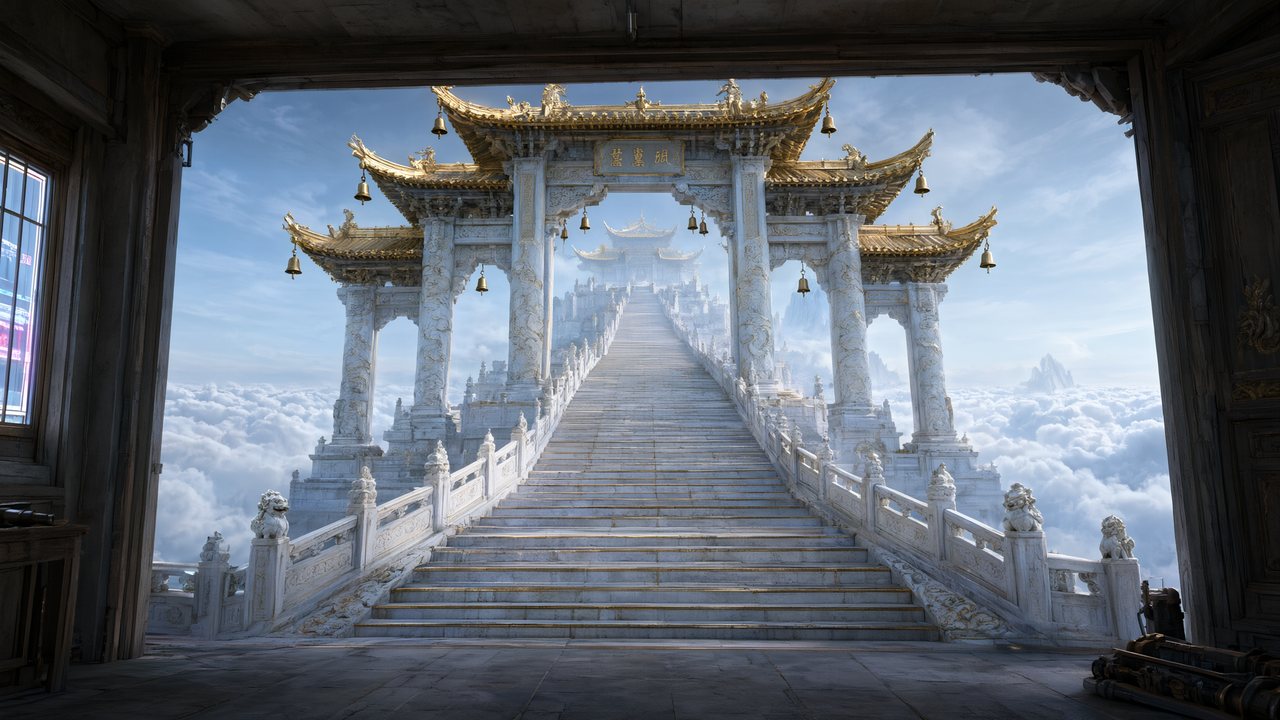 問劍青雲繁體中文Native dialogue
 The Last EnvelopeEnglishIn your language
Frequently asked questions
Is there a separate animation pipeline?
No — it is the same pipeline with the visual style axis set to a drawn medium. Script analysis, episode breakdown, reference art, shot lists and rendering all work identically.
How do I keep a stylised character on model across episodes?
The same way as a photographic one: the character is generated once as a reference sheet and that image is sent with every shot they are in, along with a couple of face-distinguishing notes. Shots refer to the character rather than re-describing their look.
Can I write my own style description?
Yes, on a paid tier. Write it in cause terms — medium, surface, line, palette discipline — rather than as praise; words like “masterpiece” and “8K” are vocabulary from an older generation of models and do nothing now.
Can I match a specific studio's look?
The presets describe mediums and techniques rather than studios, deliberately. Custom style text is yours to write, and what you put in it is your responsibility.
What about non-human characters?
A character explicitly marked as non-humanoid uses a different base prompt — real anatomy, four legs on the ground, no human hands or clothing — instead of being drawn as a person in a costume.
Pick the medium before you draw the cast
Style presets are free; the first fifteen reference images are too.
Try SceneMixer freeCredit packages from $1.49 · Pro $7.99/mo · No credit card to start
Pricing·Novel to Video·Guides·Samples·Support·Privacy·Terms·Legal·Contact·© 2026 SceneMixer