AI multi-character scenes
AI Multi-Character Scene Generator
Updated September 20, 2026

The hard part is who is in frame, not how many
Generated video has a specific failure with more than one person in a shot: it will put in a face that should not be there. Someone mentioned in the text — looked at, shouted to, thought about — arrives on screen, wearing a face invented on the spot, because nothing told the model the difference between “present” and “referred to”.
So the shot list states it per shot. Each shot carries an explicit list of which characters are in frame, and that list — not the prose, not the previous shot's ending state — is the only thing that decides whose reference art gets attached.
At a glance
| Who is in frame | A per-shot list. The union across a segment's shots decides which reference sheets are sent with it. |
|---|---|
| Who is off screen | Written as a direction — “towards frame left”, “eyeline to camera” — not as a name. No face is attached. |
| Single-person shots | Marked explicitly, so the renderer is told the frame holds one person and not to invent company. |
| Who is speaking | Named per line; everyone else in frame is marked lips closed, so only the speaker's mouth moves. |
| Background crowd | A declared state of the scene, written once in the segment header, or absent — never implied by ambient sound. |
| Practical ceiling | Four named people in one frame is the point past which quality falls off. The shot list works around it rather than through it. |
Why naming an off-screen character costs you the shot
This is measurable, not theoretical. Shots that named an off-screen antagonist produced the wrong face or an extra person in five out of eight renders. The same shots rewritten to give a direction instead of a name produced zero such failures in twelve renders. So the pipeline rewrites them: in a single-person shot, a character who exists only as an eyeline or a direction of movement is converted to a spatial phrase and removed from the frame list.
The same logic covers the dead: a character referred to only as a body in this segment is written as a plain noun, not as a character reference, so nobody attaches their reference sheet and stands them up.
Two people facing each other
There are exactly two ways to shoot it and the list is required to pick one: a profile two-shot, or an over-the-shoulder. What it may not write is “A facing B, with B behind in the background, out of focus” — for B to be in A’s depth of field, A has to have their back to B, and that camera position does not exist in a normal medium shot. Asked for it anyway, the renderer puts one person face-on to camera and the other standing behind them. The axis is set in the first shot where both are actually in frame together.
Crowds are declared or absent
A room of three hundred guests is a visible state of the scene, so it is written as one — a line in the segment header saying who the background people are, where, and what they are doing. Consistent across every segment in that scene. Without that line the shot may not refer to a crowd at all, because “murmur of guests” in the ambient audio is not a visual instruction, and a renderer told only that will give you guests in one shot and an empty hall in the next.
When a crowd is declared, the frame instruction changes with it: the crowd stays in the depth of field, and the in-frame list still counts only named characters.
What it will not do
- Put eight named characters in one shot reliably. Past four, identity degrades. Ensemble scenes are covered in singles and over-the-shoulders — the way they are shot on real sets.
- Keep a character whose in-frame flag is missing. If the model forgot to list someone who should be visible, they are left out rather than guessed in. Missing a person is recoverable; a stranger's face in your drama is not.
- Choreograph continuous group action. Crowds moving in formation, sustained multi-party fights — those are outside what current models hold together.
- Read a crowd out of sound design. Declared or absent; nothing in between.
What it costs
Nothing extra — these are properties of the shot list, which is billed by script length at 1 credit per hundred characters of the episode's share. Reference sheets are 7 credits each beyond the 15 free ones in your first project, and rendering starts at 10 credits per second of output. See character consistency for how faces stay the same across shots, and the pricing page for rates.
Languages
Native dialogue in 15 languages
Every series below was produced by the same pipeline with the cast speaking that language natively: the interface, the working documents and the spoken lines are all in one language, and nothing is dubbed. Open one to hear it.
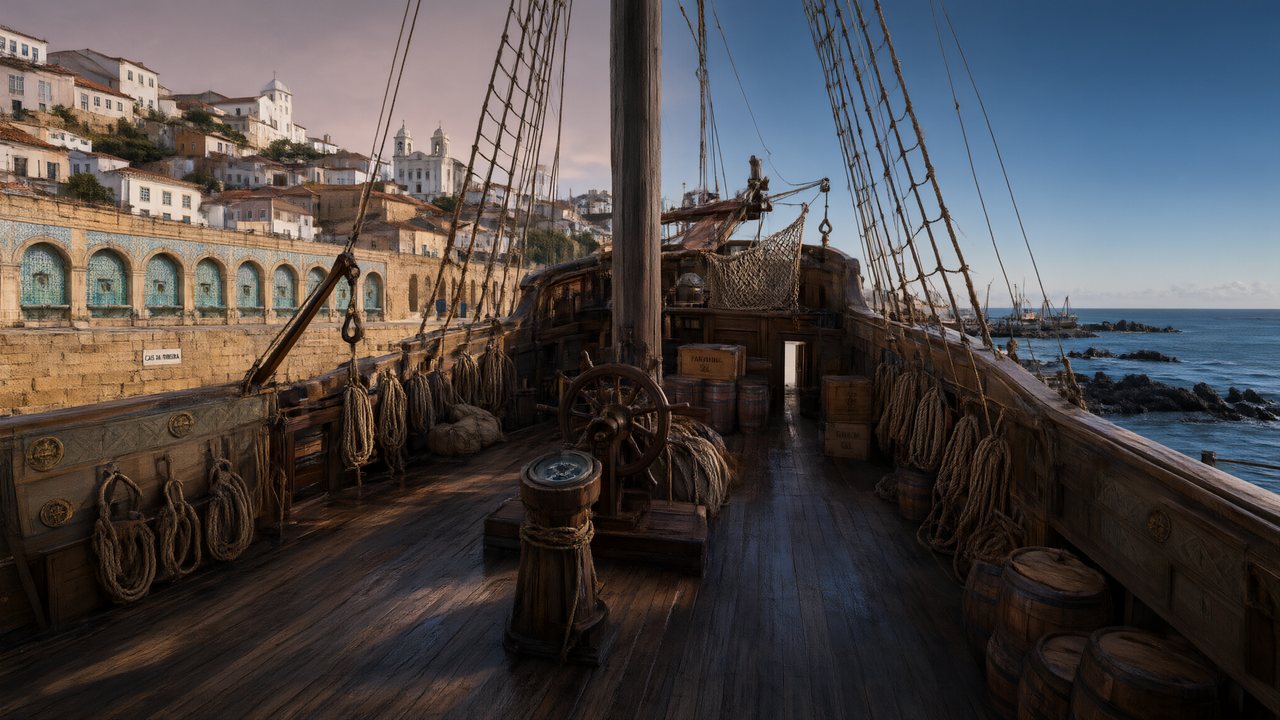 A Carta de LisboaPortuguêsNative dialogue
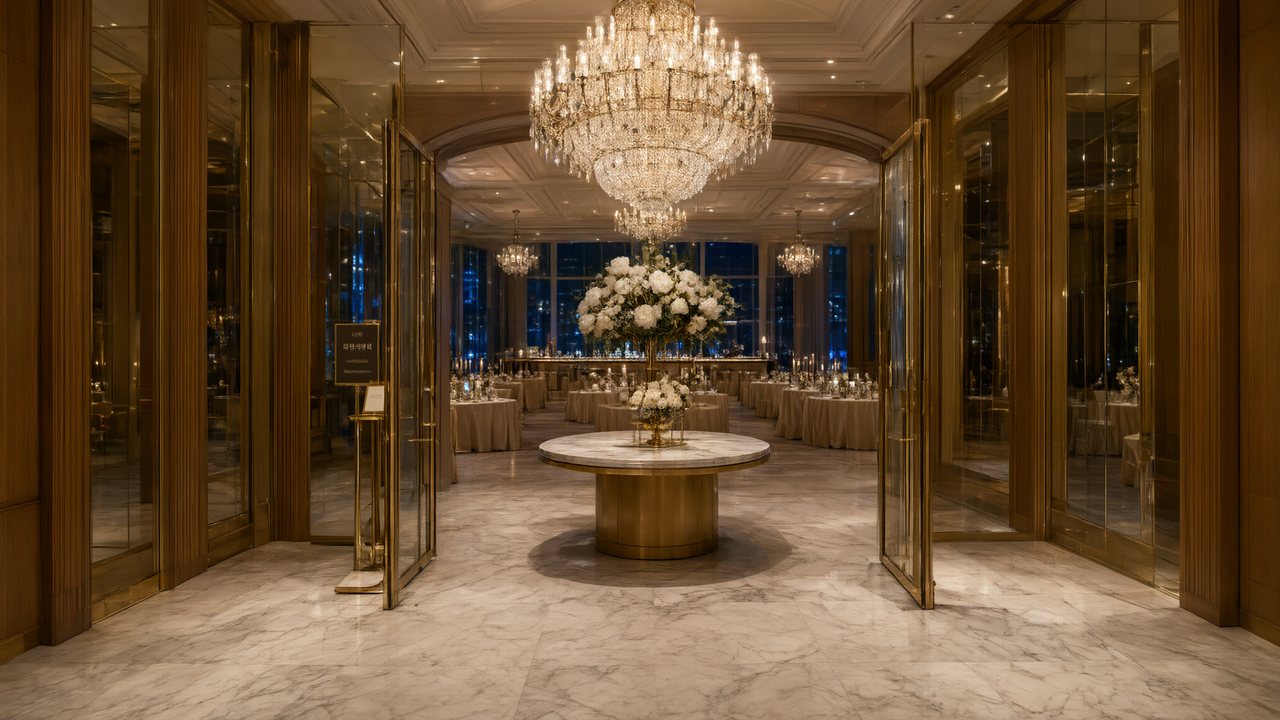 윈터 프라미스한국어Native dialogue
 El Secreto de CostaEspañolNative dialogue
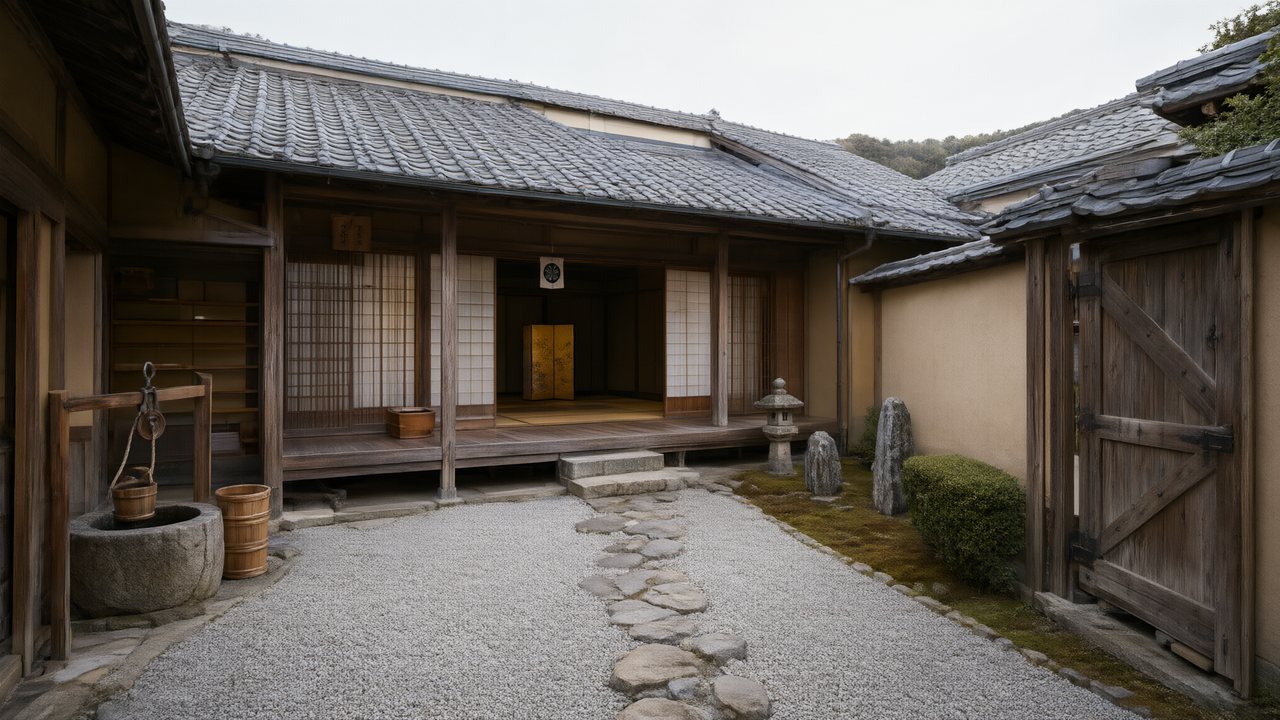 浪人の誓い日本語Native dialogue
 Ikrar JakartaBahasa IndonesiaNative dialogue
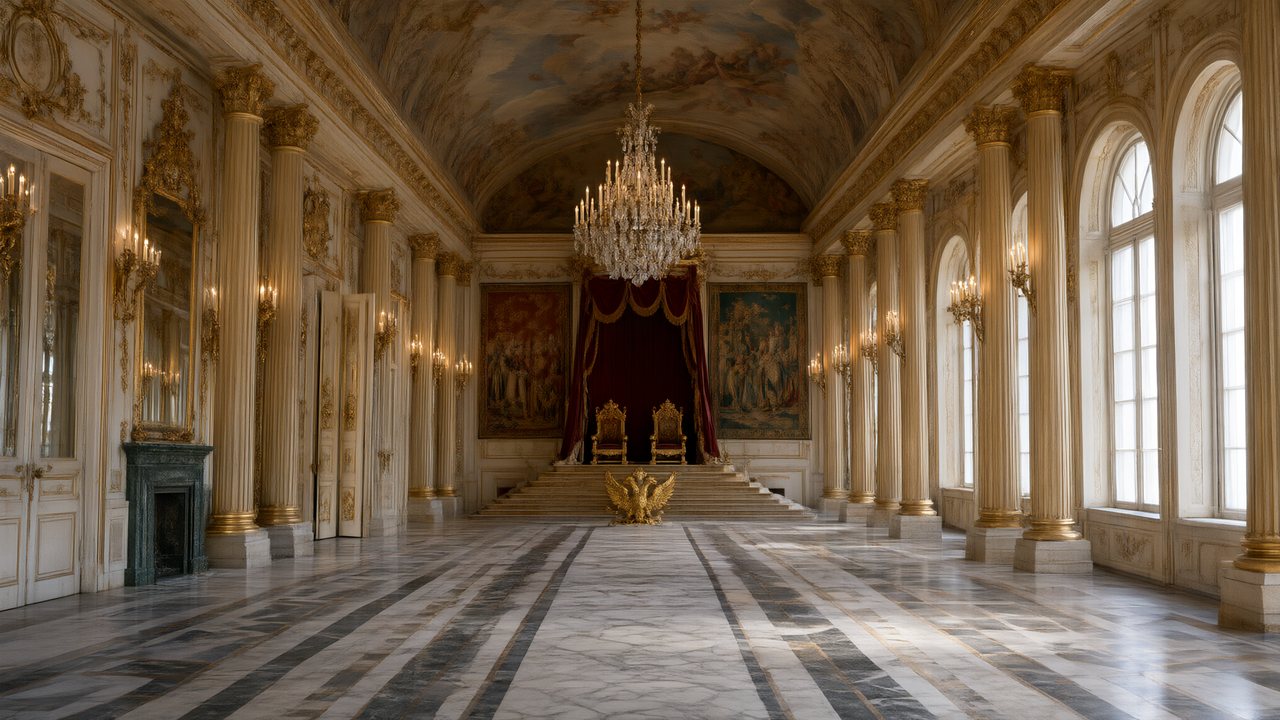 Зимняя коронаРусскийNative dialogue
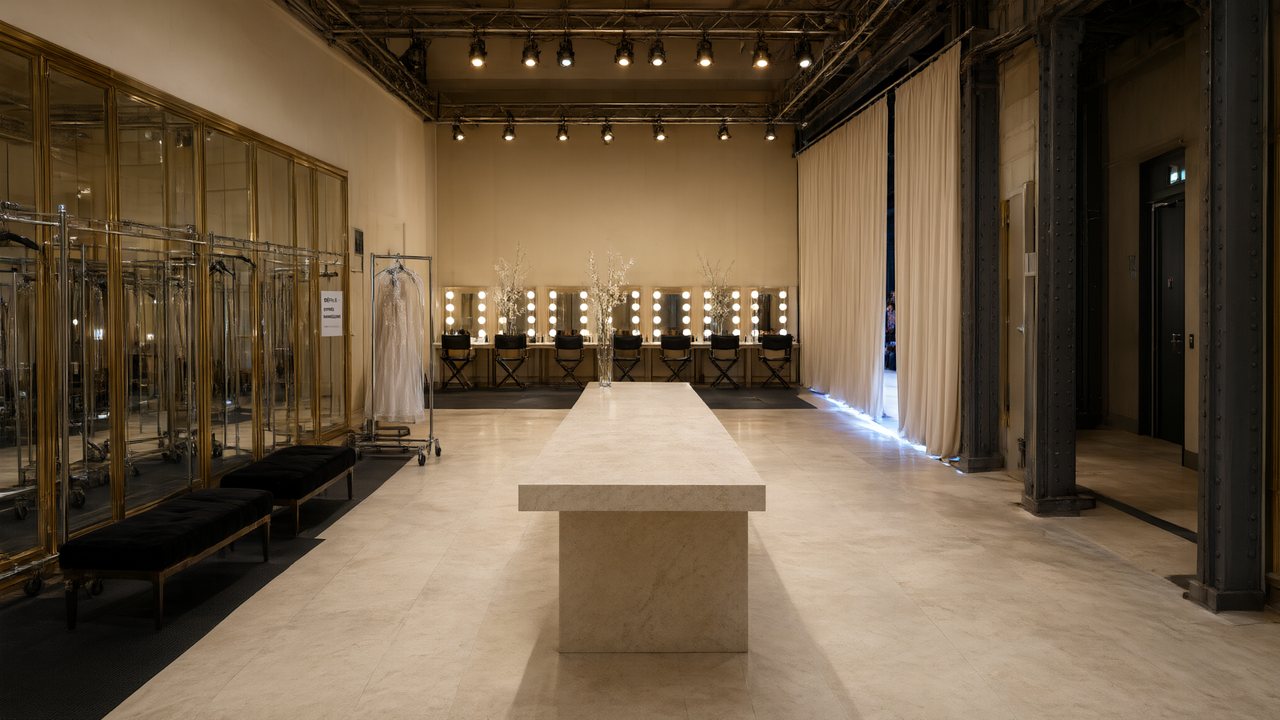 L’Héritier du DéfiléFrançaisNative dialogue
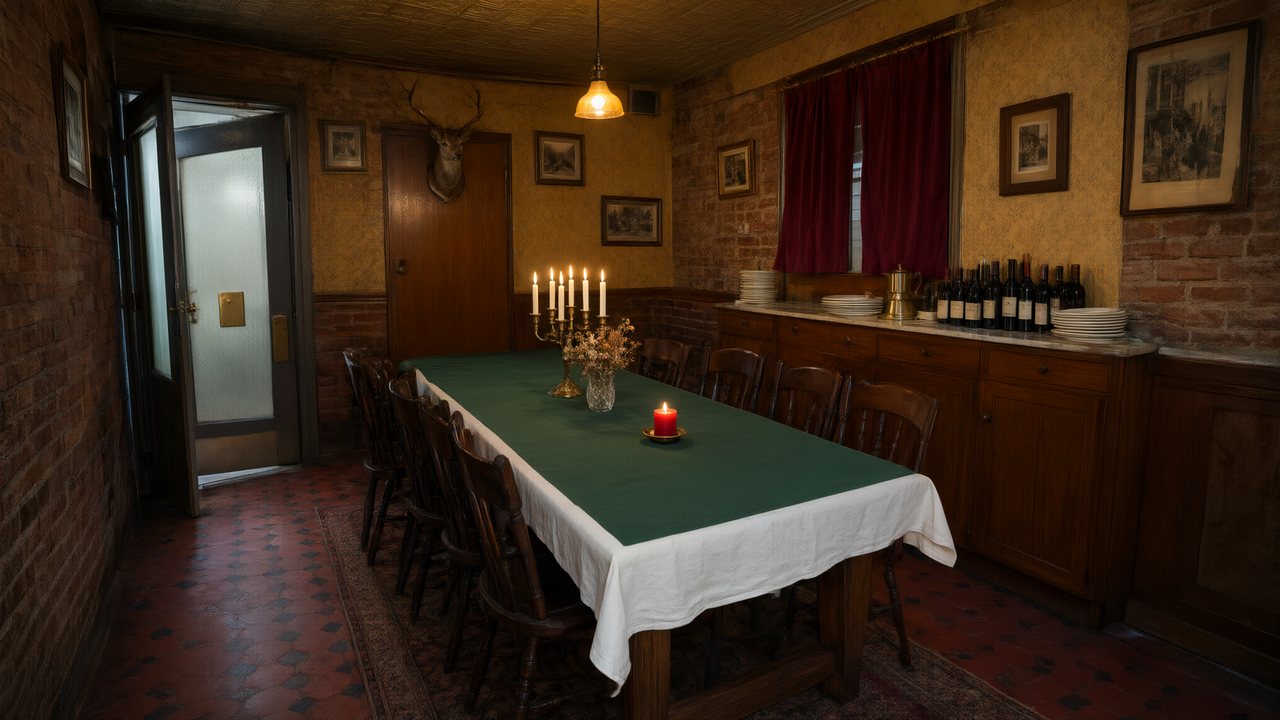 Il Tavolo dell'OlivaItalianoNative dialogue
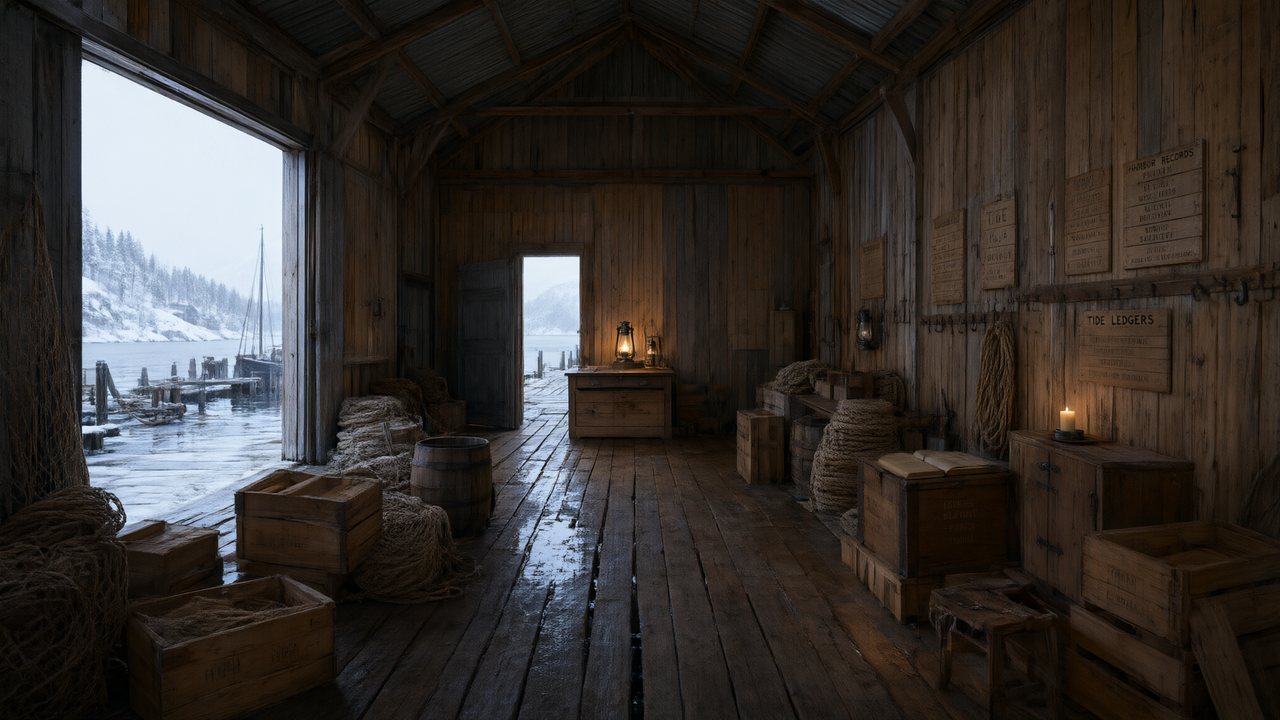 De Vuurtoren van de FjordNederlandsNative dialogue
 العهد الصحراويالعربيةNative dialogue
 Çantasındaki SözleşmeTürkçeNative dialogue
 Die Istanbul-TäuschungDeutschNative dialogue
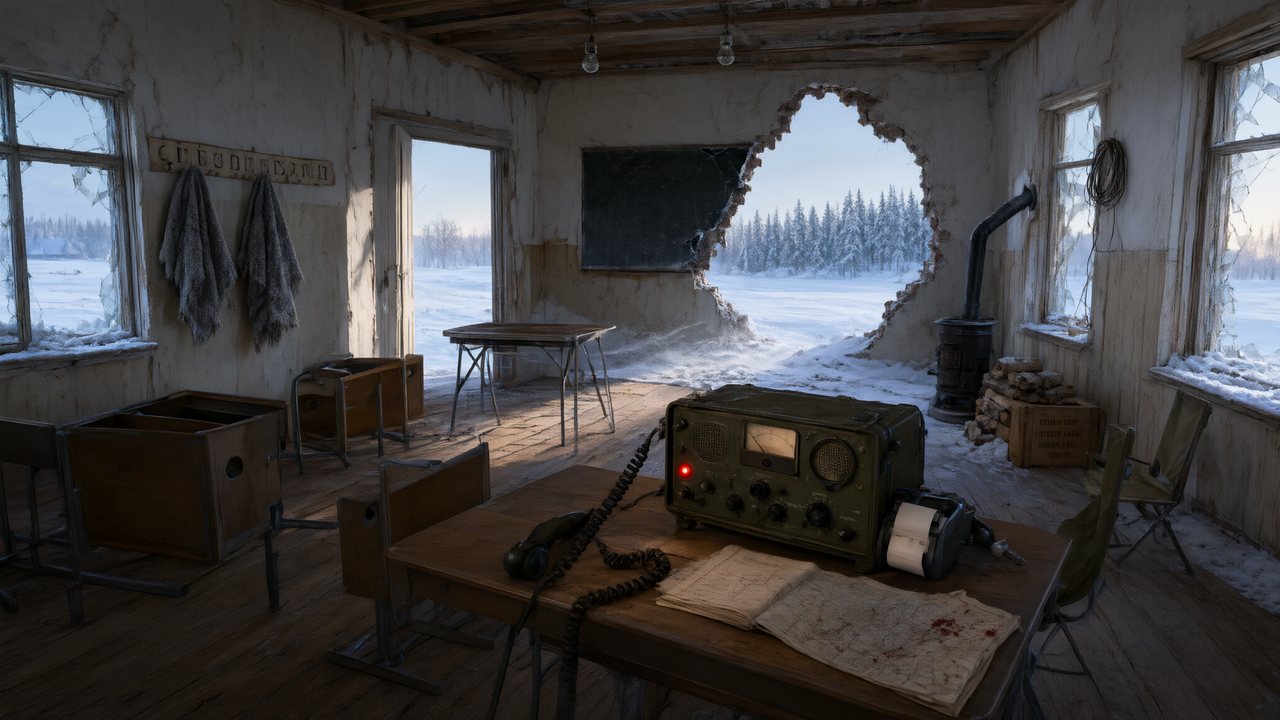 Останній сигналУкраїнськаNative dialogue
 問劍青雲繁體中文Native dialogue
 The Last EnvelopeEnglishIn your language
Frequently asked questions
How many characters can share a shot?
Four named people is the practical ceiling before identity starts to degrade, and the shot list is built to stay under it — ensemble scenes are covered in singles and over-the-shoulder shots rather than wide group frames.
Why did a character I mentioned show up on screen?
That is exactly the failure the per-shot frame list prevents. A character who is only looked at or spoken to is written as a direction, not a name, and is not in the frame list — so no reference art is attached and no face is invented.
Can two characters talk face to face?
Yes, as a profile two-shot or an over-the-shoulder. What does not work is one facing the other with the other blurred in the background: that combination of framing and depth is physically inconsistent, and asking for it produces a person standing behind someone talking to camera.
How do background extras work?
They are declared once in the segment header — who they are, where, what they are doing — and stay consistent across that scene. If nothing is declared, the shot does not reference a crowd. Ambient crowd noise alone is not treated as a visual instruction.
Who moves their mouth?
Only the named speaker of each line. Everyone else in frame is explicitly marked with their lips closed, which is what stops a listener from silently mouthing along with the dialogue.
Nobody in the frame you did not cast
Generate one crowded scene and count the faces.
Try SceneMixer freeCredit packages from $1.49 · Pro $7.99/mo · No credit card to start
Pricing·Novel to Video·Guides·Samples·Support·Privacy·Terms·Legal·Contact·© 2026 SceneMixer