The End Card
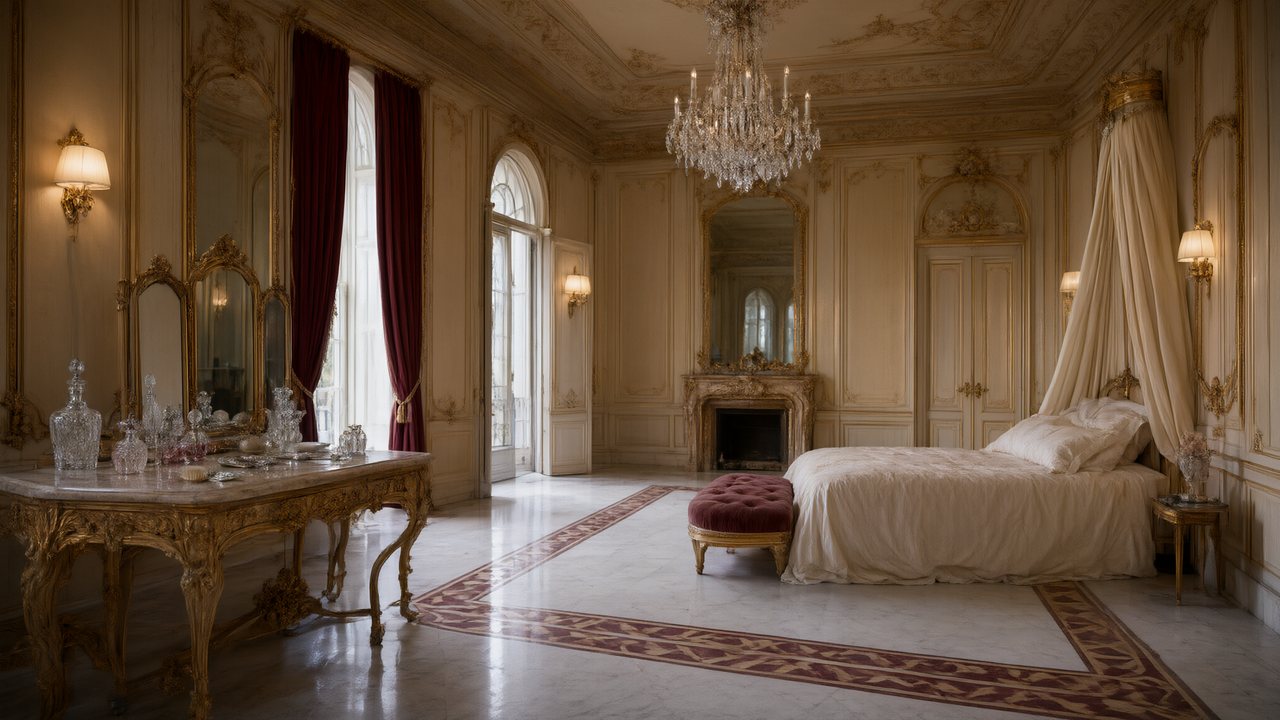
The whole ad flow ends on this card.
What is on it
The main image — the first photo you added, cleaned up — and up to four lines: Brand (the name read off your signage or package, or what you typed), Product name (the name from the reading dialog), Tagline (one line to remember it by), Call to action (Shop now, Book a table, Download the app). The colours follow the ad vibe. If brand and product name are the same words — a shop whose sign is its name — only one line is printed.
Where the lines come from
The brand is read from the photo when a name is printed on a shopfront, a package or a car, copied letter for letter. The product name comes from the reading, corrected by you in the dialog. The tagline and call to action are written with the ad script, and the tagline is spoken in the ad before the final freeze so the card repeats what was just heard.
Editing
On the progress page of a finished ad, Edit end card opens the four fields. Change what you like, leave what you like blank, then Assemble: the final cut is rebuilt with the new card, without reshooting. In expert mode the same fields appear when you assemble from the editor. The hint says it: changing them after assembling means assembling again.
Length limits
Each field has a limit that depends on the language: shorter in languages counted by character (Chinese, Japanese, Korean), longer in languages counted by word. The field stops you at the limit and the preview shows how the line fits. A tagline that does not fit is better cut than squeezed.
Language
The card is in the ad’s dialogue language, the one shown as Dialogue & end card in the composer. A few scripts cannot be drawn on the card yet; the composer warns that such a line will be left out or shown in English. Language in the two modes.
Why the card matters
Video models do not write legible text, and ads are made without on-screen text for that reason. The shop sign in your photo is read, but it is not something the shots can reproduce. The end card is the one place the name, the tagline and the call to action are delivered as readable text — treat it as the line that closes the deal. Signs and photos.
| Line | Comes from | Editable | Blank allowed |
|---|---|---|---|
| Brand | Signage or package in the photo, or your brief | Yes | Yes |
| Product name | The reading dialog | Yes | Yes |
| Tagline | Written with the script; spoken in the ad | Yes | Yes |
| Call to action | Written with the script | Yes | Yes |
FAQ
Can I change the end card after the ad is done?
Yes. Edit end card, then Assemble. The cut is rebuilt; nothing is reshot.
Why is only one line printed for my shop?
When the brand and the product name are the same words, one line is printed instead of two.
Why did my long tagline get cut?
Each line has a length limit that depends on the language. Shorten it; the preview shows the fit.
Which language is the end card in?
The ad's dialogue language. Some scripts cannot be drawn yet and fall back to English or are left out; the composer warns you.
Can the shop name appear in the shots?
Not reliably; generated video does not write legible text. The end card is where the name is delivered.
Write the line that closes it
A name, a tagline, a call to action. Edit the card and assemble.
Updated September 26, 2026
Pricing·Novel to Video·Guides·Samples·Support·Privacy·Terms·Legal·Contact·© 2026 SceneMixer