AI ad video generator
AI Ad Video Generator
Updated September 20, 2026

At a glance
| You upload | Up to four photos of the same subject — a product, a dish, a garment, a car, a storefront or a property, or a screenshot of your app or site. Different angles and details of one thing, not four different things. |
|---|---|
| You type | Optional. A sentence about what you are selling helps, and when the photo and the sentence disagree, the sentence wins. |
| Length | 15, 30 or 60 seconds — one, two or four generated segments. |
| Frame and resolution | 16:9 or 9:16; 480P, 720P or 1080P. |
| Tone | Eight recipes: Epic, Funny, Warm, Minimal, Twist, Mouth-watering close-ups, Show how it works, A day in the life. |
| It writes | A creative script with two to four spoken lines, a cast, locations, a storyboard, the generated video and an end card carrying your brand, product name, tagline and call to action. |
| Sound | Speech, ambience and music are generated together with the picture. No library track is mixed in afterwards. |
| Price | One quoted figure before you start, and it is a ceiling — you are charged for the stages that actually ran, never more than the quote. |
It reads the photo before you write a word
Press the button with nothing typed and the first thing that happens is free: the photo is read, and you are told what came back — whether the subject is recognisable at all, what category it falls into, a product name, a description, the selling points worth filming, a suggested tone, and any brand name legible on the packaging or the signage, transcribed exactly as printed rather than guessed at. If the read fails, you find out there and then, at no cost, with a button to swap the photo.
Two things that read decides, and they are the only reasons the category matters at all:
- Whether the subject is redrawn. A bottle or a jar is worth re-rendering as a clean studio still. A shop front, a car or a house is not: cut it out on white and the signage, the depth and the sense of scale all go with it, so those photos are used as they are.
- Whether the product is a prop or a place. If you are advertising a venue, every scene has to happen inside it — otherwise the model quietly invents a different room and shoots the ad there.
Photographs of shops and restaurants almost always have customers and staff in them. Rather than refusing them, the pipeline removes the people first and keeps the signage, the fittings and the light — because a video model handed a reference image copies the faces in it almost literally, and those are not faces you have permission to put in an ad. Screenshots are the one case that is turned away: editing a screenshot blurs the interface.
Two ways to run it
| Leave it to the AI | One quoted price covers the whole run — cleanup, script, cast, storyboard, video and the finished cut. A progress page shows each stage, and you can cancel before the video stage starts. This is the default. |
|---|---|
| Take the wheel | You pay for the cleanup and the written script, then land in the normal editor with the ad already set up: rewrite the script, re-cast, edit any shot, regenerate a single segment and composite when you are happy. Every later step is billed like ordinary generation. |
Underneath, an ad is an ordinary SceneMixer project with the content type set to advertising — the same script analysis, the same reference art, the same shot list, the same per-segment rendering described on the short drama page. What is specific to ads is the creative brief, the shorter structure, the end card and the compliance filter.
The music is generated with the picture, not mixed on afterwards
The video model used for ad segments produces sound and image in one pass, so it has already given you dialogue, room tone and, very often, a score that fits what is on screen. Laying a stock track over that gives you two pieces of music arguing. Instead, the brief carries a written description of the music — instrumentation, tempo, rhythm, where it should build — and the same description goes to every segment of the same ad, because each segment is an independent generation with no memory of the others. Matching descriptions are the only thing holding the score together across a cut.
The end card is silent by design, with the body audio fading into it. Only three things get added after generation: the end card, a loudness pass, and the AIGC badge.
What it will not do
- Make absolute claims. Superlatives and regulated phrasing — best in the world, number one in sales, state-approved, guaranteed returns — are stripped from the script automatically before anything is filmed, and from the tagline and end card separately. It is a filter on wording, not legal advice: the claims you make are yours.
- Put readable text in the frame. Video models cannot render reliable lettering, so the ad is written without on-screen text and your brand name is delivered where it will actually be legible — the end card. If a shop sign happens to appear in shot, treat whatever it says as decoration.
- Use a real person. People in your photos are removed rather than reproduced, and the cast is generated. There is no face swap and no voice cloning here.
- Edit footage you shot. Everything is generated from the storyboard. Uploads are references, not source clips.
- Run long. 60 seconds is the ceiling, built from four 15-second segments.
What it costs
You see a single figure before you commit, and it is computed from the same rates the rest of the platform bills against: reading the photo is free, the cleanup or redraw is one image, the script is one model call, reference art is billed per image with 15 free per account and 7 credits each after that, video is 10 credits per second of output on the 480P tier (≈ $0.06/s at the lowest credit price) and more on the sharper ones, and assembly is 1 credit per second. The quote is a ceiling rather than a deposit: stages are charged as they run, and a 15-second spot that needed fewer reference images than the estimate allowed for simply costs less. If a stage fails, the run stops there rather than spending the rest of the quote, and you can retry that stage without repeating the ones before it. New accounts start with 50 credits; packages start at $1.49. The pricing page has the underlying table.
Ads in fifteen languages
The spoken lines, the end card and the casting all follow your interface language, and the market moves with it — names, faces and streets adapt to where the ad is meant to run. It is the same dialogue engine the series below were produced with, one per language.
Languages
Native dialogue in 15 languages
Every series below was produced by the same pipeline with the cast speaking that language natively: the interface, the working documents and the spoken lines are all in one language, and nothing is dubbed. Open one to hear it.
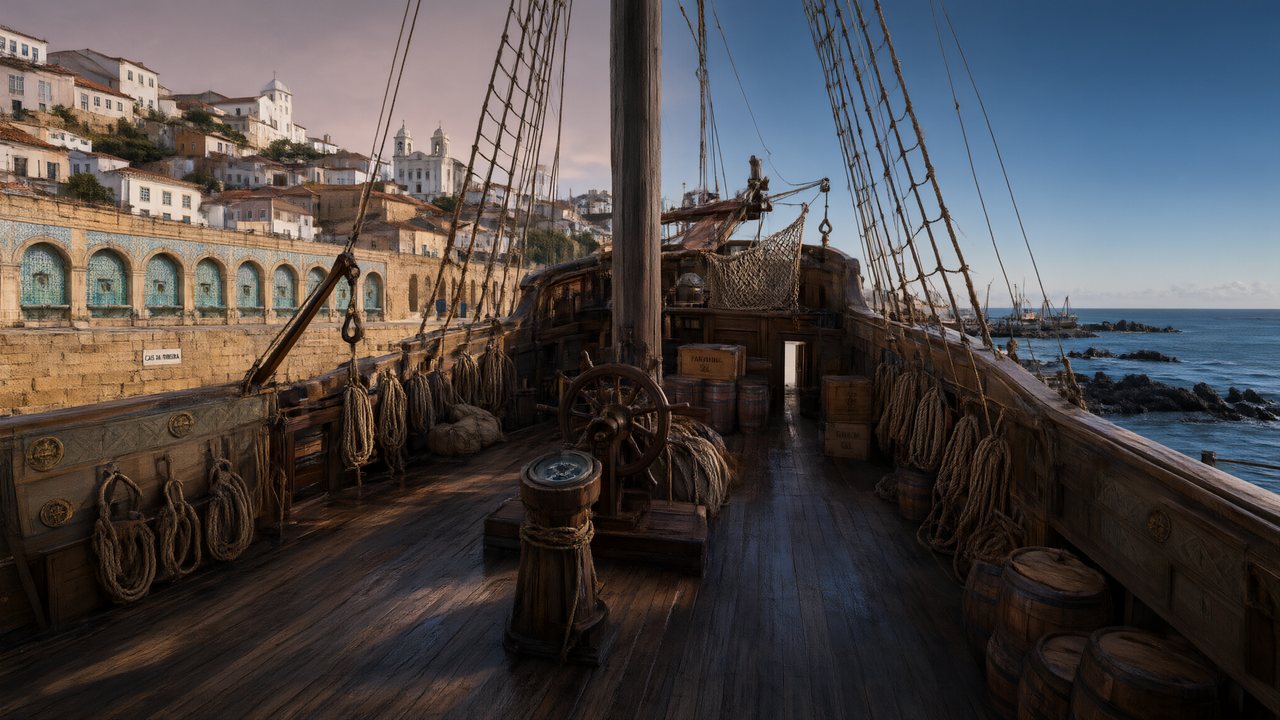 A Carta de LisboaPortuguêsNative dialogue
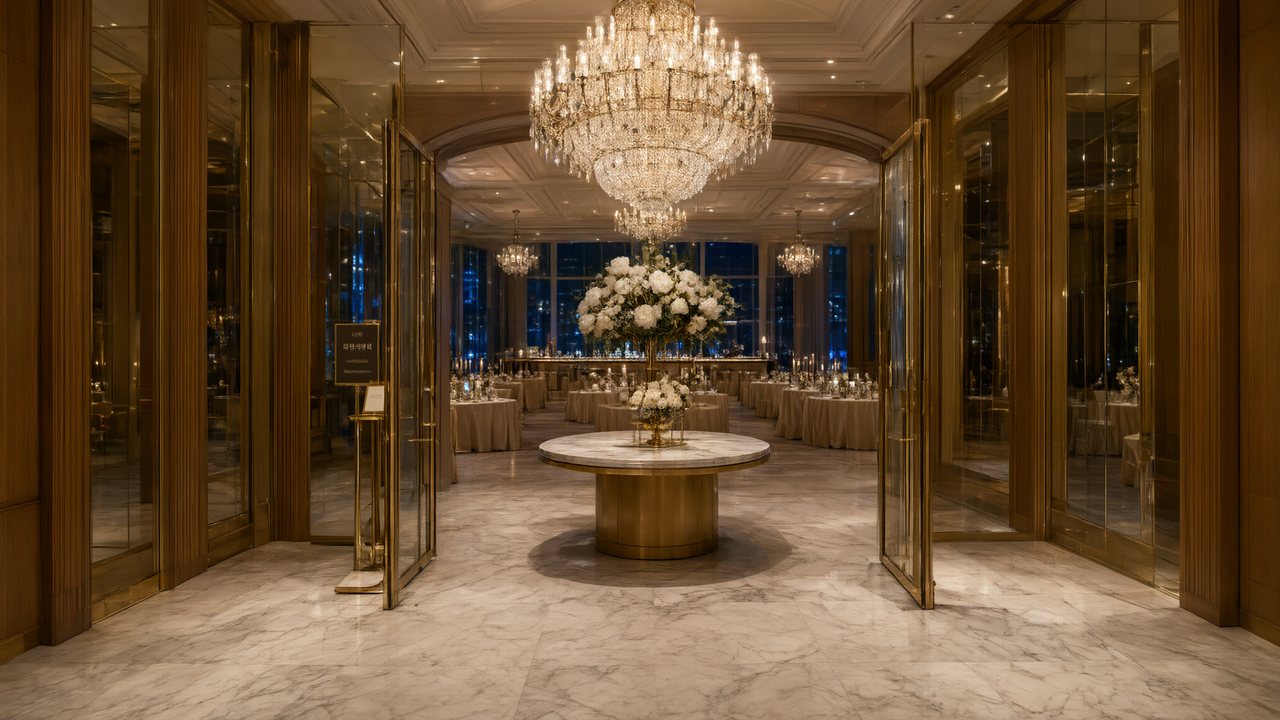 윈터 프라미스한국어Native dialogue
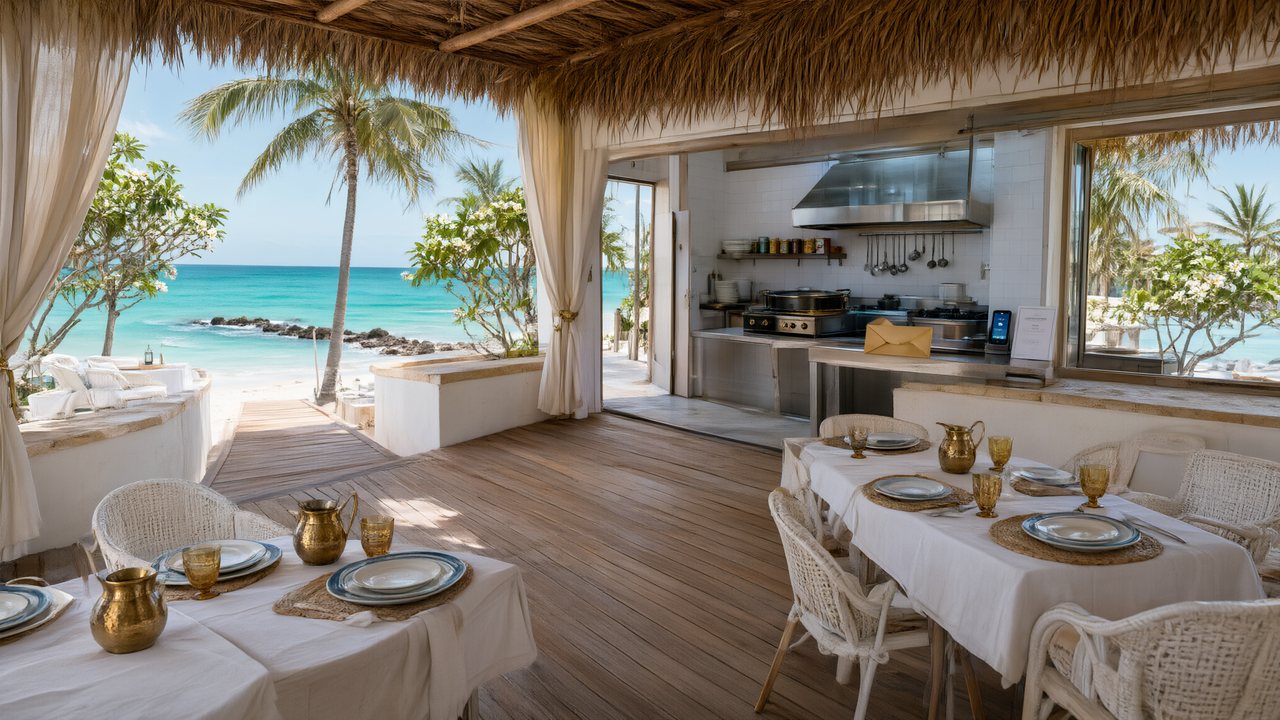 El Secreto de CostaEspañolNative dialogue
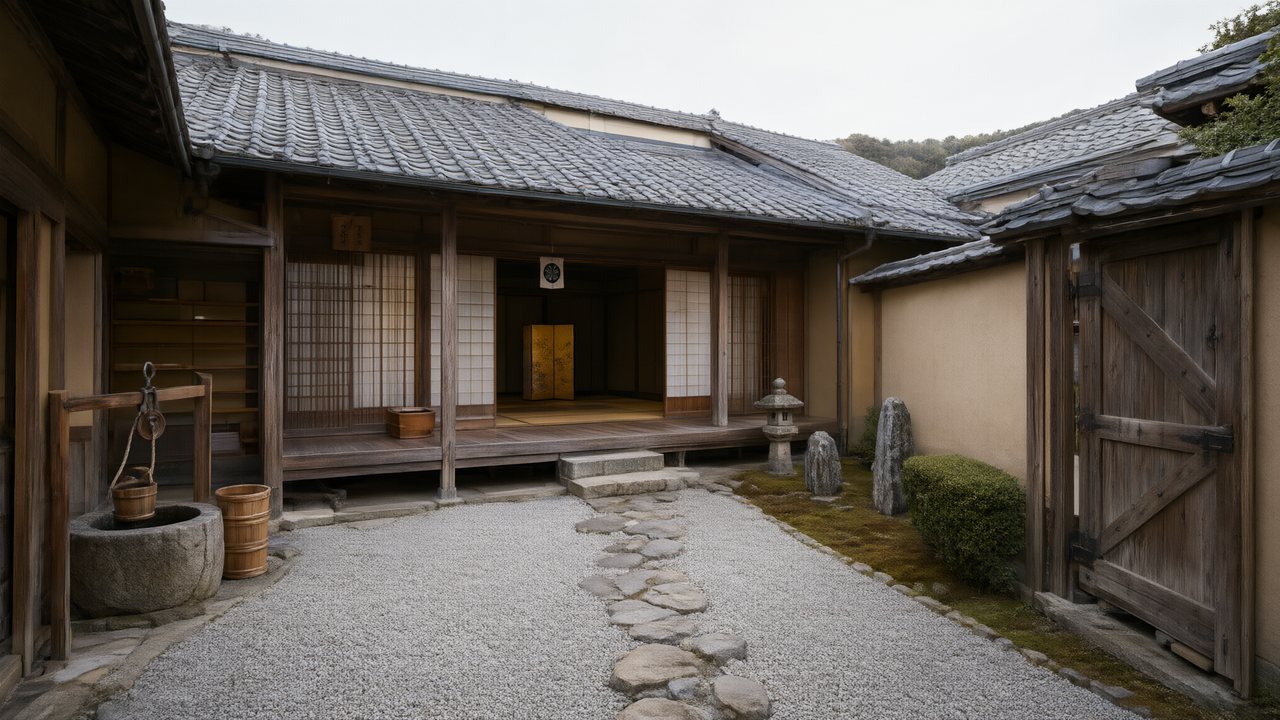 浪人の誓い日本語Native dialogue
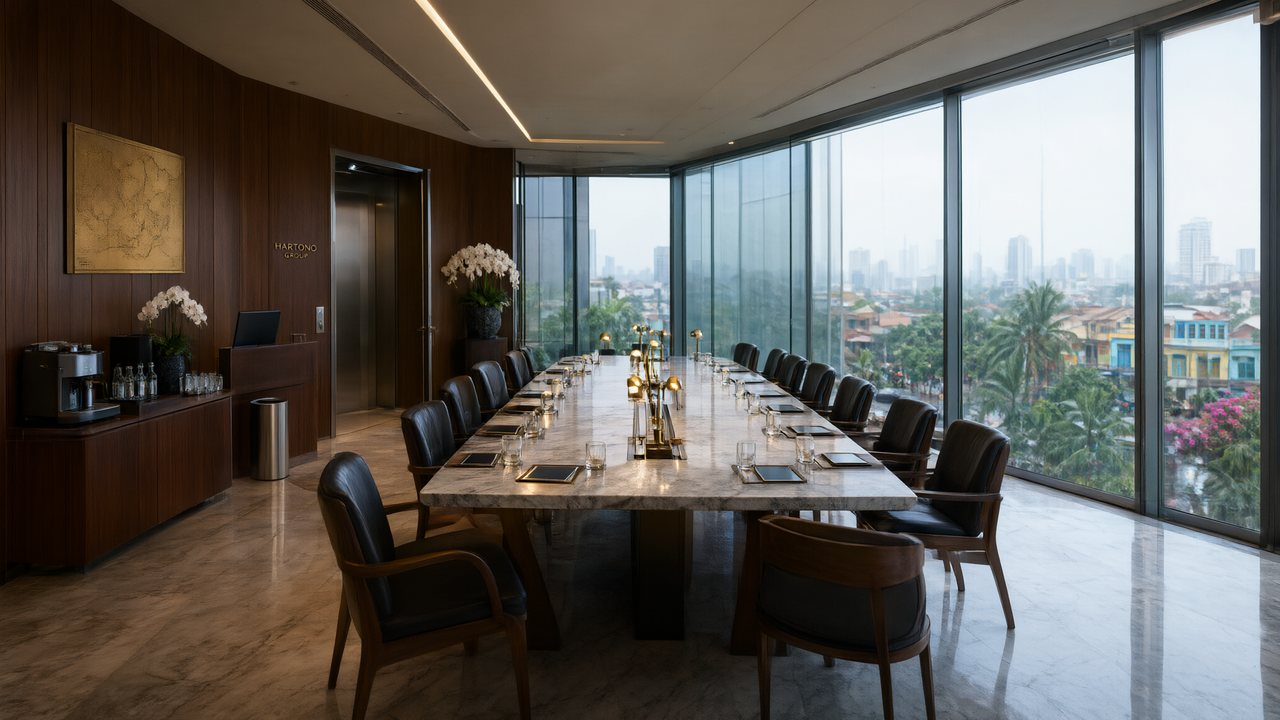 Ikrar JakartaBahasa IndonesiaNative dialogue
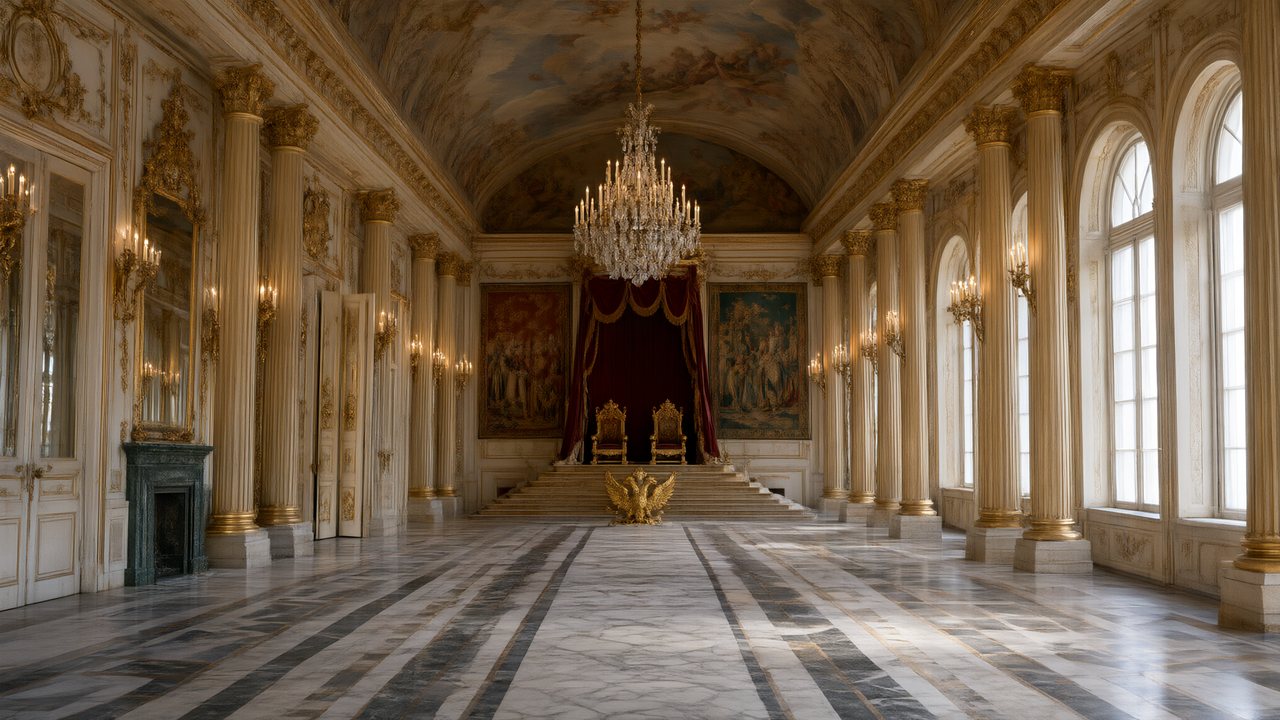 Зимняя коронаРусскийNative dialogue
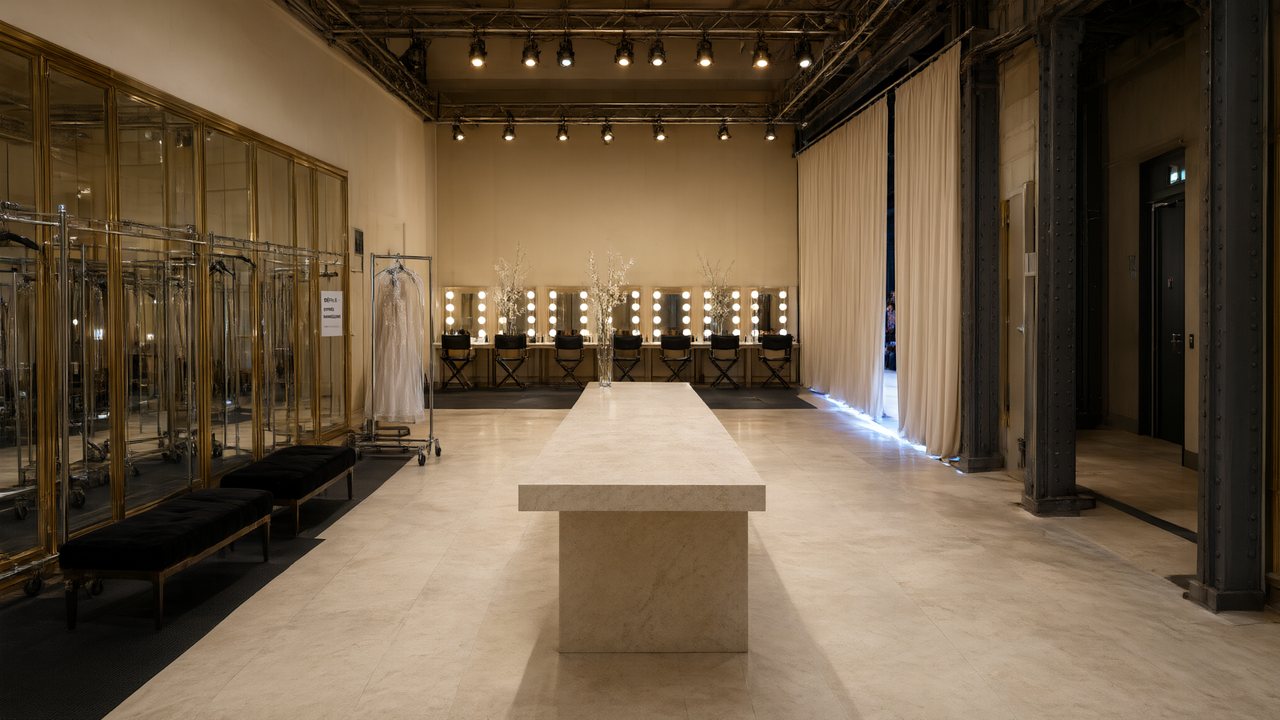 L’Héritier du DéfiléFrançaisNative dialogue
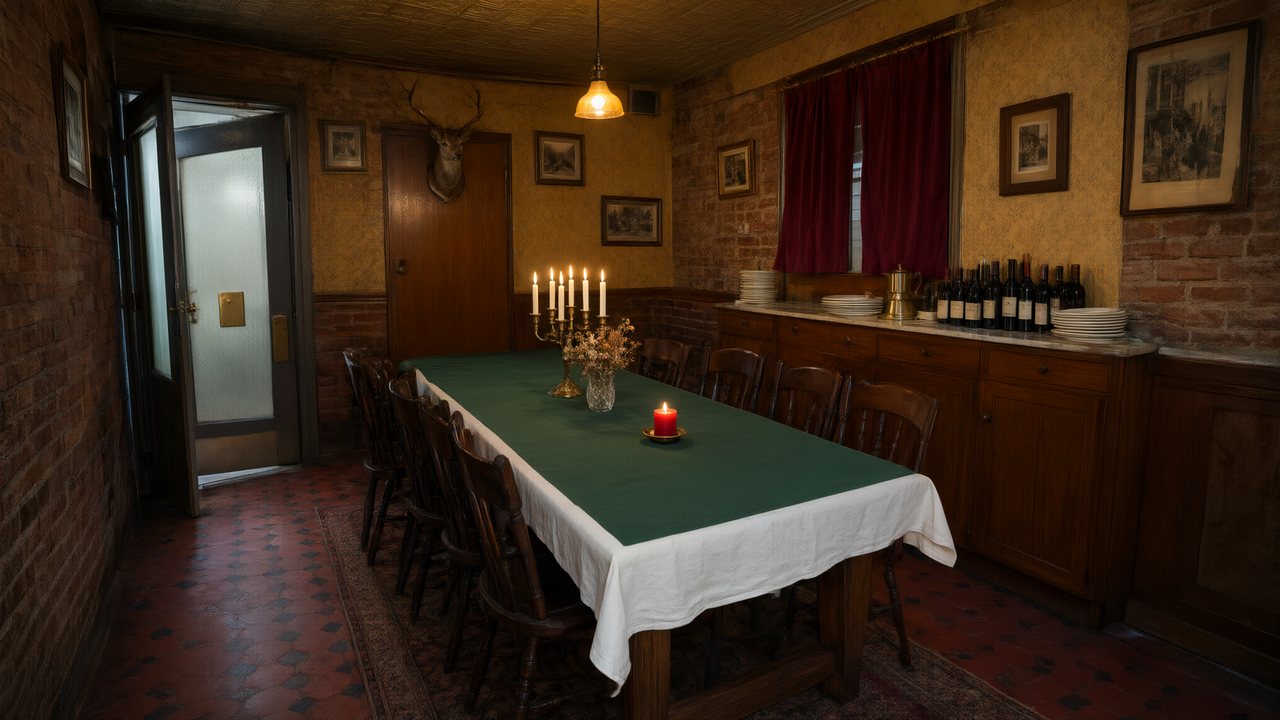 Il Tavolo dell'OlivaItalianoNative dialogue
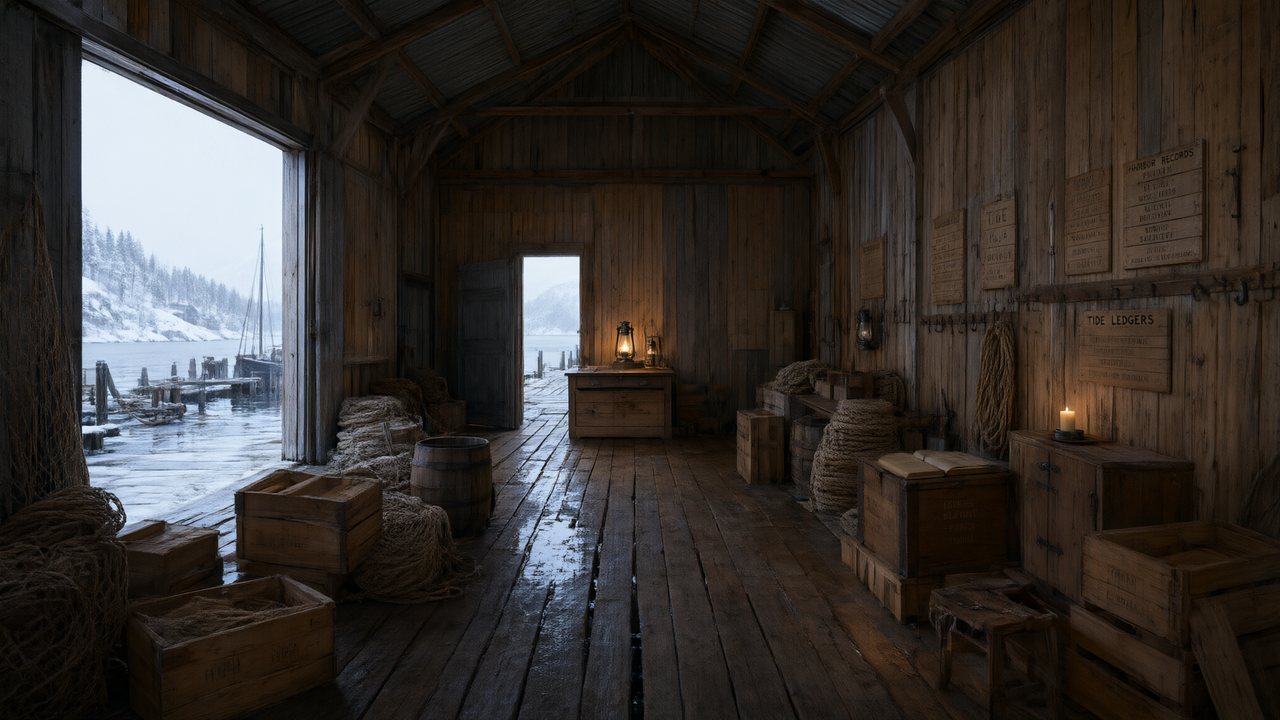 De Vuurtoren van de FjordNederlandsNative dialogue
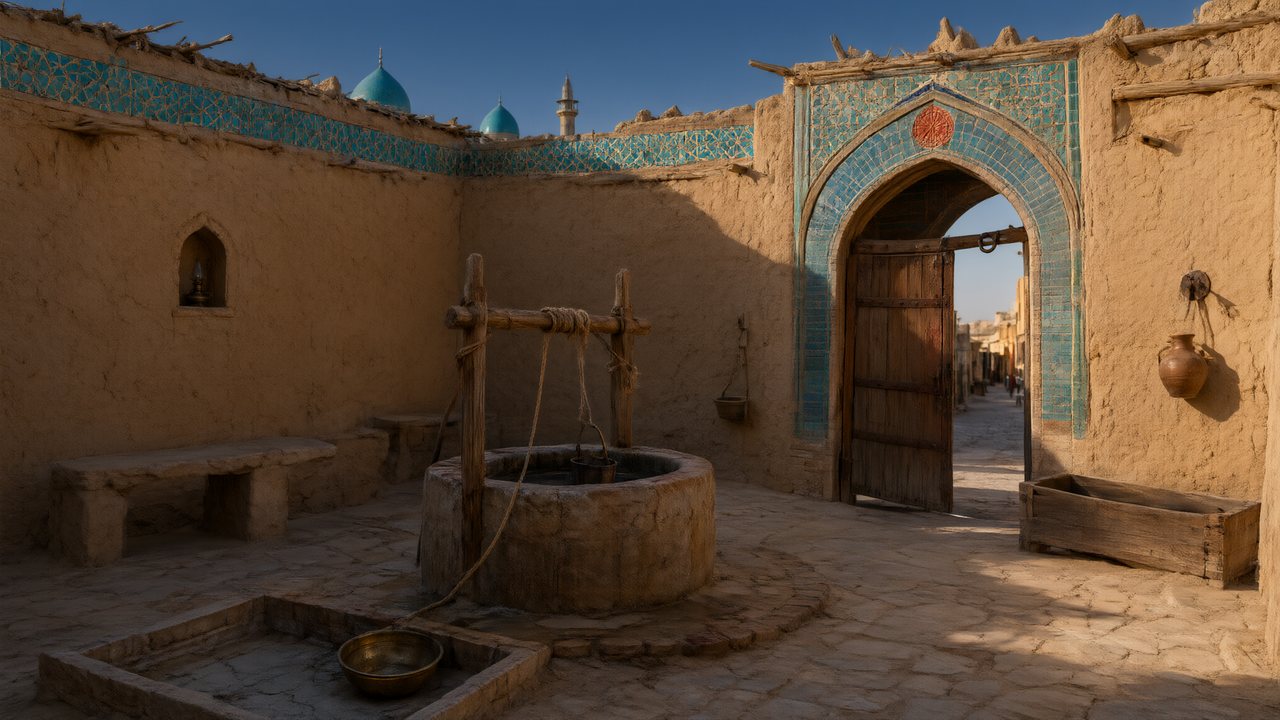 العهد الصحراويالعربيةNative dialogue
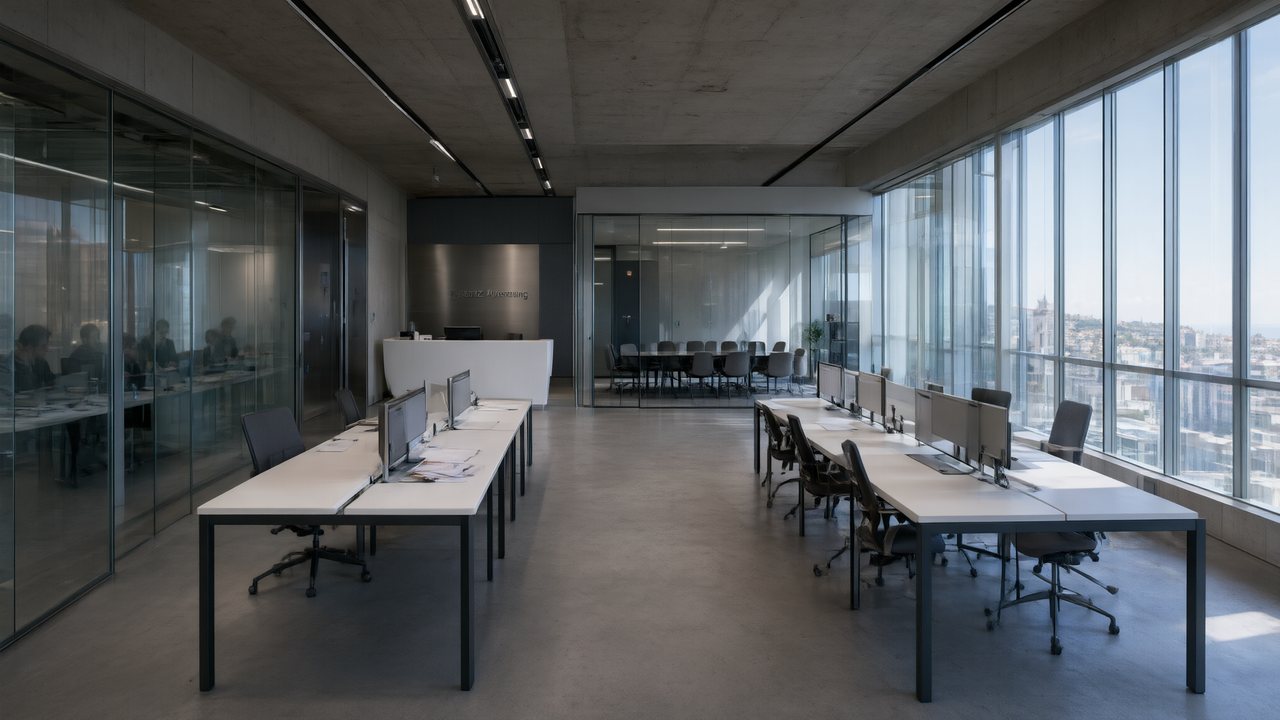 Çantasındaki SözleşmeTürkçeNative dialogue
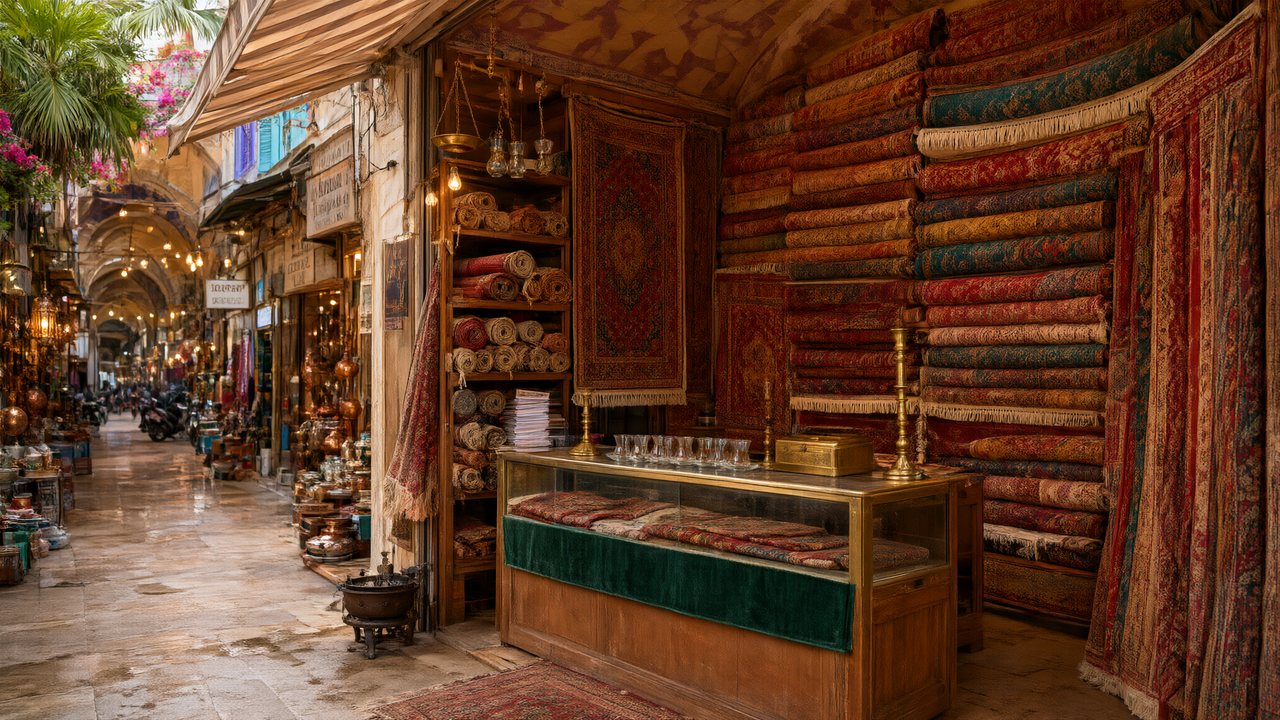 Die Istanbul-TäuschungDeutschNative dialogue
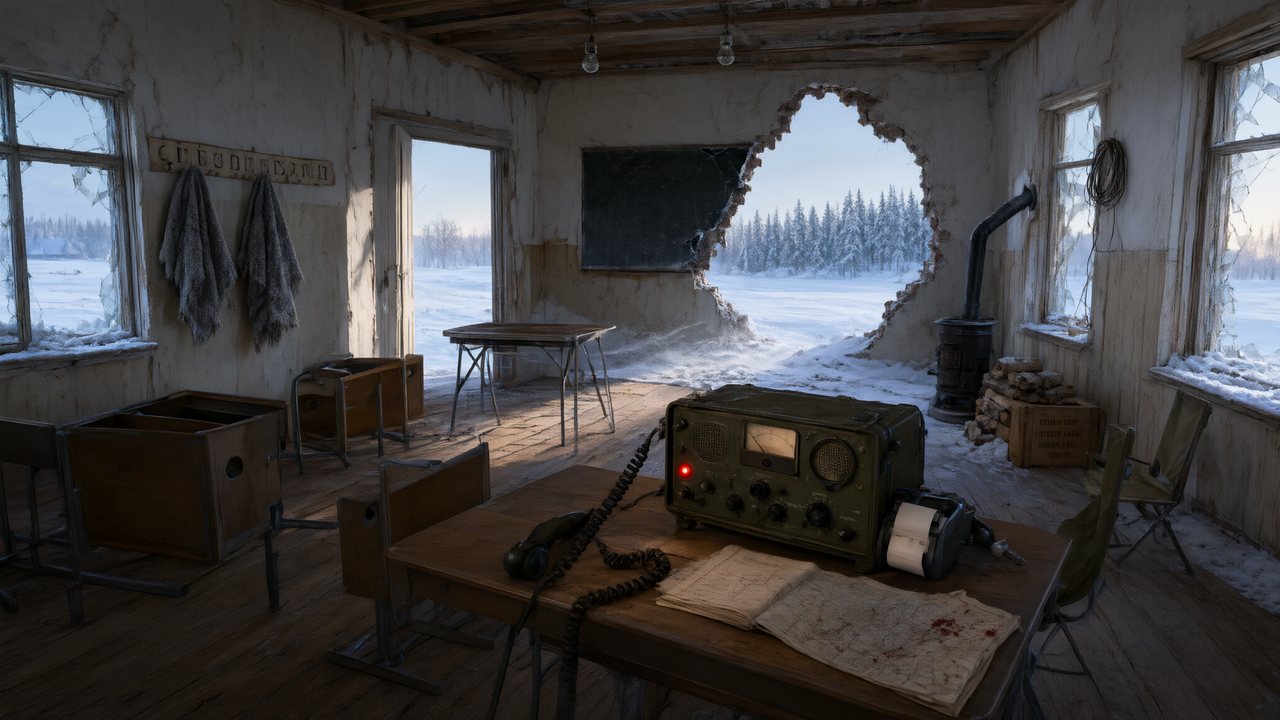 Останній сигналУкраїнськаNative dialogue
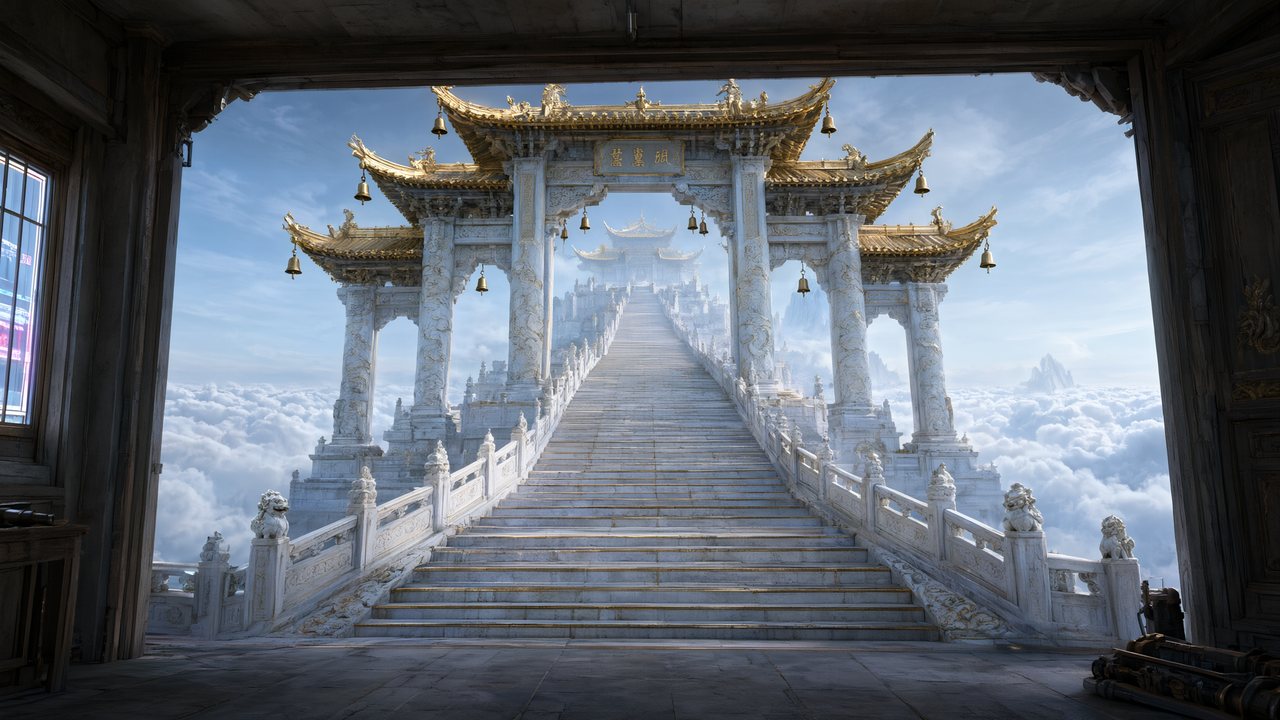 問劍青雲繁體中文Native dialogue
 The Last EnvelopeEnglishIn your language
Frequently asked questions
Do I need a script, a storyboard or a brief?
No. A photo is the minimum. A sentence about what you are selling improves the result and settles any ambiguity in the photo — “our shop” next to a picture of a counter is the difference between an ad about a venue and an ad about a coffee machine. Everything downstream, including the spoken lines, is written for you and can be rewritten in the advanced mode.
Can I upload more than one photo?
Up to four, and they should be the same subject from different angles or in different detail — the first one is treated as the hero and is what any redraw and the end card are built from. Extra photos of a venue become additional location plates, so the ad is set in your actual space rather than a generated approximation of it.
What if there are people in my photo?
They are removed before the photo is used as a reference, and the signage, fittings and lighting are kept. This is not squeamishness: reference images are copied almost literally by video models, so a customer in your storefront photo would otherwise end up performing in your advertisement.
Will my brand name appear in the video?
On the end card, yes, along with the product name, the tagline and the call to action, in the language of the ad. Inside the generated footage, no — AI video models cannot spell reliably, so the ad is written without on-screen text rather than gambling on it.
Which languages can the ad be in?
The spoken lines and the end card follow your interface language across fifteen dialogue languages, with the cast and setting adapted to that market. The end card falls back to a language it can typeset when a script needs shaping or right-to-left layout.
Can I stop it halfway?
Yes, up until the video stage begins — that is the point where the expensive calls start, and it is where the cancel button stops working. If a stage fails, the run stops there, the credits for it come back, and you can retry that stage without repeating the ones before it.
One photo in, a finished spot out
Read the photo for free, see the quote, then decide.
Try SceneMixer freeCredit packages from $1.49 · Pro $7.99/mo · No credit card to start
Pricing·Novel to Video·Guides·Samples·Support·Privacy·Terms·Legal·Contact·© 2026 SceneMixer