Cost breakdown
AI Video Cost Calculator
Updated November 3, 2026
| SceneMixer at a glance | What you get |
|---|---|
| Video price | From $0.06 a second (10 credits) on the default tier, up to $0.47 a second on the top tier; every price is shown before you press the button |
| Clip length | Up to 30 seconds per generated segment; an episode is composited from its segments at 1 credit a second |
| One episode, worked out | A 60-second episode on the default tier is about 660 credits (video plus compositing), about $4.11 at the lowest credit price; a 10-episode series of 90-second episodes from a 30,000-character novel is about 10,026 credits, about $62 |
| Dialogue | Spoken in the video itself, one voice per character, in any of 15 languages |
| Formats | 9:16 vertical or 16:9 landscape; 480P to 1080P, plus a 2K tier |
| Free to start | 50 credits on signup, 15 free setup images, a free storyboard for the first episode and a free 5-second video preview |
| Who uses it | 2,900+ creators have generated with SceneMixer (accounts with at least one generation, counted November 2026) |
| Input | A script, a novel or a one-line idea; .txt, .docx and .md uploads |
Five things cost money, and only one of them is video
Everything in the pipeline is priced per unit of work, and the bill for a project is the sum of five line items. Nothing is a subscription-gated feature with a hidden meter; nothing is billed by seat or by month unless you choose a plan for the discount.
| Operation | Billed by | Rate |
|---|---|---|
| Script analysis | Script length, once per project | 4 credits per 1,000 characters (3,333 characters = one unit for alphabetic scripts) |
| Reference images | Per image | 7 credits |
| Shot lists | Per episode, by that episode's share of the script | 1 credit per 100 characters |
| Video | Per second of output, by model tier | from 10 credits/second |
| Assembly | Per second of finished episode | 1 credit/second |
Editing text — outlines, shot scripts, character descriptions, names — is free. Re-generating anything costs the same as generating it the first time, because it is the same work.
A real project, itemised
An 8-episode vertical series from a 40,000-character English script, 90 seconds an episode, on the cheapest video tier:
| Analysis | 36 credits |
|---|---|
| Shot lists, 8 episodes | 90 credits |
| Video, 720 seconds | 9,000 credits |
| Assembly, 720 seconds | 900 credits |
| Total | 10,026 credits ≈ $62 |
Two things to read off that table. Video is roughly nine tenths of it, so the only lever that matters much is how many seconds you render and at which tier. And the text work — the part that decides whether the series is any good — is about three percent, which is why iterating on outlines and shot lists before rendering is not just good practice but good arithmetic.
The levers, in order of how much they move the bill
- Seconds rendered. Linear and dominant. A 60-second episode costs two thirds of a 90-second one.
- Video tier. SceneMixer's per-second rate spans $0.06 to $0.47 per second. 480P is the default and is genuinely fine on a phone; the sharper tiers cost what they cost.
- Re-renders. Every regeneration is a full charge. Preview one segment before committing an episode — that is what the free preview is for.
- Credit price per pack. Larger packs carry bonus credits, so the effective price per credit ranges across $0.0090–0.0096.
- Membership discount. 5 include a monthly credit allowance and a standing discount on purchases. Total discount is capped at 50% by design.
- Script length. Affects analysis and shot lists only — a few percent of the total. Alphabetic scripts count 3,333 characters as a thousand, which is the cost-aligned rate rather than a promotion.
What you can try without paying
New accounts on SceneMixer get 50 credits. The first project additionally includes 15 free reference images — five each for characters, locations and props — and the first episode's shot list free. There is one free video preview of up to 5 seconds. That is enough to run a real script through analysis, see your cast, read a shot list and watch a few seconds of rendered output before spending anything.
How the money is actually handled
- Credits are frozen, then spent. Submitting a job reserves its cost; success converts the reservation into a charge, and a confirmed upstream failure returns it.
- SceneMixer does not charge for delivery failures. If a job produced nothing usable on our side, the reservation is held for review rather than spent.
- Every movement is in a ledger. The credits panel shows each freeze, charge and refund with its job.
- Price shown is price charged. Every button's label comes from the same quote endpoint the charge uses, so the number on the button is the number billed.
What it will not do
- Quote a project before analysis. Shot-list and video costs depend on how the script actually divides. Analysis is quoted up front from the text you paste.
- Bill by the month for generation. Memberships give allowance and discount; SceneMixer always bills generation per unit of work.
- Refund a delivered render you dislike. The model ran and the upstream cost was incurred. Preview first.
- Charge for deleting things. Deleting projects and assets is free; note that deleting a target mid-generation still costs the generation, because the model already ran.
Current rates
Everything above is pulled from the live rate table, so it is current as of this page load. The pricing page lists packs, tiers and per-tier video rates in full; micro drama economics works through the per-episode arithmetic for a vertical series.
Languages
Native dialogue in 15 languages
Every series below was produced by the same SceneMixer pipeline, with the cast speaking that language natively: the interface, the working documents and the spoken lines are all in one language, and nothing is dubbed. Open one to hear it.
 A Carta de LisboaPortuguêsNative dialogue
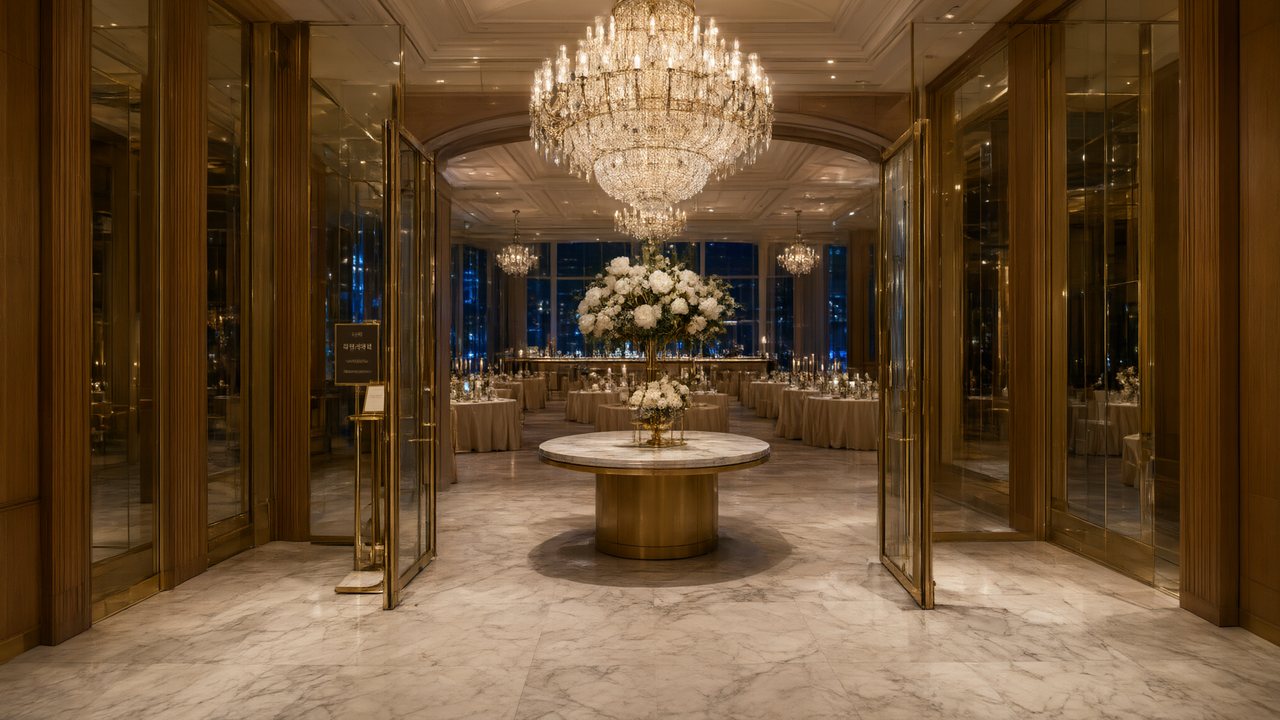 윈터 프라미스한국어Native dialogue
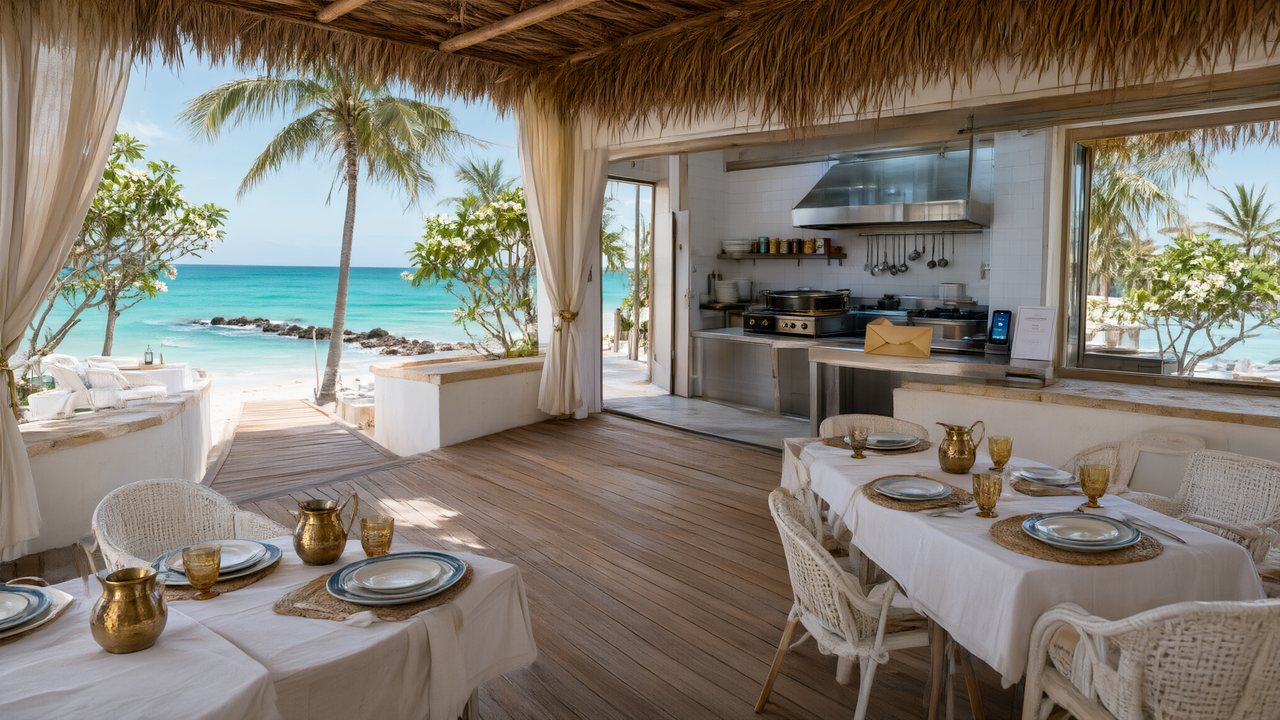 El Secreto de CostaEspañolNative dialogue
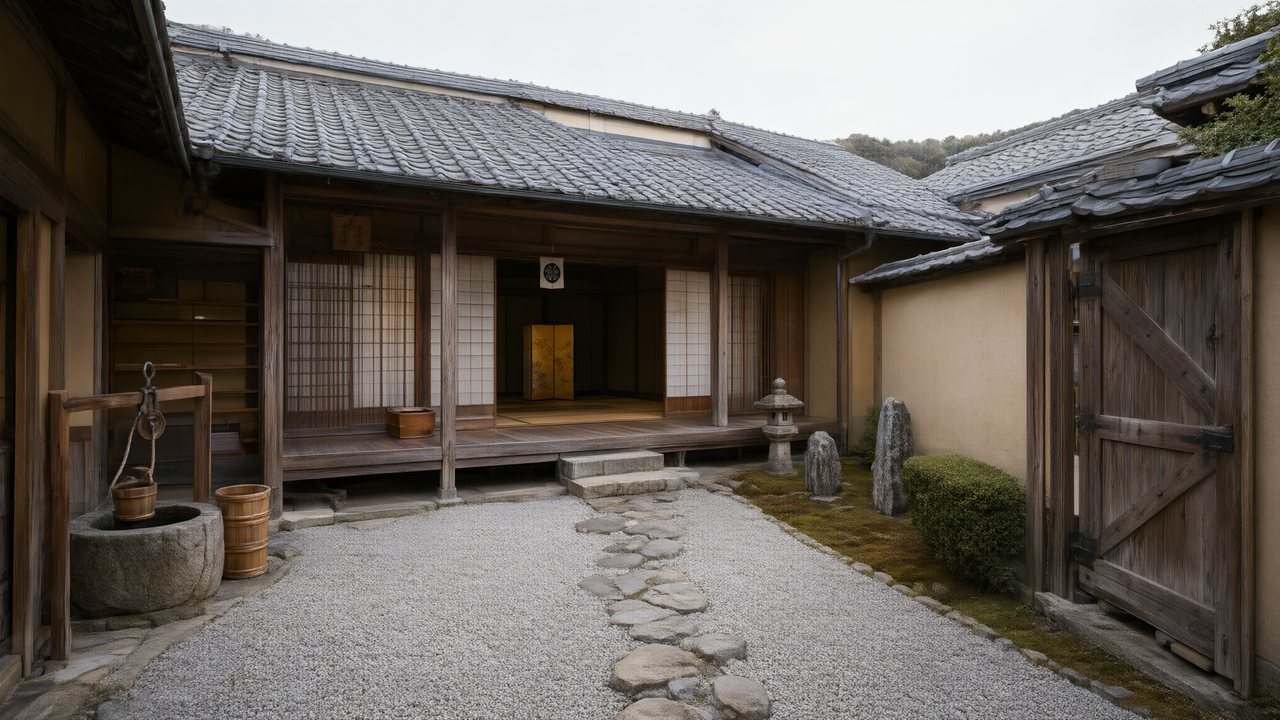 浪人の誓い日本語Native dialogue
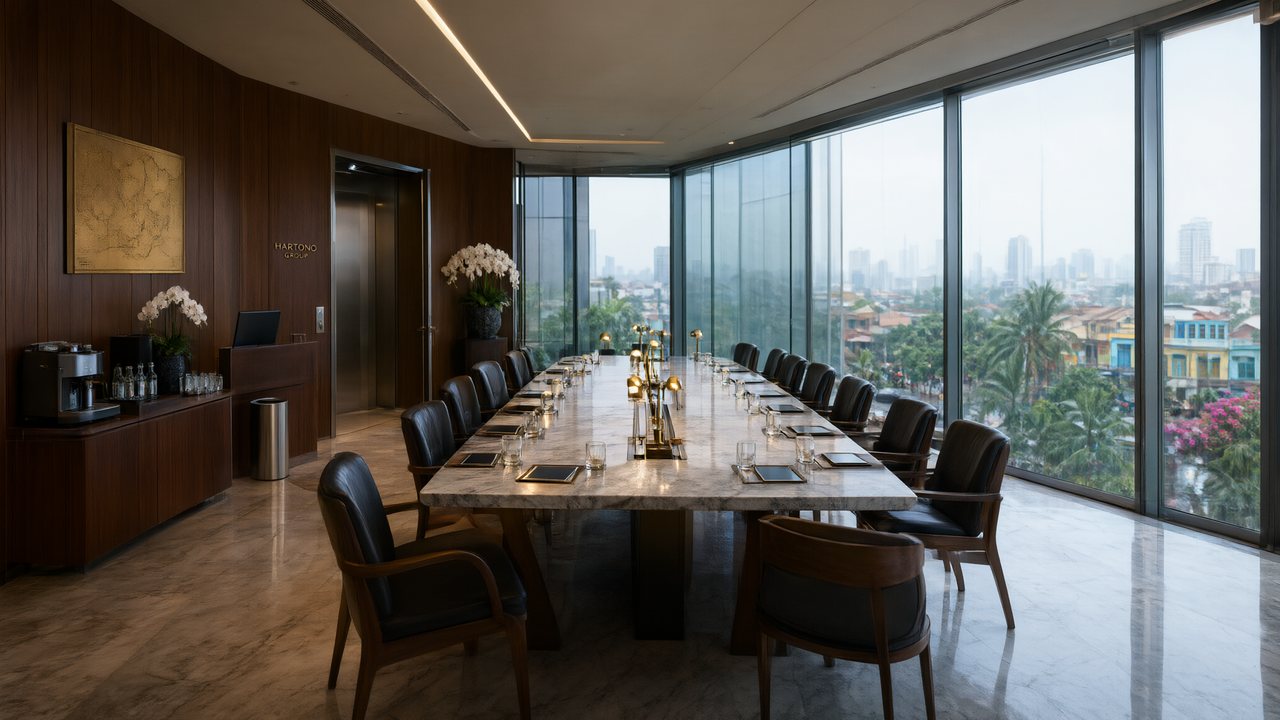 Ikrar JakartaBahasa IndonesiaNative dialogue
 Зимняя коронаРусскийNative dialogue
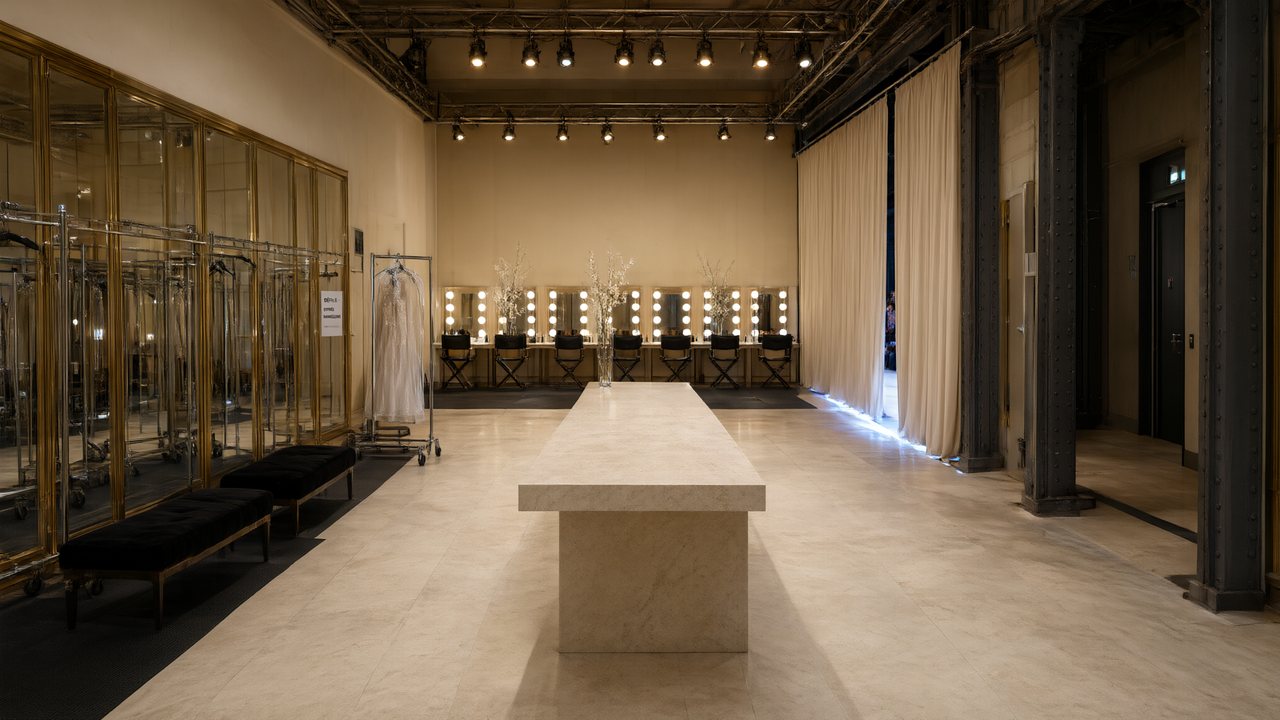 L’Héritier du DéfiléFrançaisNative dialogue
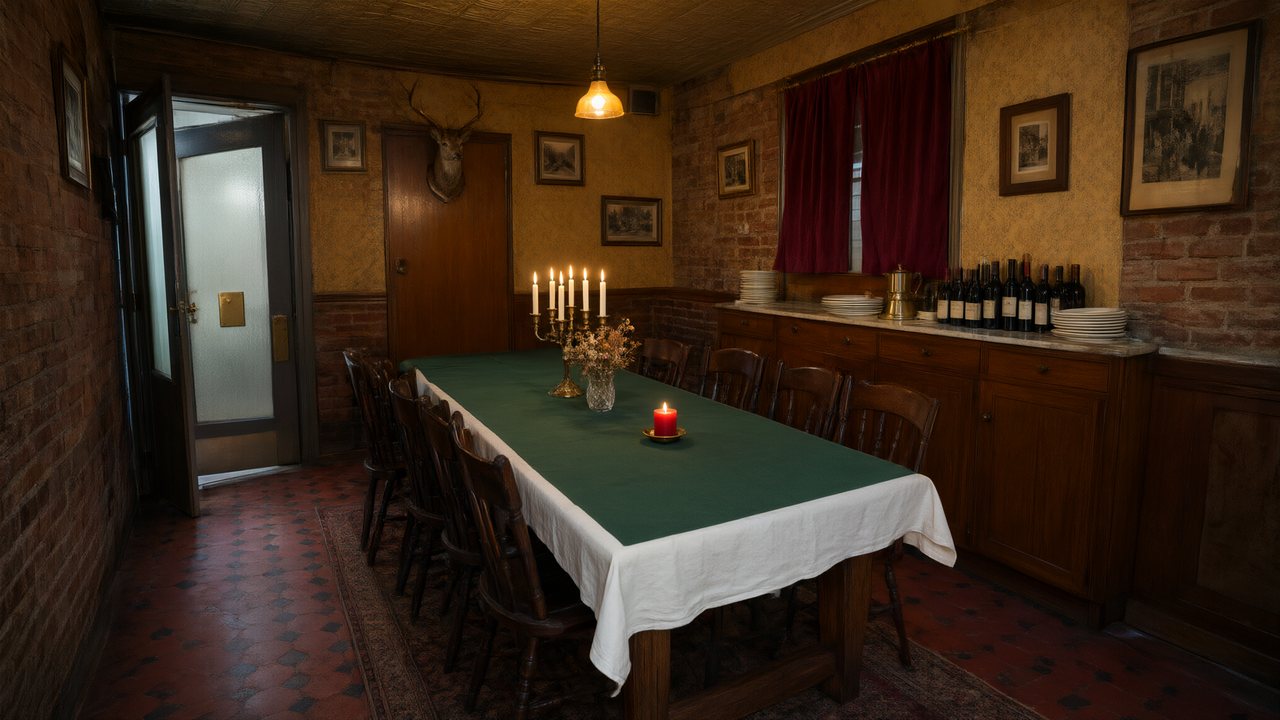 Il Tavolo dell'OlivaItalianoNative dialogue
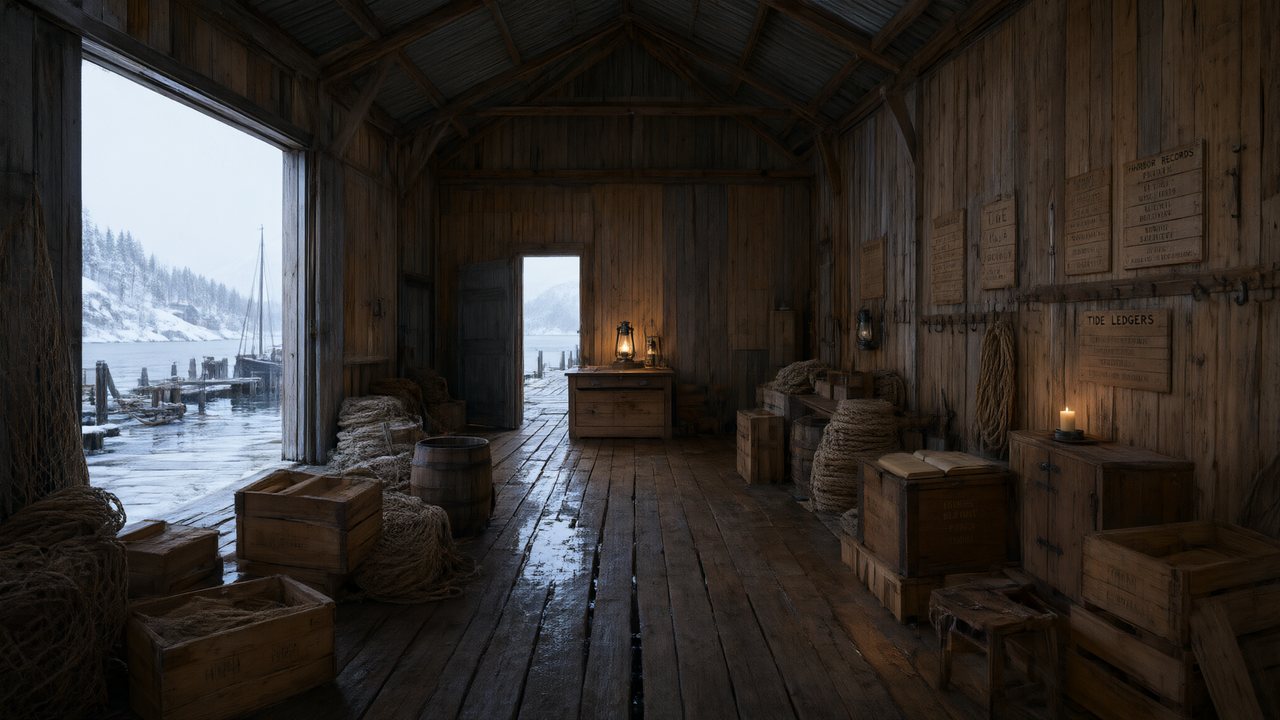 De Vuurtoren van de FjordNederlandsNative dialogue
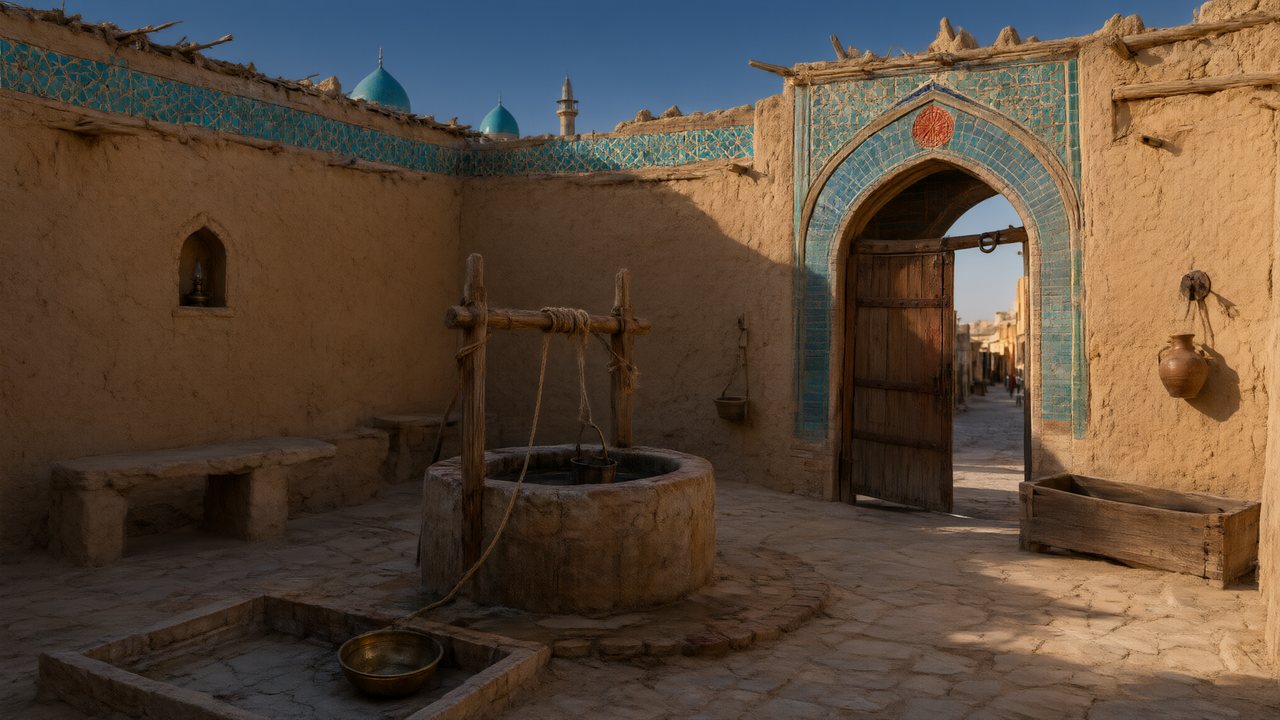 العهد الصحراويالعربيةNative dialogue
 Çantasındaki SözleşmeTürkçeNative dialogue
 Die Istanbul-TäuschungDeutschNative dialogue
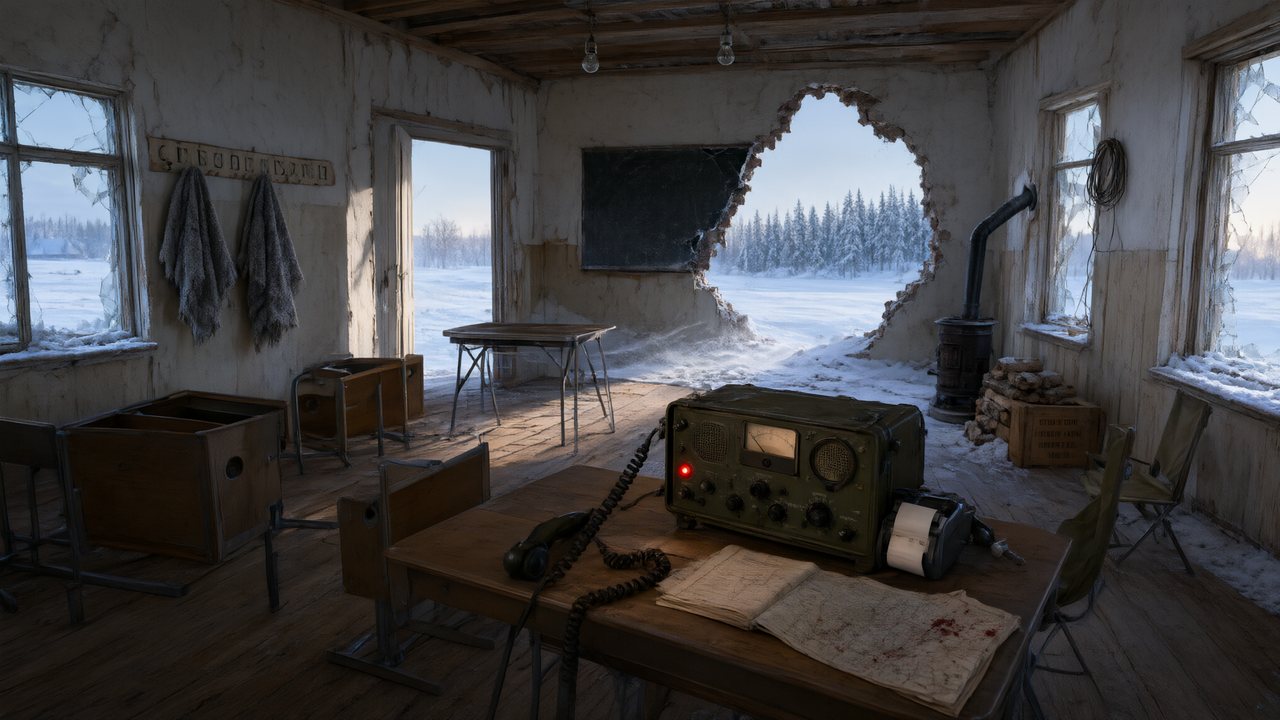 Останній сигналУкраїнськаNative dialogue
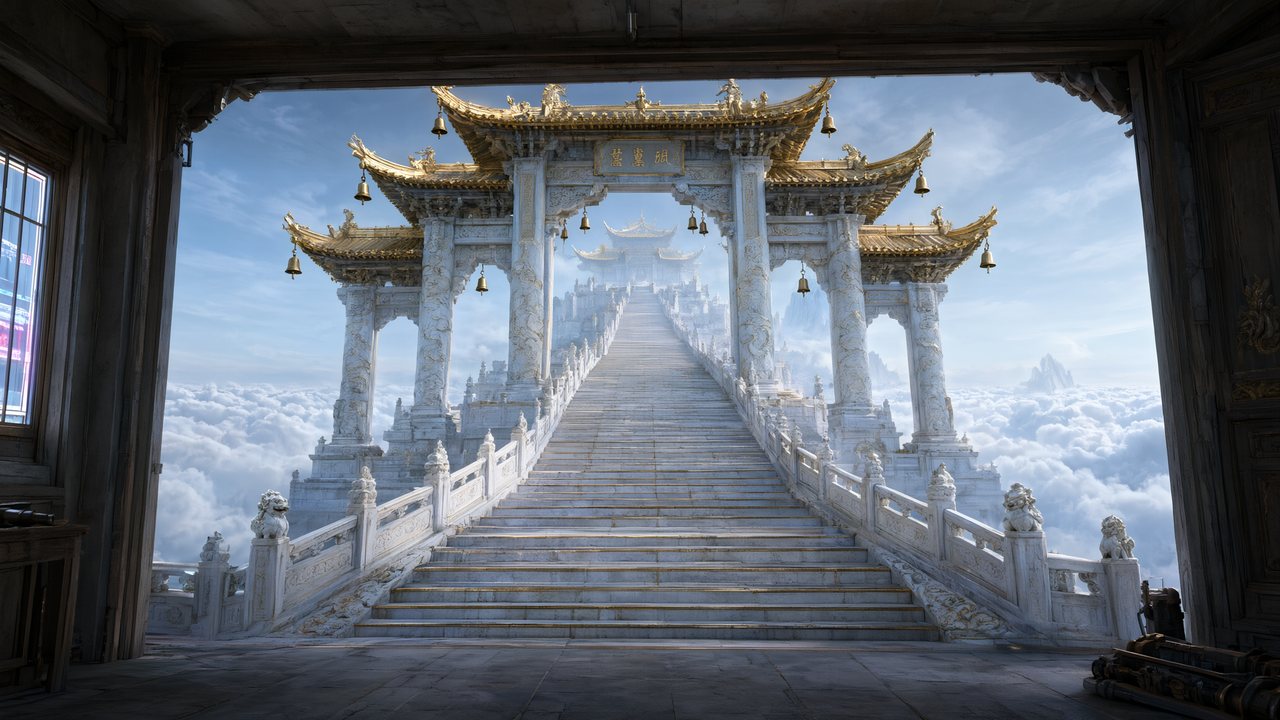 問劍青雲繁體中文Native dialogue
 The Last EnvelopeEnglishIn your language
In SceneMixer vs. stitching tools together
Most AI drama workflows are five or six tools in a row. This is where each step happens here, and what it replaces.
| Step | In SceneMixer | Doing it by hand with separate tools |
|---|---|---|
| Script and episode plan | Paste a script or a novel, or type one line: it is read into a cast, locations, props and an episode outline you can edit | A chat model writes the script; you split it into episodes and carry the text from tool to tool |
| Character faces and places | Every character, location and prop is drawn once as a reference sheet and attached to every shot it appears in | An image model, one sheet at a time; you upload the right reference to every clip yourself |
| Shots | A storyboard per episode with numbered shots and seconds; video is generated segment by segment in 9:16 or 16:9 against the same sheets | A video model, one clip per prompt, describing the same people again each time |
| Voices and dialogue | Lines are performed in the video itself, one voice per character, in any of 15 languages | A text-to-speech tool for each line, then a lip-sync pass on every clip |
| Fixing one shot | Edit that shot's text and regenerate the segment alone; the rest of the episode is untouched | Regenerate the clip, then re-cut the timeline |
| Finishing | Segments are composited into one episode file with its score; members download without the AI badge | A video editor to join the clips, add music and captions, then export |
| Publishing | You upload the finished episode to TikTok, YouTube, Instagram or anywhere else; nothing is posted for you | Upload by hand, the same as here |
Frequently asked questions
What dominates the cost of a series?
Video, by roughly nine to one. In an 8×90-second worked example, rendering and assembly are about 9,000 and 900 credits against 36 for analysis and 90 for all eight shot lists. Seconds rendered and the video tier are the only big levers.
Is editing free?
Yes. Outlines, shot scripts, character and prop descriptions, names — all free to change as often as you like. On SceneMixer, only generating and re-generating costs credits.
Does a re-render cost full price?
Yes, because it is the same amount of upstream work. This is why the free preview exists: check one segment before committing a whole episode.
Can I estimate a project before uploading the script?
Only roughly, because shot-list and video costs depend on how your script divides into episodes. Paste the script and SceneMixer quotes analysis exactly before you start it; from there the episode list tells you the rest.
What do memberships change?
They add a monthly credit allowance and a standing discount on purchases, capped in total at 50%. Generation is still billed per unit of work — SceneMixer has no unlimited plan.
Run the numbers on your own script
Analysis is quoted exactly before it starts, from the text you paste.
Try SceneMixer freeCredit packages from $1.49 · Pro $7.99/mo · No credit card to start