AI micro drama
The AI Micro Drama Production Pipeline
Updated September 21, 2026

Why micro drama needs a pipeline, not a prompt box
The micro-drama market reached roughly $11B in 2025 and keeps growing — but the format's economics only work if you can produce series, not clips. A binge-worthy vertical drama is 40–80 episodes with the same faces, recurring locations, and a hook every 90 seconds. That is an industrial-consistency problem, and it is exactly what SceneMixer's asset-library architecture solves.
Format-native by design
- 9:16 in one setting — character sheets are always generated in vertical framing; video is 16:9 by default, and choosing 9:16 in the project settings makes every segment vertical.
- Cliffhanger pacing built into the outline — every episode summary is generated with a conflict arc and an end-of-episode nail: identity exposure, emotional suspension, or a reversal, rotated so hooks don't repeat.
- Segment economics — video is billed per second, so a 90-second episode is a predictable cost, and regenerating one 8-second segment doesn't re-bill the episode.
- Market localization — one story, multiple markets: region setting adapts names, casting, scenery, and on-screen text for Western, East Asian, Southeast Asian, or Latin American audiences.
How the SceneMixer pipeline works
- Upload your story — paste text or upload .txt / .docx / .md. Chinese and English are both supported, or let the built-in AI writer draft a script for you.
- AI script analysis — one pass extracts characters, scenes, props, and a full episode structure, each episode outlined with conflict and a cliffhanger.
- Consistent reference art — full-body character sheets (9:16) plus scene and prop art in your chosen visual style (realistic, 2D, 3D CG and more). These references anchor every later shot, so faces and outfits stay consistent across episodes.
- Storyboard scripts — every episode is broken into 4–15 second video segments with editable shot descriptions. Editing the script is free.
- Video generation & compositing — segments are generated at 16:9 landscape (the default) or 9:16 vertical, on Wan 3.0 by default, with per-segment version history, then composited into a full episode with one click.
Localization is built in: pick a target region (Western, East Asian, Southeast Asian, Latin American) and casting, character names, scenery, and on-screen text adapt to that market.
What it costs
SceneMixer is credit-based — you pay for what you generate, not a flat seat license. Credit packages start at $1.49; membership tiers from $7.99/month add monthly credits, higher concurrency, and member-only features such as custom style prompts, uploads, and AI image fine-tuning. Script analysis is priced by text length (4 credits per 3,333 characters, reference images billed separately, with 15 free per account across characters, scenes and props); storyboard scripts are billed per episode at 1 credit per 333 characters, and regenerating one costs the same; video generation starts at 10 credits per second (≈ $0.06/s at the lowest credit price) of output (the rate depends on the model tier you pick), and episode compositing is 1 credit per second — see the full pricing table.
Micro drama for fifteen markets
A micro drama travels only if the cast speaks the audience's language. Set the dialogue language once in Step 1 and the whole series is performed natively, with the target-region setting adapting names, faces and settings to that market. The sample series below, one per language, were all produced this way; the samples page for 15 languages lists every one of them.
Languages
Native dialogue in 15 languages
Every series below was produced by the same pipeline with the cast speaking that language natively: the interface, the working documents and the spoken lines are all in one language, and nothing is dubbed. Open one to hear it.
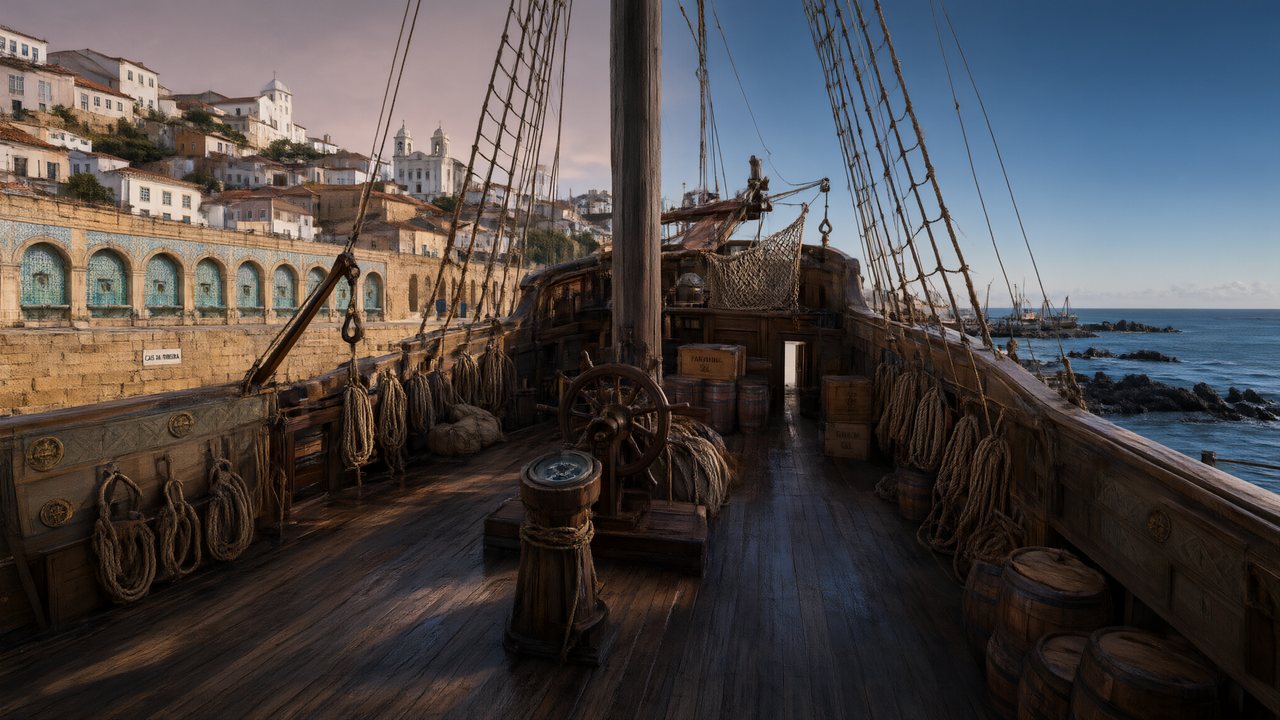 A Carta de LisboaPortuguêsNative dialogue
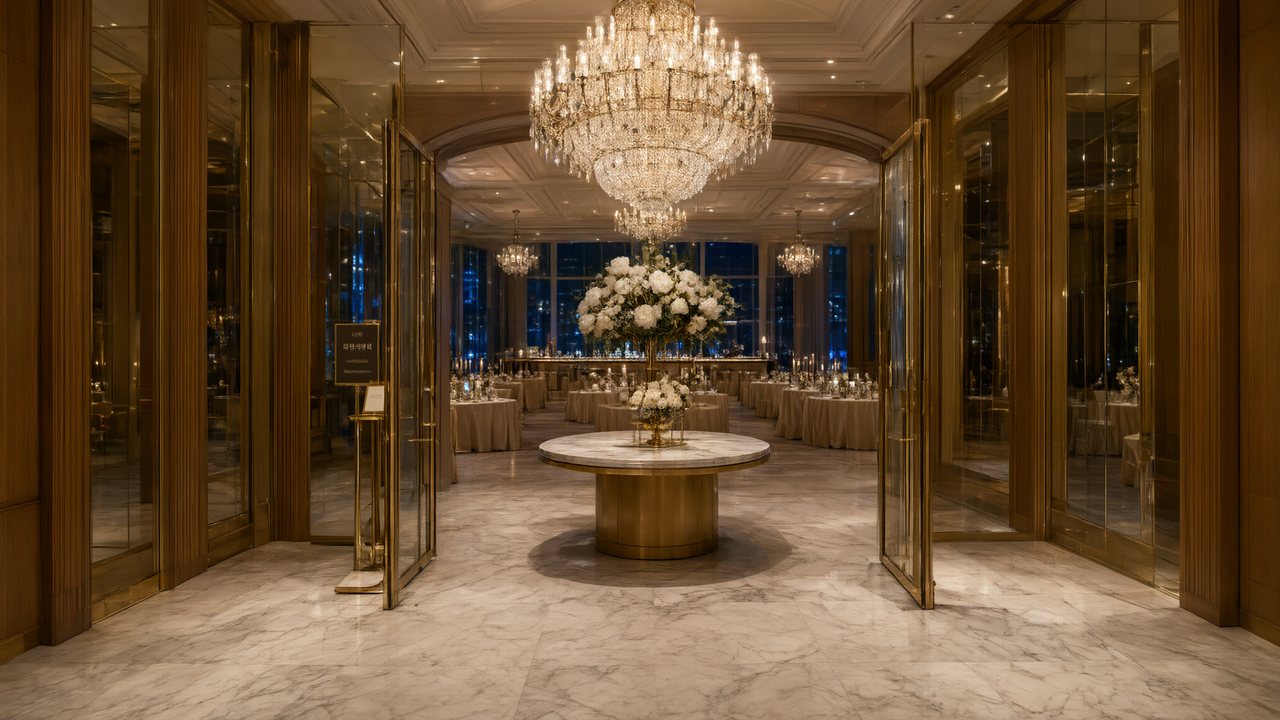 윈터 프라미스한국어Native dialogue
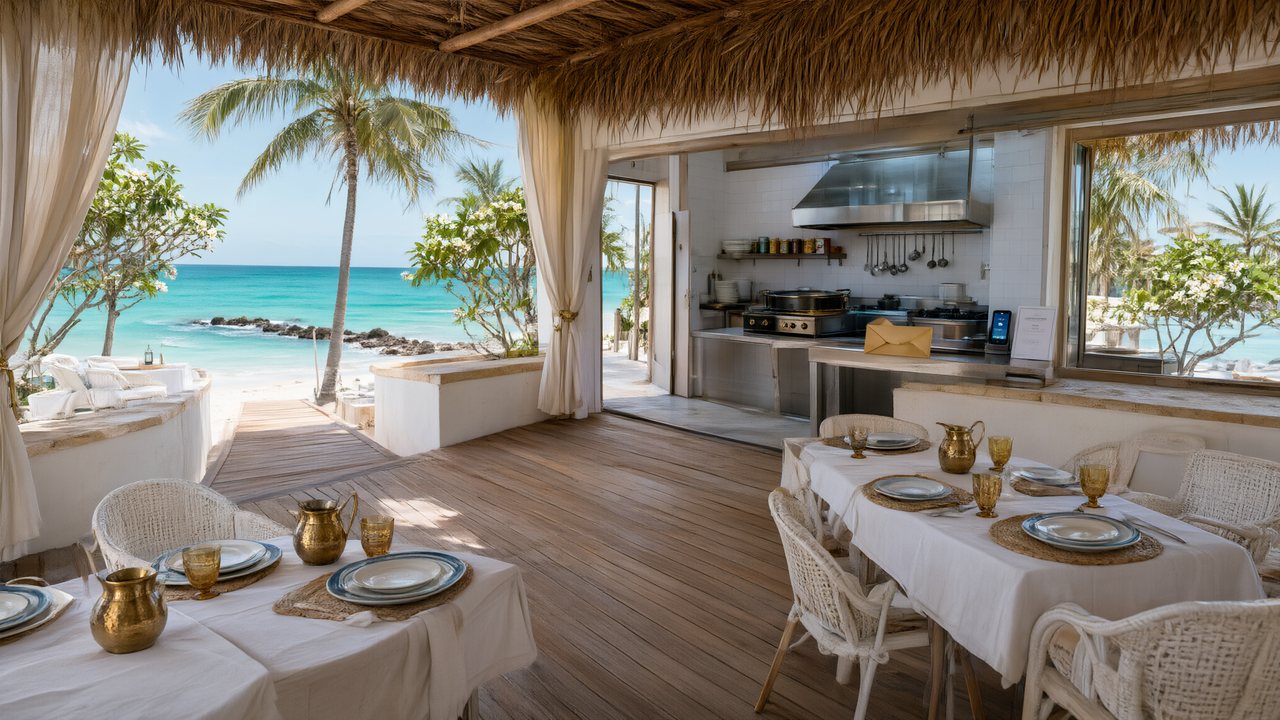 El Secreto de CostaEspañolNative dialogue
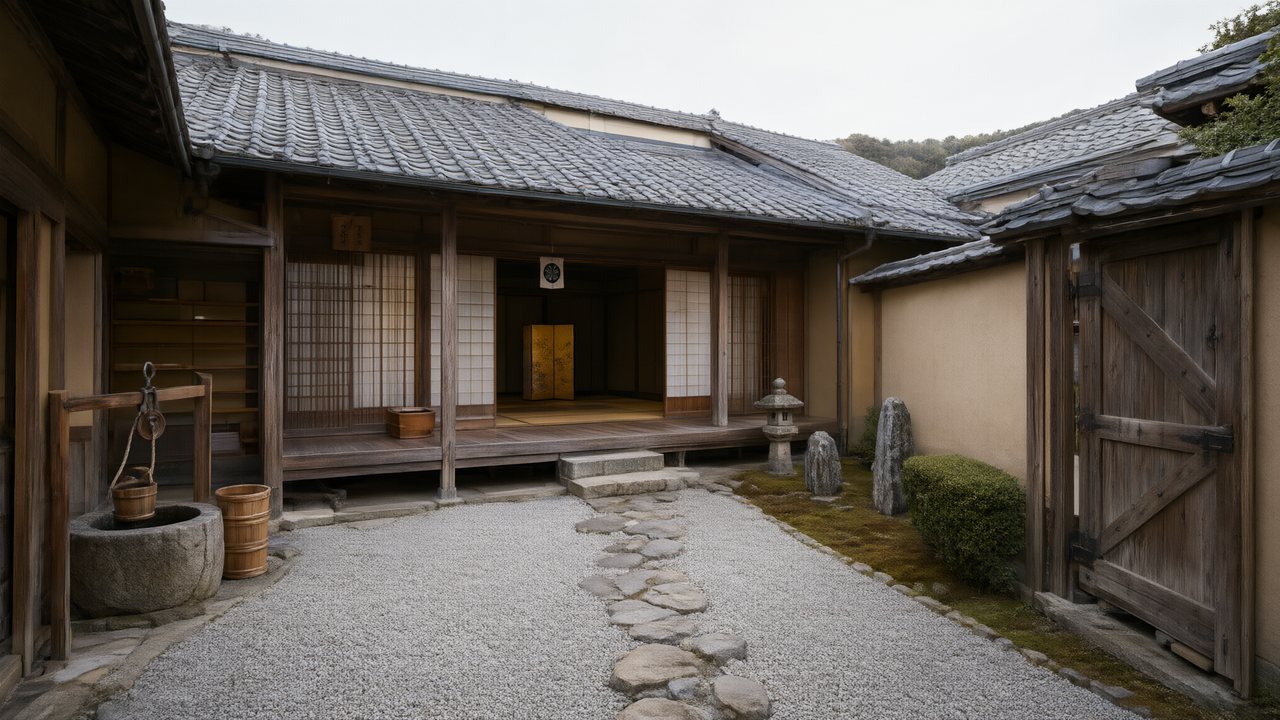 浪人の誓い日本語Native dialogue
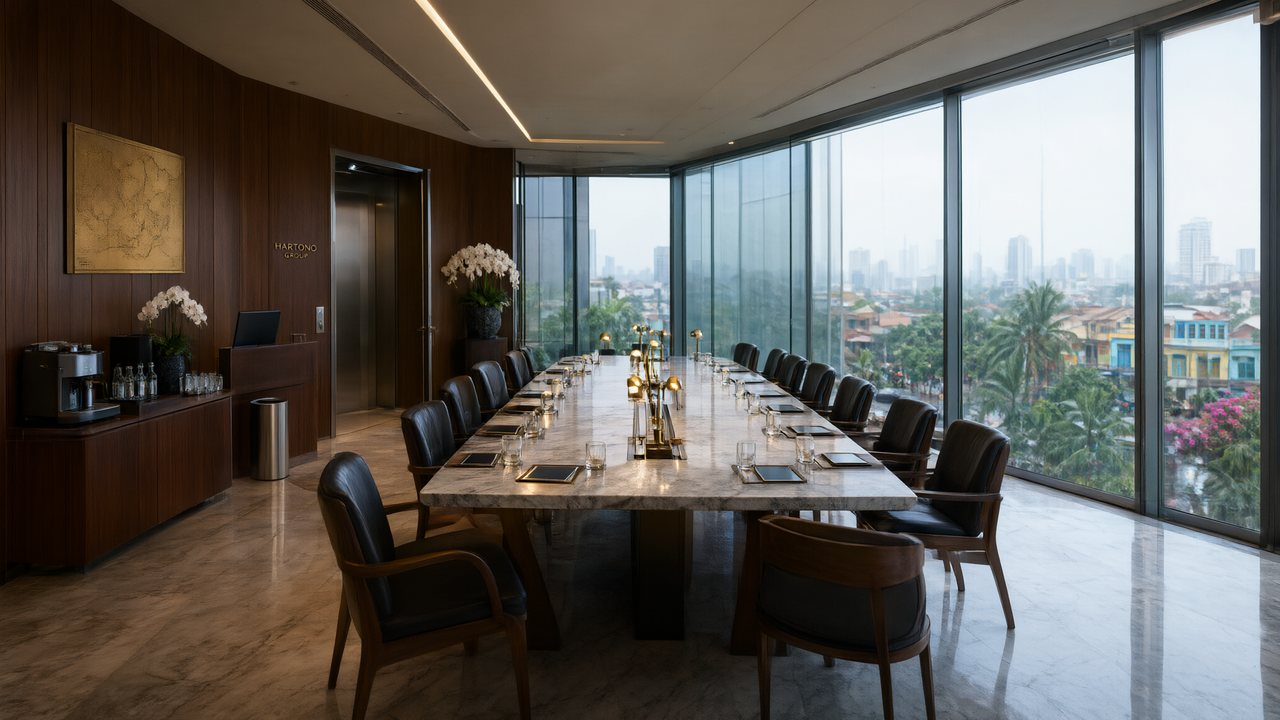 Ikrar JakartaBahasa IndonesiaNative dialogue
 Зимняя коронаРусскийNative dialogue
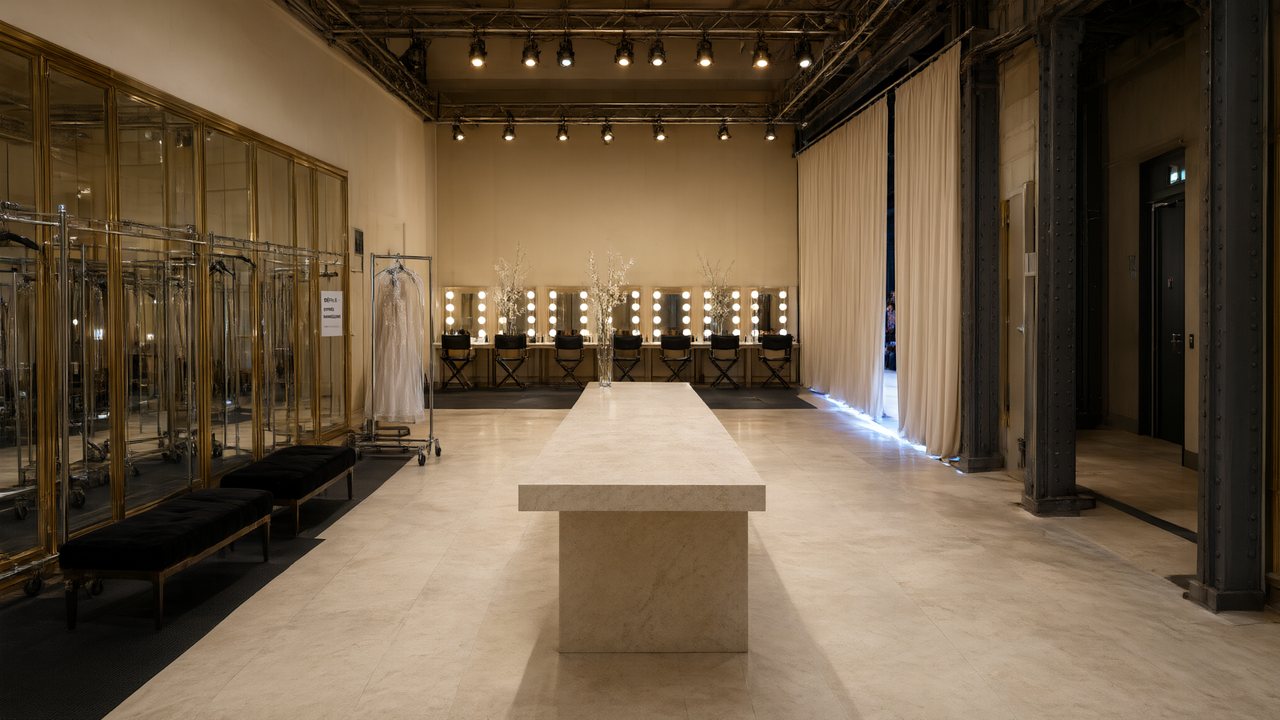 L’Héritier du DéfiléFrançaisNative dialogue
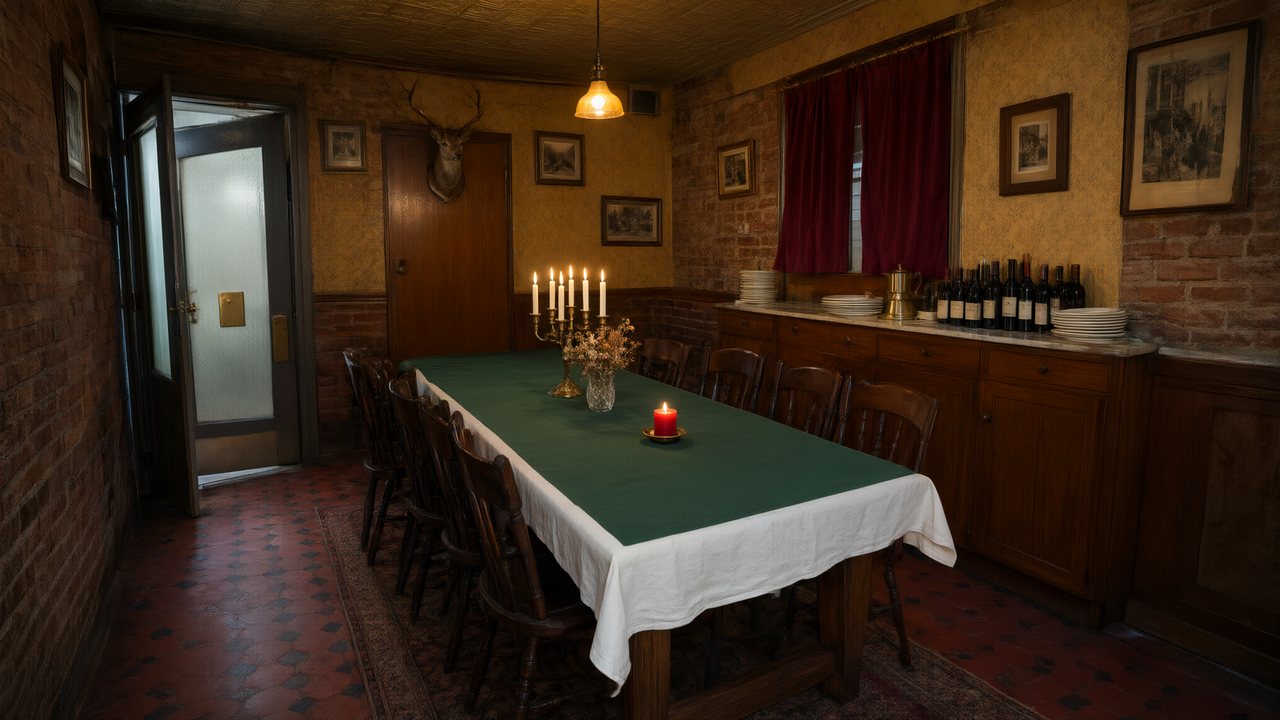 Il Tavolo dell'OlivaItalianoNative dialogue
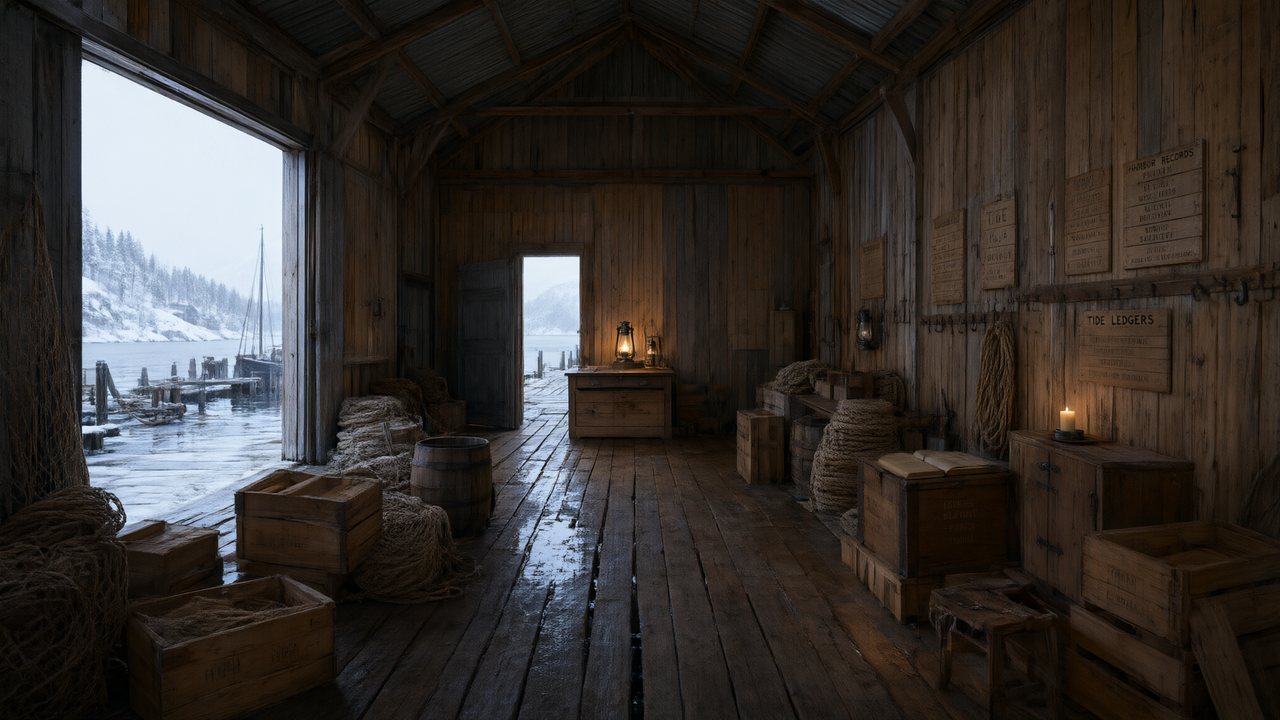 De Vuurtoren van de FjordNederlandsNative dialogue
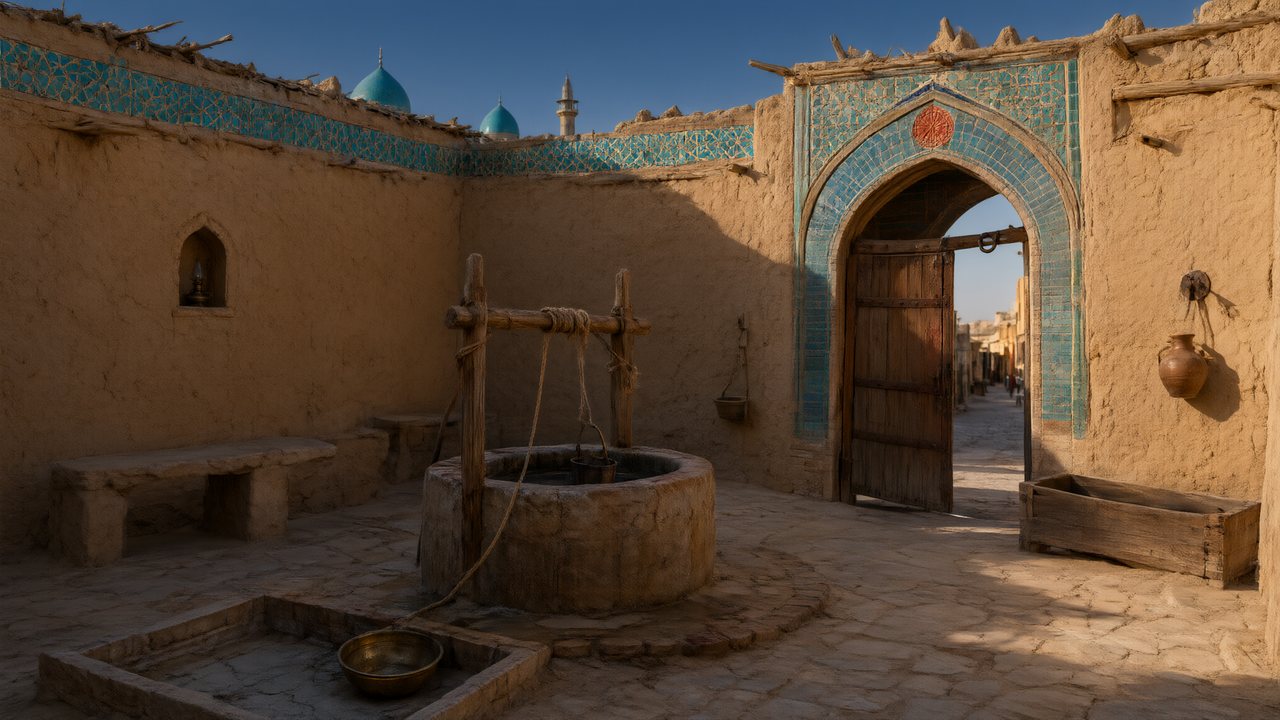 العهد الصحراويالعربيةNative dialogue
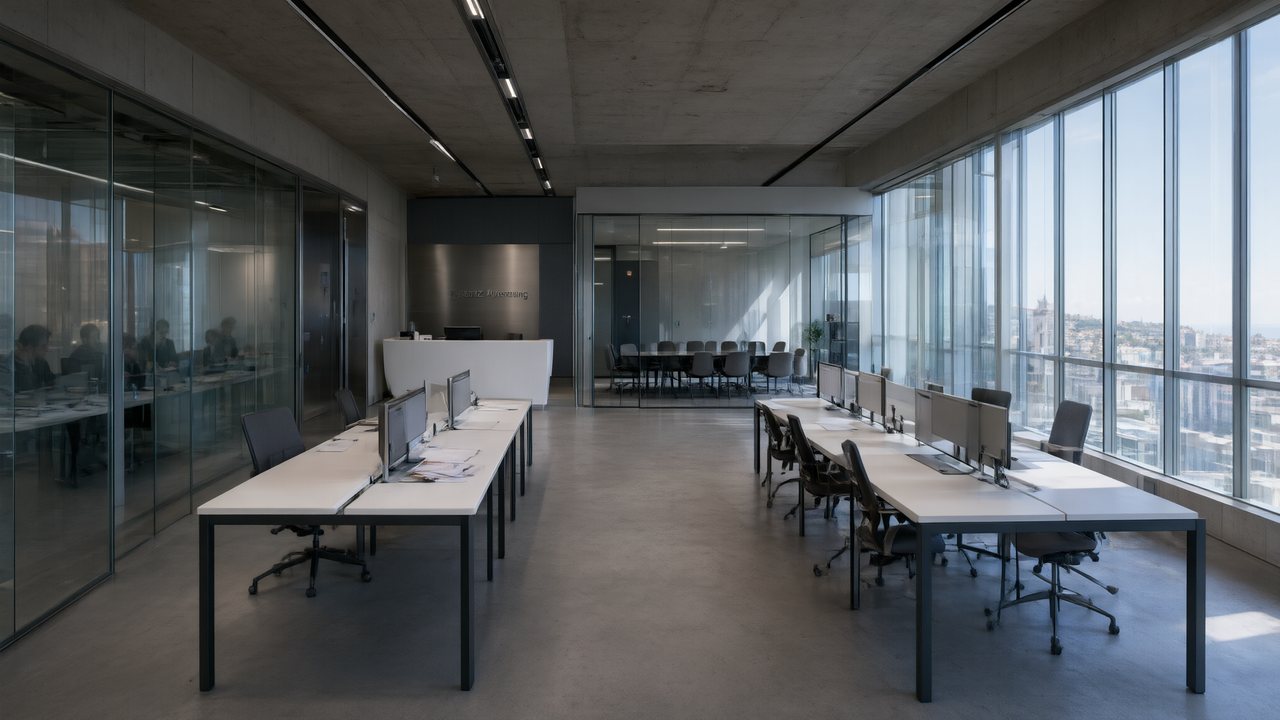 Çantasındaki SözleşmeTürkçeNative dialogue
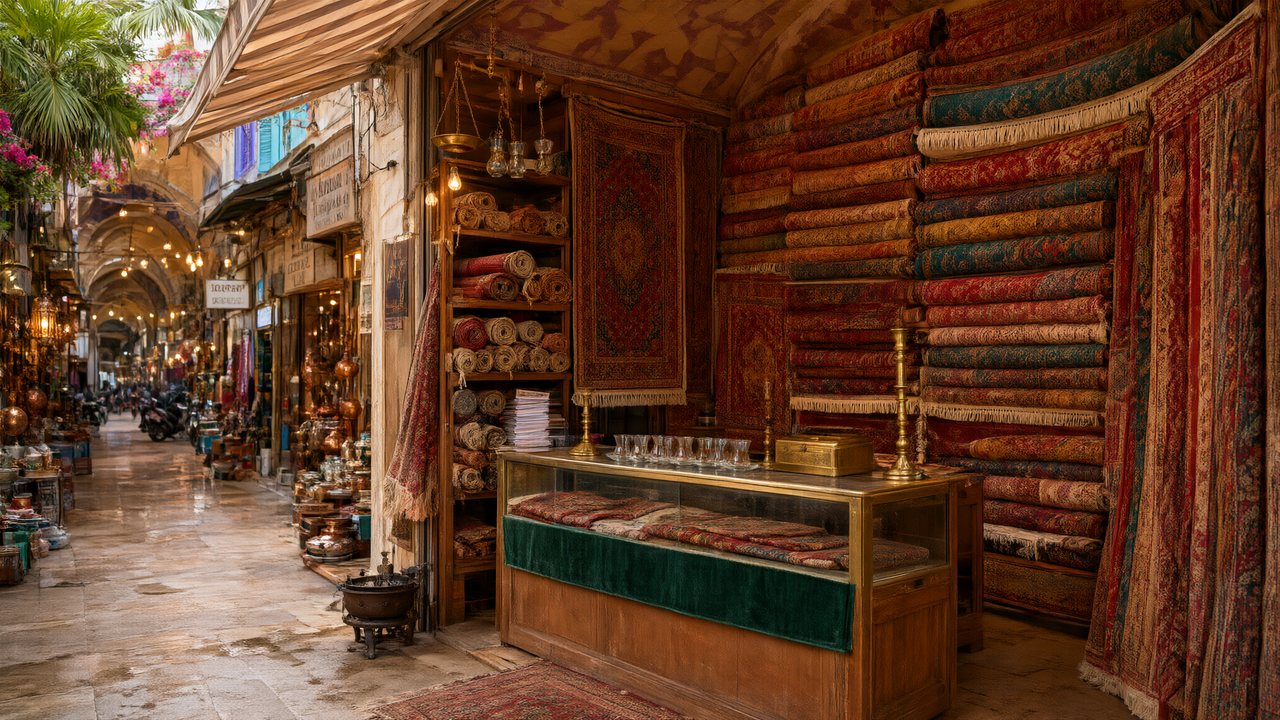 Die Istanbul-TäuschungDeutschNative dialogue
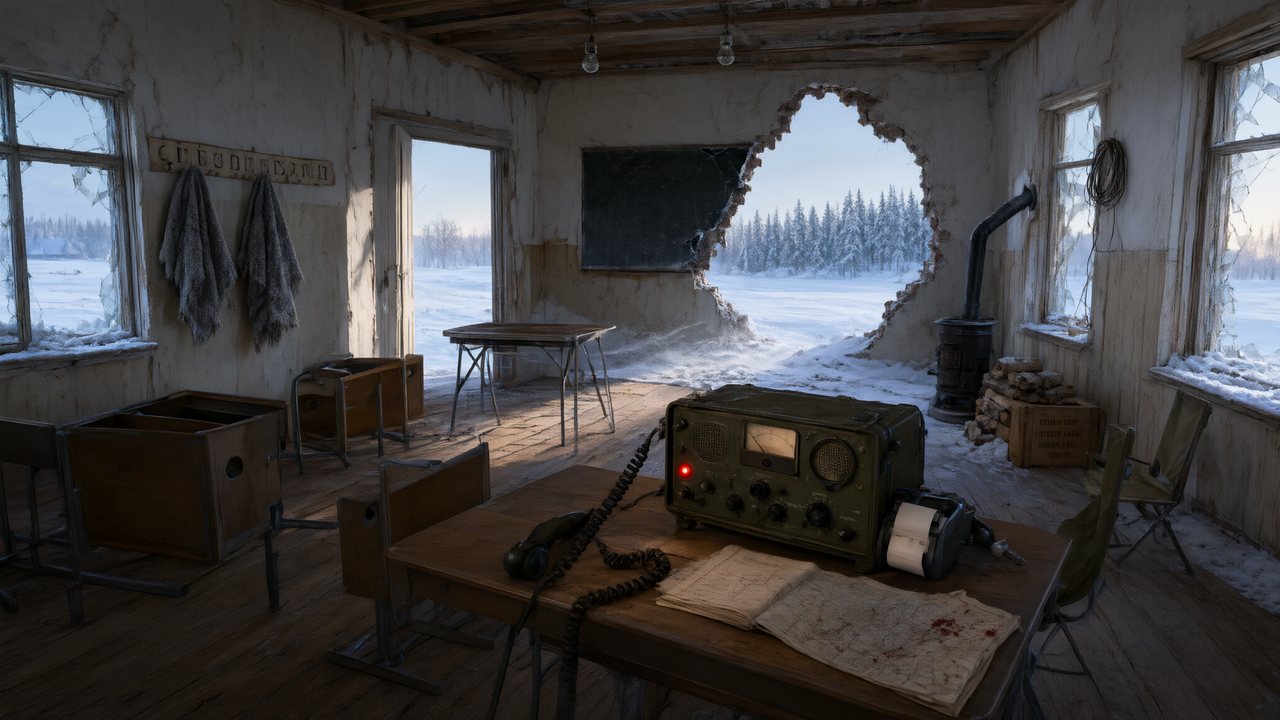 Останній сигналУкраїнськаNative dialogue
 問劍青雲繁體中文Native dialogue
 The Last EnvelopeEnglishIn your language
Frequently asked questions
What is an AI micro drama?
A serialized vertical-video show (typically 60–120 seconds per episode, 9:16) where the cast, scenes, and footage are AI-generated. Viewers watch it like ReelShort or DramaBox content; creators produce it at a fraction of live-action cost.
Can AI keep the same actors across 50 episodes?
That is SceneMixer's core design: characters live in a persistent asset library with locked reference art, and every segment that features a character is generated against those references — same face in episode 1 and episode 50.
What does a 90-second episode cost to generate?
Video is billed per second of output and depends on the model tier you choose (Wan 3.0 at 480P by default; faster or higher-resolution tiers cost more per second). Script analysis (4 credits per 3,333 characters; reference images are billed separately, with 15 free per account) and storyboard scripts (1 credit per 333 characters per episode) are billed separately from video. Most creators start with a small credit package (from $1.49) to price out their first episode.
Where can I publish the episodes?
You own the output — download finished episodes and publish to TikTok, YouTube Shorts, Instagram Reels, or short-drama platforms. An optional AIGC watermark toggle is in settings.
The next hit vertical drama is a script away
Bring the story — the pipeline handles the rest.
Try SceneMixer freeCredit packages from $1.49 · Pro $7.99/mo · No credit card to start
Pricing·Novel to Video·Guides·Samples·Support·Privacy·Terms·Legal·Contact·© 2026 SceneMixer