Answers · Quality
How to Make Good AI Videos?
Published November 17, 2026
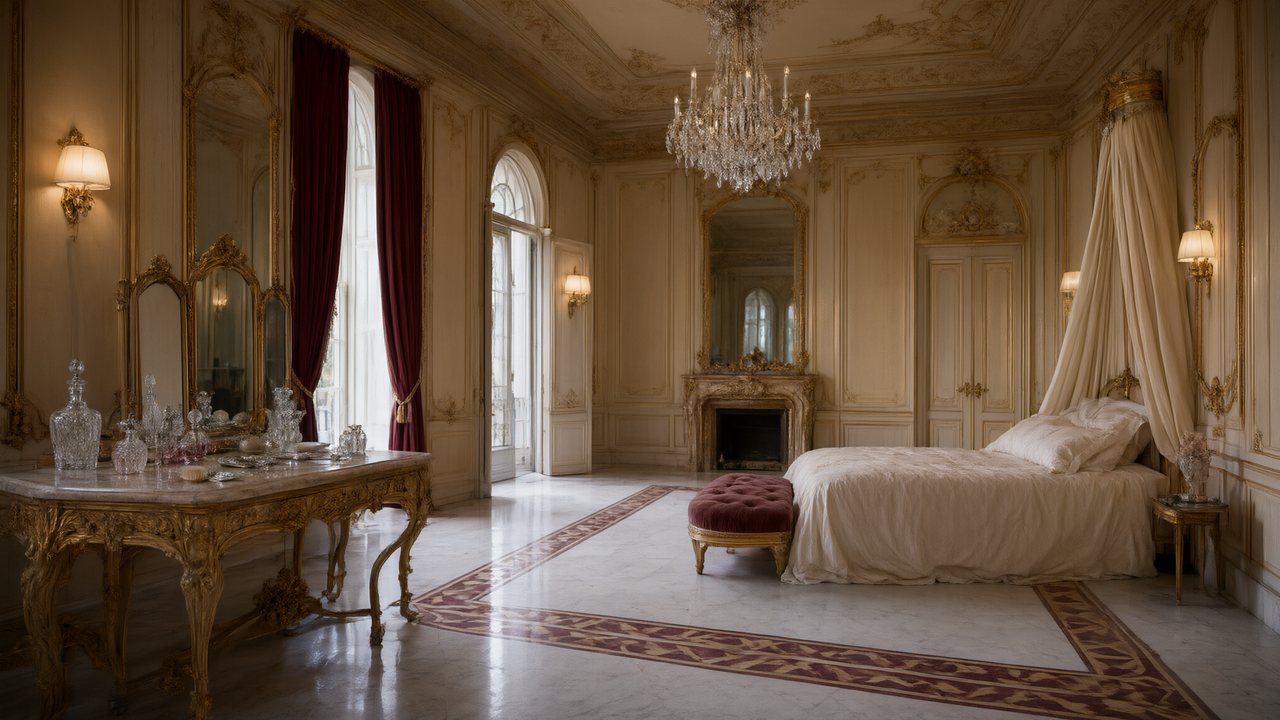
The difference between good and slop
Most people asking for better tools are really asking to escape the look of mass-produced AI clips. One creator put the request in a single line:
i am searching for something realistic and good not AI Slop.
The line comes from a thread in r/generativeAI asking which tools to try. Slop is rarely a tool problem. It is a clip with no reason to exist, described with a pile of adjectives, featuring a face that changes between cuts. About 58 posts in the community corpus ask how to learn to write prompts that get good results; most of the answer is below, and very little of it is about clever words.
Start with a reason to watch
A good AI video has the same thing a good human-made one has: a moment, a question or a story. A detective who finds the wrong body. A cat who refuses the new bed. Two strangers stuck in a lift. Write that in a sentence before writing any shot. If the sentence is not interesting, no rendering tier will fix it. Test it on a friend: if they ask what happens next, you have a video; if they nod politely, keep looking for the moment.
Write sentences, not tags
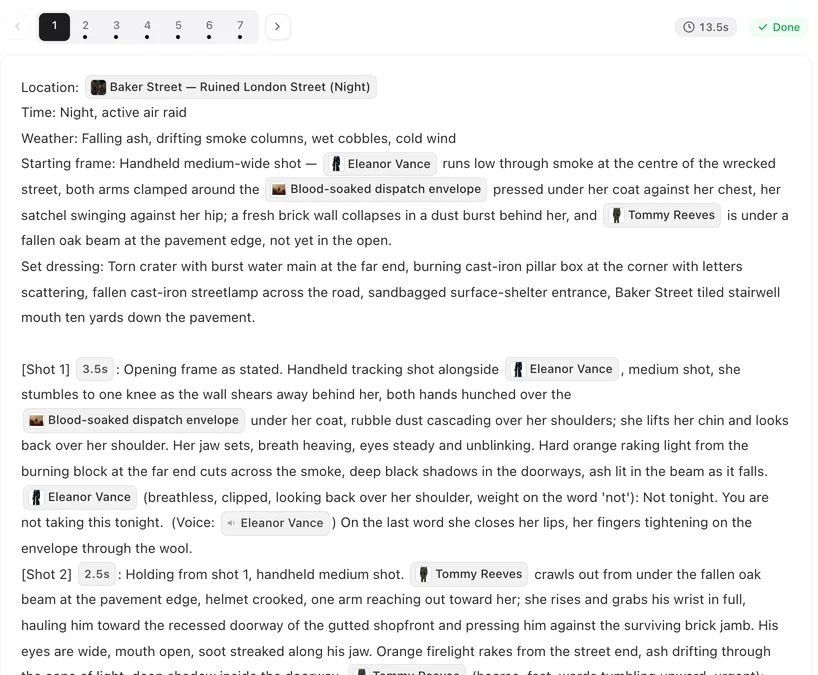
Models read a description as a sentence. Strings like "masterpiece, best quality, 8K, cinematic, volumetric" add nothing the model can place in the frame, push the words that matter further down, and sometimes get painted literally — ask for volumetric fog and fog appears. Say what a cinematographer would say: where the camera is, what it sees, where the light comes from. Pick the overall look with the visual style preset rather than adjectives.
One action per shot, and a cast that holds
Give every shot one thing to do: she opens the drawer; he turns; the lamp flickers. Three actions in one shot come back as a blur of all three. Keep two or three people per frame, and make sure every recurring character comes from one reference sheet, because a face that changes between cuts is the fastest way to lose a viewer. On SceneMixer the sheet is attached to every segment the character appears in.
A before and after
Here is the same shot written two ways. Before: cinematic masterpiece, 8K, dramatic lighting, a mysterious woman in a dark room, emotional, ultra detailed. After: Medium close-up. A woman in her forties sits at a kitchen table at night, lit only by the open fridge behind her; she turns a wedding ring on the table and does not look up when the door opens. The first gives the model adjectives and nothing to show. The second gives it a place, a light source, one person, one action and a moment of tension, which is everything a frame needs. Write every shot like the second version and the quality of the whole video rises before you change a single setting. On SceneMixer this text lives in the storyboard, where rewriting it is free.
Sound, pace and the final pass
Keep spoken lines short enough for their shot, about three words a second in English, and leave a silent beat where a reaction should land. Open on something already happening and end on something unresolved if there is a next part. Draft every segment on a cheap tier, fix the words, then render the keepers once on the tier you want to publish. Judge the result on the downloaded file and on the screen the audience will use. Watch once with the sound off and once with your eyes closed; a good video works both ways.
Limitations: what good still cannot do
- Readable text inside the frame remains unreliable; add it afterwards.
- One continuous take lasts one segment at most; longer scenes are cut together.
- Crowded action and hands take more attempts even when the writing is good.
- A strong look cannot rescue a weak premise.
- The prompt-learning count is a rule-based match over a fixed window of public threads.
FAQ
Do quality words like 8K make AI videos better?
No. SceneMixer's models read sentences, not tags; describe the place, the light and the action instead.
What makes an AI video look like slop?
No reason to watch, a pile of adjectives instead of a scene, and faces that change between shots.
How many people should be in one AI shot?
Two or three. Crowded frames are where faces, hands and continuity break first.
How do I make AI videos better without spending more?
Fix the story and the shot text first, since editing is free on SceneMixer; then draft cheaply and render only the keepers on a better tier.
Related: making AI video realistic, why magic words do nothing, and the collection method behind the count.
Write one good scene
A reason to watch, plain sentences, one action per shot. Read it before it renders.
Sign up freePer-second video rates are on the pricing page with the same numbers.