Storyboard to Video

| SceneMixer at a glance | What you get |
|---|---|
| Video price | From $0.06 a second (10 credits) on the default tier, up to $0.47 a second on the top tier; every price is shown before you press the button |
| Clip length | Up to 30 seconds per generated segment; an episode is composited from its segments at 1 credit a second |
| One episode, worked out | A 60-second episode on the default tier is about 660 credits (video plus compositing), about $4.11 at the lowest credit price; a 10-episode series of 90-second episodes from a 30,000-character novel is about 10,026 credits, about $62 |
| Dialogue | Spoken in the video itself, one voice per character, in any of 15 languages |
| Formats | 9:16 vertical or 16:9 landscape; 480P to 1080P, plus a 2K tier |
| Free to start | 50 credits on signup, 15 free setup images, a free storyboard for the first episode and a free 5-second video preview |
| Who uses it | 2,900+ creators have generated with SceneMixer (accounts with at least one generation, counted November 2026) |
| Input | A script, a novel or a one-line idea; .txt, .docx and .md uploads |
What a storyboard here looks like
A segment's storyboard has a short header (where, time, weather) and then the shots:
| Shot | What it says |
|---|---|
| [Shot 1] 3s | Wide shot. Rain on the window of an all-night diner; @Mara alone in the booth by the door. |
| [Shot 2] 4s | Medium shot on @Mara. @Mara (quietly): You said you'd never come back here. (voice: Mara) |
| [Shot 3] 3s | Over-the-shoulder from @Mara to @Theo in the doorway, shaking off the rain. No dialogue. |
Names are linked chips from the cast, so the right face is used; seconds add up to the segment length. The segment header.
Edit, then render
- Change words, not pictures. Rewrite framing, action or a line, save, and only the shots you touched are re-read. What you can change.
- Ask AI to revise. Describe a change for one segment or the whole episode. AI edit.
- Add or remove a segment. Insert or delete a segment.
- Restore an earlier text. Text history.
If you already have a storyboard
You cannot upload drawn panels or an animatic. You can paste a written shot list or a script with shots described: the read turns it into scenes and the storyboard is rebuilt in the format above, keeping your order and your lines where they are clear. Then edit any shot that came out differently from your plan. Concept art for characters can be uploaded as reference (a member feature).
Why text instead of panels
Video models read words. A storyboard written in the model's language, with each person linked to a reference sheet and each position stated, is what keeps a face, a seat and a prop the same across cuts. A drawing would still have to be described. Write positions the world can read and shot-to-shot continuity.
Cost
The first episode's storyboard on your first drama is free; later storyboards are charged by length and shown on the button. Editing is free. Video is 10 credits a second on the default tier and is charged only when you render a segment.
Languages
Native dialogue in 15 languages
Every series below was produced by the same pipeline with the cast speaking that language natively: the interface, the working documents and the spoken lines are all in one language, and nothing is dubbed. Open one to hear it.
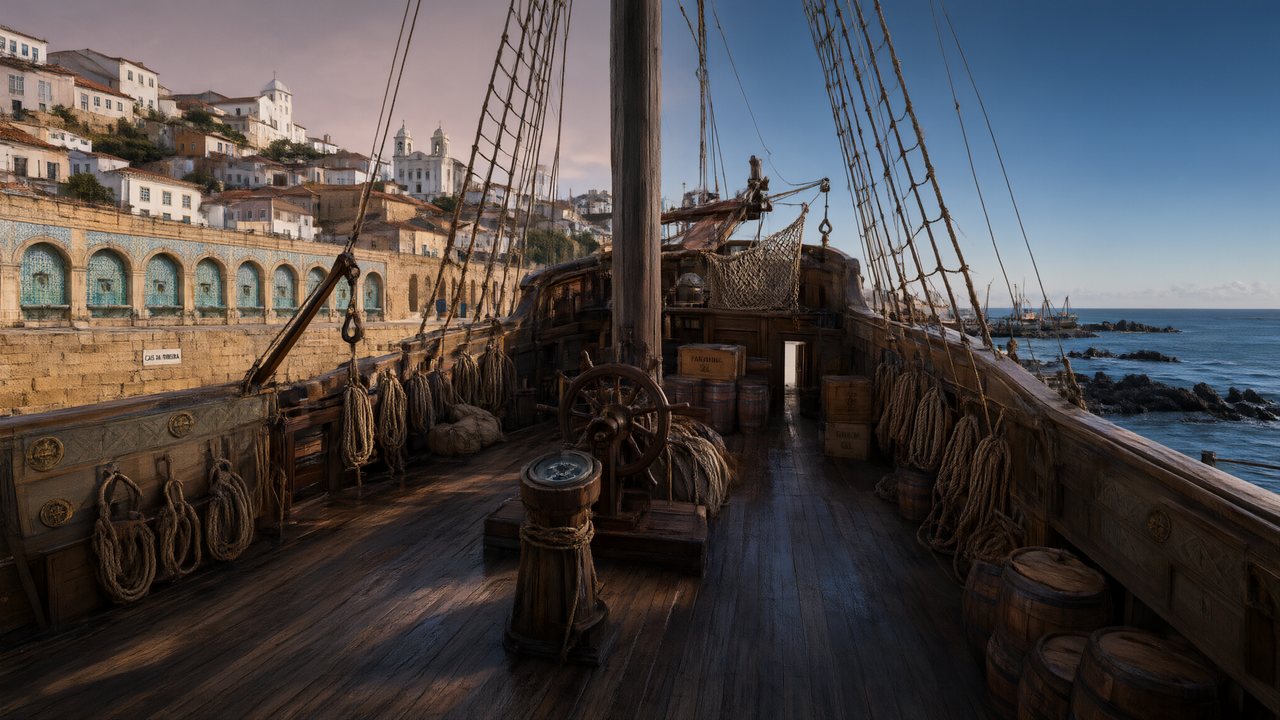 A Carta de LisboaPortuguêsNative dialogue
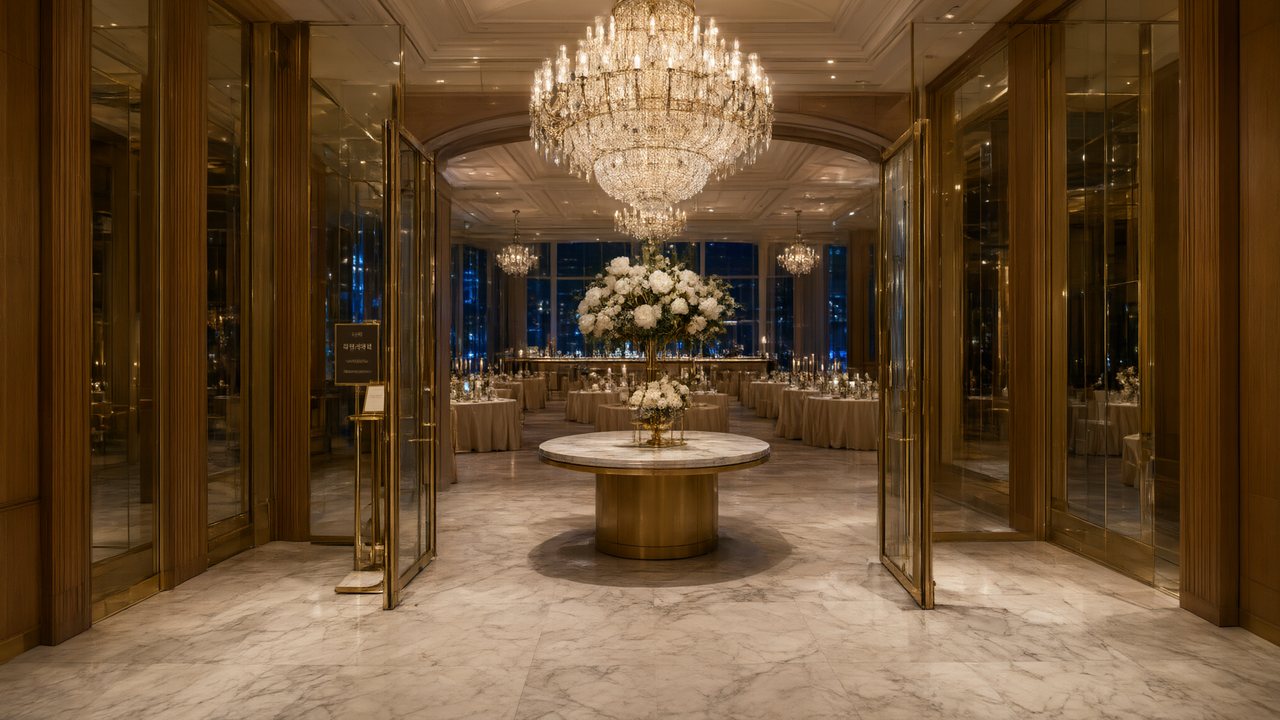 윈터 프라미스한국어Native dialogue
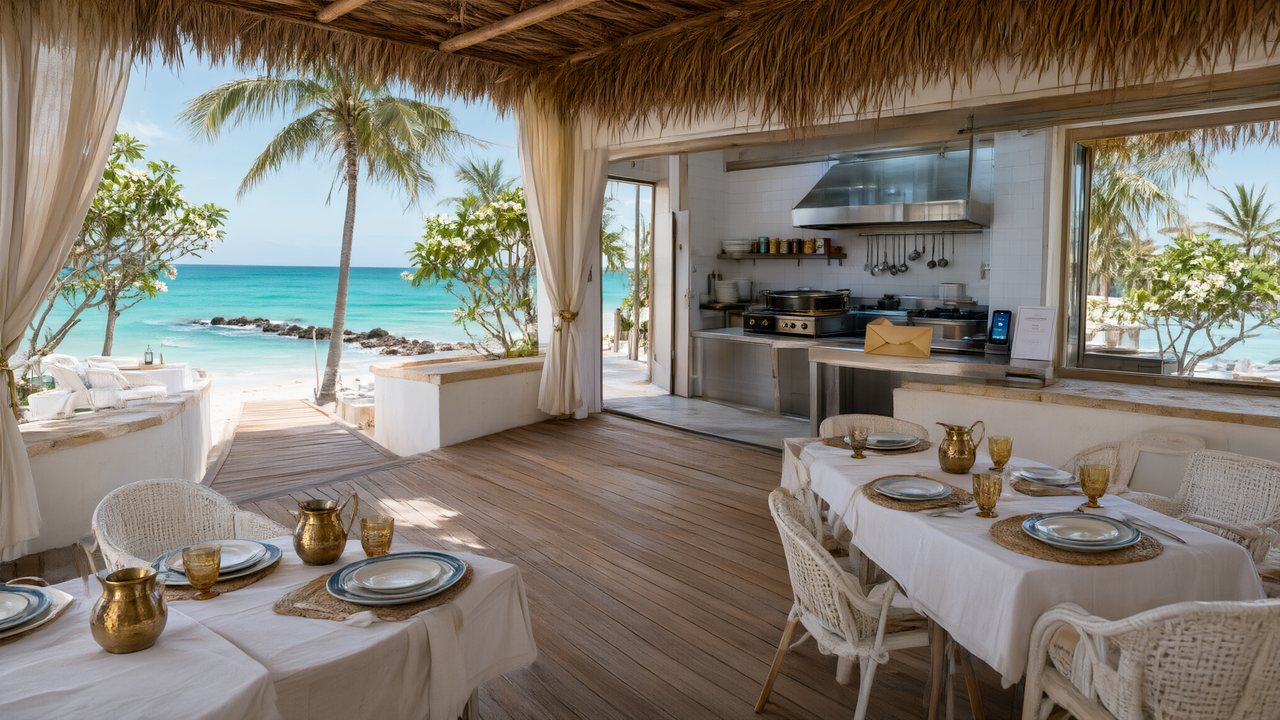 El Secreto de CostaEspañolNative dialogue
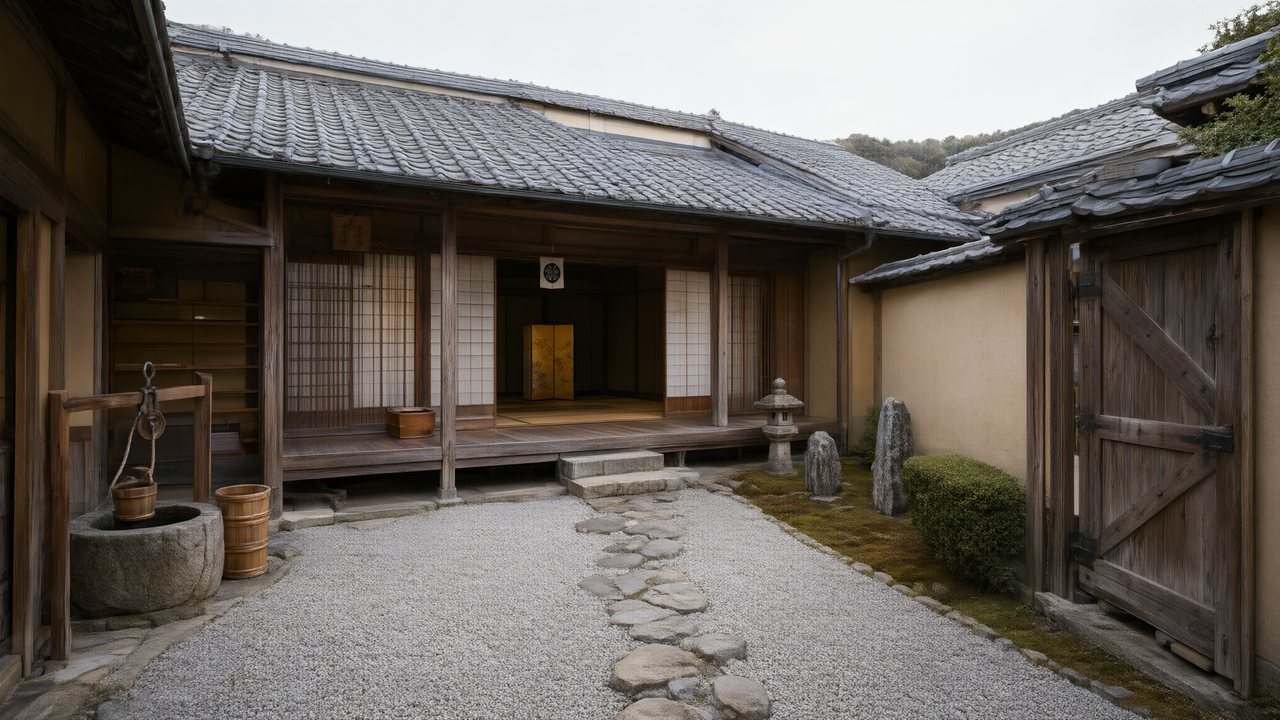 浪人の誓い日本語Native dialogue
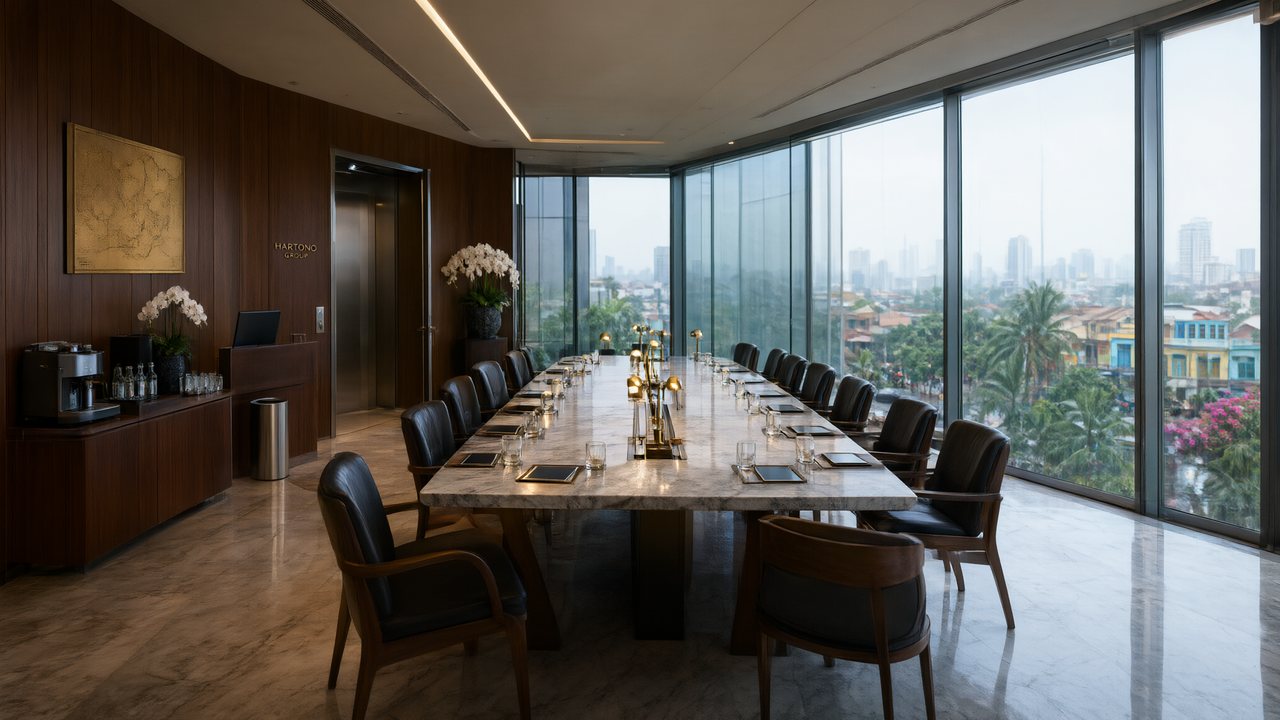 Ikrar JakartaBahasa IndonesiaNative dialogue
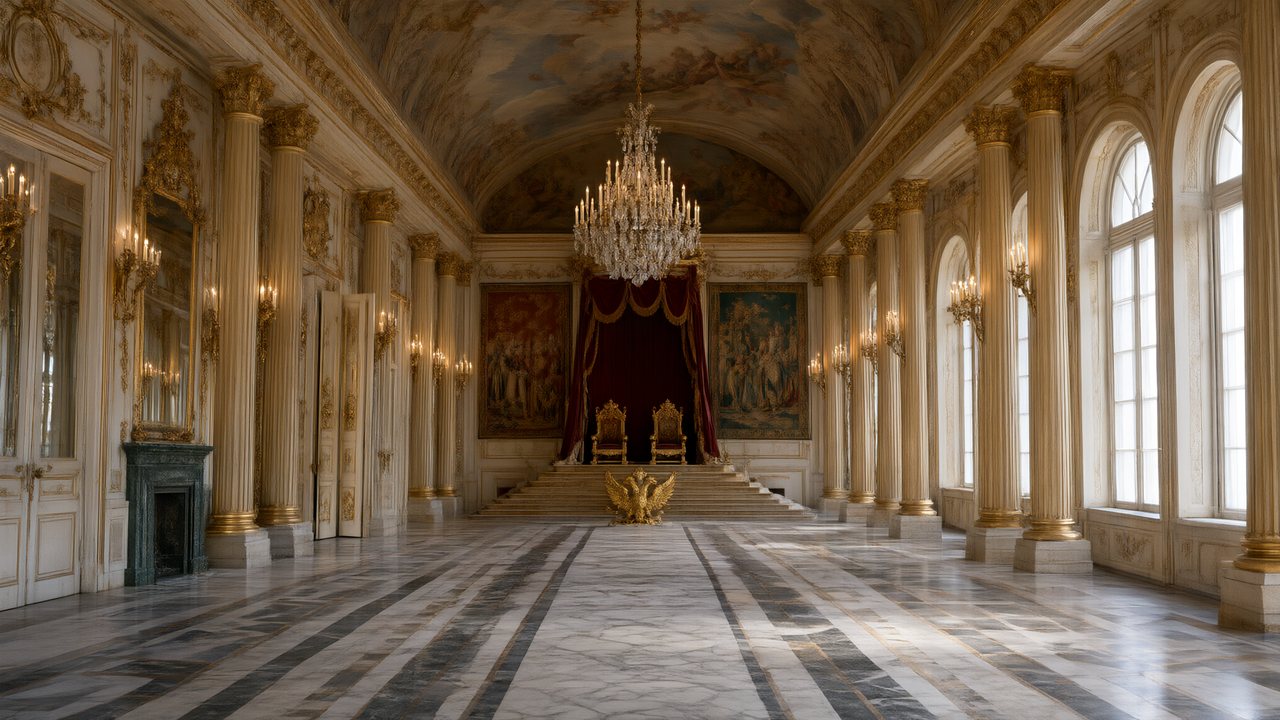 Зимняя коронаРусскийNative dialogue
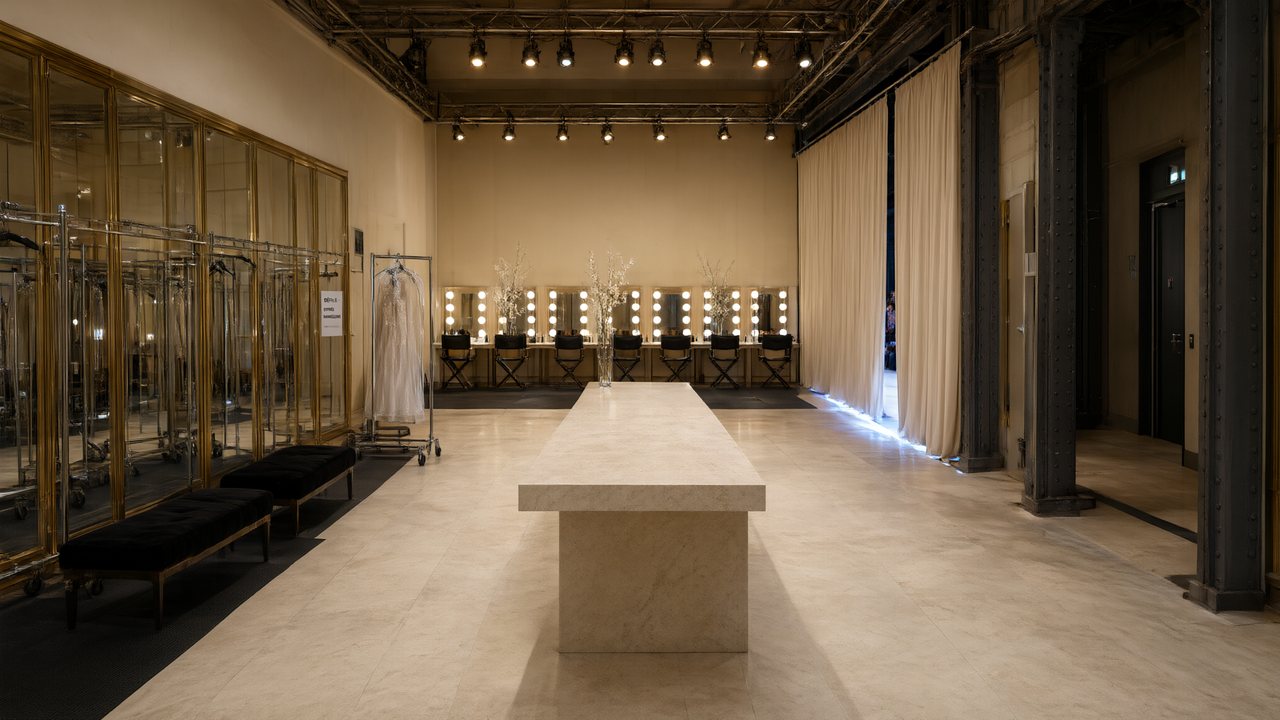 L’Héritier du DéfiléFrançaisNative dialogue
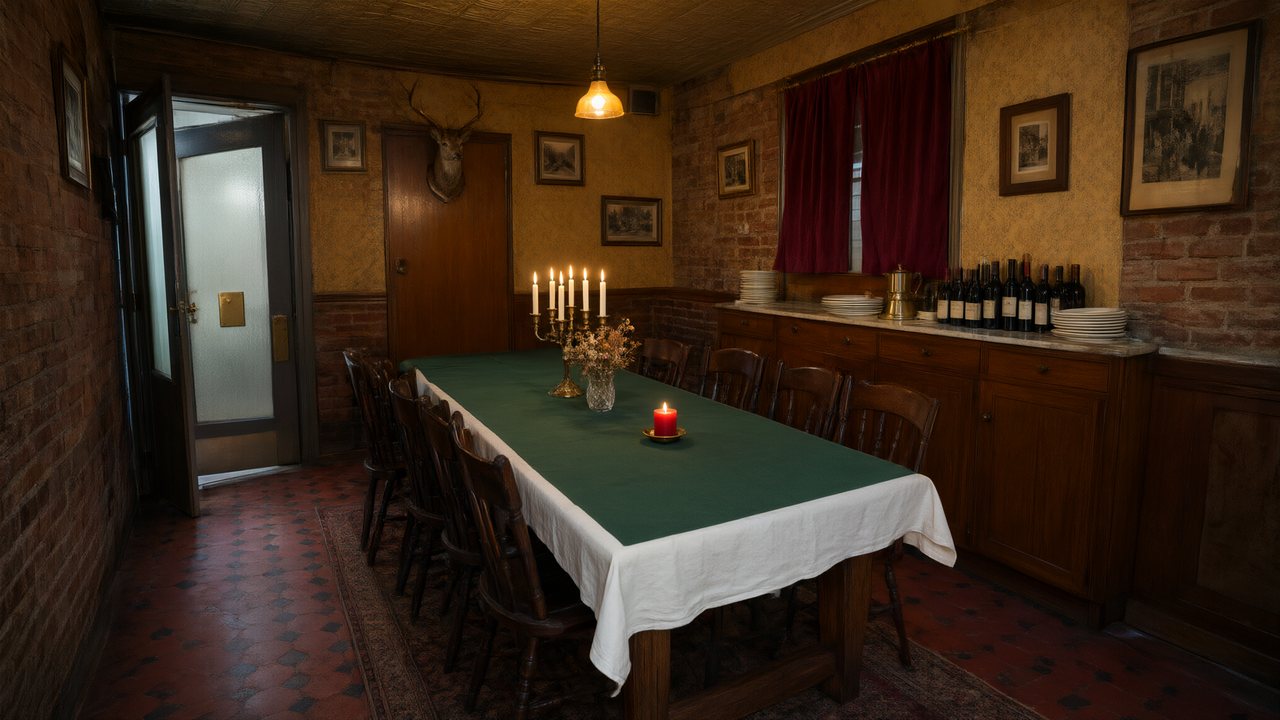 Il Tavolo dell'OlivaItalianoNative dialogue
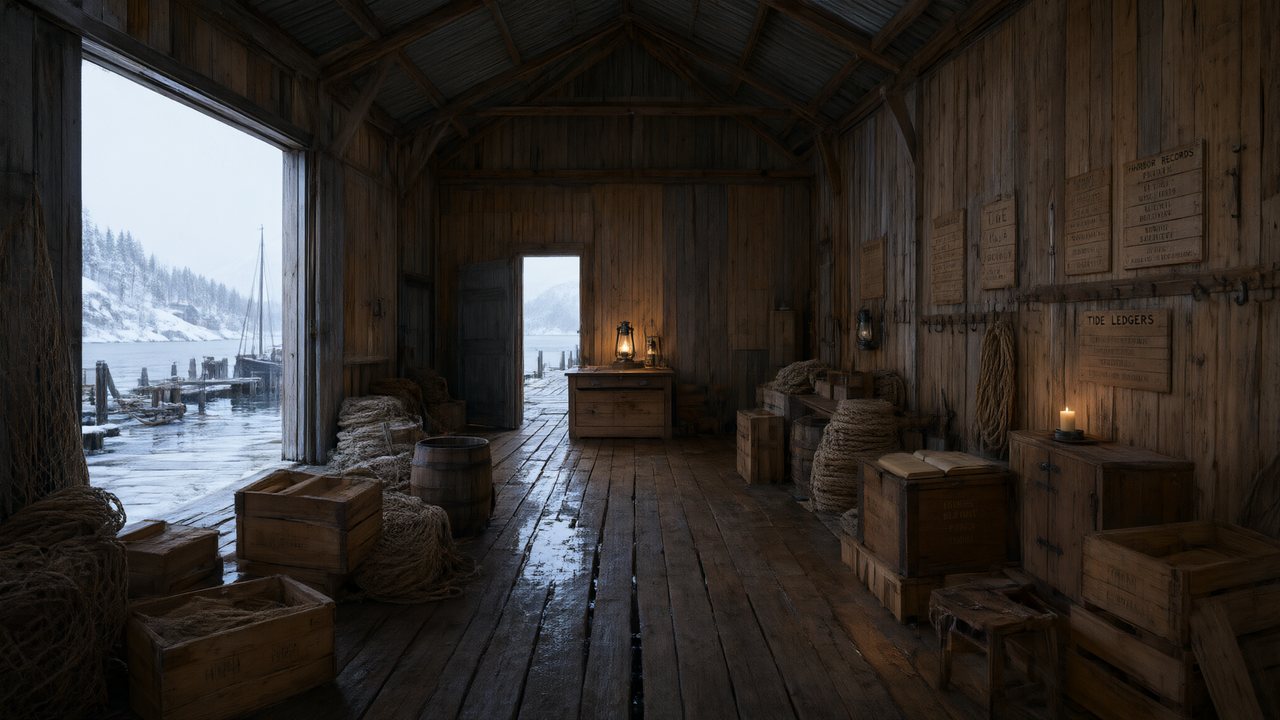 De Vuurtoren van de FjordNederlandsNative dialogue
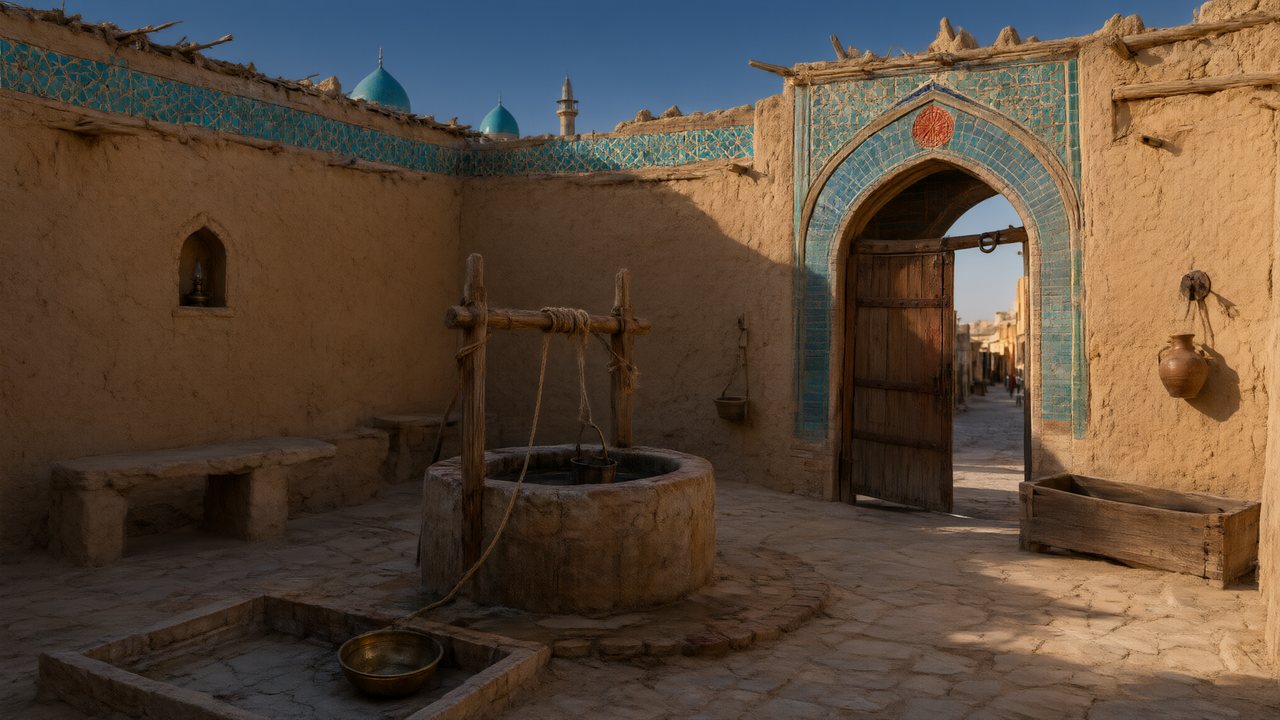 العهد الصحراويالعربيةNative dialogue
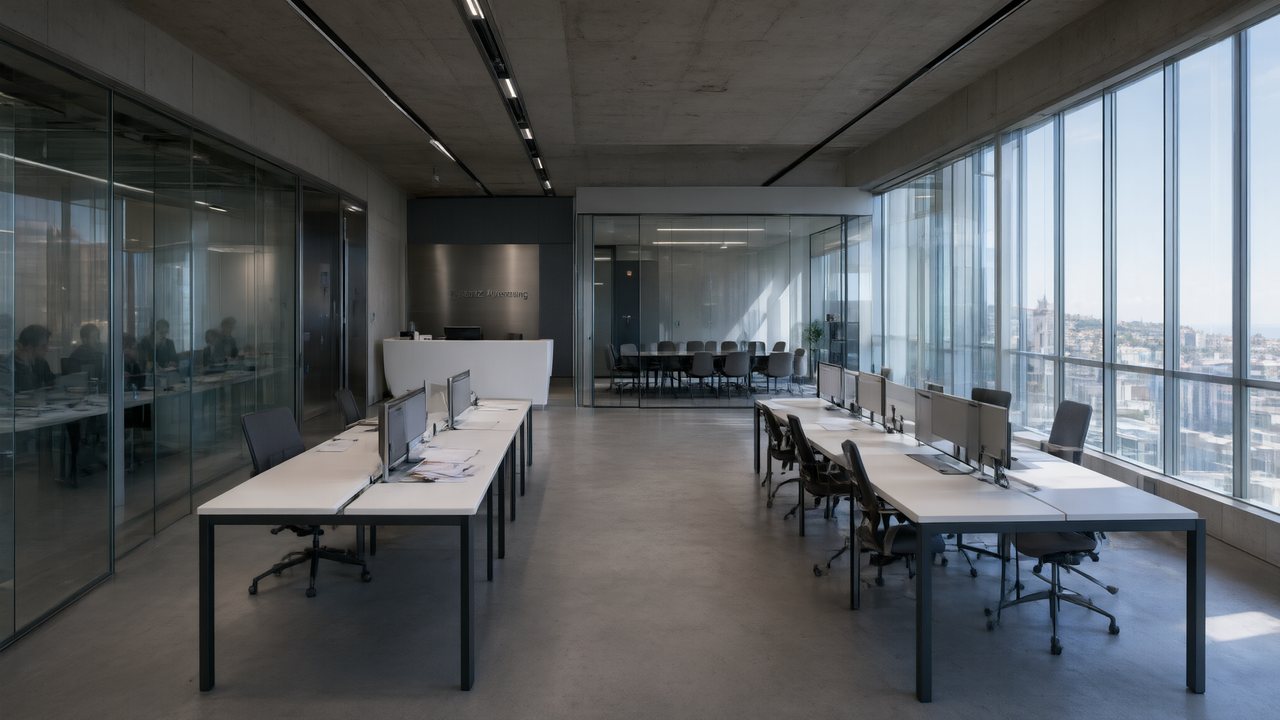 Çantasındaki SözleşmeTürkçeNative dialogue
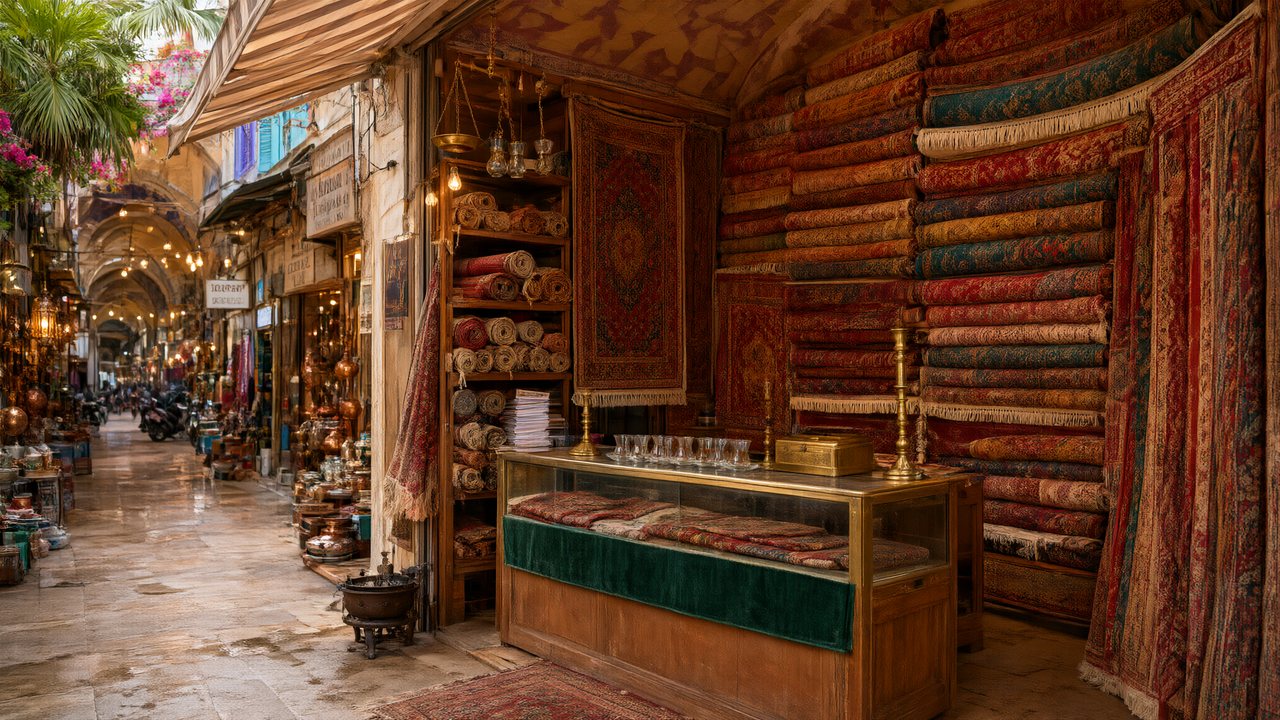 Die Istanbul-TäuschungDeutschNative dialogue
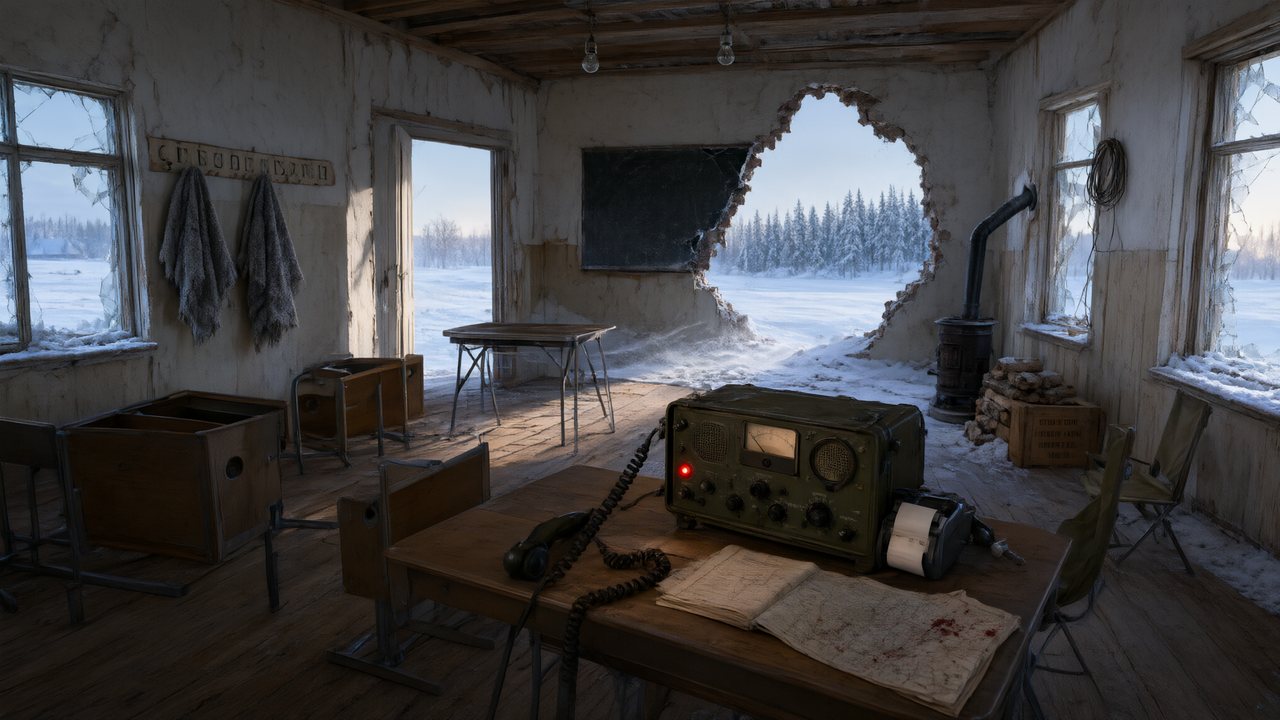 Останній сигналУкраїнськаNative dialogue
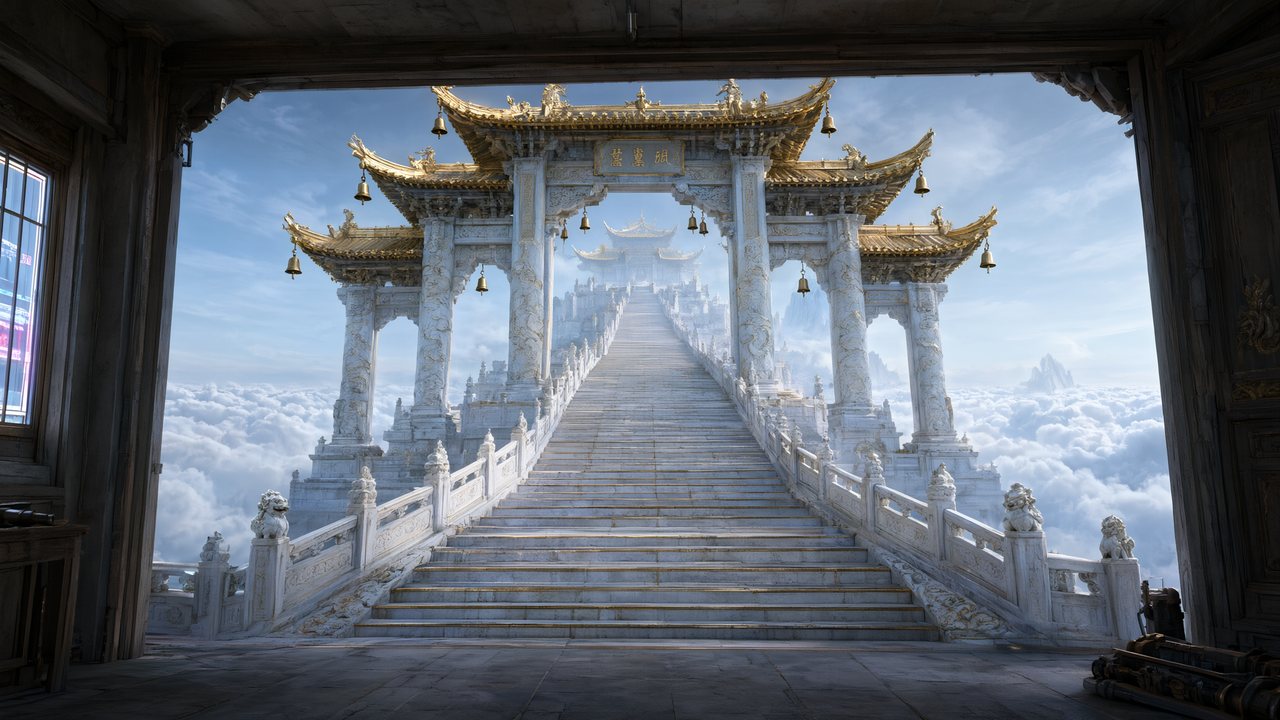 問劍青雲繁體中文Native dialogue
 The Last EnvelopeEnglishIn your language
In SceneMixer vs. stitching tools together
Most AI drama workflows are five or six tools in a row. This is where each step happens here, and what it replaces.
| Step | In SceneMixer | Doing it by hand with separate tools |
|---|---|---|
| Script and episode plan | Paste a script or a novel, or type one line: it is read into a cast, locations, props and an episode outline you can edit | A chat model writes the script; you split it into episodes and carry the text from tool to tool |
| Character faces and places | Every character, location and prop is drawn once as a reference sheet and attached to every shot it appears in | An image model, one sheet at a time; you upload the right reference to every clip yourself |
| Shots | A storyboard per episode with numbered shots and seconds; video is generated segment by segment in 9:16 or 16:9 against the same sheets | A video model, one clip per prompt, describing the same people again each time |
| Voices and dialogue | Lines are performed in the video itself, one voice per character, in any of 15 languages | A text-to-speech tool for each line, then a lip-sync pass on every clip |
| Fixing one shot | Edit that shot's text and regenerate the segment alone; the rest of the episode is untouched | Regenerate the clip, then re-cut the timeline |
| Finishing | Segments are composited into one episode file with its score; members download without the AI badge | A video editor to join the clips, add music and captions, then export |
| Publishing | You upload the finished episode to TikTok, YouTube, Instagram or anywhere else; nothing is posted for you | Upload by hand, the same as here |
Can you make money with AI dramas on TikTok and YouTube?
Yes, within each platform's rules, and the rules are about the account and the video, not about how the video was made. TikTok's Creator Rewards Program (checked November 2, 2026) is open to personal accounts aged 18+ in the United States, United Kingdom, Germany, Japan, South Korea, France, Mexico and Brazil with at least 10,000 followers and 100,000 video views in the last 30 days; a rewarded video must be original, longer than one minute and reach 1,000 views on the For You feed. YouTube's Partner Program needs 1,000 subscribers plus either 4,000 watch hours in the last 12 months or 10 million Shorts views in the last 90 days.
Both platforms require realistic AI-generated content to be labelled, and YouTube states that disclosing AI use alone does not limit a video's audience or its eligibility to earn. SceneMixer episodes are longer than a minute by design, carry an AI badge by default (members can switch it off and add the platform's own label instead), and are yours to publish. The full answer, with sources.
FAQ
Can I turn a storyboard into a video with AI?
Yes. Each segment of the written storyboard is rendered as video with the cast it names.
Can I upload my own storyboard drawings?
No. Paste a written shot list or script instead; the storyboard is rebuilt as text you can edit.
Is editing the storyboard free?
Yes. Only rendering video is charged.
Can I set shot lengths?
Yes. Each shot has seconds; they add up to the segment length, up to 15 or 30 seconds.
Can I control camera angles?
Yes, by writing the framing and movement in the shot.
Can AI rewrite the storyboard for me?
Yes. Describe the change and AI edit applies it to a segment or the whole episode.
Is SceneMixer like ReelShort or DramaBox?
No. ReelShort and DramaBox are apps for watching short dramas. SceneMixer is for making them: it turns your script or novel into episodes with a consistent cast and spoken dialogue, and you publish the episodes wherever you like, including those platforms' creator programmes where they exist.
Updated November 2, 2026