AI episode generator
AI Episode Generator
Updated September 21, 2026

How one upload becomes a season
- The script is read once, whole. A single analysis pass returns the cast, the locations, the props and the episode list — not a chapter at a time, so episode 12 already knows who episode 2 introduced.
- Long scripts switch to two calls. Past roughly 10,000 equivalent characters, analysis splits into one call for the cast and locations and a second for the episode skeleton. The reason is blunt: a single call silently truncates long books. In our own offline evaluation a 50-episode script came back as 10 episodes with no error raised — the model simply stopped.
- Each episode gets an outline, then a full one on demand. The skeleton pass writes a three-to-five sentence outline per episode; the full treatment is expanded when you open that episode, so a 60-episode upload is not paying for 60 expansions you may never use.
- Storyboard, video, composite — per episode. Every stage after analysis is scoped to one episode and billed to one episode.
What an episode carries
| Title | Generated from the episode's own content, editable. |
|---|---|
| Outline | A conflict arc, not a summary of events — with an emotional high point and an end-of-episode hook. |
| Hook type | Identity exposure, an unresolved emotional beat, or a reversal — rotated so consecutive episodes do not land the same way. |
| Cast and locations | Drawn from the project-wide asset library; new faces are added to it rather than invented per episode. |
| Storyboard | 4–15 second segments with shot descriptions, dialogue and per-shot durations. Generated per episode, billed per episode. |
| Composite | One file per episode, assembled from that episode's segments. |
Per-episode economics
Because the episode is the billing unit, the cost of a season is the cost of an episode times the number of episodes — and a mistake costs you one episode, not a season. Analysis is charged once for the whole upload at 4 credits per 3,333 characters of English text. Each episode's storyboard is then 1 credit per 333 characters of that episode, first pass and re-run at the same rate. Video starts at 10 credits per second of output (≈ $0.06/s at the lowest credit price) and compositing is 1 credit per second, so a 90-second episode runs about 990 credits of video and assembly on the cheapest tier. On a first project, storyboard generation is free up to episode 1. Full table on the pricing page.
A ten-episode season, itemised
A worked example with real rates rather than a range. Take a 30,000-character English script, the ten 90-second episodes it typically becomes, and the cheapest video tier (Wan 3.0 · 480P). Every figure below is pulled live from the same price list the app bills against.
| Line item | How it is charged | Credits |
|---|---|---|
| Script analysis | Once for the whole upload, by length | 36 |
| Storyboards | Per episode, by that episode's length × 10 | 90 |
| Video | Per second of output × 900 seconds | 9,000 |
| Compositing | Per second of finished episode × 900 seconds | 900 |
| Total | Fifteen minutes of finished series | 10,026 credits ≈ $62 |
Two things the table deliberately does not net out. Reference art is billed on top, at 7 credits an image on the default model — with 15 free per account, most first seasons pay for a handful. And the free allowance cuts the bill further: the episode-1 storyboard of your first project is free, as are 50 credits at sign-up. Move up the tiers and the video line is what moves: the same 900 seconds costs about seven and a half times more on the most expensive tier than on the cheapest ($0.47 a second against $0.06), and nothing else on the table changes.
How long a season takes to come out the other side
Measured across every job that completed successfully on scenemixer.com in the thirty days to 20 September 2026: analysis of a whole script runs about 2 minutes 49 seconds at the median, one episode's storyboard 1 minute 54 seconds, one video segment 3 minutes 20 seconds, and compositing an episode 3 minutes 52 seconds. Because segments run in parallel — three at a time on the free plan, up to twenty on the largest — an episode is about a quarter of an hour of machine time, and the episodes of a season can be queued while you are still reading episode one. None of that clock is billed; you are billed for output, not for waiting.
What happens when you regenerate an episode
Worth knowing before you click it: asking for a fresh storyboard on an episode replaces that episode's segments outright. Any video already generated for the old segments is no longer attached to the episode, and any per-segment choices you made by hand are recomputed from the new storyboard. Other episodes are untouched, and the project-wide cast and locations are untouched. If you only want to change a few shots, edit the storyboard text instead — that is free and re-renders only the segments you actually changed.
How long should an episode be?
Vertical series usually run 60–120 seconds an episode, and that is what the outline generator paces for. Length is built from segments rather than requested as a number: a 90-second episode is roughly eight to twelve generated segments stacked end to end. If your source material is a feature-length script rather than a serial, set the content type to film in Step 1 and the pacing rules change with it. The micro drama page covers the format's economics; novel to video covers the adaptation step that comes before episode one.
Every episode, in fifteen languages
The dialogue language is set once in Step 1 and the whole run is performed in it, with the target-region setting moving names, faces and streets to that market at the same time. Each sample below was produced that way, one per language.
Languages
Native dialogue in 15 languages
Every series below was produced by the same pipeline with the cast speaking that language natively: the interface, the working documents and the spoken lines are all in one language, and nothing is dubbed. Open one to hear it.
 A Carta de LisboaPortuguêsNative dialogue
 윈터 프라미스한국어Native dialogue
 El Secreto de CostaEspañolNative dialogue
 浪人の誓い日本語Native dialogue
 Ikrar JakartaBahasa IndonesiaNative dialogue
 Зимняя коронаРусскийNative dialogue
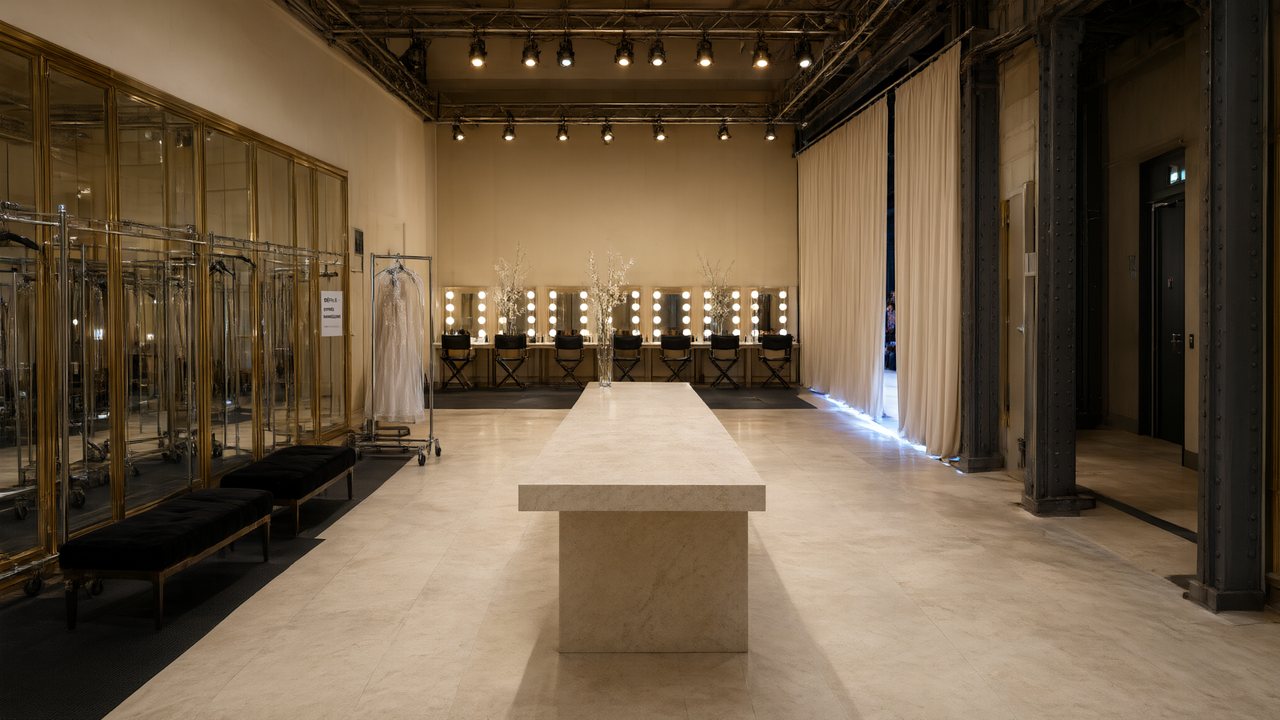 L’Héritier du DéfiléFrançaisNative dialogue
 Il Tavolo dell'OlivaItalianoNative dialogue
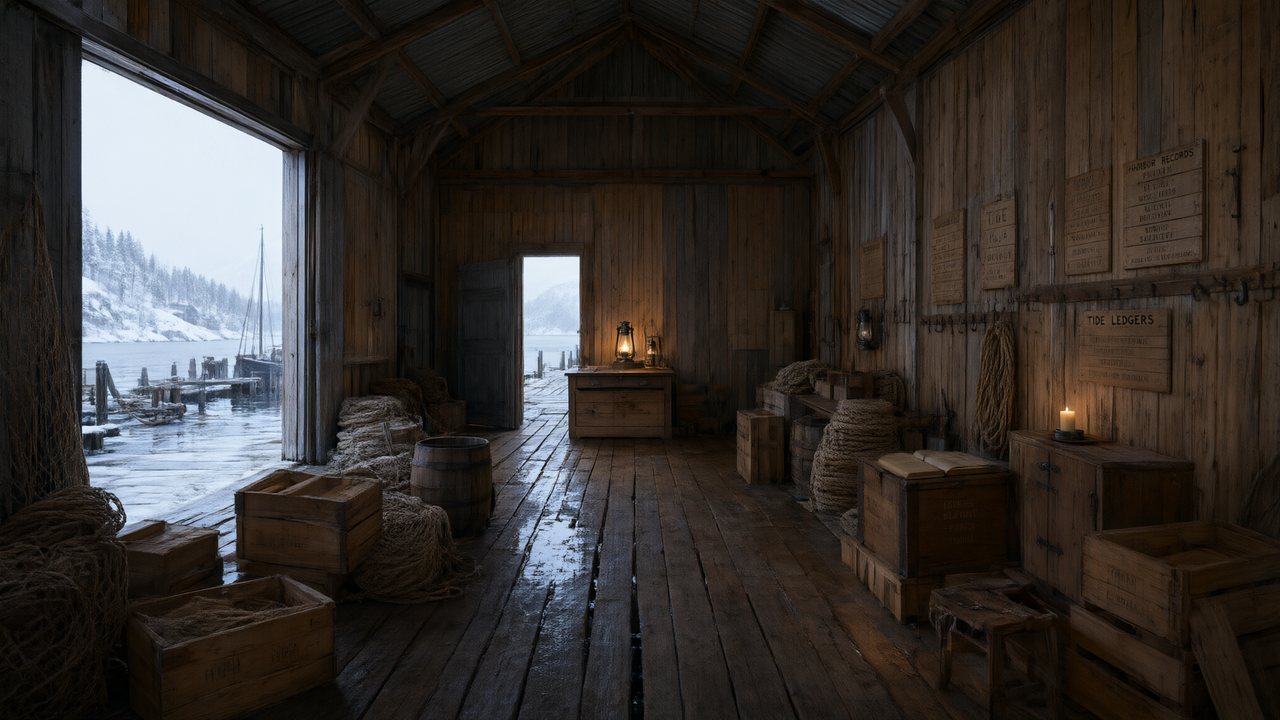 De Vuurtoren van de FjordNederlandsNative dialogue
 العهد الصحراويالعربيةNative dialogue
 Çantasındaki SözleşmeTürkçeNative dialogue
 Die Istanbul-TäuschungDeutschNative dialogue
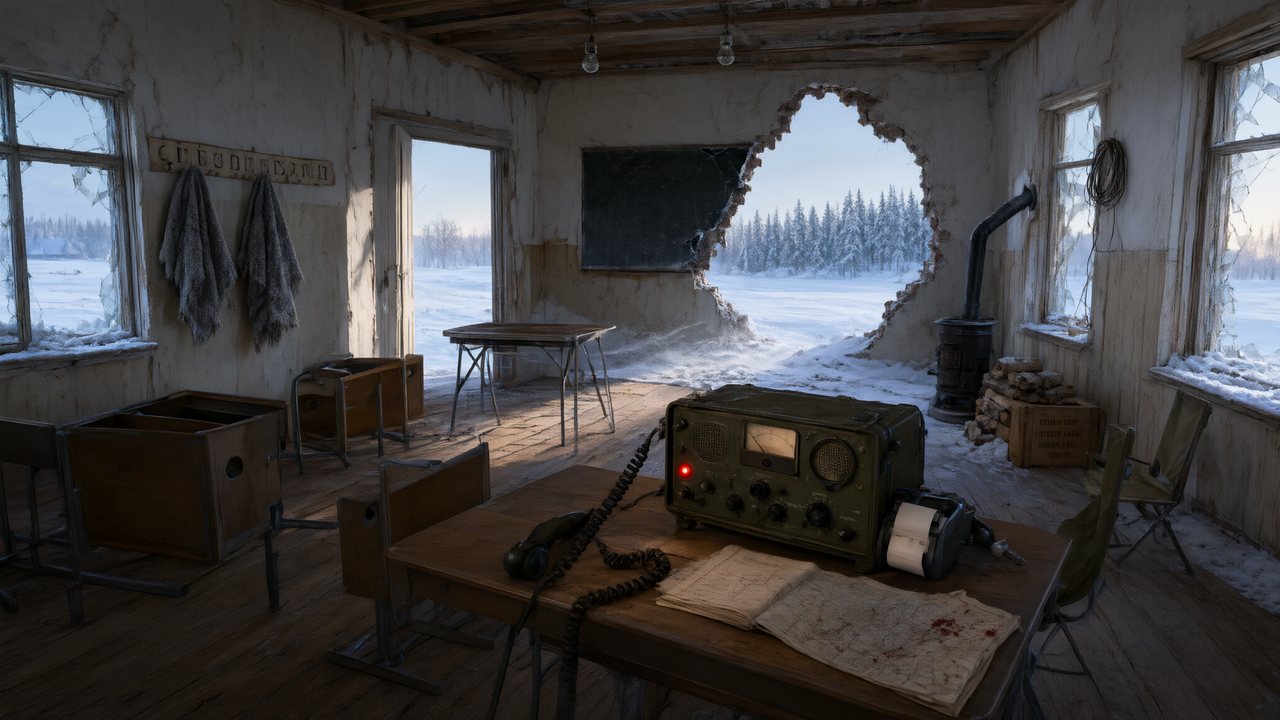 Останній сигналУкраїнськаNative dialogue
 問劍青雲繁體中文Native dialogue
 The Last EnvelopeEnglishIn your language
Frequently asked questions
How many episodes will it generate?
As many as the material supports — the episode count comes from the script's own structure, not from a number you pick. A 30,000-character novel typically lands around ten episodes of 90 seconds; a serial with explicit chapter breaks is split along them.
Can I generate episode 5 without generating 1 through 4?
Yes. Storyboards and video are requested per episode, in any order. The only project-wide step is the initial analysis, which covers every episode at once.
Do later episodes remember earlier ones?
The cast, locations and props are project-wide, so episode 40 uses the same asset library as episode 1, and the outline for every episode is written in one pass with the whole story in view. What is not shared is the video: each segment is generated independently against the reference art.
What happens to a very long script?
Past roughly 10,000 equivalent characters the analysis runs as two calls instead of one — a pass for the cast and locations, then a pass for the episode skeleton — and each episode's full outline is expanded when you open it. The ceiling for the two-call path is far higher than for the single-call one.
Can I see a shot before I pay for a season?
Yes. Every account gets one free preview of up to 5 seconds, and it is your own material — the opening shot of your own episode, rendered against your own character sheets on the 480P tier. Together with the 15 free reference images and the free episode-1 storyboard, that is a full pass through the pipeline before any decision about the rest of the season.
What happens if I abandon a season halfway through?
You are out the credits you spent on the episodes you generated, and nothing else. There is no seat licence, no minimum term, and no charge for episodes that only exist as an outline — the skeleton pass writes them, but the expensive stages are requested one episode at a time. Unused credits stay on the account.
Is regenerating an episode's storyboard cheaper the second time?
No — it is the same price as the first pass, because it is the same model call over the same text. Editing the storyboard by hand is free, so it is usually the better move for small changes.
A season, one episode at a time
One upload, a numbered episode list, and a pipeline that bills by the episode.
Try SceneMixer freeCredit packages from $1.49 · Pro $7.99/mo · No credit card to start
Pricing·Novel to Video·Guides·Samples·Support·Privacy·Terms·Legal·Contact·© 2026 SceneMixer