Book to Movie AI
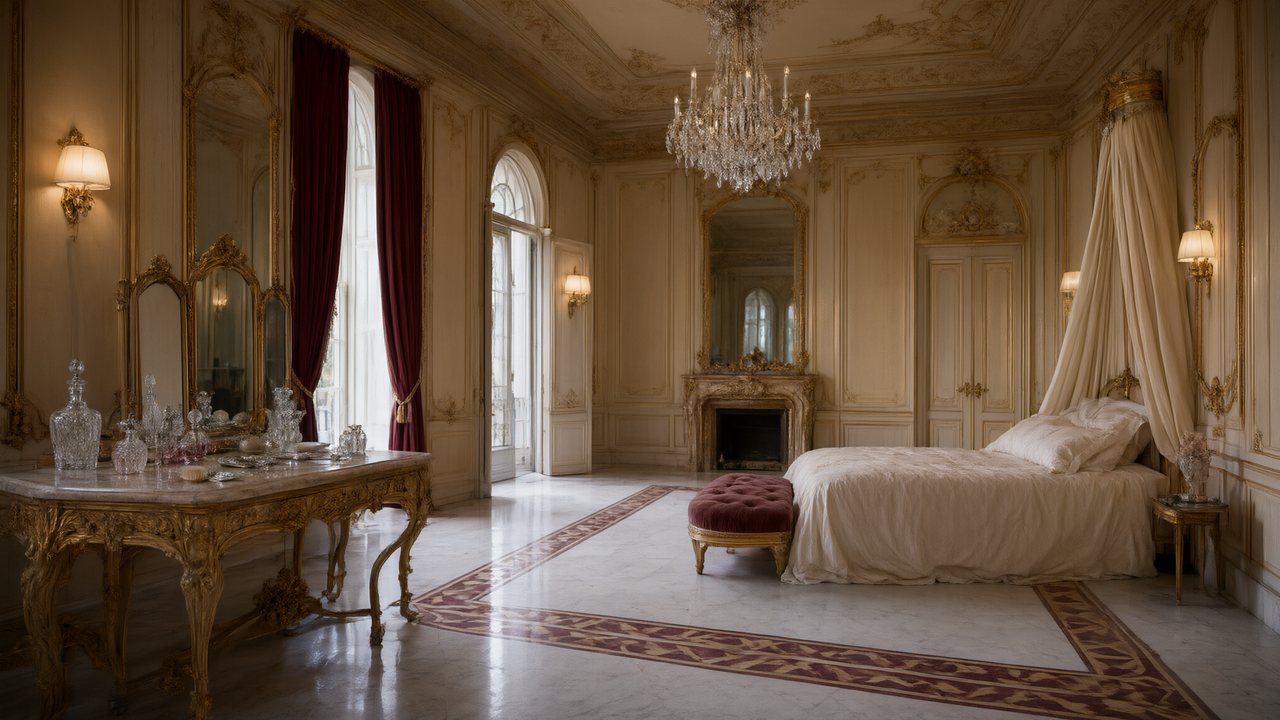
Film or series: decide before the book is read
| You want | Type | What it does to the book |
|---|---|---|
| One film from a short book or one story | Film | Sequences instead of episodes, no hard length cap, no forced hook; silence and subtext allowed |
| A season from a novel | TV Series | Episodes of up to 300 seconds, a closing beat on each |
| A fast vertical cut | Short Drama | Episodes of up to 240 seconds, conflict early, a hook to close each |
The type is part of the read, so choose it first. Short drama, series or film · Book to video: the full guide.
What happens to a book
- It is read. Characters, places and props are listed, and the story is cut into sequences or episodes with an outline for each. A long book is read in two passes. How long scripts are read.
- You check it. Merge two names that are one person, remove a place you do not need, edit the outline. Nothing is rendered yet.
- The cast is drawn once. Each character gets a full-body sheet; each place becomes a set. The first 15 setup images are free.
- Sequence one is made first. Storyboard, video and join for the first sequence; watch it before you pay for the next.
Which books work
| Kind of book | Works as | Notes |
|---|---|---|
| Your own novel | A film, or a series of one or two chapters per episode | The usual case |
| A memoir or family history | A short film or a few episodes | Real people become invented faces unless you have their consent |
| A children's picture book | A short cartoon | A drawn look such as Watercolor Storybook |
| A public-domain classic | An adaptation in any style | Check the text is public domain where you publish |
| Non-fiction | Dramatised scenes | Works when there are people and moments; pure argument does not |
The book must be yours or licensed to you. Other people's characters, and well-known film versions of them, are refused by the IP check.
Length and cost, honestly
Reading a book is cheap. Making it is not: the film is rendered at 10 credits a second on the default tier (about $0.06 a second at the lowest credit price) plus 1 credit a second to join, so a 90-minute film is a very large number of paid segments. The practical route is to adapt in stages: a trailer first, then the opening sequence, then the rest as the budget allows. A book trailer first · Choosing script length and cost.
Files and languages
Paste the text or drop a .txt, .docx or .md file. PDFs and e-book files are refused; export or copy the text. The film can be cast for another market and spoken in any of 15 dialogue languages, so one book can have a second-language version. Which files work · Casting for another region.
Languages
Native dialogue in 15 languages
Every series below was produced by the same pipeline with the cast speaking that language natively: the interface, the working documents and the spoken lines are all in one language, and nothing is dubbed. Open one to hear it.
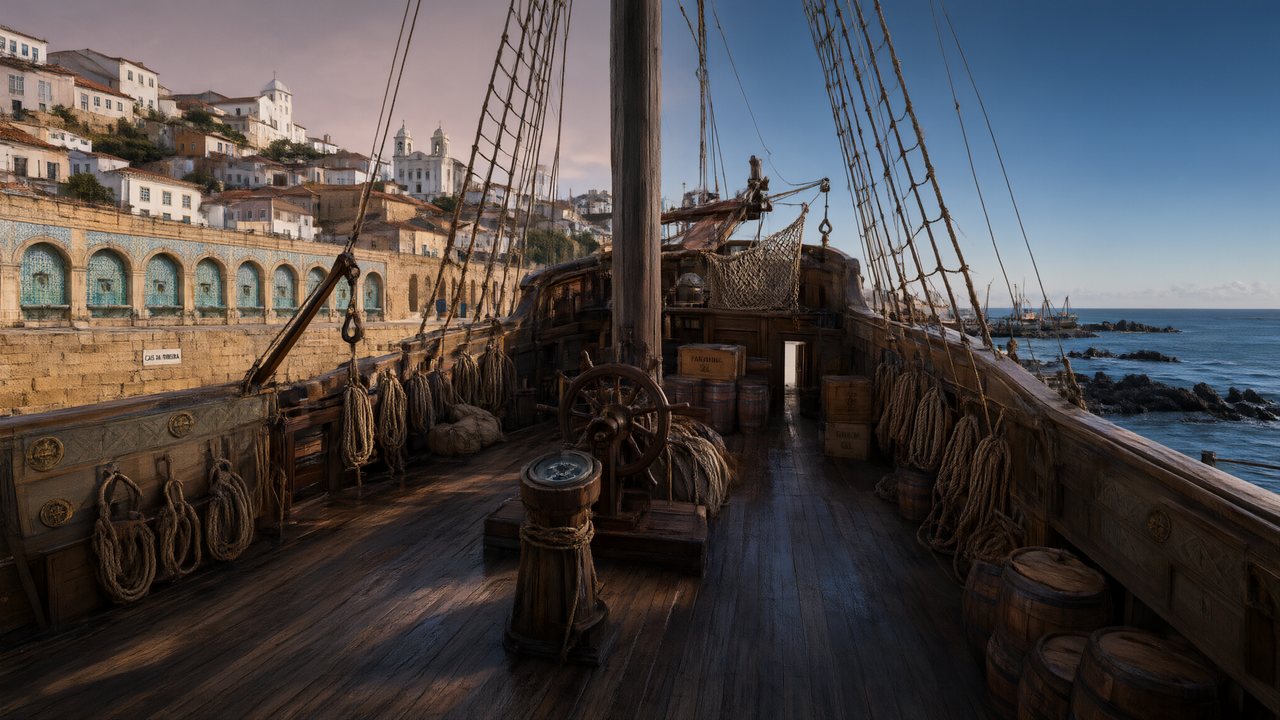 A Carta de LisboaPortuguêsNative dialogue
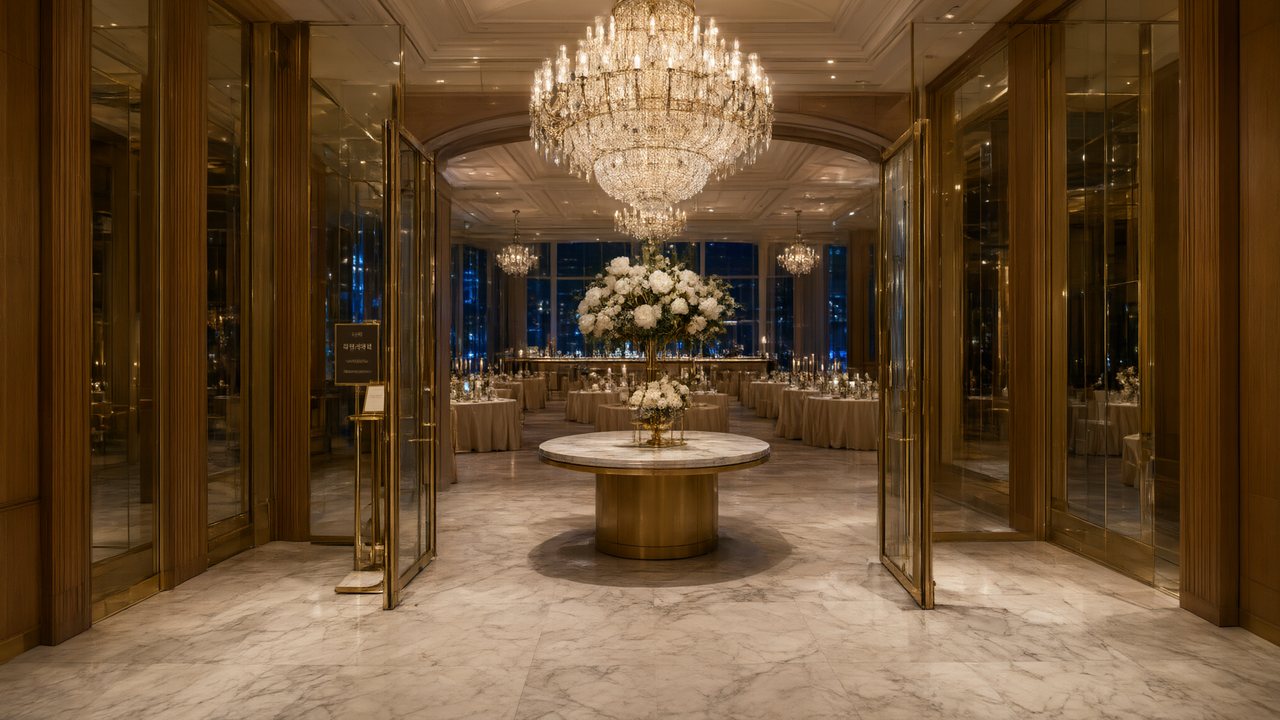 윈터 프라미스한국어Native dialogue
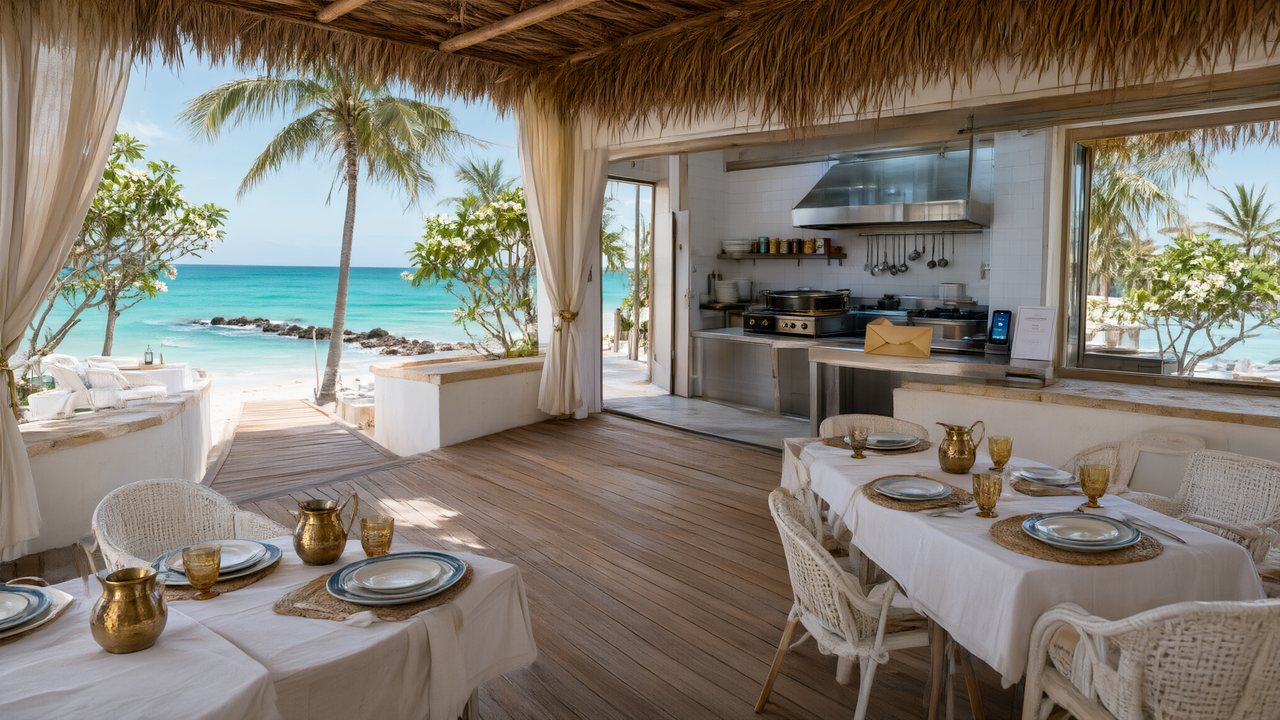 El Secreto de CostaEspañolNative dialogue
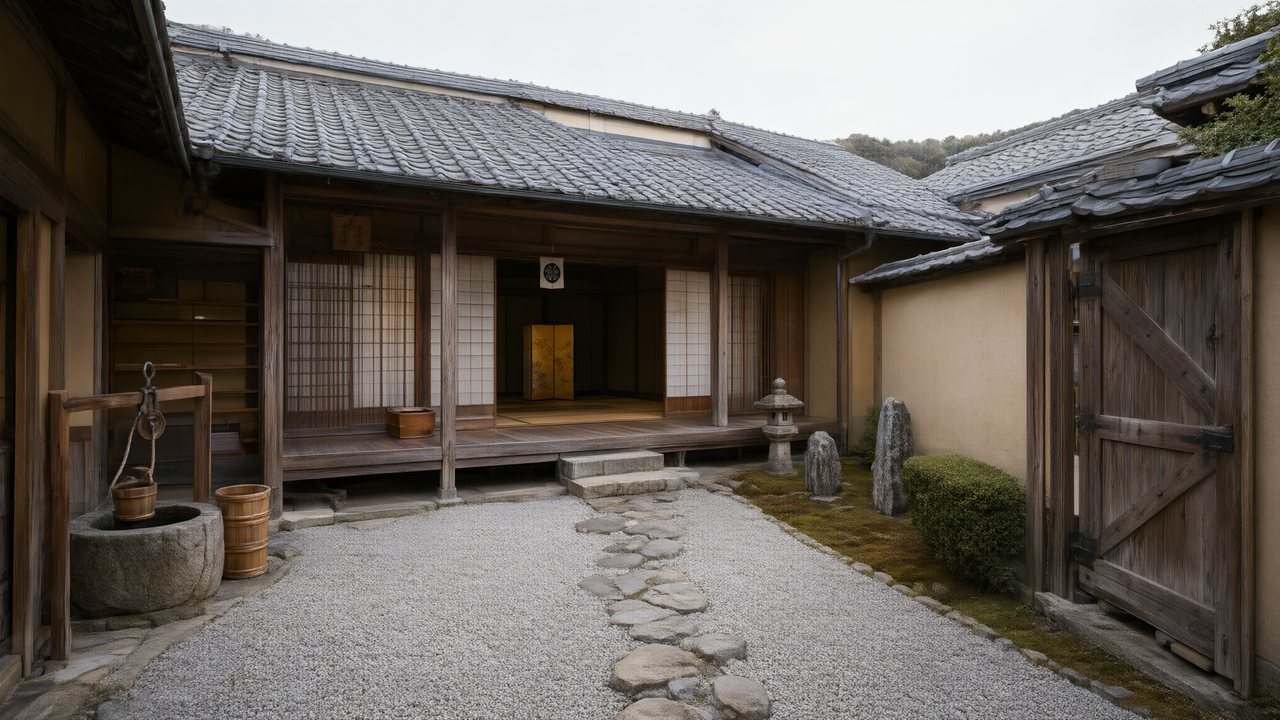 浪人の誓い日本語Native dialogue
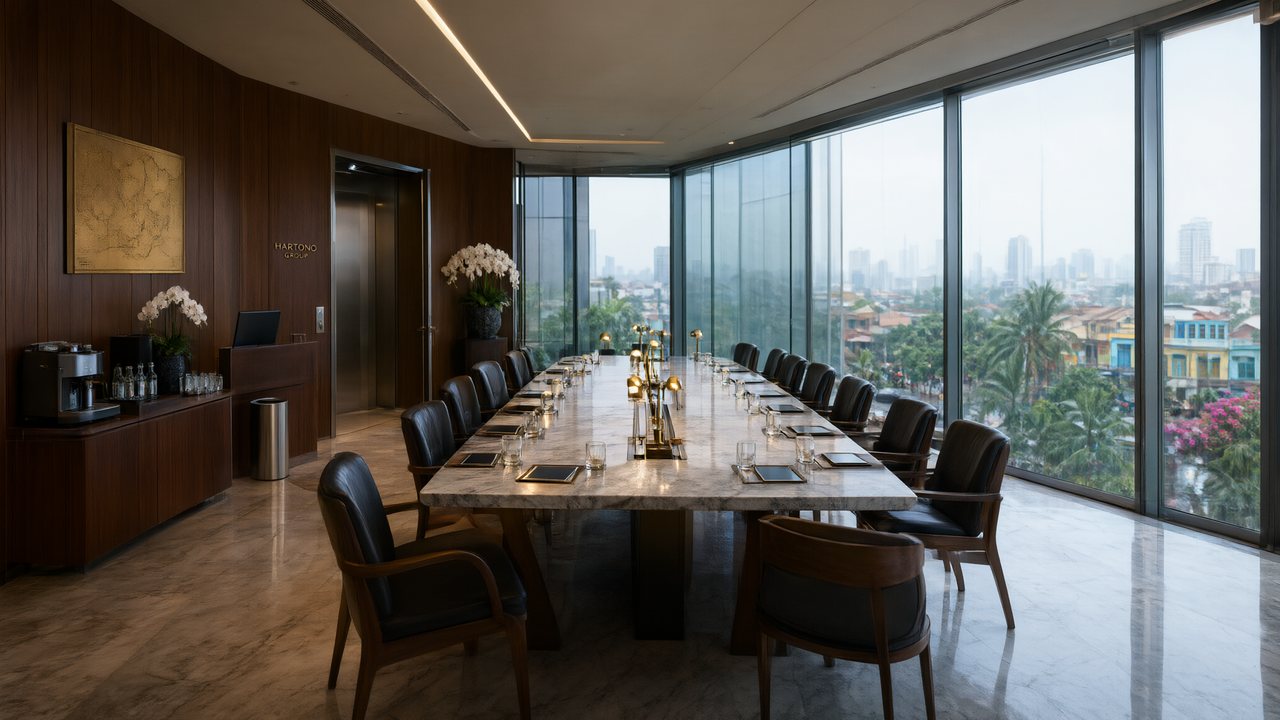 Ikrar JakartaBahasa IndonesiaNative dialogue
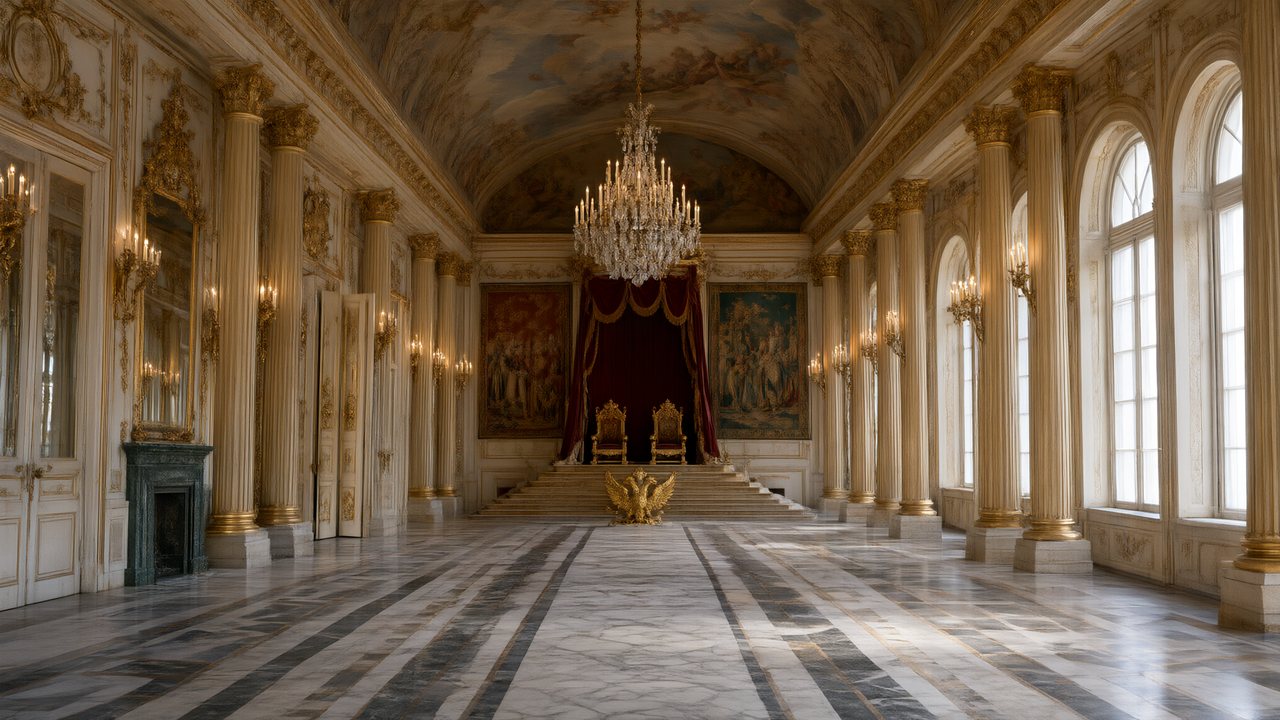 Зимняя коронаРусскийNative dialogue
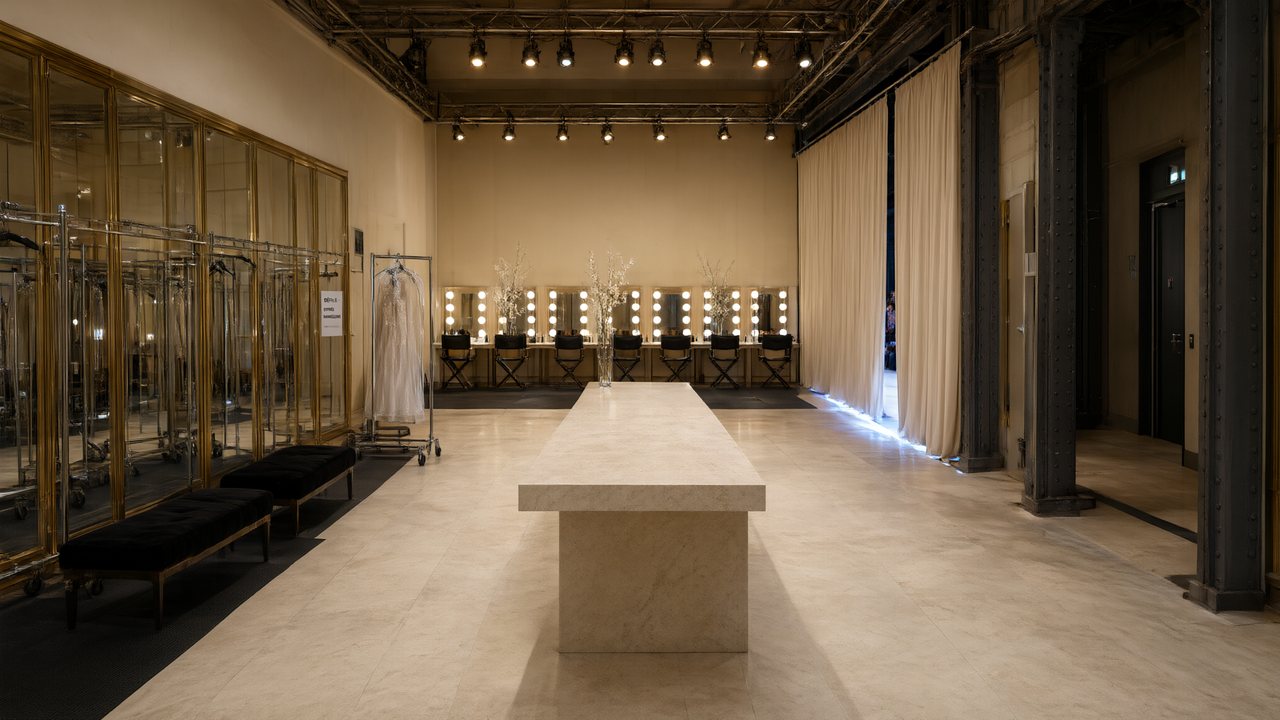 L’Héritier du DéfiléFrançaisNative dialogue
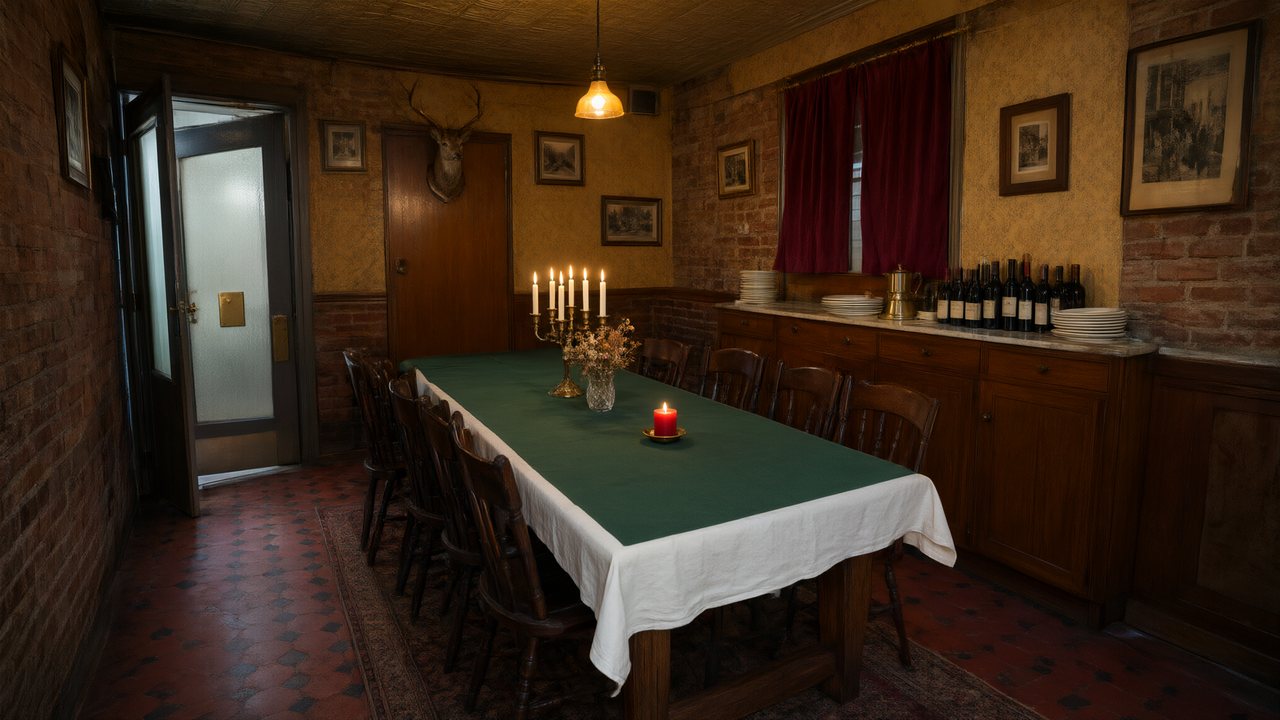 Il Tavolo dell'OlivaItalianoNative dialogue
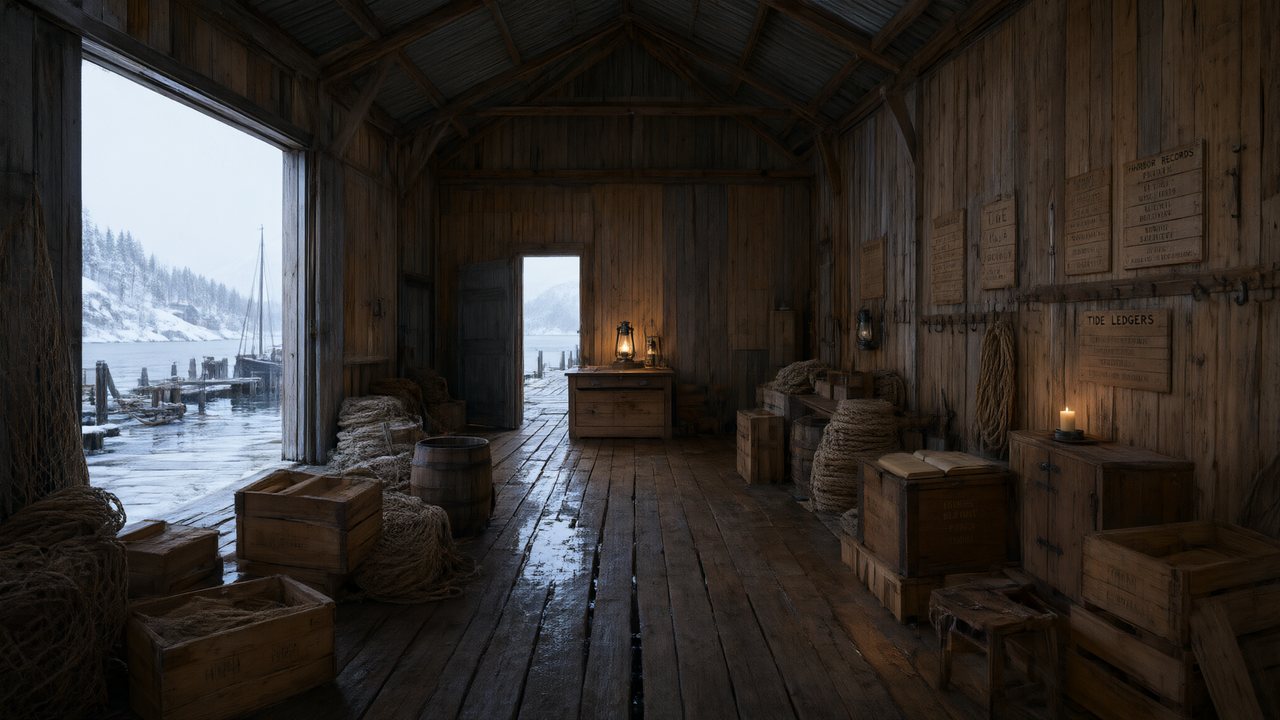 De Vuurtoren van de FjordNederlandsNative dialogue
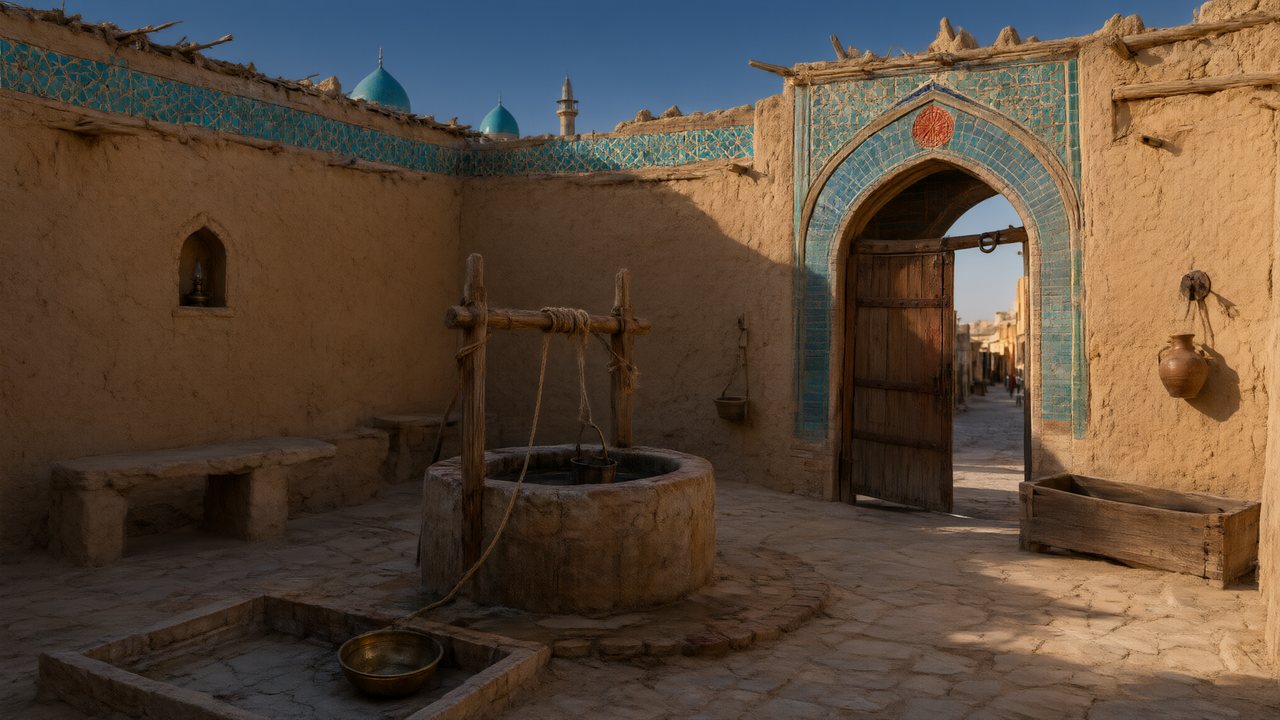 العهد الصحراويالعربيةNative dialogue
 Çantasındaki SözleşmeTürkçeNative dialogue
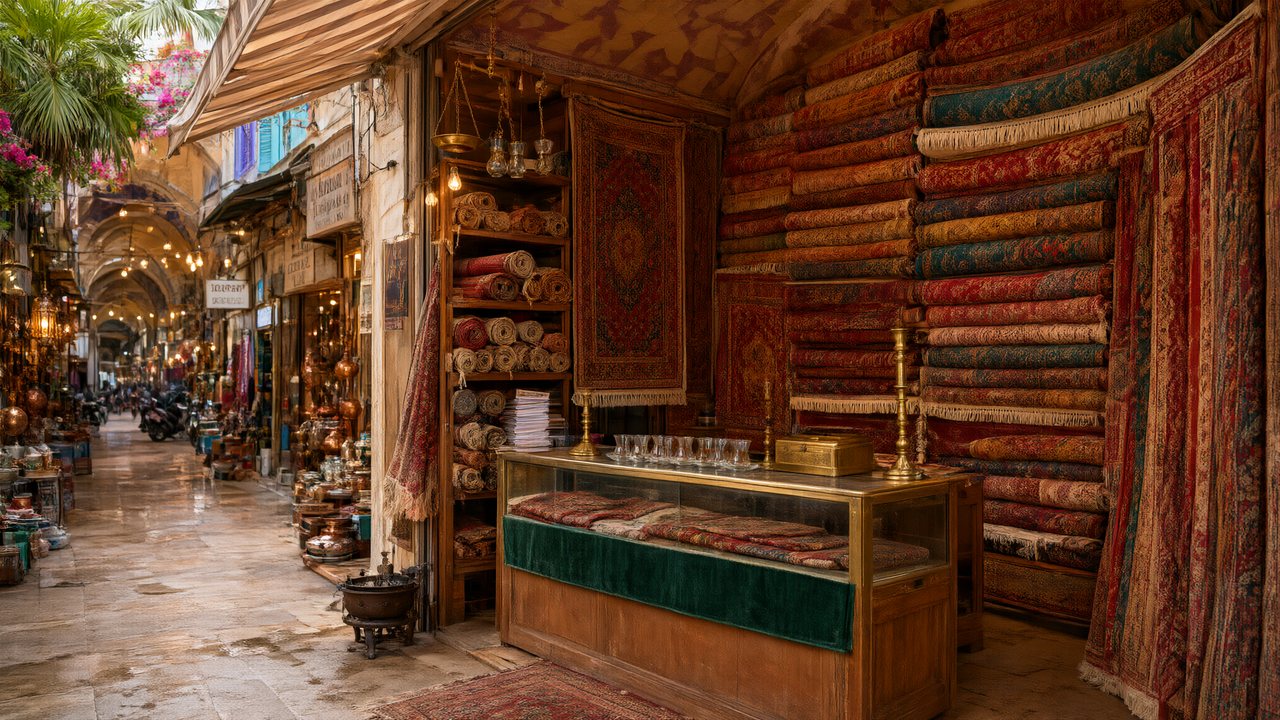 Die Istanbul-TäuschungDeutschNative dialogue
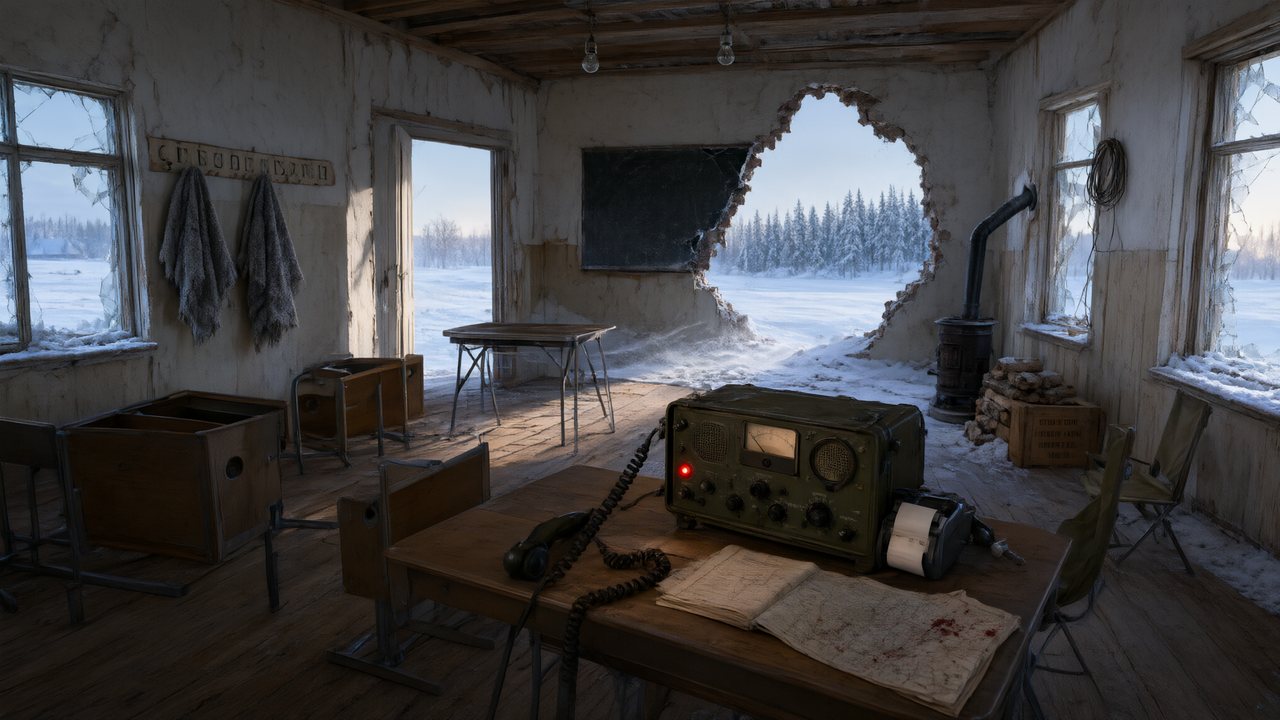 Останній сигналУкраїнськаNative dialogue
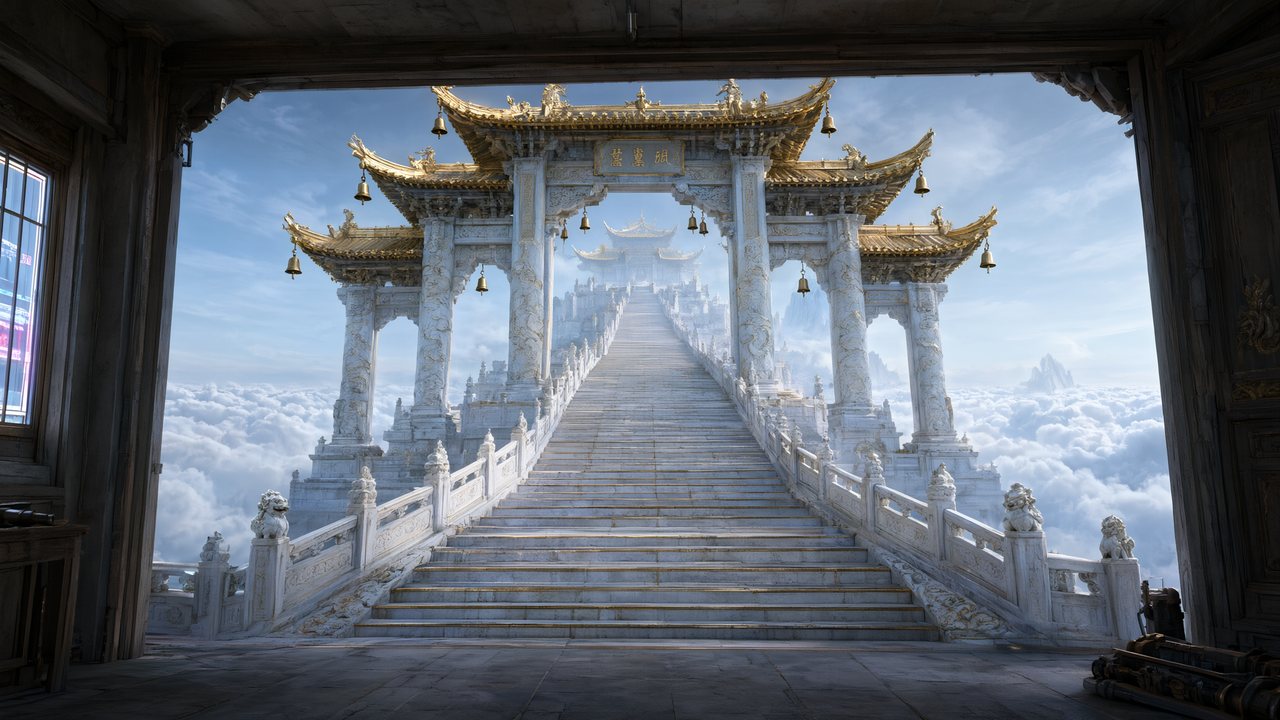 問劍青雲繁體中文Native dialogue
 The Last EnvelopeEnglishIn your language
In SceneMixer vs. stitching tools together
Most AI drama workflows are five or six tools in a row. This is where each step happens here, and what it replaces.
| Step | In SceneMixer | Doing it by hand with separate tools |
|---|---|---|
| Script and episode plan | Paste a script or a novel, or type one line: it is read into a cast, locations, props and an episode outline you can edit | A chat model writes the script; you split it into episodes and carry the text from tool to tool |
| Character faces and places | Every character, location and prop is drawn once as a reference sheet and attached to every shot it appears in | An image model, one sheet at a time; you upload the right reference to every clip yourself |
| Shots | A storyboard per episode with numbered shots and seconds; video is generated segment by segment in 9:16 or 16:9 against the same sheets | A video model, one clip per prompt, describing the same people again each time |
| Voices and dialogue | Lines are performed in the video itself, one voice per character, in any of 15 languages | A text-to-speech tool for each line, then a lip-sync pass on every clip |
| Fixing one shot | Edit that shot's text and regenerate the segment alone; the rest of the episode is untouched | Regenerate the clip, then re-cut the timeline |
| Finishing | Segments are composited into one episode file with its score; members download without the AI badge | A video editor to join the clips, add music and captions, then export |
| Publishing | You upload the finished episode to TikTok, YouTube, Instagram or anywhere else; nothing is posted for you | Upload by hand, the same as here |
FAQ
Can AI turn a book into a movie?
Yes, for a book you wrote or have the rights to. It reads the text into characters, places and sequences and renders a film with spoken dialogue, one sequence at a time.
How long a book can I upload?
Up to 300,000 characters of English per project, about 50,000 words. Longer books are split into volumes that share one cast.
Which file types work?
.txt, .docx and .md, or pasted text. PDFs and e-book files are refused.
Can I adapt someone else's book?
Only if you have the rights. Famous characters and other people's IP are refused by the IP check.
How much does it cost?
Reading is 4 credits per 1,000 characters, English counted lighter. Video is 10 credits a second on the default tier plus 1 credit a second to join.
Should I make a film or a series?
A short book or one story suits Film; a novel usually suits a TV Series season, one or two chapters per episode.
Is there a free way to try it?
Paste chapter one, read the summary and the first storyboard for free, and use the 5-second preview before you spend.
Does it keep the narrator?
You can keep the narrator as voice-over lines, or let scenes play with dialogue only.
Start with chapter one
Read the summary, check the cast, then decide how much of the book to make.
Updated November 2, 2026