AI video for authors, novelists and screenwriters
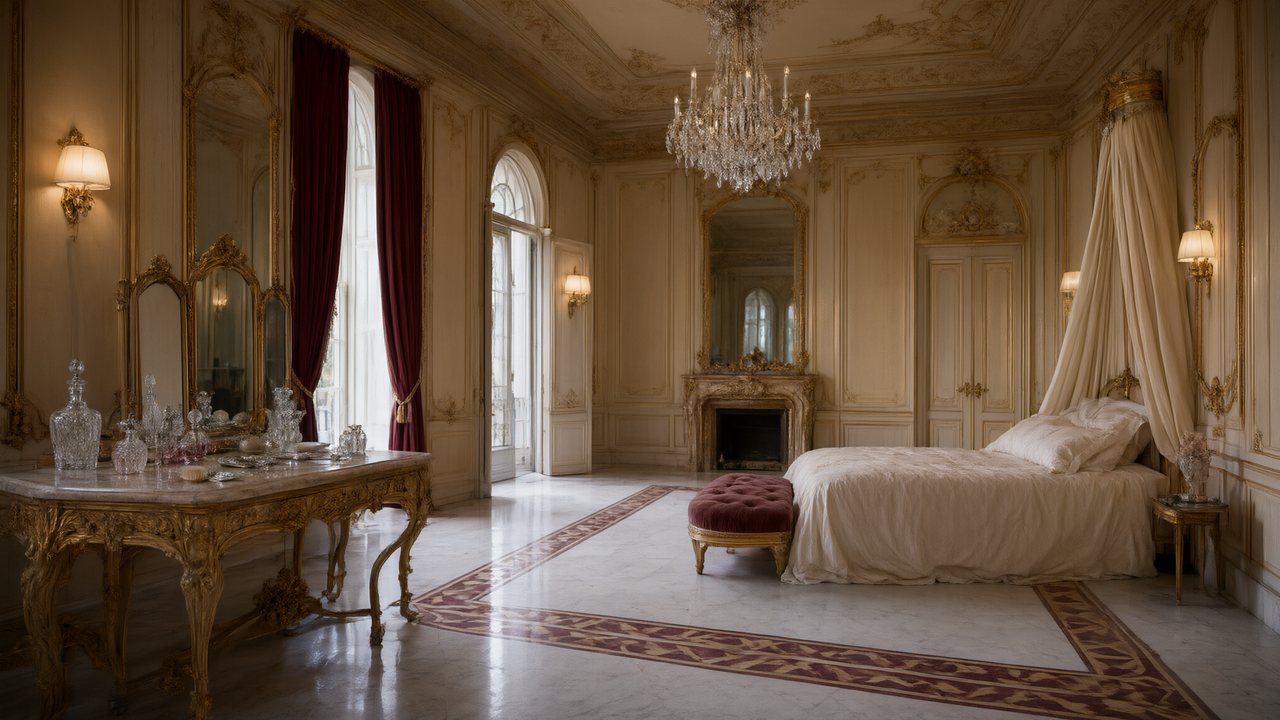
A first-page trailer script to paste into a new project: NARRATOR (voice-over): In the town of Halloway, nobody has opened the lighthouse door in forty years. Tonight, someone knocked from inside. Then three moments that raise a question, and a last line.
Five things a writer can make
| Make | Start from | Result | Guide |
|---|---|---|---|
| A story trailer | A one-page trailer script you write | Your characters and settings filmed in 60 to 90 seconds; title spoken by a narrator | Book trailers |
| A cover trailer | Your cover photo, one line, an Ad Video project | 15, 30 or 60 seconds, ending on an end card with title, tagline and Pre-order now | An ad from one photo |
| A look-book | The character and place descriptions from your book | Character sheets and scene images you can show a cover designer or an editor | Character sheet template |
| A scene on screen | One scene of your screenplay or chapter | A storyboard with seconds and a moving version of each segment | Previs and animatics |
| A pitch teaser | A logline and a trailer script | A pilot or a one-minute trailer for a pitch | Pilot and pitch trailer |
Book to movie AI · Can AI turn a book into a movie?.
For novelists: what goes in
- Text. Paste it, or drop a .txt, .docx or .md file. A Word file keeps its text and paragraph order and loses styles, comments and images. Which script files work.
- A length the project can read. One project reads up to 300,000 characters of English, roughly 50,000 words; a script over the limit is split into volumes and each volume is its own project. Length caps.
- The chapters you choose, not the whole novel: pasting a whole novel gives you the whole novel, episode by episode. For a trailer, write a one-page trailer script instead.
- Narration kept as voice-over. Your narrator can be heard and never seen. Voice-over and captions.
Upload a script and parse it · Building the world before the storyboard.
For screenwriters: a screenplay as input
A screenplay works as input like any other script. Export it as plain text or Word (a Fountain file is plain text: rename it to .txt) or paste the pages. Keep the scene headings (INT. KITCHEN – NIGHT); they tell the reading where and when each scene happens. For lines that must be spoken word for word, put the name and the line on one line: MARA (quietly): Read it before you say no. Use one spelling for each name, because MARA in one scene and MRS. CHEN in another becomes two characters. A feature is longer than one project reads at once, so adapt it in parts, one sequence at a time. Using a screenplay as input · Screenplay template.
To visualise a screenplay, paste one scene, generate its storyboard (numbered shots with framing and seconds) and read the totals: they tell you early whether the scene runs long, and the seconds can be changed for free before anything is rendered. The clips are generated sketches, not exact lenses or performances. Shot list template · What is previs?.
The look-book is the quiet win
Every character is a full-length sheet on a plain background, drawn from the description you write: face first, one anchor nobody else has, then build and one outfit. The first 15 setup images on an account are free, so a writer can see the cast of a novel for nothing before any video is paid for. The same sheets then carry through every shot. Places are drawn the same way. Use them for a pitch deck, a cover brief or your own sense of the book. Describing a face · Story bible template · AI character sheet generator.
A three-day plan for a book trailer
| Day | Do | Cost |
|---|---|---|
| 1 | Write the one-page trailer script: a narrator, three or four moments that raise questions, a last line. | Free |
| 2 | Cast the characters and the place from your own descriptions; read the free storyboard. | Free setup images, free first storyboard |
| 3 | Render at the default tier, fix single shots, put it together, post. | Video is 10 credits a second plus 1 credit a second to join |
A 60-second trailer is four segments of 15 seconds, or two of 30. Post 16:9 for YouTube and your site, 9:16 for book communities on short-video feeds. Posting to TikTok, Shorts and Reels.
What it will not do for a writer
- No audiobook. Audio does not go in and your voice is not cloned; text goes in and a cast is generated. AI audiobook to video.
- No book cover. The cover photo can be the hero of a cover trailer; designing a cover is a different job.
- No text in the shots. The title reaches the viewer by the narrator's voice or the end card, because generated video does not write legible text.
- No characters you do not own. Celebrity faces, brands and well-known franchises trigger an IP check; upload your own manuscript. Content rules.
- No exact lenses. The clips show intent; a real shoot still plans its own camera.
Make it in SceneMixer, start to finish
- Script: paste your own on Upload Script, or write the brief above in AI Create and let it draft the episodes.
- Step 1: Type Film; Scene Style Pastoral Healing, American Small Town; Costume Style Soft Everyday, Smart Casual; Visual Style Shot on Film, Soft Glow; Target Region; dialogue language; 16:9 Landscape. Then read the script.
- Step 2: Rewrite each character's description to match the book (the scar, the coat, the colour of the eyes) and regenerate; the narrator is set to voice only. The first 15 setup images on an account are free.
- Storyboard: generate episode 1 first (free on your first drama) and read it before you render anything. One place per segment.
- Video: render on the default tier at 10 credits a second, fix single shots instead of whole episodes, then put the episode together and post.
| You are | Start with | Then |
|---|---|---|
| A novelist with a finished book | A one-page trailer script, not the whole book | Cast, storyboard, render; or a cover trailer from the cover photo |
| A novelist mid-draft | A chapter as a first episode, to see the cast | Use the look-book to find the characters |
| A screenwriter | One scene as .txt or .docx, headings kept | Read the storyboard seconds; adapt the feature in parts |
| A writer pitching | A logline and a one-minute trailer | A pilot, if the pitch asks for one |
FAQ
Can an author make a book trailer with AI?
Yes, two ways: a story trailer from a one-page trailer script, or a cover trailer from a photo of the cover that ends on an end card with title, tagline and a pre-order button.
Can I turn my novel into a video?
You can turn chapters into episodes with your own characters. A project reads up to 300,000 characters of English at a time, and longer text is split into volumes.
What file types can I upload?
Paste text or drop a .txt, .docx or .md file. PDFs are refused: export to Word or copy the text.
Can I use my screenplay?
Yes. Keep the scene headings, put each line as NAME: line, rename a Fountain file to .txt, and adapt a feature in parts.
Will the characters look like the ones in my book?
As close as your descriptions: write the face, one anchor, the build and one outfit, then regenerate the sheet until it matches.
Can it read my book aloud?
No. Audio does not go in and your voice is not cloned; the characters speak with generated voices.
Is it free to try?
New accounts start with 50 credits, the first 15 setup images are free, the first storyboard on your first drama is free and there is a 5-second preview.
How much does a trailer cost?
Video is priced by the second: 10 credits a second on the default tier plus 1 credit a second to join; a 60-second trailer is 60 seconds.
Can I use someone else's characters?
No. Well-known characters and franchises trigger an IP check; use your own manuscript.
Cast your book before you film it
Draw your characters free, then decide on the trailer.
Updated November 2, 2026