What is an establishing shot?
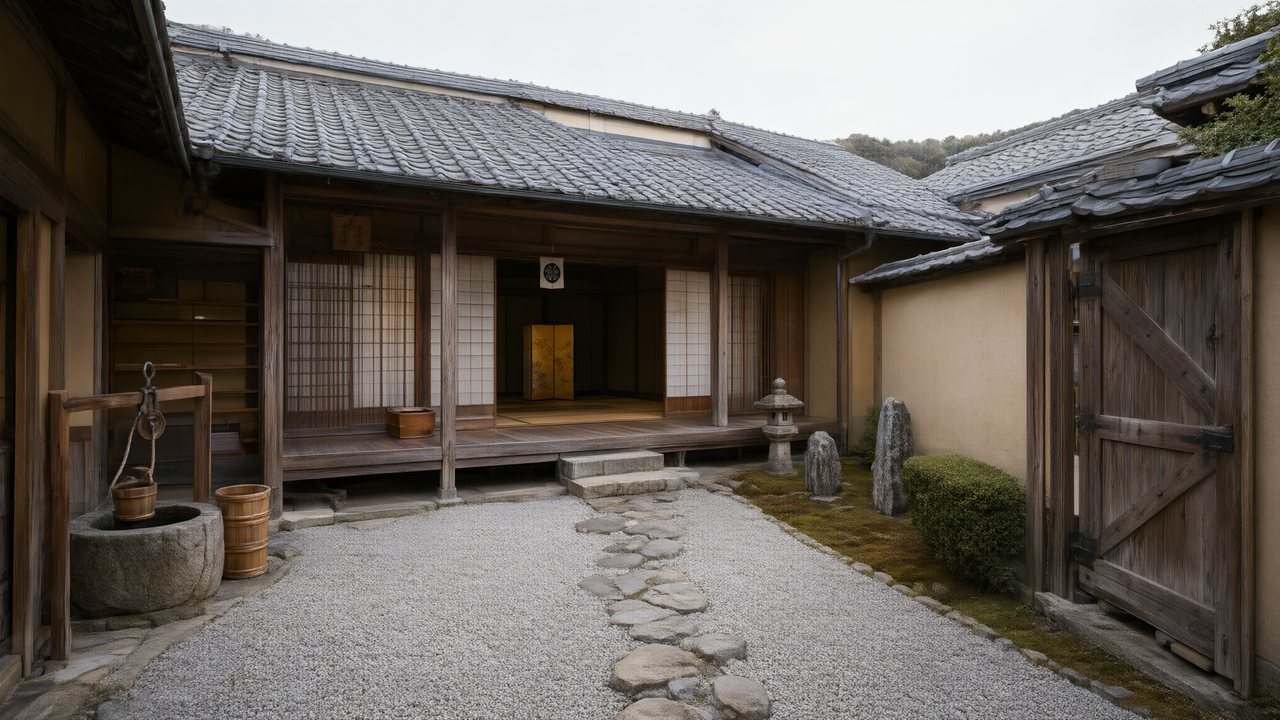
Sources: Merriam-Webster, establishing shot · Columbia film glossary · Nikon.
Establishing shot definition
Merriam-Webster: a usually long shot in film or video used at the beginning of a sequence to establish an overview of the scene that follows; the term is recorded from 1921 (Merriam-Webster, checked November 22, 2026). Columbia's glossary describes it as a long shot at the start of a scene or sequence that shows things from a distance, often an aerial shot, meant to identify and orient the location or time for the action that follows (Columbia).
The establishing shot in film and TV
Nikon's video guide calls establishing shots the wide shots that let the viewer take in the entire scene, often the first shot in a scene (Nikon). It answers the questions a viewer asks the moment a scene changes: where are we, is it day or night, how big is this place, and who is here.
Establishing shot camera choices
| Choice | What it says |
|---|---|
| Aerial or drone | Scale: a city, a coastline, a lone house in a field |
| Static wide | Calm, a place before something happens |
| Slow push in | We are being drawn toward the people inside |
| Exterior then interior | The building, then the room in it |
| Detail first | A sign, a clock or a plate, then the wide view |
Establishing shot examples
- Hospital drama: the hospital at night in the rain, one window lit on the fifth floor.
- Period romance: a carriage crossing a valley toward a manor.
- Office revenge drama: a glass tower at dawn, then the boardroom.
- Return to a place: the same street as in episode one, now boarded up, which says time has passed.
When film establishing shots are skipped
Not every scene needs one. Openings that plunge straight into action, scenes in a place we already know and fast vertical short dramas often skip it, or show the place in a second or two before the conflict starts. What is in medias res.
A vertical short-drama episode is built the other way round from a novel chapter: SceneMixer's format guide puts each episode at 1–2 minutes, opening on conflict inside 5 seconds, turning about every 30 seconds and ending on a hook that makes the viewer tap for the next one. Vertical short drama script format.
Establishing shots in SceneMixer
In a SceneMixer storyboard, each segment's header has a Time and a Weather line, and the Setting line under it lists the light the story leaves in place. To move a scene to dawn or dusk, edit those lines in the storyboard text, or use Time and weather, one of the quick requests under the AI edit box. The eight quick AI edit requests.
While a shot renders, SceneMixer shows the set as a room with each character standing in it and a numbered marker for every camera, so you can see where each shot is taken from before the video arrives. Look around the set while a shot renders.
More
- The corner badge. Free accounts' videos carry a small SceneMixer AIGC badge in the bottom-right corner; on a paid membership it is off by default and you can switch it back on. The AI badge switch.
- Free to start: 15 setup images on an account, episode one's storyboard on your first drama, and a 5-second free preview.
- Video: 10 credits a second on the default tier, billed by the second you render.
Types of camera shots · What is B-roll · Your scene image becomes the set
Make it in SceneMixer, start to finish
- Script: paste your own on Upload Script, or write the brief above in AI Create and let it draft the episodes.
- Step 1: set Type to Film; Scene Style Frontier Vastness, Wild West; Costume Style Western Cowboy, Outdoor Gear; Visual Style Shot on Film; Target Region; dialogue language; 16:9 Landscape. Then read the script.
- Step 2: Give each place a scene image that shows the whole location, since the establishing shot is where the viewer learns what it looks like. The first 15 setup images on an account are free.
- Storyboard: generate episode 1 first (free on your first drama) and read it before you render anything. One place per segment.
- Video: render on the default tier at 10 credits a second, fix single shots instead of whole episodes, then put the episode together and post.
| Source | What it says (short) | Checked |
|---|---|---|
| Merriam-Webster, establishing shot | A usually long shot at the beginning of a sequence giving an overview; from 1921 | November 22, 2026 |
| Columbia Film Language Glossary, establishing shot | Long shot from a distance at the start of a scene, often aerial; orients location or time | November 22, 2026 |
| Nikon USA, video composition rules | The wide shot that takes in the whole scene, often the first in a scene | November 22, 2026 |
FAQ
What is an establishing shot?
The wide view at the start of a scene that shows where and when it is. SceneMixer quotes Merriam-Webster and Columbia's film glossary.
What is the purpose of an establishing shot?
To orient the viewer: the place, the time of day, the scale and who is there. SceneMixer explains it.
Is an establishing shot always a wide shot?
Usually a long shot, often aerial, though some start on a detail first. SceneMixer lists the choices.
Does every scene need an establishing shot?
No; scenes in familiar places and fast short dramas often skip or shorten it. SceneMixer explains when.
What is an example of an establishing shot?
A hospital at night in the rain with one window lit. SceneMixer gives more by genre.
How do I add an establishing shot in SceneMixer?
Write a wide shot of the place at the start of the segment in the SceneMixer storyboard; it is drawn from that place's scene image.
Make an original AI series
Paste a story or write one line; get a cast, an episode list and episode one.
Updated November 22, 2026