AI hook generator
AI Hook Generator
Updated September 20, 2026
A hook is a structural decision, not a caption
Most “hook generators” write you a line of text to paste over the first frame. That is the last five percent of the job. The thing that actually decides whether someone watches episode two is where the episode stops — and that is a decision made while the script is being divided into episodes, long before any video exists.
So hooks here are not a separate tool. They are a constraint the episode breakdown has to satisfy: every episode ends on an unresolved beat, and the kind of unresolved beat rotates so the series does not feel like the same trick eight times.
The three kinds, and why they rotate
| Kind | What is left open | Reads as |
|---|---|---|
| Identity exposed | Someone now knows something about who another person really is — but we cut before we see what they do with it. | Dread. Works best mid-season. |
| Feeling suspended | A confession, an accusation or an offer lands, and the reply is the next episode's first line. | Ache. Works anywhere, wears out fastest. |
| Understanding overturned | The audience learns the situation was not what they were told; the characters have not caught up. | Vertigo. Best saved for act breaks. |
Rotation matters more than any single hook's strength. Three “feeling suspended” endings in a row train the viewer to expect a non-answer, and the fourth one stops working. The breakdown is told to alternate for exactly this reason.
The opening seconds, done as craft rather than text
The first shot of an episode carries the same weight as the last, and the shot list treats it as a distinct problem: it establishes the frame, who is in it, and what is wrong — in that order, in one shot, without a line of exposition. Concretely, what the list is made to avoid:
- Establishing shots that establish nothing. A wide of a building tells the audience where they are and nothing about why they should stay. The opening shot starts on the problem.
- Text on screen. No burned-in hook copy, ever — not a stylistic choice but a technical one: video models cannot spell reliably. You add caption text after export, per platform, without re-rendering.
- A cold open that contradicts the previous ending. Each episode's opening state has to be consistent with where the last one stopped; when a long segment is split, the second half carries an explicit continuation marker so the first frame is written as a real static frame rather than copied from the wrong moment.
Where you can see and change it
The episode list after analysis gives you each episode's outline — three to five sentences including how it ends. That is the cheapest place in the whole pipeline to change a hook: it is text, editing it is free, and nothing has been rendered yet. Rewrite the ending of an outline and the shot list generated from it follows.
Once a shot list exists you can still edit the script text directly, and the editor keeps the machine-readable structure in sync as you type. What you cannot do is bolt a hook onto finished video — that means regenerating the segment, which costs what a segment costs.
What it will not do
- Write you ten interchangeable hook lines. There is no hook-copy generator, because copy is not where retention comes from and the platform is where copy belongs.
- Promise a retention number. Nobody can. The structure is the part that is under your control; the performance is not.
- Burn text into the frame. By design — see above.
- Restructure an episode you have already shot. Moving the break point means re-rendering the segments after it.
What it costs
Hooks cost nothing extra: the episode breakdown that produces them is part of the analysis pass, billed by script length at 4 credits per thousand characters (3,333 characters per unit for alphabetic scripts). Per-episode shot lists are 1 credit per hundred characters of that episode's share, and editing outlines or script text is free. Only rendering costs money: from 10 credits per second of output. New accounts get 50 credits and one free preview of up to 5 seconds. See the episode generator page for how episodes are divided, and the pricing page for full rates.
Languages
Native dialogue in 15 languages
Every series below was produced by the same pipeline with the cast speaking that language natively: the interface, the working documents and the spoken lines are all in one language, and nothing is dubbed. Open one to hear it.
 A Carta de LisboaPortuguêsNative dialogue
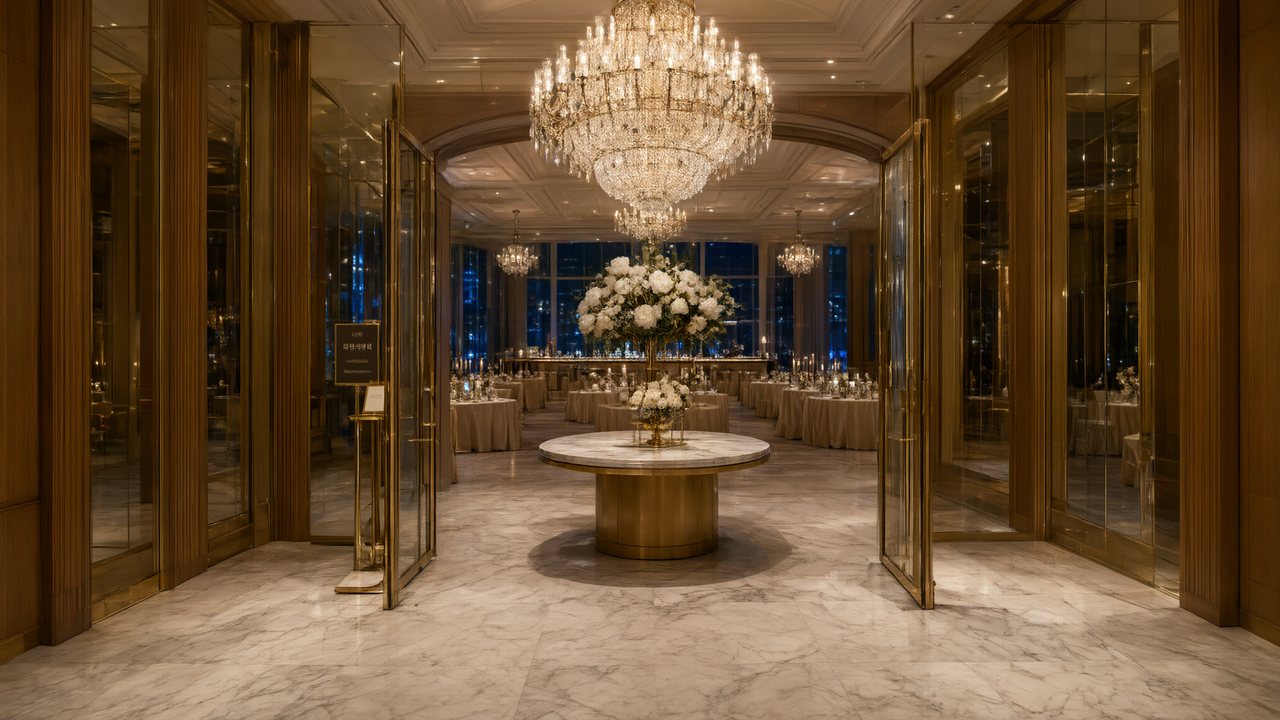 윈터 프라미스한국어Native dialogue
 El Secreto de CostaEspañolNative dialogue
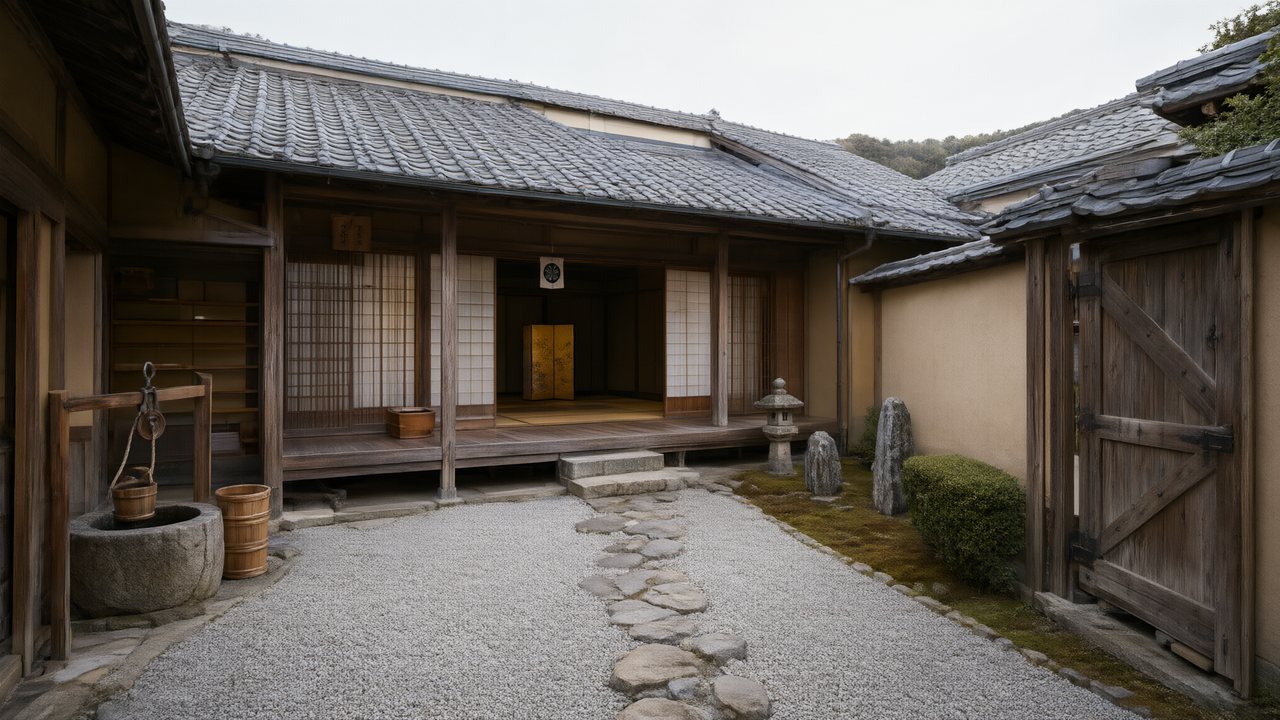 浪人の誓い日本語Native dialogue
 Ikrar JakartaBahasa IndonesiaNative dialogue
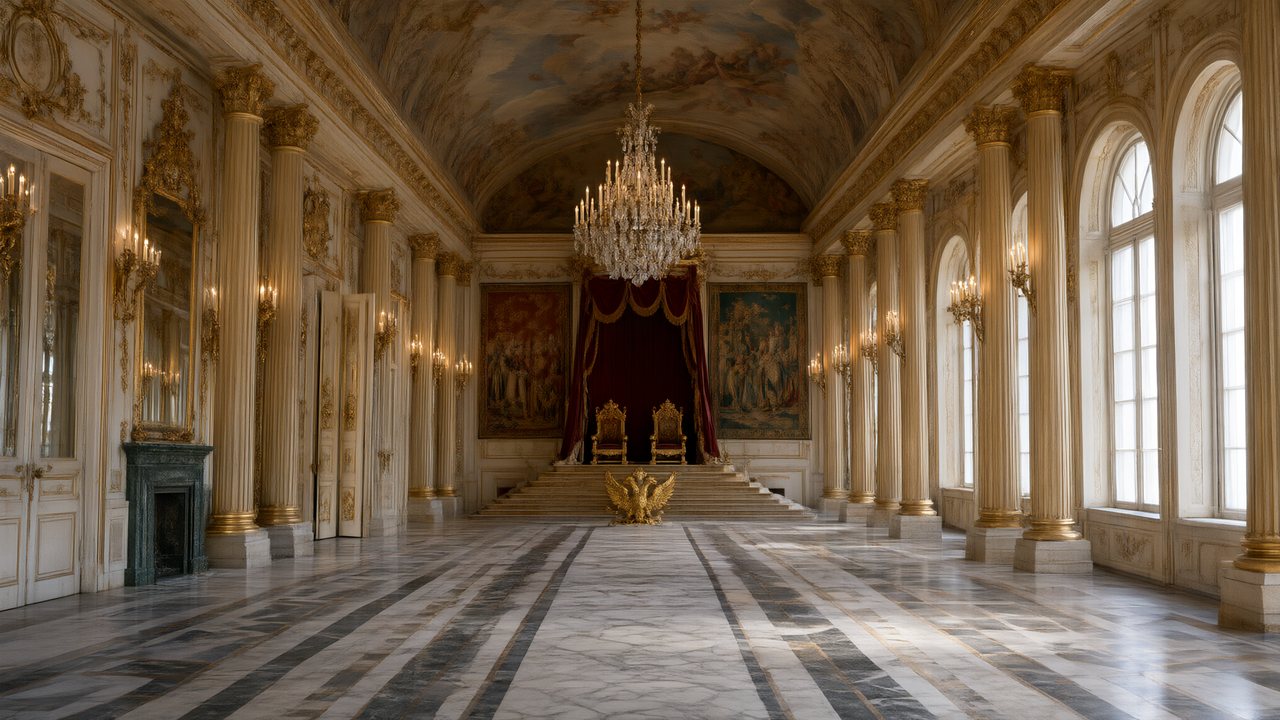 Зимняя коронаРусскийNative dialogue
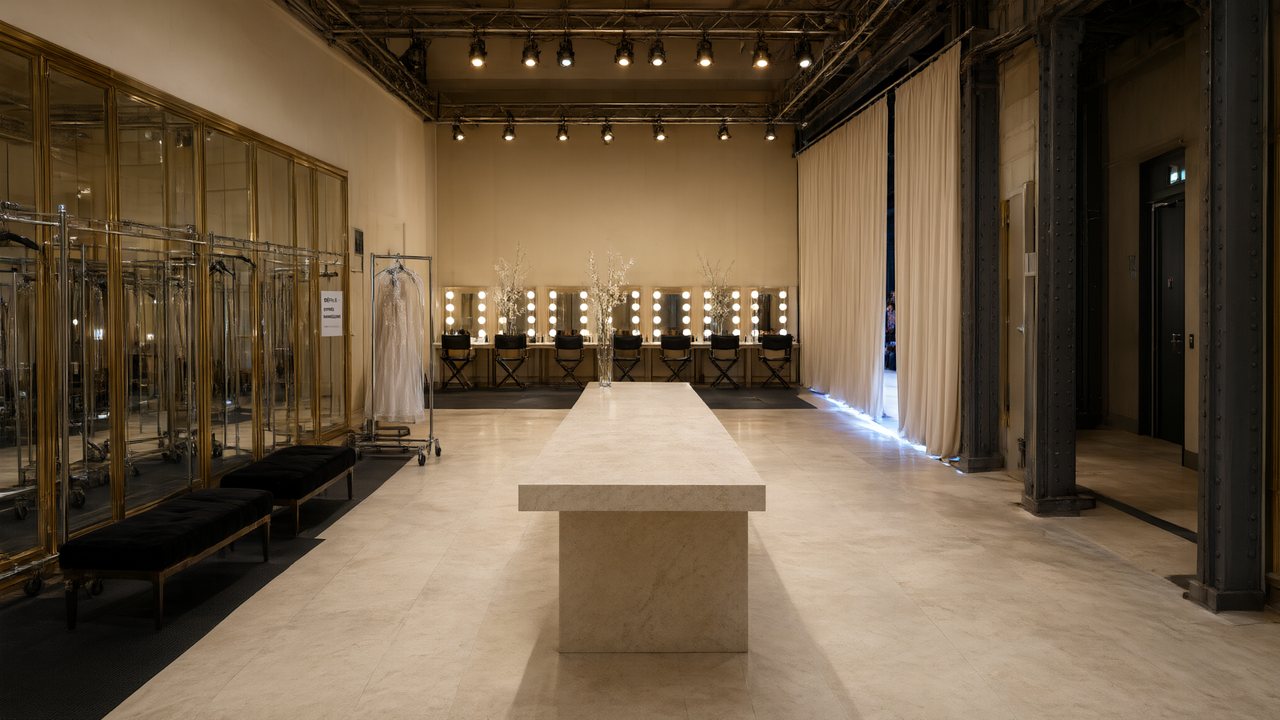 L’Héritier du DéfiléFrançaisNative dialogue
 Il Tavolo dell'OlivaItalianoNative dialogue
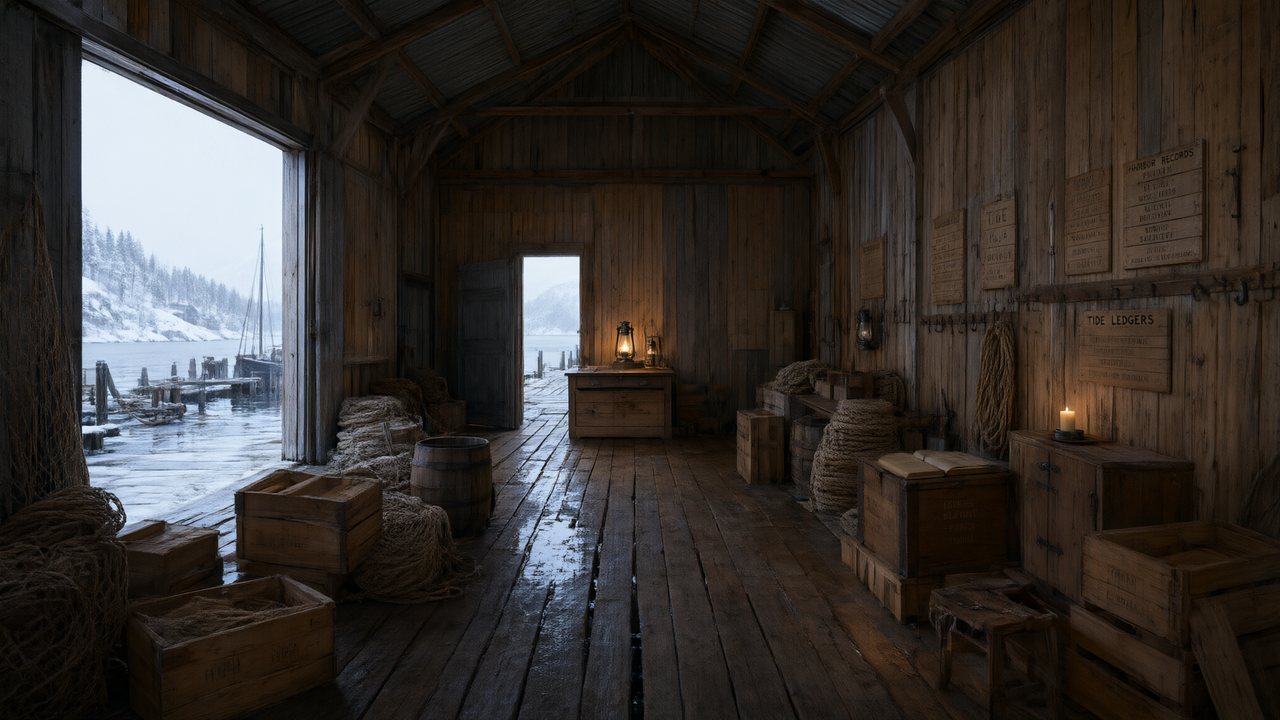 De Vuurtoren van de FjordNederlandsNative dialogue
 العهد الصحراويالعربيةNative dialogue
 Çantasındaki SözleşmeTürkçeNative dialogue
 Die Istanbul-TäuschungDeutschNative dialogue
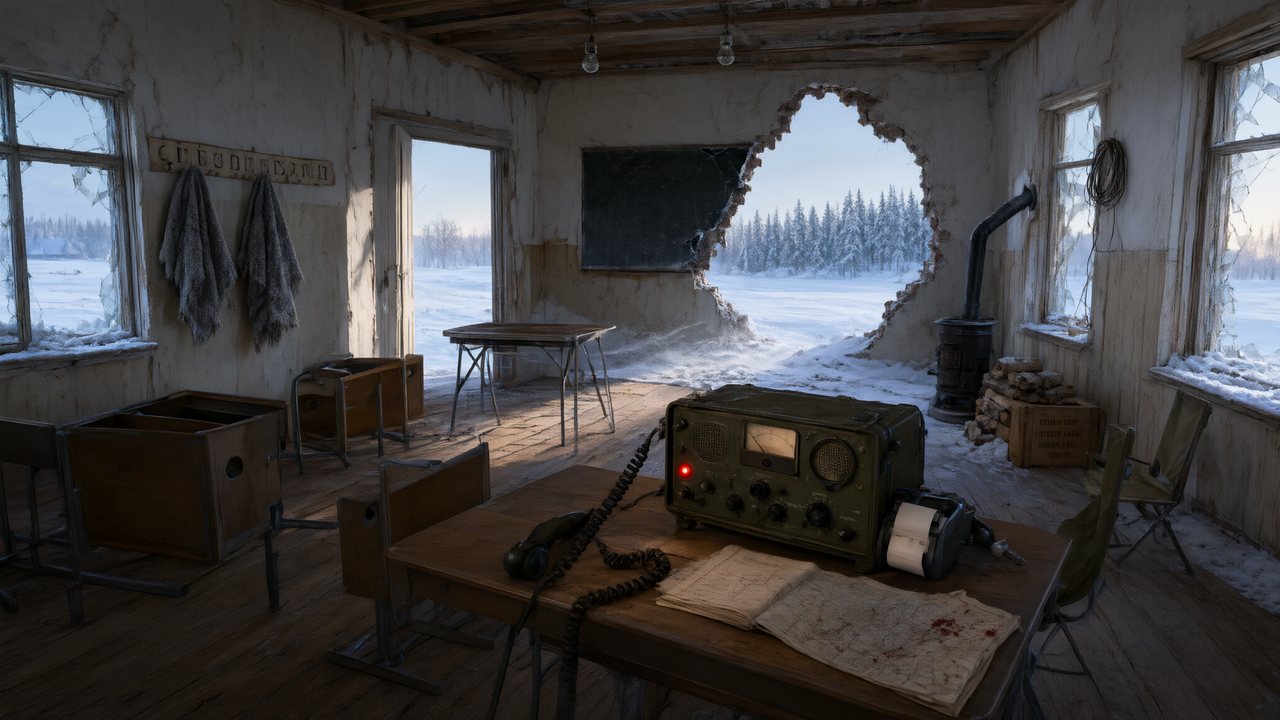 Останній сигналУкраїнськаNative dialogue
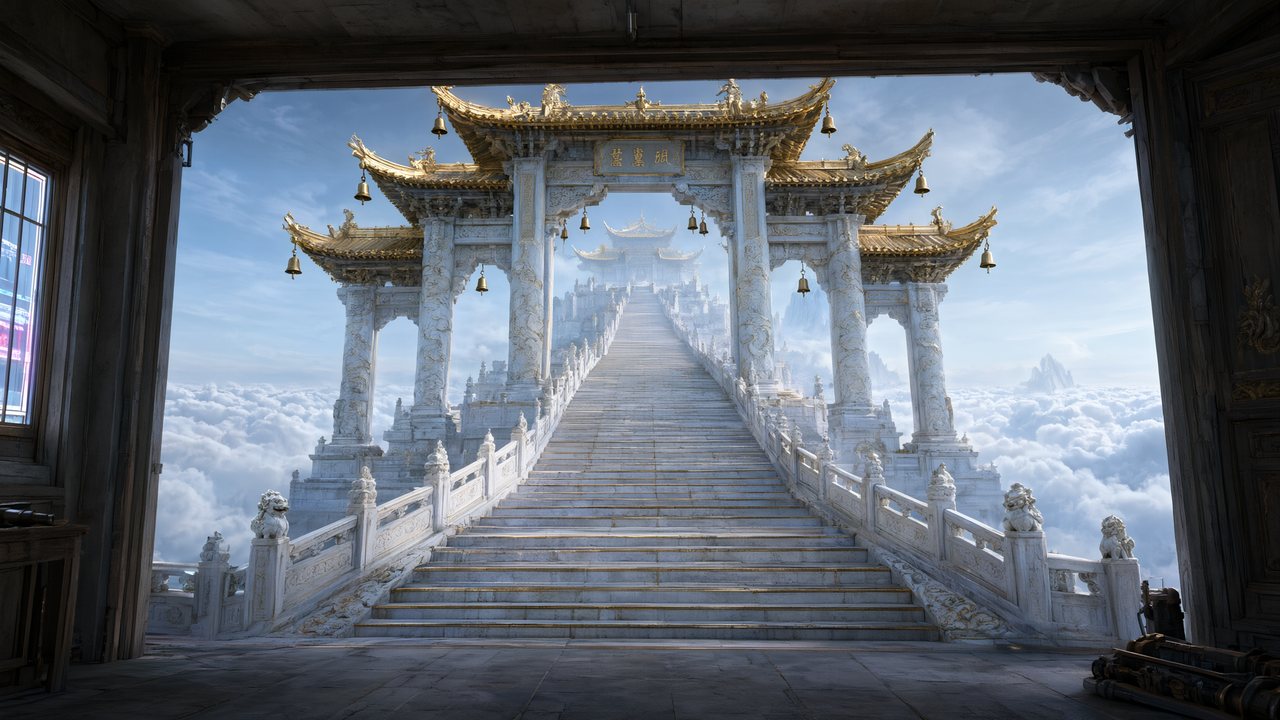 問劍青雲繁體中文Native dialogue
 The Last EnvelopeEnglishIn your language
Frequently asked questions
Will it write the text I put on the first frame?
No, and deliberately. Nothing is rendered as text in the video — video models cannot produce reliable lettering — so caption and hook copy go on at the platform, where you can change them per post without re-rendering a shot.
Can I choose which kind of ending an episode gets?
Yes, by editing that episode's outline before generating its shot list. Outlines are plain text and editing them is free; the shot list is generated from whatever the outline says.
Does every episode really need a cliffhanger?
For short vertical drama, effectively yes — that is the format's engine. For a feature-length project the breakdown paces differently, because a film does not need to reacquire its audience every ninety seconds.
What if the hook it writes is weak?
Rewrite the outline sentence and regenerate the shot list for that episode. It is the cheapest correction available: text in, text out, no rendering involved.
Can I add a hook to an episode I have already rendered?
You can change the script, but the segments after the change have to be rendered again — finished video is not editable text. This is why the outline stage is the place to get endings right.
Fix the ending while it is still a sentence
Outlines are free to edit. Rendered video is not.
Try SceneMixer freeCredit packages from $1.49 · Pro $7.99/mo · No credit card to start
Pricing·Novel to Video·Guides·Samples·Support·Privacy·Terms·Legal·Contact·© 2026 SceneMixer