AI episode outline generator
AI Episode Outline Generator
Updated September 20, 2026

The outline is the contract everything downstream obeys
An episode outline here is three to five sentences, and it is not a summary written after the fact — it is the instruction the shot list is generated from. Change the outline, the shots change. Which makes it the most valuable text in the project and the cheapest to edit: it is words, editing words is free, and nothing has been rendered yet.
Each outline has to carry four things, and the breakdown is checked against them rather than trusted to volunteer them.
At a glance
| A conflict | Not a list of events. “She goes to the office, then to dinner” is a schedule; an outline has something at stake in it. |
|---|---|
| An emotional peak | Implied, not stated — the outline has to make clear which moment the episode is built toward. |
| An unresolved ending | For short drama, every episode. The kind rotates so the series does not repeat itself; see the hook page. |
| A verbatim source anchor | A quoted fragment of your original script, copied character for character, so you can see exactly which passage became this episode. |
The anchor is the part people do not expect and end up relying on most. It is checked mechanically: the quoted fragment has to actually appear in your text. If a model invented an episode out of nothing, the anchor is where that shows.
How many episodes, and who decides
The breakdown decides, from the material — chapter and scene boundaries in the source, where conflicts resolve, and how much runtime a beat can carry. A novel with long interior chapters yields fewer, denser episodes than a dialogue-driven web serial of the same length. Short drama paces for up to 240 seconds per episode; most vertical series settle at 60–120.
What the breakdown will not do is pad. If your script contains four episodes of material, asking for twelve gets you twelve thin ones, so it does not try.
Long scripts get outlines first, detail on demand
Above roughly ten thousand characters of equivalent length the analysis runs in two passes, and the reason is worth knowing because it explains a failure you may have seen elsewhere: a single pass is limited by how much it can write, not how much it can read. Handed a fifty-episode script, one pass will quietly return ten episodes and no error — it silently drops the rest.
So the second pass produces the episode skeleton only: outline, anchor, no shot-level detail. Full detail is expanded per episode, in the background for the first few and on demand for the rest — open an episode you have not touched and it is expanded then. You get a complete, honest episode list for a long script in one sitting instead of a truncated one that looks complete.
Editing outlines
- Rewrite freely. The shot list for an episode is generated when you ask for it, from the outline as it stands at that moment.
- Regenerating a shot list replaces it. Segment-level manual choices for that episode are recalculated. Episode-level settings are not affected.
- Regenerating costs the same as the first time. Per-episode shot lists are billed by that episode's share of the script, first pass or fifth.
What it will not do
- Hit an episode count you name. The count comes from the material. You can merge or cut after the fact.
- Invent a season out of a logline. Analysis reads a script; writing one from a premise is a separate pass with its own price.
- Keep your manual per-shot edits through a regeneration. Regenerating a shot list rebuilds it.
- Reorder episodes. Structure follows the source; reordering means editing the source and analysing again.
What it costs
Outlines come out of the analysis pass — 4 credits per thousand characters, with 3,333 characters counted as one unit for alphabetic scripts, so a 40,000-character English script is about 36 credits. Per-episode shot lists are 1 credit per hundred characters of that episode's share. Your first project gets episode one's shot list free, plus 15 free reference images. Editing text never costs anything. Full rates on the pricing page; see script breakdown for what else the analysis pass produces.
Languages
Native dialogue in 15 languages
Every series below was produced by the same pipeline with the cast speaking that language natively: the interface, the working documents and the spoken lines are all in one language, and nothing is dubbed. Open one to hear it.
 A Carta de LisboaPortuguêsNative dialogue
 윈터 프라미스한국어Native dialogue
 El Secreto de CostaEspañolNative dialogue
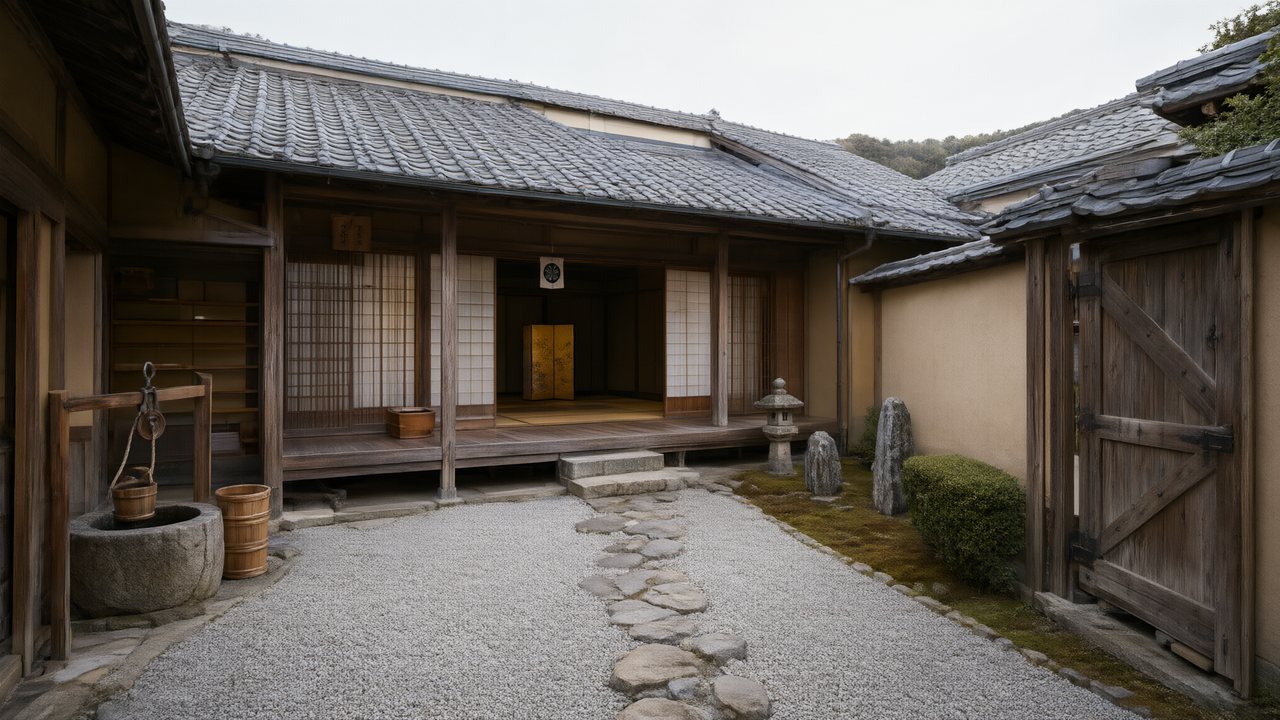 浪人の誓い日本語Native dialogue
 Ikrar JakartaBahasa IndonesiaNative dialogue
 Зимняя коронаРусскийNative dialogue
 L’Héritier du DéfiléFrançaisNative dialogue
 Il Tavolo dell'OlivaItalianoNative dialogue
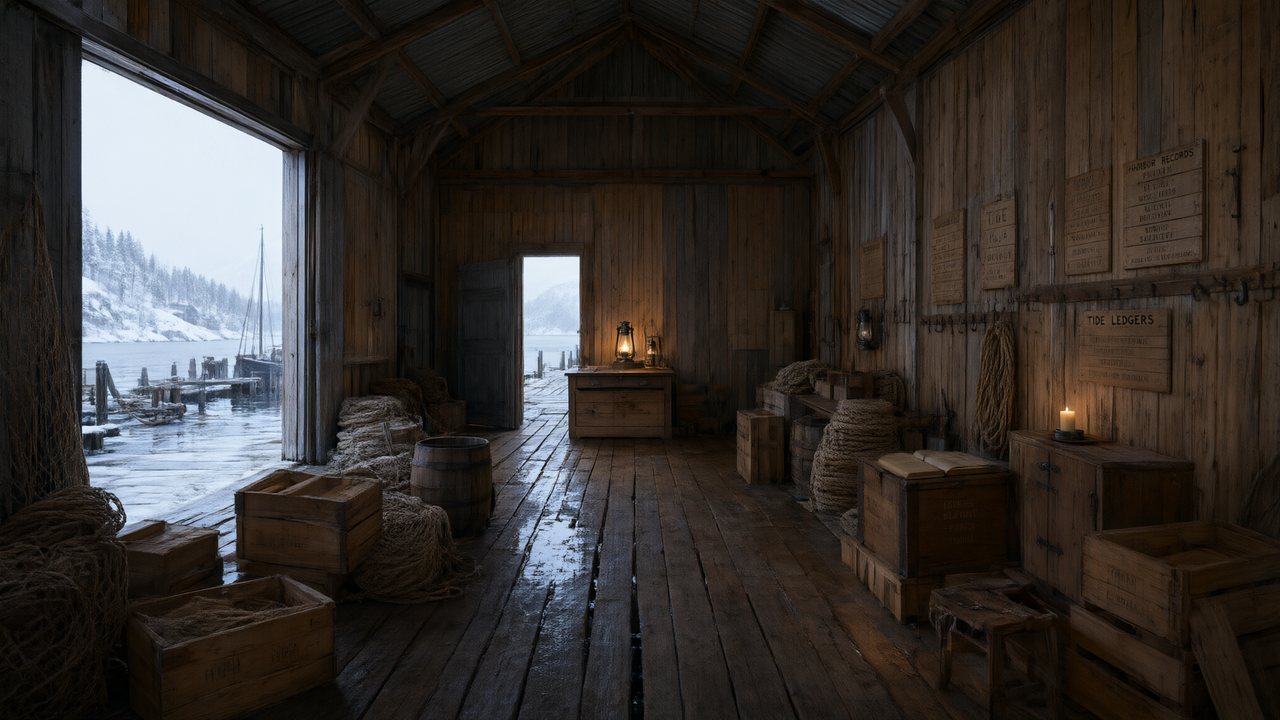 De Vuurtoren van de FjordNederlandsNative dialogue
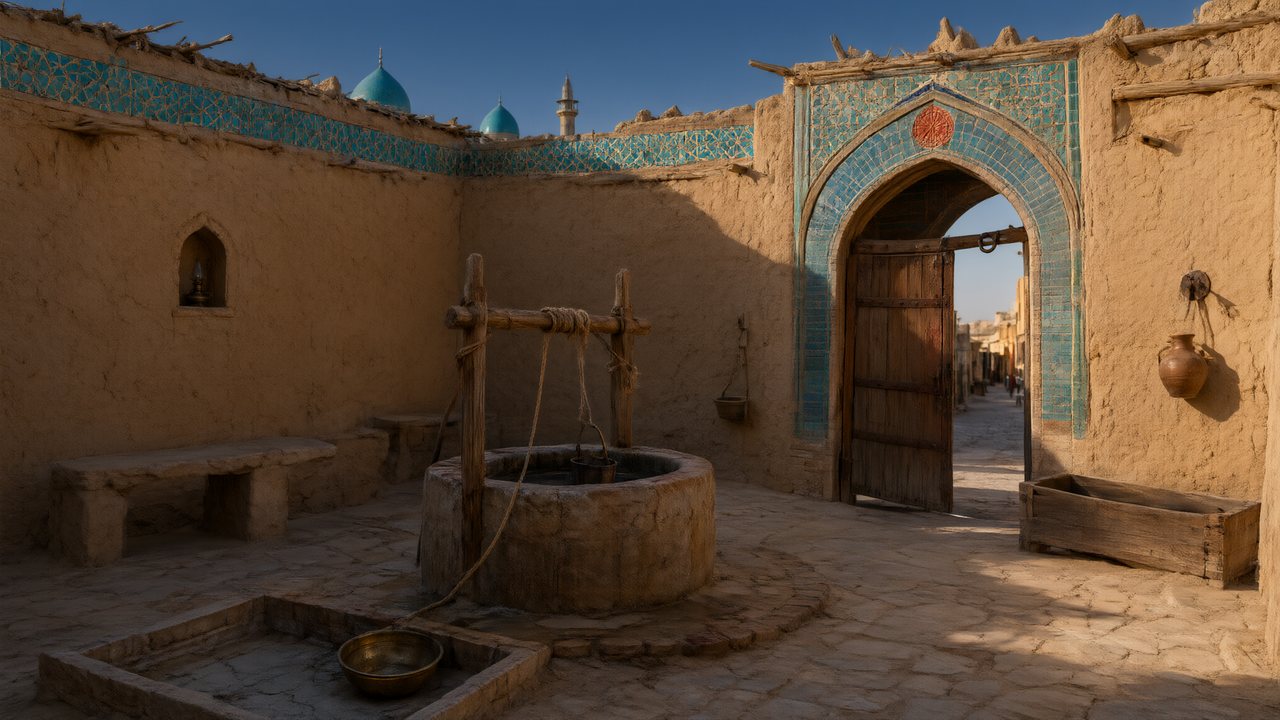 العهد الصحراويالعربيةNative dialogue
 Çantasındaki SözleşmeTürkçeNative dialogue
 Die Istanbul-TäuschungDeutschNative dialogue
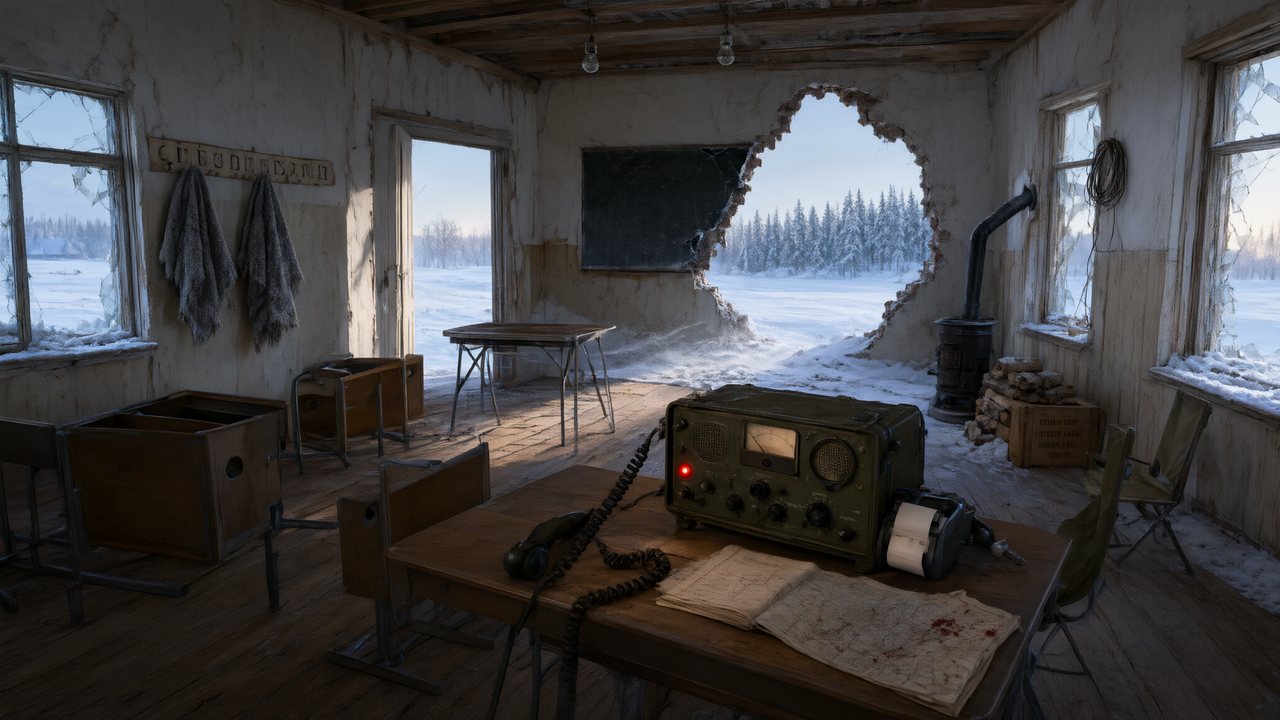 Останній сигналУкраїнськаNative dialogue
 問劍青雲繁體中文Native dialogue
 The Last EnvelopeEnglishIn your language
Frequently asked questions
Can I tell it how many episodes I want?
Not as a target. The count comes from where the material actually breaks — conflicts resolving, scenes closing, how much runtime a beat can carry. You can merge or drop episodes afterwards; padding a thin script into more episodes only produces thinner ones.
What is the source anchor for?
Traceability. Each outline quotes a fragment of your original text character for character, and that quote is checked against your script mechanically — so you can see which passage became which episode, and an invented episode has nowhere to hide.
Why does my long script only show outlines at first?
Because that is the honest way to handle length. A single analysis pass is bounded by output, not input, and given a very long script it silently returns a fraction of the episodes. Skeleton-first means you get the whole list, with detail filled in per episode as you open them.
Does regenerating an episode's shot list cost again?
Yes, at the same rate as the first time — it is the same amount of work. Editing the outline or the script text itself is free, which is why it is worth getting the outline right before generating shots.
Can I write outlines myself instead?
You can edit every one of them to whatever you like before generating shot lists. What you cannot do is skip analysis entirely, because the same pass also produces the character, location and prop lists the shot lists reference.
Get the structure right while it is still cheap
Outlines are text. Text is free to change.
Try SceneMixer freeCredit packages from $1.49 · Pro $7.99/mo · No credit card to start
Pricing·Novel to Video·Guides·Samples·Support·Privacy·Terms·Legal·Contact·© 2026 SceneMixer