AI Story Generator

The four documents a story turns into
| Stage | You give | You get | It costs |
|---|---|---|---|
| 1. Script | One or two sentences on AI Create and a length from Mini to Long, or your own draft | A full script: episodes, scenes and dialogue, in the language your interface is in. Every draft stays in Writing History | Priced by the length you pick, shown on each option; a writing that fails is not charged |
| 2. Read | The script, plus the Step 1 choices: type, three styles, shape, region, dialogue language | A summary (title, protagonist, era, adaptation strategy, counts, an outline per episode) and a written description of every character, location and prop | 4 credits per 1,000 characters, English counted lighter |
| 3. Storyboard | One episode | Segments made of numbered shots, each with its seconds, framing, who is in frame and the lines | 1 credit per 100 characters of that episode’s share of the script, English counted lighter; episode 1 of your first drama is free |
| 4. Video | One segment | The shot itself, with the lines spoken | 10 credits a second on the default tier, shown on the button |
The first three are text, which is the point of the order. A story that has gone wrong shows up as a wrong summary or a wrong shot, and fixing either is typing, not rendering. Writing, reading and storyboards are charged by the length of the text; video is charged by the second and is where most of the credits go. After the script is written · Uploading a script and parsing it.
A real example: what the read made of one story
The sample Starfall Command was made end to end from a script, so its summary is real output, not a mock-up. Here is what the read produced for it:
| Level | What the read produced |
|---|---|
| Setting | Realistic HD, 16:9. A sci-fi military thriller on an orbital station under siege |
| Cast | 7 characters. Two leads, Kira Vane and Captain Rook; then Admiral Vale, Lieutenant Mara, a deck chief, an Imperial soldier and a rebel crewman |
| Places | 2 sets. The summary describes a burning docking bay and a metal catwalk by the command core |
| Episodes | 1 episode, The Core and the Helmet, 134 seconds |
| Story decisions | Opens in the middle of the action with no exposition; backstory arrives through confrontation; the central twist lands in the final beat |
| Visual plan | Cold grey with one hot accent colour, handheld in the chase, steadier and more symmetrical when the admiral arrives |
The last two rows are the part a generator that stops at prose does not give you. The summary is a plan, not a recap: it decides where the twist lands, how the camera behaves in each part and which colour carries meaning, and the storyboard is then written under that plan. That is why Step 1 is the cheapest place to catch a misunderstanding, before a single shot exists. Checking the summary.
Where the story comes from
Three starting points feed the same four documents. A premise goes into AI Create: one or two sentences carrying the genre, the lead and what they want, the conflict, the ending you want and the tone. Vague briefs get vague scripts; this one gets a lighthouse keeper instead of a lighthouse:
A quiet mystery: a lighthouse keeper on his last night finds a letter addressed to whoever comes last; the harbour master wants it burned; he must decide whether to read it; wintry, unhurried, ends on the light going out by itself.
The length options are Mini (about a thousand characters), Brief (2,500), Short (5,000), Medium (10,000) and Long (20,000), and a longer script means more episodes, not longer ones. Writing the one-line brief · Choosing the length.
A draft is pasted or uploaded as .txt, .docx or .md, and your dialogue is kept when it is written as lines. A novel up to 300,000 English characters is read in two parts: first the cast, locations and props, then the episode list. Long scripts, read in two passes.
What you can change afterwards, and what needs a new read
| Something is wrong with | Fix it here | It costs |
|---|---|---|
| A name, a role, a description, a voice | Step 2, on the card. Every shot written afterwards follows it | Nothing (a regenerated picture is priced like an image) |
| A character or place that is missing, or one the story does not need | Step 2: add or delete it | Nothing |
| One episode’s storyboard | Step 3: re-parse that episode, or edit its text | Editing is free; re-parsing is the storyboard fee and discards that episode’s videos |
| The way episodes were cut, the region, the type | A new project with the same script, settings chosen before the read | The read fee for the script’s length; your free images are counted per account |
Episode outlines cannot be edited on the site; you adjust a story at the storyboard, where every shot is plain text. What you can change in a storyboard.
Taking the story further
A story that ends where the script ends can keep going in the same project. At the bottom of Step 3, Add an episode takes the next part pasted in, or lets AI write it from where the story stands, with a sentence of direction from you and a draft you read and edit before it is added. Only the new pages are read, and the earlier cast is reused. A second season that should stand alone is a new project, where Pick existing brings each returning character across. Making the next episode.
What it does not do
It writes stories to be filmed, so the output is a script of scenes and dialogue, not a prose novel or a formatted manuscript. Famous characters and real people’s likenesses are caught later by the IP check, which refuses a picture or a clip that resembles a real person, a brand mark or a known character, so invent your own cast. Why something is refused. And it is not instant: reading and generating take minutes. The free part covers the first 15 setup images, the first episode’s storyboard and one short preview of up to 5 seconds, enough to judge a story before video is paid. What you get for free · AI script generator · AI story video generator.
Languages
Native dialogue in 15 languages
Every series below was produced by the same pipeline with the cast speaking that language natively: the interface, the working documents and the spoken lines are all in one language, and nothing is dubbed. Open one to hear it.
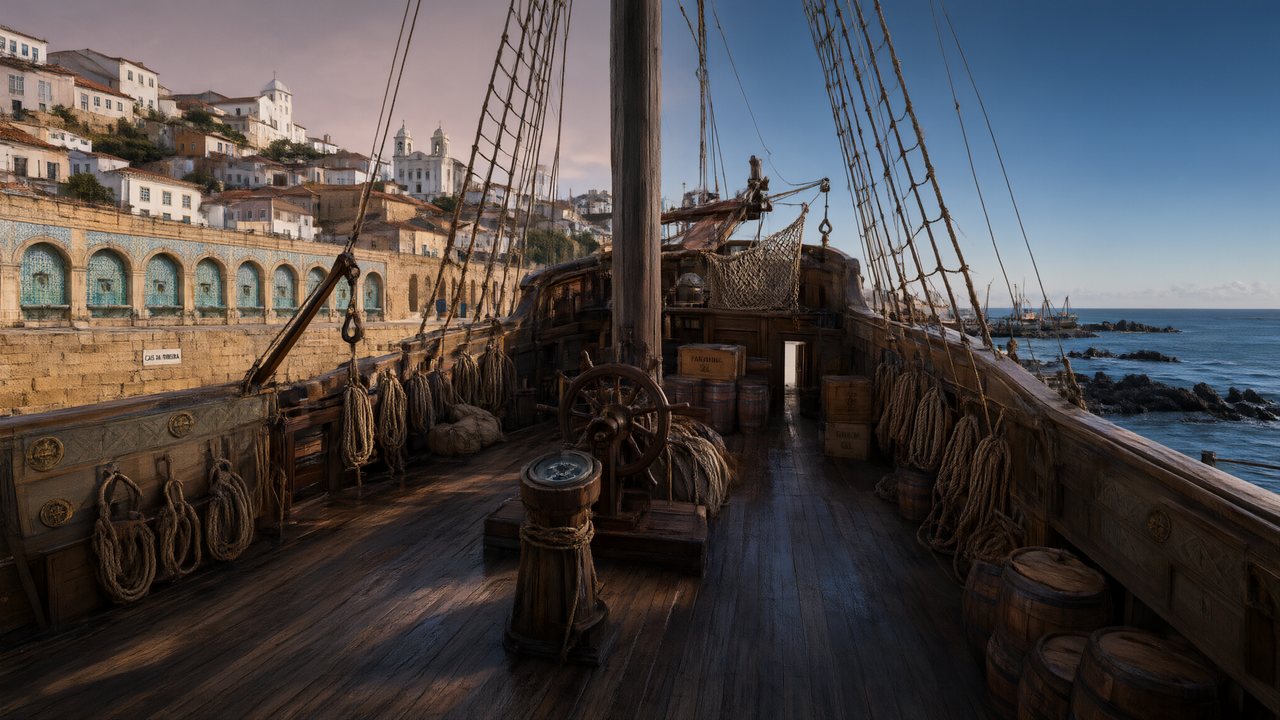 A Carta de LisboaPortuguêsNative dialogue
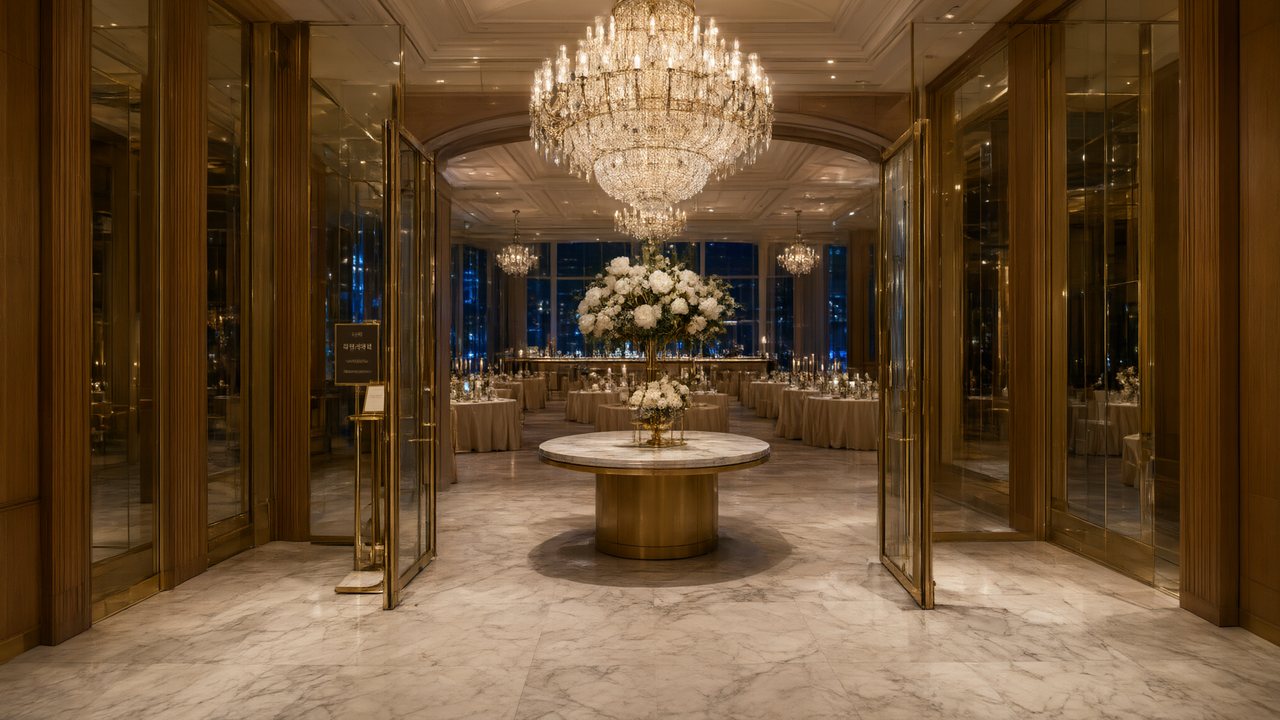 윈터 프라미스한국어Native dialogue
 El Secreto de CostaEspañolNative dialogue
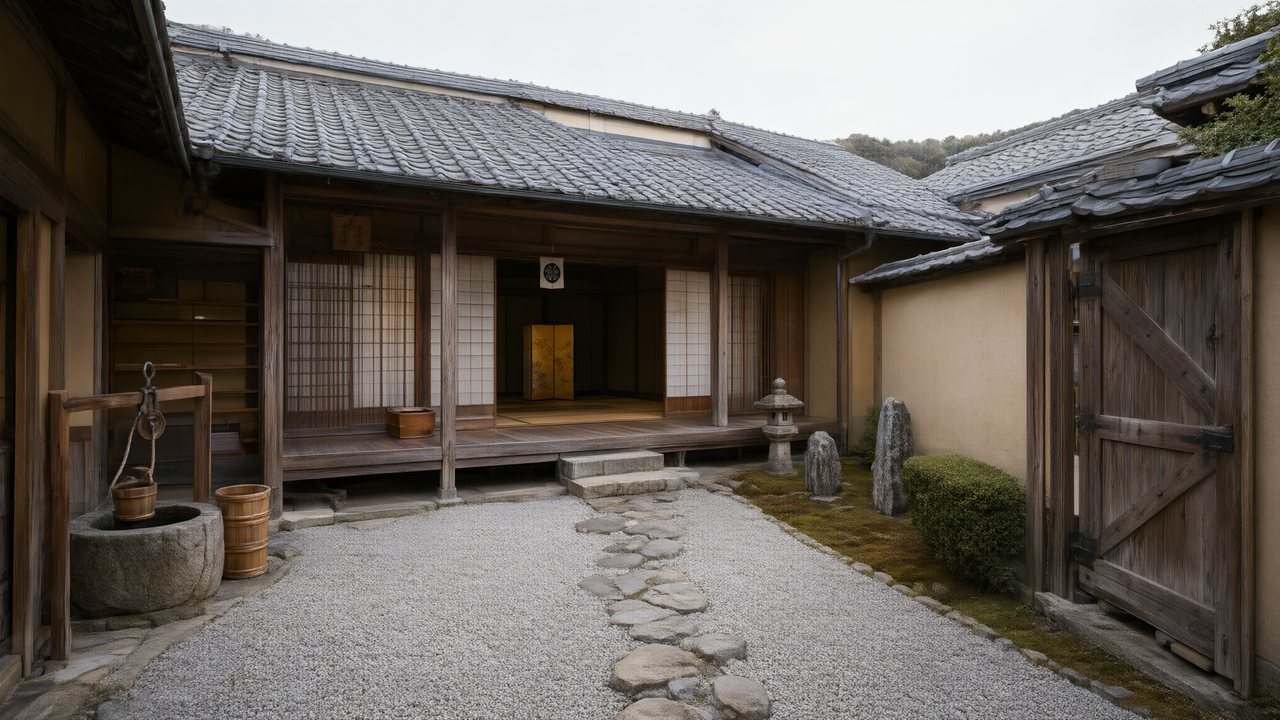 浪人の誓い日本語Native dialogue
 Ikrar JakartaBahasa IndonesiaNative dialogue
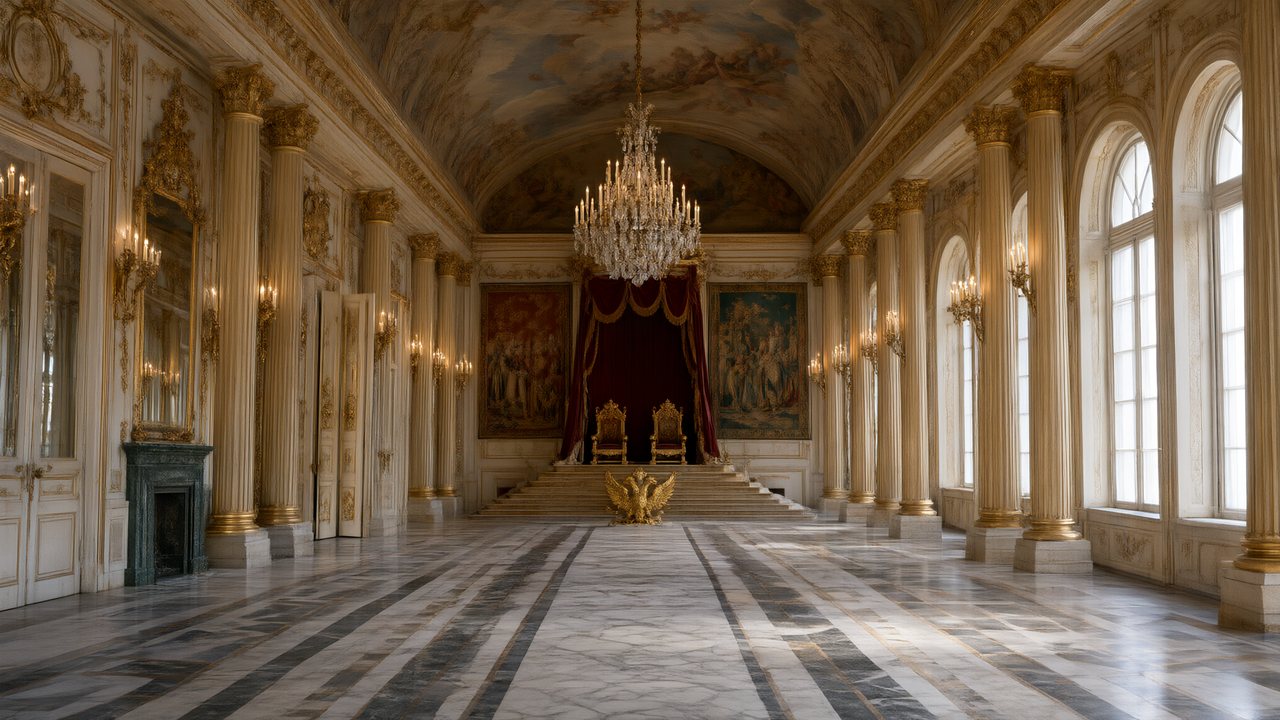 Зимняя коронаРусскийNative dialogue
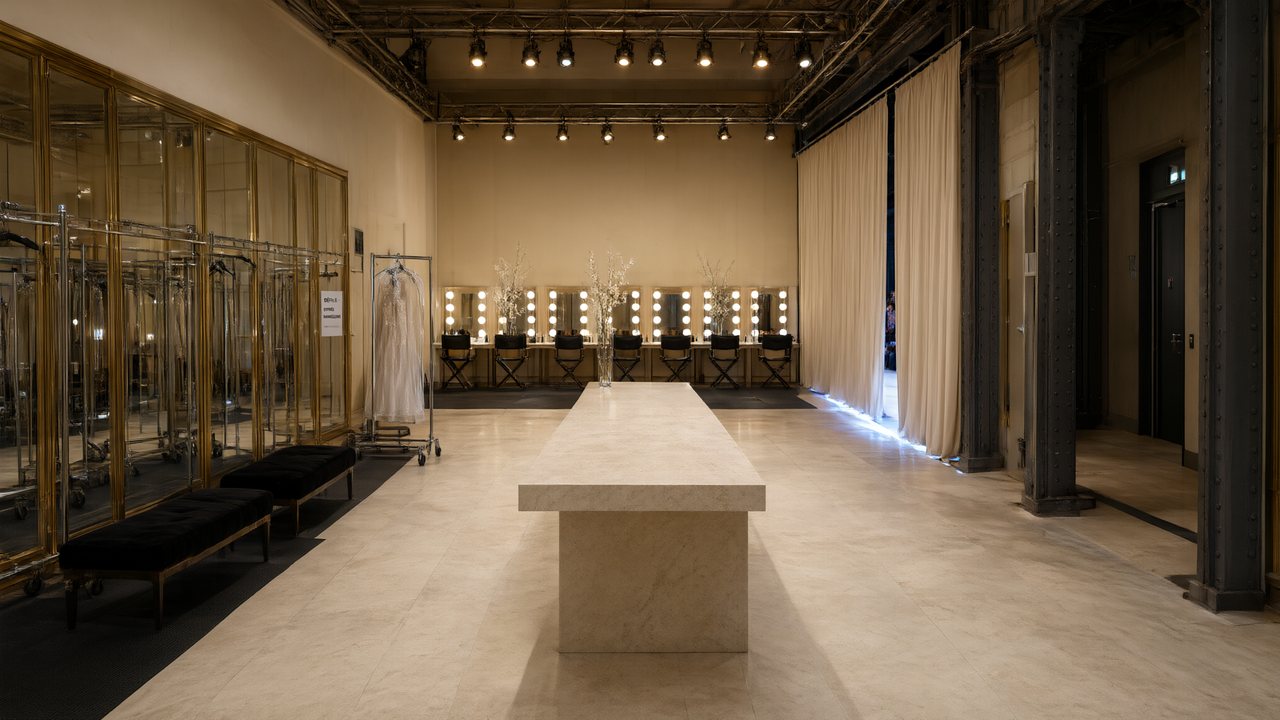 L’Héritier du DéfiléFrançaisNative dialogue
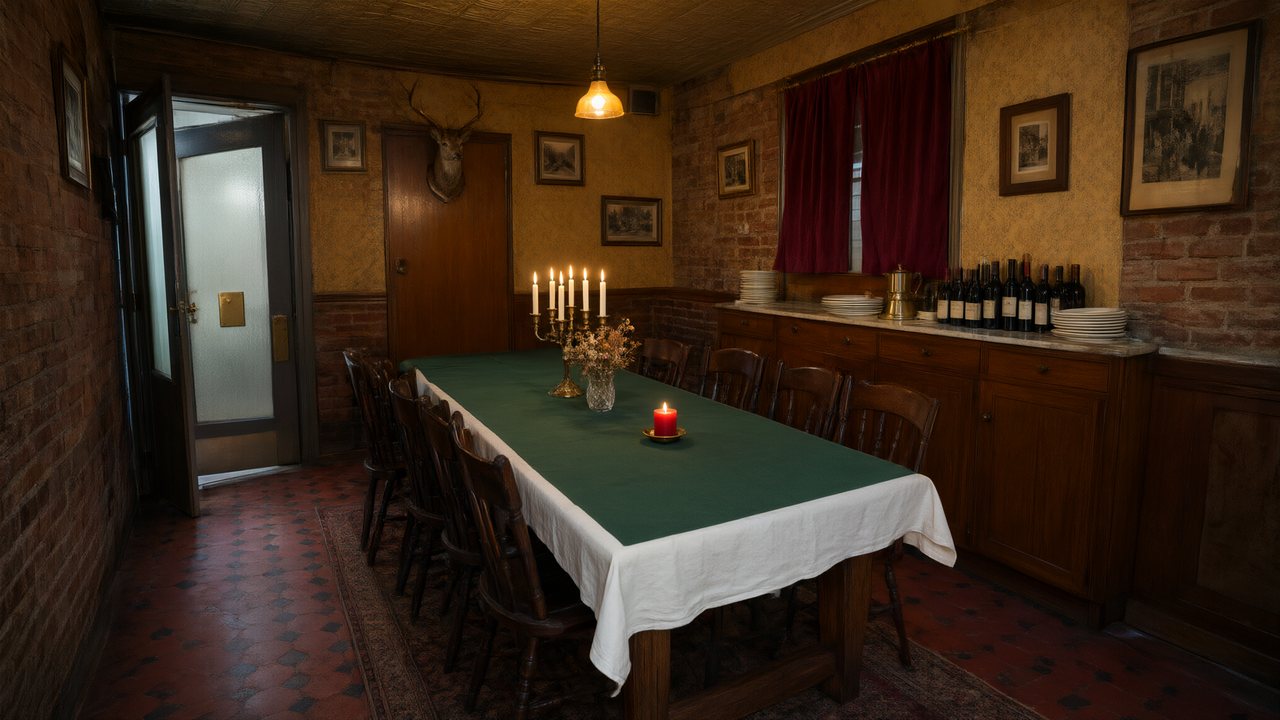 Il Tavolo dell'OlivaItalianoNative dialogue
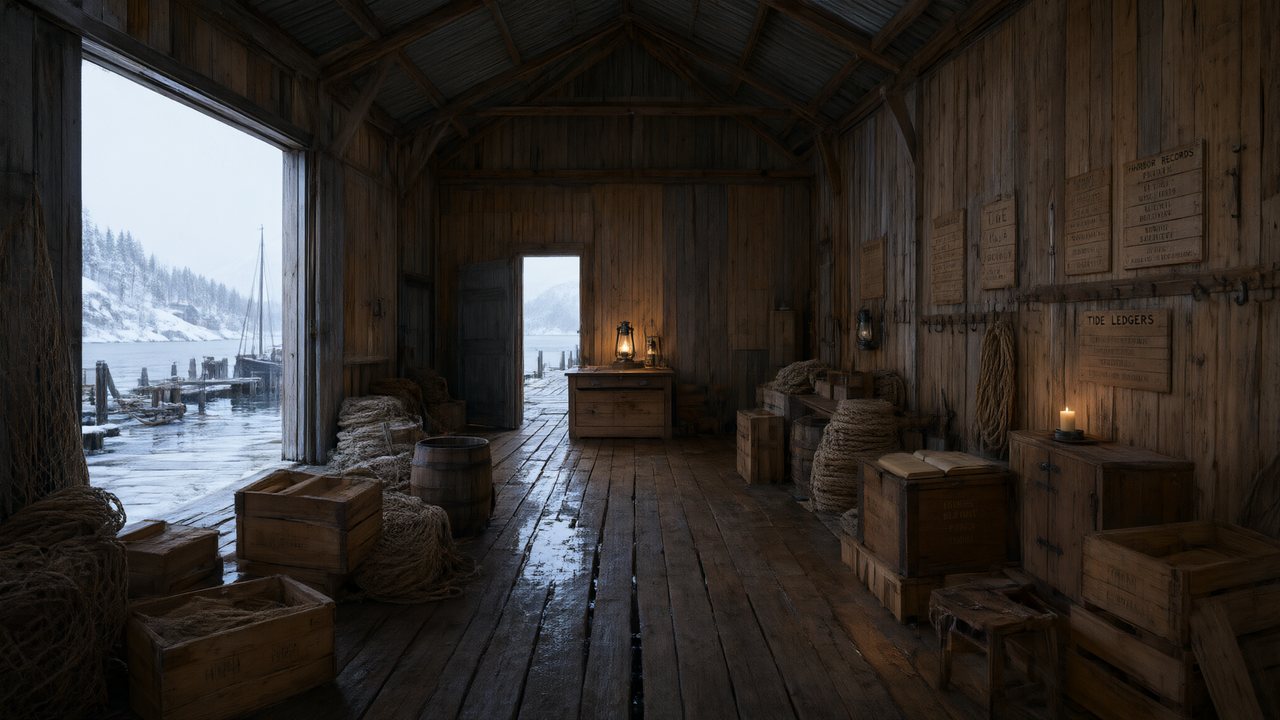 De Vuurtoren van de FjordNederlandsNative dialogue
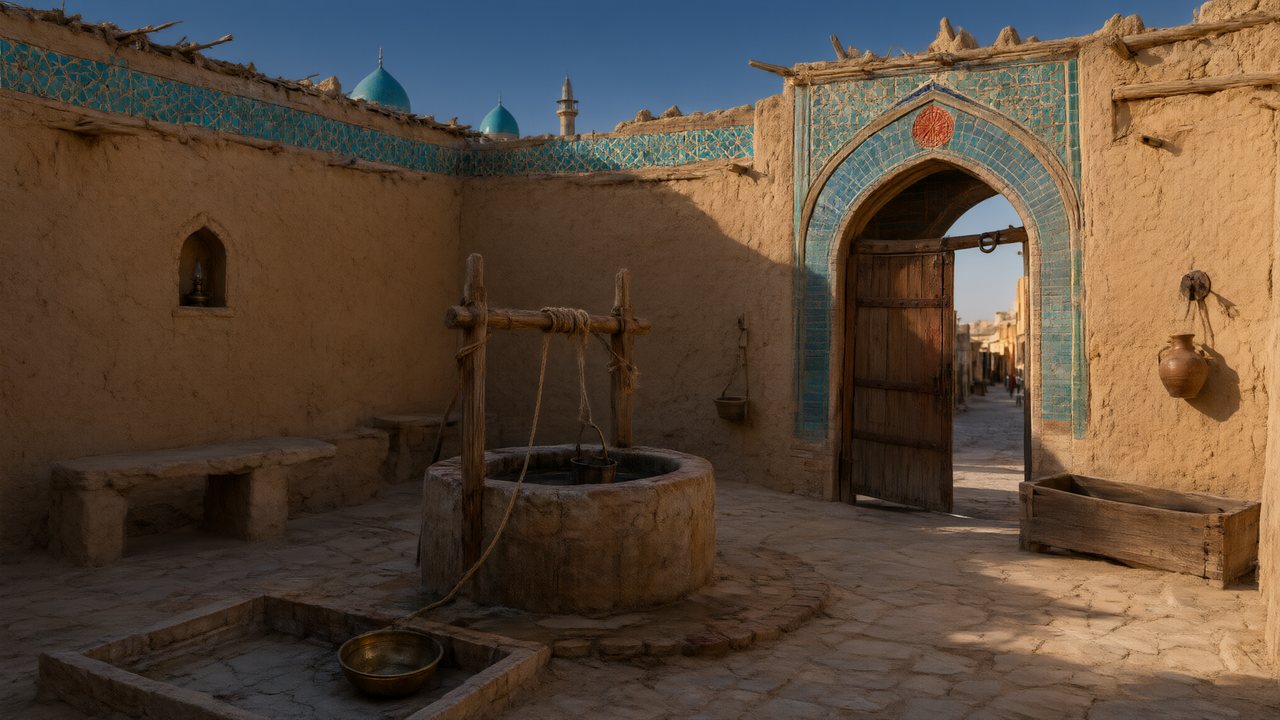 العهد الصحراويالعربيةNative dialogue
 Çantasındaki SözleşmeTürkçeNative dialogue
 Die Istanbul-TäuschungDeutschNative dialogue
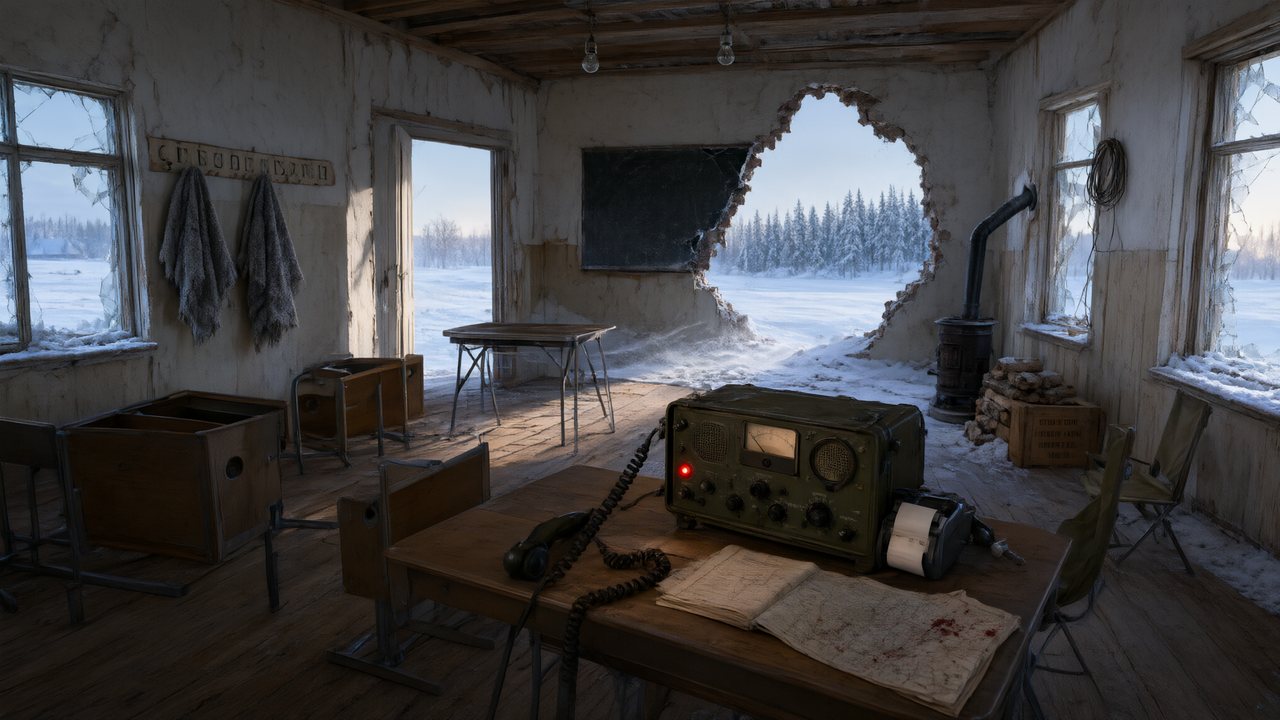 Останній сигналУкраїнськаNative dialogue
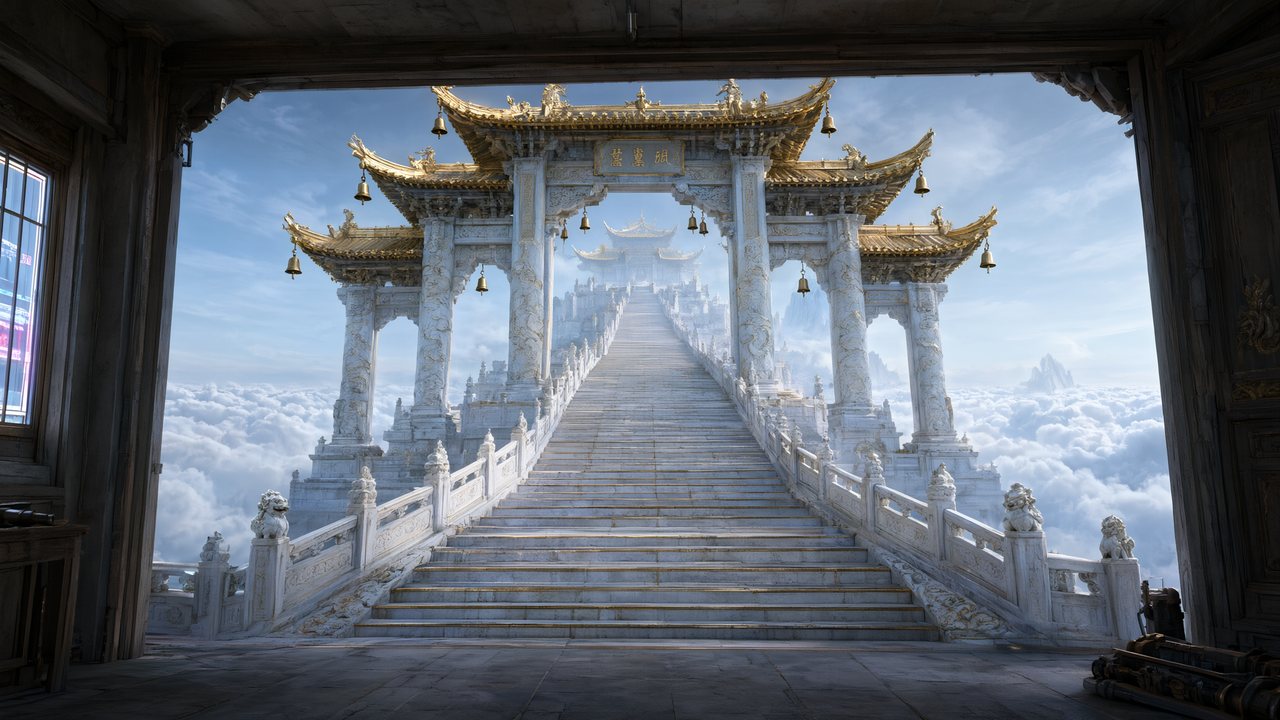 問劍青雲繁體中文Native dialogue
 The Last EnvelopeEnglishIn your language
FAQ
What is an AI story generator?
A tool that writes a story from a short idea. Here the story does not stop as text: it is turned into a script, a cast, an episode list and a storyboard you can edit, then into video.
Does it write the whole story or only the idea?
A whole script: episodes, scenes and dialogue, at a length you pick from about a thousand to twenty thousand characters. Each draft is kept in Writing History.
Can I bring my own story instead?
Yes. Paste it or upload a .txt, .docx or .md file. A paragraph is the minimum, and a novel up to 300,000 English characters is read in two parts.
How do I get a better story out of one sentence?
Put five things in it: the genre, the lead and what they want, the conflict, the ending you want and the tone. If the first draft is off, write again with a sharper brief.
Can I change the story after it is written?
Not inside the writing window. Write again with a better brief, or copy the text, edit it and paste it into Upload Script. After the read, the summary, the cast and every storyboard are editable for free.
Which language is the story written in?
The language your interface is in when you press Start Writing. The language the cast speaks in the video is a separate choice in Step 1.
Is it free?
Writing is priced by the length you pick, and reading is 4 credits per 1,000 characters. The first drama gets 15 free setup images and a free episode 1 storyboard, and each account gets one free preview of up to 5 seconds.
Does it make the video too?
Yes, segment by segment, with the lines spoken. Video is the biggest cost, at 10 credits a second on the default tier, so the story is checked in text first.
Turn one sentence into a script you can read
Cast, episodes and storyboard before any video is paid for.
Updated November 2, 2026