AI script breakdown
AI Script Breakdown
Updated September 21, 2026

What a breakdown is for
Before anyone shoots anything, somebody reads the script and writes down what it will take: who is in it, where it happens, what has to be on the table, and how it divides into shootable units. That document is a breakdown, and on a conventional production it is what the schedule and the budget are built from.
Generated video needs the same document for a different reason. Every shot is rendered independently, so anything that has to stay the same across shots has to exist as a shared object first — one that later shots point at instead of re-describing. The breakdown is where those objects are created.
What one pass produces
| Characters | A named entry each, with appearance written specifically enough to draw from — face shape, build, a distinguishing visual anchor — plus wardrobe and a voice description. Median project: five named characters. |
|---|---|
| Locations | Every place the script actually uses, described as a space rather than a mood: depth layers, materials, where the light comes from. |
| Props | Objects the plot touches — the letter, the knife, the phone. Set dressing that nobody handles stays in the location description. |
| Episode structure | A numbered list. Each entry gets a conflict arc, an emotional high point and a closing hook — not a summary of events. |
| Summary | Title, logline, era, region, one-line premise. Editable before anything is drawn. |
| Anchors | Each episode entry quotes the source text it came from, verbatim. Used to check the breakdown against the script rather than trusting it. |
Long scripts are read in two passes, on purpose
A single model call has an output budget. When a script exceeds it, the model does not raise an error — it simply stops early and returns fewer episodes than the material contains. In our own offline evaluation a fifty-episode script came back as ten, with nothing in the response to indicate the other forty were dropped. That is the worst kind of failure: a plausible, complete-looking document that is quietly wrong.
So past roughly 10,000 equivalent characters the breakdown runs as two calls — one returns the cast, locations and props; the second returns the episode skeleton with its anchors. Each episode's full outline is then expanded when you open that episode, so a sixty-episode upload does not pay for sixty expansions you may never read. The ceiling for the two-pass path is about 300,000 characters of English, roughly 50,000 words.
Read it before you spend anything
The breakdown is the cheapest thing in the pipeline and the most expensive thing to get wrong, because everything downstream points at it. A face described vaguely produces a generic reference sheet, and that sheet is then attached to forty shots. Fifteen minutes spent here is worth more than any amount of regenerating later.
- Check the episode count against the script. Each entry quotes its source line — if the last quoted line is halfway through your file, the breakdown is short.
- Fix character descriptions now, while they are still text. Add the anchor a stranger would use to pick that person out of a crowd.
- Delete props that are set dressing. Anything left in the prop list gets reference art and gets attached to shots.
- Check who is missing. A character who speaks once and is never touched or named again may not have made the cast list; add them if a later shot needs their face.
What it will not do
- Schedule or budget a live shoot. There are no day-out-of-days, call sheets or crew counts here. This is a breakdown for generated video.
- Invent plot. Scene order, dialogue and beats follow the script. What the pass adds is structure and specificity, not story.
- Read a PDF or .fdx directly. Plain text, .docx and .md, or paste. Screenplay layout is understood; export first.
- Guarantee every prop. The pass is good at objects the plot handles and unreliable at objects mentioned once in passing. Check the list.
What it costs
Analysis is charged once for the whole upload, by length: 4 credits per 3,333 characters of English text. A 30,000-character script is therefore about 36 credits — the cheapest stage by an order of magnitude, and the one everything else depends on. Reference art is billed separately per image, with 15 free per account and 7 credits each after that; shot lists are 1 credit per 333 characters per episode. Timing: reading a whole script takes about 2 minutes 49 seconds at the median, measured across every analysis that completed successfully on scenemixer.com in the thirty days to 20 September 2026. Full table on the pricing page.
Languages
Native dialogue in 15 languages
Every series below was produced by the same pipeline with the cast speaking that language natively: the interface, the working documents and the spoken lines are all in one language, and nothing is dubbed. Open one to hear it.
 A Carta de LisboaPortuguêsNative dialogue
 윈터 프라미스한국어Native dialogue
 El Secreto de CostaEspañolNative dialogue
 浪人の誓い日本語Native dialogue
 Ikrar JakartaBahasa IndonesiaNative dialogue
 Зимняя коронаРусскийNative dialogue
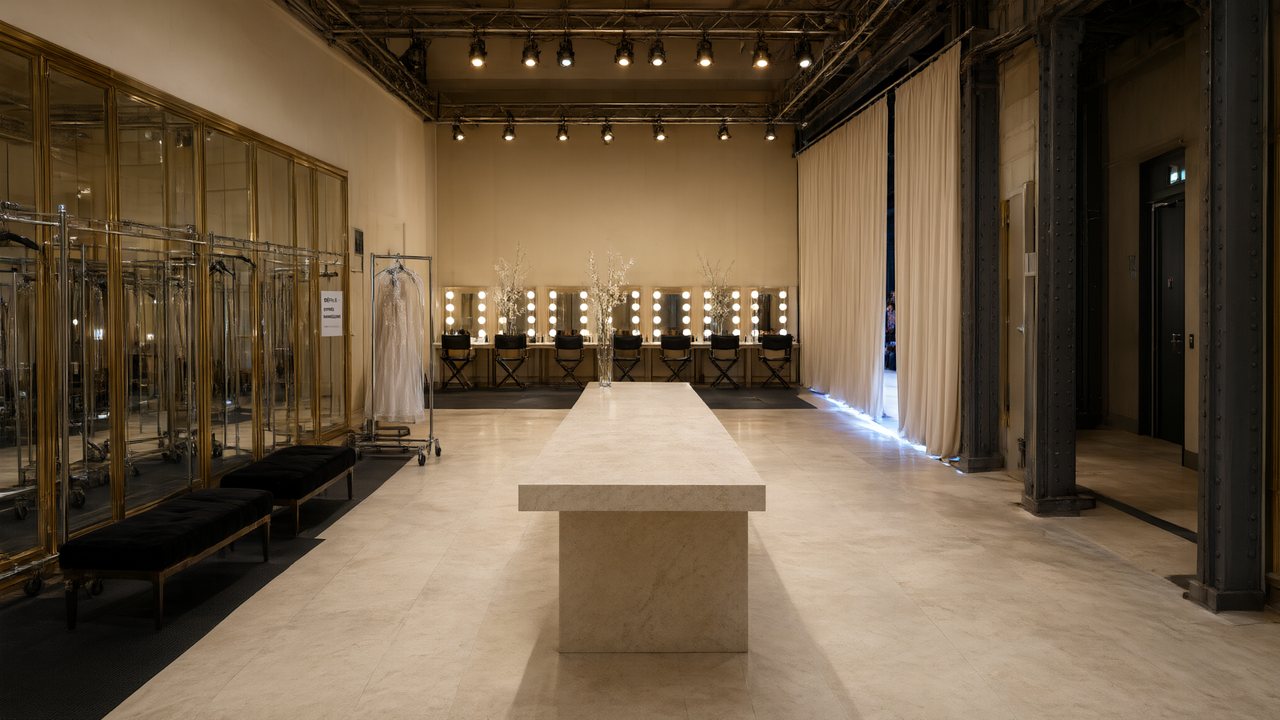 L’Héritier du DéfiléFrançaisNative dialogue
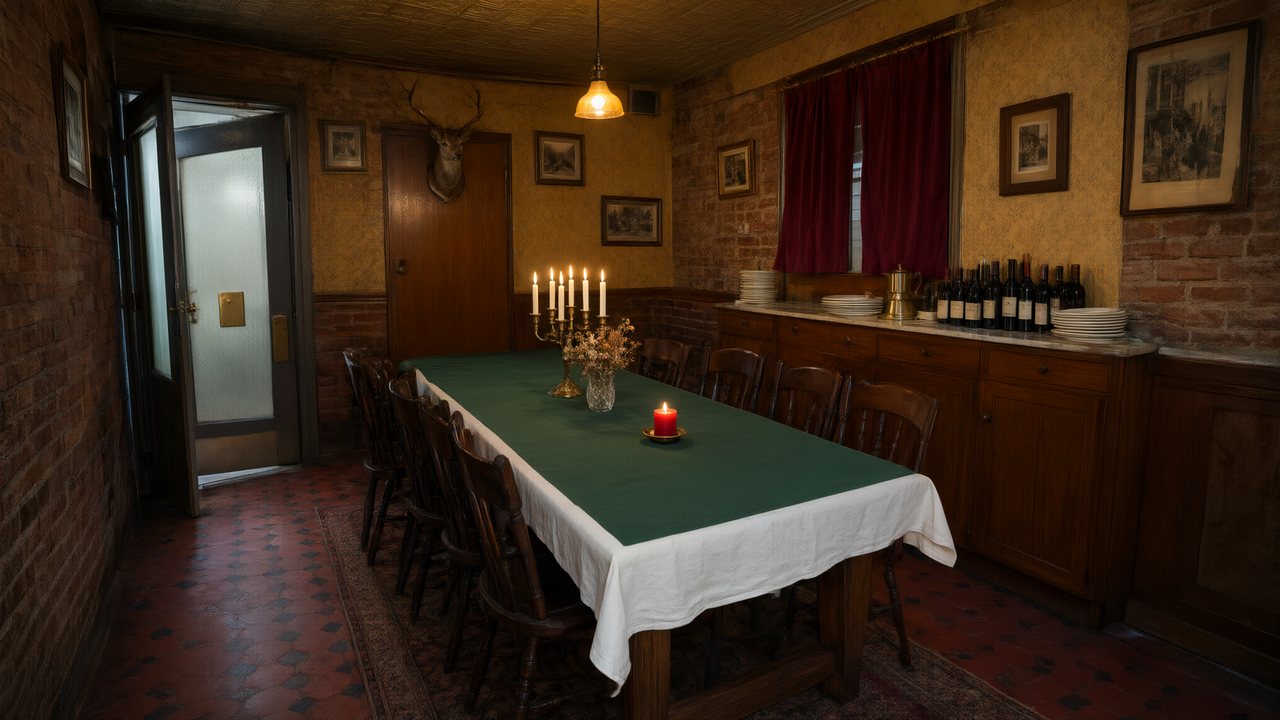 Il Tavolo dell'OlivaItalianoNative dialogue
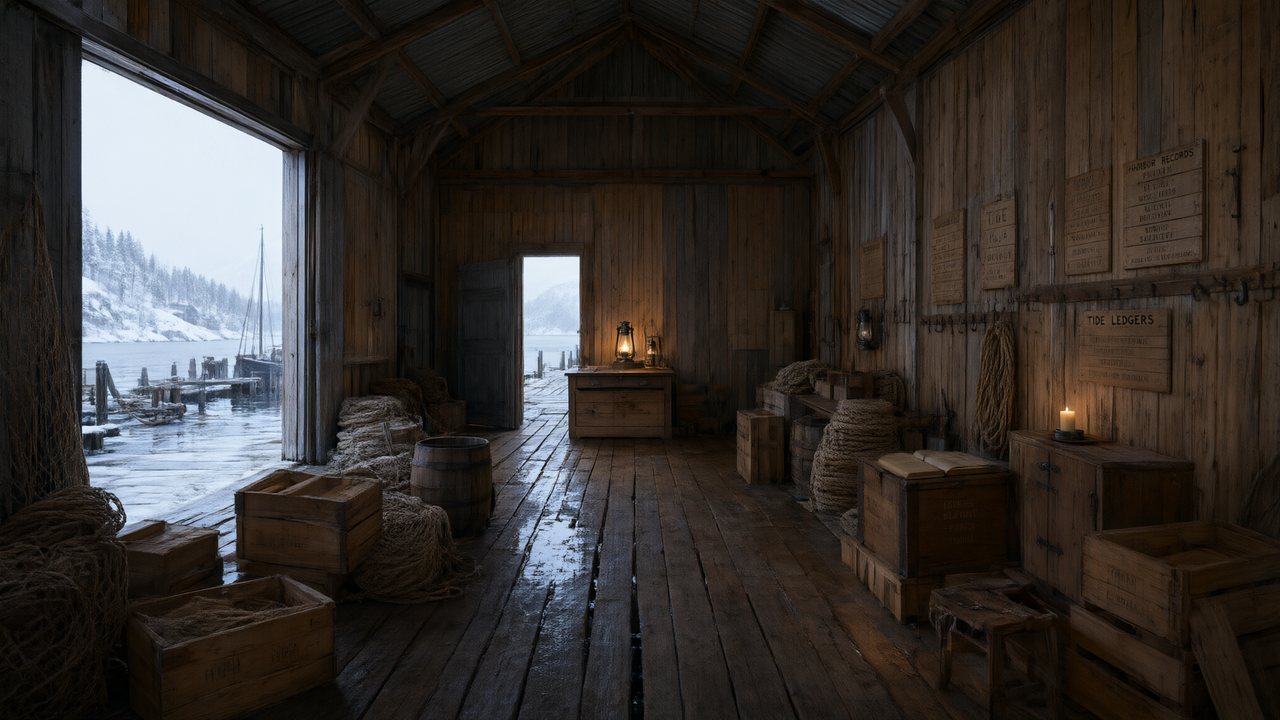 De Vuurtoren van de FjordNederlandsNative dialogue
 العهد الصحراويالعربيةNative dialogue
 Çantasındaki SözleşmeTürkçeNative dialogue
 Die Istanbul-TäuschungDeutschNative dialogue
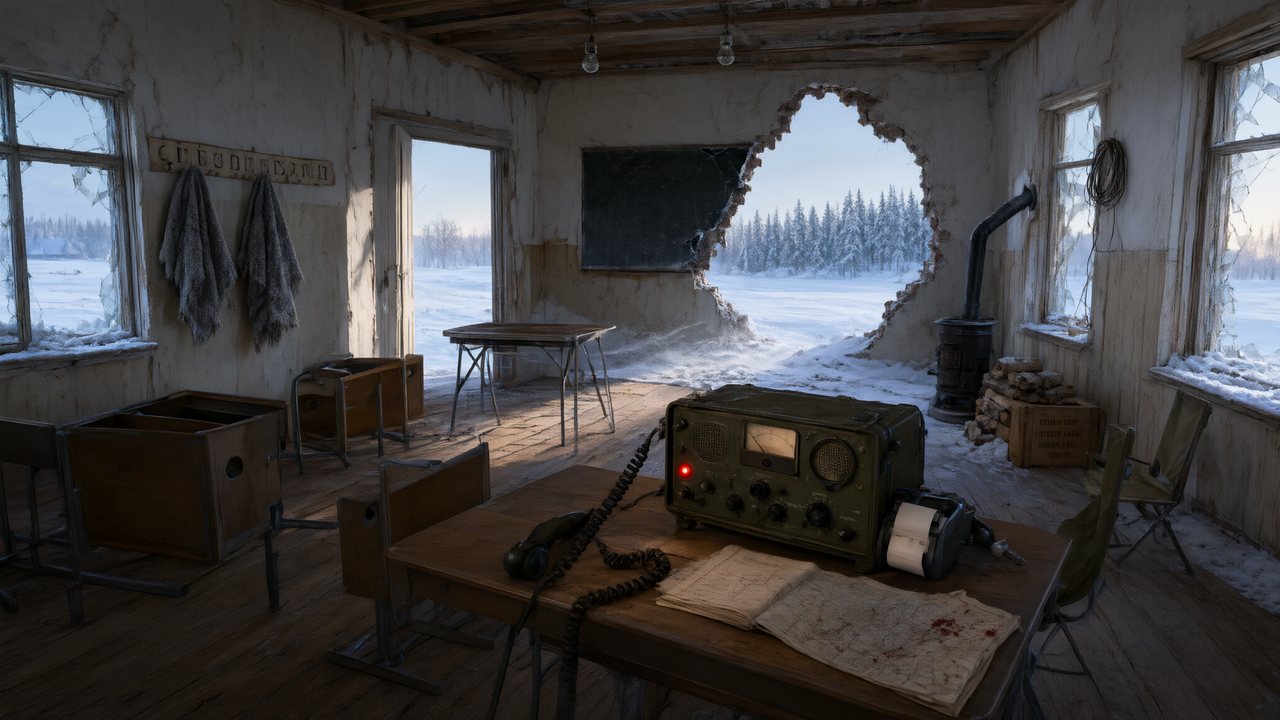 Останній сигналУкраїнськаNative dialogue
 問劍青雲繁體中文Native dialogue
 The Last EnvelopeEnglishIn your language
Frequently asked questions
How is this different from asking a chatbot to break down my script?
The output is wired into production. Characters, locations and props become objects the rest of the pipeline points at by identifier — the reference art is generated from these entries, and every later shot attaches the art of the entities it names. A chat transcript is a document; this is the project's spine.
Can I edit the breakdown?
Yes, all of it, and you should before generating art. Descriptions, names, episode titles and outlines are editable text. Editing costs nothing.
What if it splits my script into the wrong number of episodes?
Check the source quote on the last entry first — if it stops early, the script exceeded a single pass and you want the two-pass path, which triggers automatically past about 33,000 English characters. If the count is simply not what you wanted, set the content type in Step 1 (short drama, series or film) — that changes the length cap each unit is paced for.
Does it work on a novel rather than a screenplay?
Yes, and that is the harder input it was built for: prose has inner monologue, time skips and description that a camera cannot photograph. Novel to video covers what happens to each of those.
How long can the script be?
About 300,000 characters of English — roughly 50,000 words — in one project. Past that, split by act or volume and run them as separate projects; the cast can be carried across.
Read the breakdown before you draw anything
Analysis is the cheapest stage — and the one everything else points at.
Try SceneMixer freeCredit packages from $1.49 · Pro $7.99/mo · No credit card to start
Pricing·Novel to Video·Guides·Samples·Support·Privacy·Terms·Legal·Contact·© 2026 SceneMixer