How to Make an AI Period Romance Drama

Brief for AI Create: A Regency romance: a vicar's daughter with no dowry is hired to teach a duke's ward to dance before her first season; the duke has sworn never to marry; a scandal at the final ball forces his hand; witty, restrained, swooning.
The conventions viewers come for
- The season. A fixed run of balls and calls with a marriage at the end of it. It is the genre’s clock.
- The rule and the risk. A dance too many, a walk without a chaperone, a letter in the wrong hands. Small acts have enormous consequences, which is what makes them thrilling.
- The mismatched pair. Rank against wit, money against pride. They spar before they admit anything.
- The hand. In a world where touching is forbidden, a gloved hand is a love scene. The genre is at its best when it is restrained.
- The scandal. Gossip, a rival, a family secret. The public is always watching, and the ending is always in front of it.
Settings to pick in step 1
- Visual Style: Soft-Mist Live Action for a hazy, romantic period feel; Filmic Live-Action for a richer, darker grade; Oil Painting or Watercolor Storybook for a painted look.
- Scene Style: European Palace for ballrooms and great houses, Medieval Castle for something older and wilder, Parisian Streets for a continental chapter, Pastoral Healing for country estates and gardens.
- Costume Style: Regency for empire waistlines and tailcoats, Victorian for later, more structured dress, European Court Gown for a royal court. The scene and costume styles are read with the script and fixed afterwards. When they take effect.
- Type: TV Series for room to linger; Short Drama for a fast feed version with a hook at every episode’s end.
- Target Region: Western, or Follow script if your script already places everything in a named county and city.
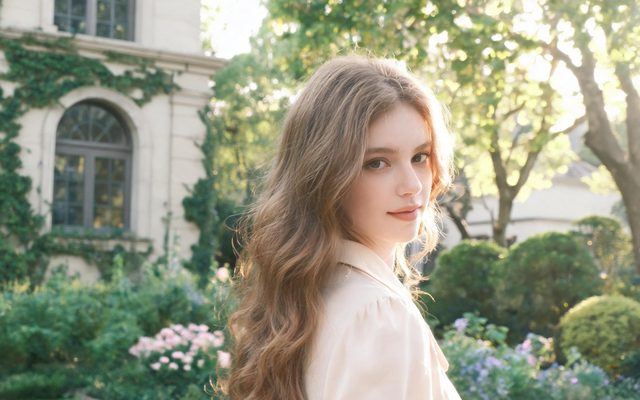
Visual Style: Soft-Mist Live Action
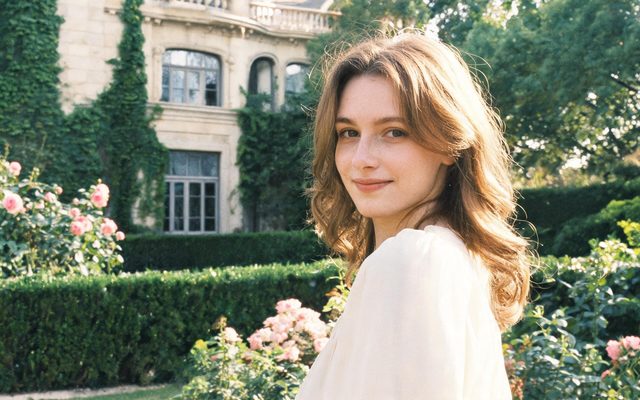
Visual Style: Filmic Live-Action
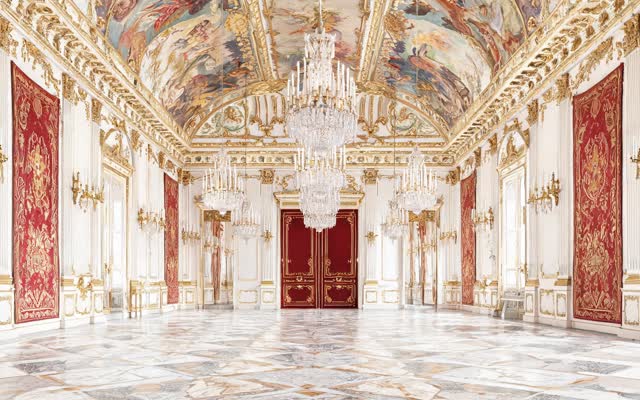
Scene Style: European Palace
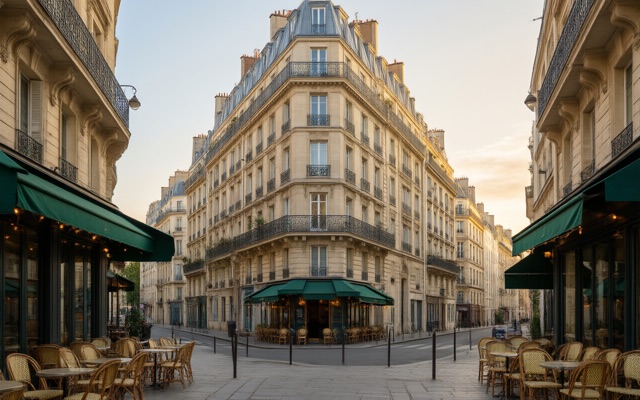
Scene Style: Parisian Streets
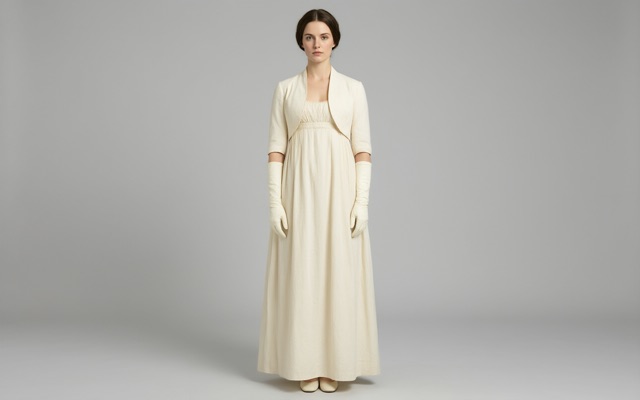
Costume Style: Regency
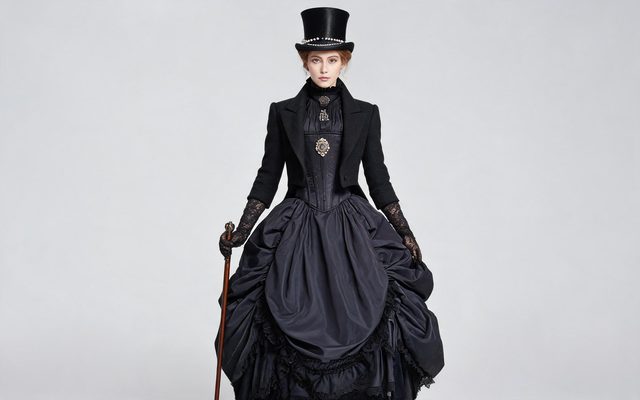
Costume Style: Victorian
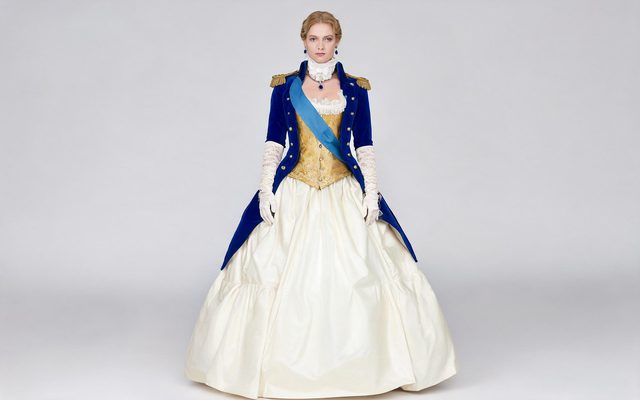
Costume Style: European Court Gown
Gowns, coats and the second outfit
A character sheet shows one outfit, and the reference image locks it. A period romance changes clothes constantly — a morning dress, a riding habit, the gown for the final ball — so decide which changes matter on screen and give those their own image:
- Generate the character’s main image in the outfit she wears most.
- On her card choose Add a state, name it (Final ball gown), and describe only the difference: an ivory silk gown with a high waist and short puffed sleeves, long white gloves, pearls woven into her hair.
- Press Generate this state; then, in the editor for the ball episode, open her from the episode’s assets and choose Use this state in this episode (or Use this state in this shot for single segments).
Minor variations — a shawl over the same dress, gloves on or off — are written into the shot instead. One outfit per character sheet · Use a state in one scene.
Filming a ball without losing the faces
A ballroom is the genre’s big set piece and the easiest place to lose consistency: forty dancers are forty faces. Film it as a cinema would:
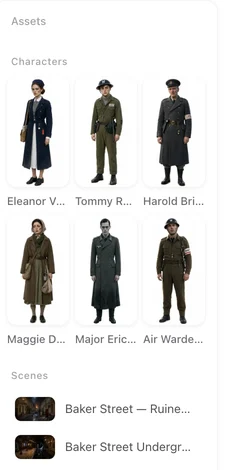
- Name only the people the scene is about. The couple, the rival, the mother watching from the wall. Everyone else is the segment’s background line: couples dancing in rows, guests along the walls. Background people.
- Two people per shot. A dance is a series of close two-shots, over-the-shoulder looks and a wide establishing frame — not a choreographed wide shot of everyone.
- Let the light be candles. Chandeliers of lit candles overhead, warm light on the dancers’ faces, the windows dark gives a period evening; “a beautiful ballroom” gives a hotel.
- One room, every episode. The ballroom and the drawing room are locations with their own images, so they look the same at every ball. Same room in every episode.
Letters, rings and the language of objects
Period stories run on objects: a letter, a miniature portrait, a pressed flower, a ring. Give the recurring ones their own prop image so they are recognisable, and remember that a generated letter will not hold legible handwriting. Let the reader say it, or let a voice-over read it as she reads:
| Beat | Shot to adapt |
|---|---|
| The letter arrives | [Shot 2] 4s: Close-up, candlelight. @Eleanor breaks the seal on the @Letter; her hand is not quite steady. No dialogue. Ambient: the fire, rain on the glass. |
| The words | [Shot 3] 6s: Medium close-up. In frame only: @Eleanor, reading. @Thomas (voice-over, low): I have tried to stay away, and I find I am a poor student of my own resolve. |
| The hand | [Shot 9] 3s: Close-up on two gloved hands that almost touch on the balustrade, then do. No dialogue. Ambient: the orchestra through the open doors. |
Props and reference images · Lines, voice-over and captions.
Voices and the way people spoke
Formality is characterisation. Write it into each Voice description: clipped, cool, perfectly polite for the duke; bright, quick, laughs before she can stop herself for the heroine; slow, honeyed, never says what she means for the rival. Keep period vocabulary in the dialogue itself and keep lines short enough to say in the shot’s seconds — about three words a second in English. How character voices work.
Make it in SceneMixer, start to finish
- Script: paste yours on Upload Script, or a brief in AI Create with the season, the pair, the obstacle and the ending.
- Step 1: the period settings above; read the script.
- Step 2: generate the cast, the ballroom, the drawing room and the garden; add the gowns that matter as states; give the letter and the ring their images.
- Storyboard: episode 1 first (free on your first project). Check that ball scenes name only the people they are about.
- Video: generate on the default tier at 10 credits a second, regenerate the shots that miss, composite and post.
| Episode | What happens | The hook |
|---|---|---|
| 1 | The duke’s household hires a dancing teacher with no family name worth knowing. | He watches the first lesson from the gallery and leaves before she sees him. |
| 2 | The first call of the season; a rival notices how the duke looks at the teacher. | A letter with no signature is slipped under her door. |
| 3 | The first ball. One dance, one too many. | Her name is in the morning’s gossip sheet. |
| 4 | She is dismissed to protect his ward’s prospects. | He rides after the coach. |
| 5 | The final ball, in front of everyone. | He crosses the room and asks for the dance no one expects. |
FAQ
Can I make a Regency romance with AI?
Yes. Choose European Palace as the scene style and Regency as the costume style in step 1, then write or generate the script. The cast, rooms and costumes are kept consistent across episodes.
How do I change a character's gown for the ball?
Make the gown a state of her character with its own image and assign it to the ball episode or to specific segments. Her other scenes keep the main outfit.
Why does my ballroom look like a hotel?
Because the shot does not say what lights it or what period it is. Write candles, chandeliers, dark windows and the dancers' dress into the shot.
How do I show a crowded ball without faces changing?
Name only the people the scene is about and put the rest of the room in the segment's background line. Film the dance in close two-shots.
Can the camera read a letter?
Not reliably. Generated handwriting is not legible. Have the character or a voice-over read it aloud while the shot shows the letter and the reader.
Can I base my story on a famous period novel or show?
Write your own story and characters. Well-known franchises and their characters trigger the IP check; public-domain classics still need care with any modern adaptation's names and designs.
Which style gives the soft, romantic period look?
Soft-Mist Live Action. Filmic Live-Action gives a darker, richer grade; Oil Painting a painted one. The style is fixed after step 1.
How long should each episode be?
One to two minutes for a feed series on Short Drama; a few minutes on TV Series if the story needs room.
Updated October 13, 2026
Pricing·Novel to Video·Guides·Samples·Support·Privacy·Terms·Legal·Contact·Affiliate program·© 2026 SceneMixer