AI dialogue generator
AI Dialogue Generator
Updated September 20, 2026

Dialogue is not a caption track
Most tools that say “AI dialogue” mean subtitles: text you paste over a clip. Here the line is spoken. The video model generates picture and audio in one pass, so the character's mouth is forming that sentence, in that language, with that pacing — there is no separate voice file glued on afterwards and no lip-sync pass to go wrong.
That has one consequence worth understanding before you write anything: a line's length decides a shot's length. Say it out loud and time it, because the pipeline does exactly that.
At a glance
| Written by | Script analysis writes the lines into each episode's outline; the shot list then assigns them to specific shots with a speaker and a delivery note. |
|---|---|
| Language | Chosen once per project, before analysis. Fifteen to pick from. The cast performs in that language; the interface and working documents follow your own language independently. |
| Delivery notes | A short parenthetical per line — how it is said, not what is said. It reaches the video model as performance direction. |
| Off-screen lines | Marked explicitly: voice-over, narration, inner voice, a voice on the phone. Marked lines do not open anyone's mouth on screen. |
| Shot length | Derived from the line. English is timed at three words per second; Chinese at five characters per second. A short line still gets a floor so the shot does not feel clipped. |
| Voices | Matched from a preset voice library, or you upload a sample for a character. No voice cloning of anyone you do not have. |
| Editing | Free. Rewrite any line in the shot list; only the segments you touched re-render. |
Why the timing rule matters more than it sounds
A line of eighteen English words needs about six seconds of screen time. Ask a video model for a four-second shot and give it eighteen words and one of two things happens: the delivery is rushed into gibberish, or the model quietly drops the back half of the sentence. Neither failure announces itself — you only notice when you watch the cut.
So the shot list computes the floor from the line itself and writes that number into the shot. If a segment's shots add up to more than the segment can hold, the segment is split at a shot boundary rather than compressed. You can override any duration by hand; the arithmetic is there so the default is never wrong in the direction that ruins a take.
Delivery notes: direction, not stage business
Each line carries a short note in brackets — the kind a director says across a table, not a novelist's adverb. “Flat, already decided.” “Trying not to look at the door.” These reach the model as performance instruction and change the read noticeably. Two rules the pipeline enforces so they stay useful:
- The note never repeats the line. A note that paraphrases the sentence adds nothing and eats the model's attention.
- Off-screen markers come first. If the line is a voice-over, a voice on the phone or an inner thought, that is stated before any other direction — because it decides whether a mouth moves at all, and getting it wrong is the difference between a phone call and a character talking to themselves on camera.
When the model returns lines without notes — which it does unpredictably — a separate small pass fills only the missing ones, without touching the lines themselves.
One project, one dialogue language
The dialogue language is a project setting, not a per-line one, and it is chosen before analysis because it changes what gets written, not just how it is rendered. A Chinese web novel set to English dialogue produces English lines with English rhythm — not translated Chinese sentences. Names and settings move with it if you also set a target region.
What does not change is the price: a segment costs the same credits in any language, and the working documents you read are translated for free. The detail is in the dialogue-language guide; native dialogue vs dubbing covers why this is not a dubbing pass.
What it will not do
- Clone a voice. Voices come from a preset library or your own uploaded sample. There is no path here for reproducing someone else's voice.
- Lip-sync footage you upload. Speech is generated with the picture. This is not a tool for putting new words in an existing clip's mouth.
- Burn in subtitles. Spoken dialogue is audio. Platform captions are added after export.
- Hold a four-person conversation in one shot. Two-handers are reliable; past that, coverage is cut into shots, which is what a real edit would do anyway.
What it costs
Dialogue is not a separate line item — it is written by the two paid stages you already run. Script analysis is 4 credits per 3,333 characters of English text; each episode's shot list is 1 credit per 333 characters of that episode. Rewriting a line is free; re-rendering the segment that contains it costs the segment's video, from 10 credits per second (≈ $0.06/s at the lowest credit price). Voice matching costs nothing. New accounts start with 50 credits and one free preview of up to 5 seconds — enough to hear a line performed before paying for anything. Full table on the pricing page.
Languages
Native dialogue in 15 languages
Every series below was produced by the same pipeline with the cast speaking that language natively: the interface, the working documents and the spoken lines are all in one language, and nothing is dubbed. Open one to hear it.
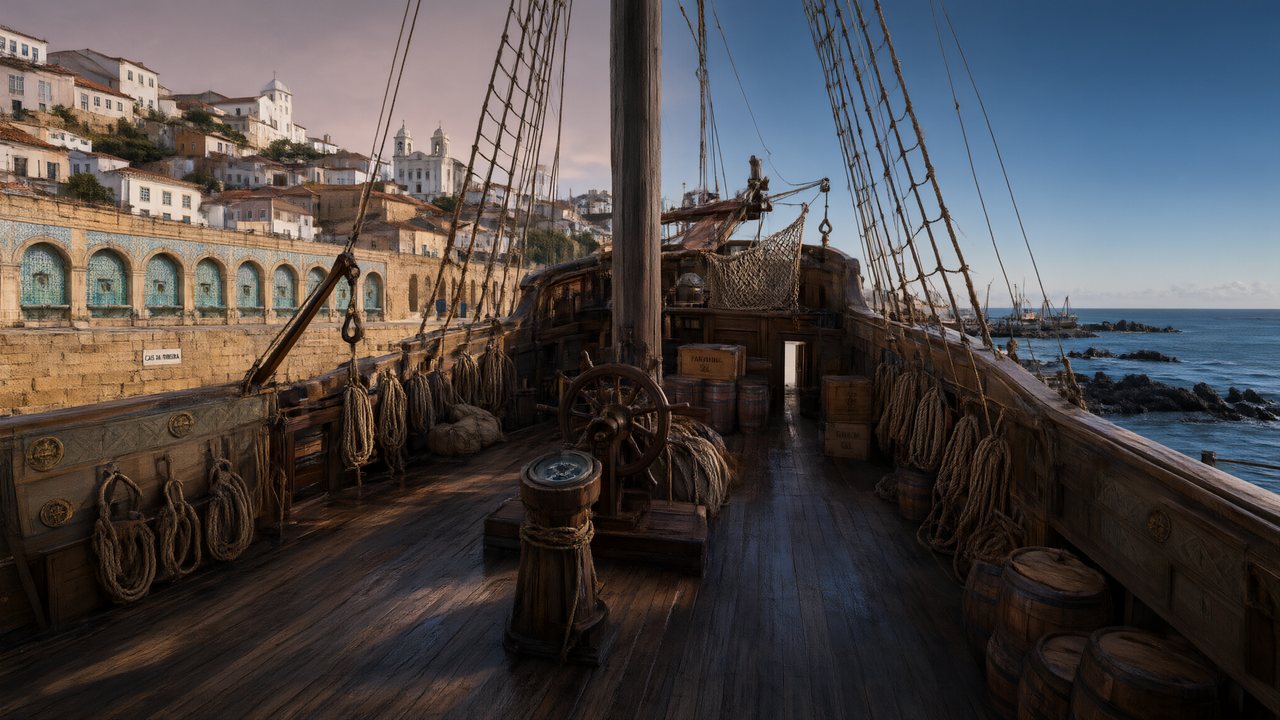 A Carta de LisboaPortuguêsNative dialogue
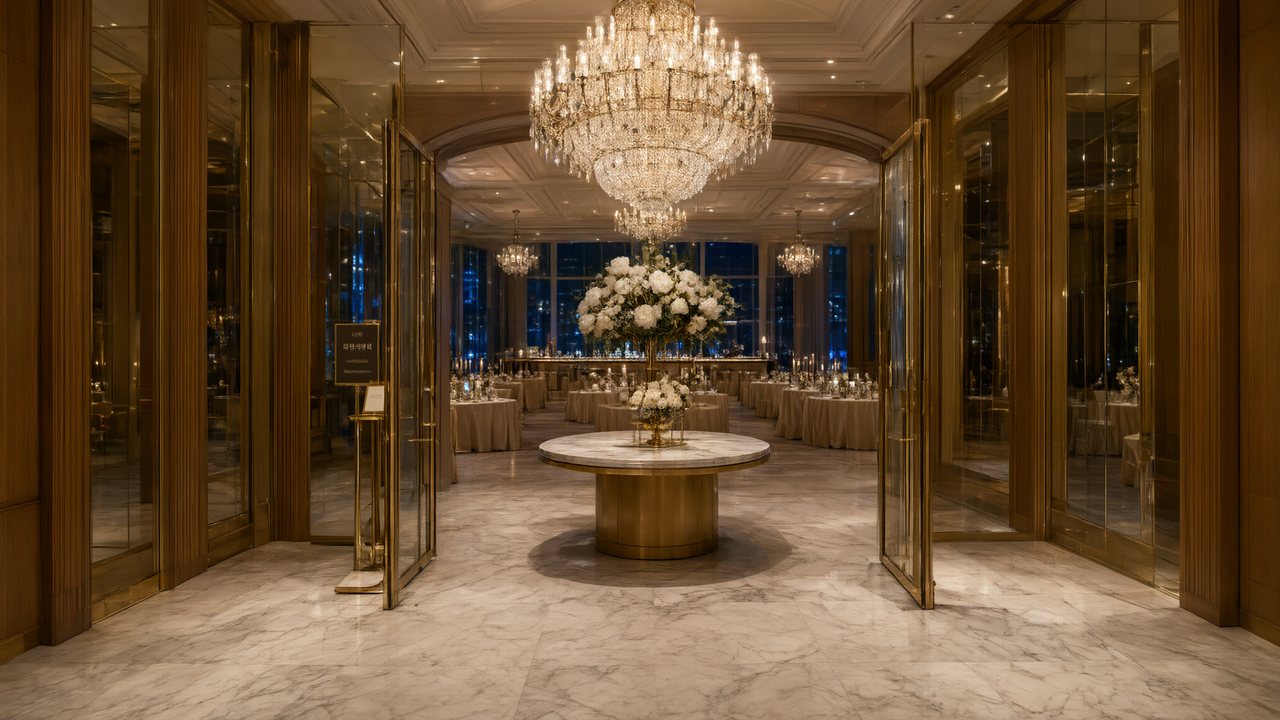 윈터 프라미스한국어Native dialogue
 El Secreto de CostaEspañolNative dialogue
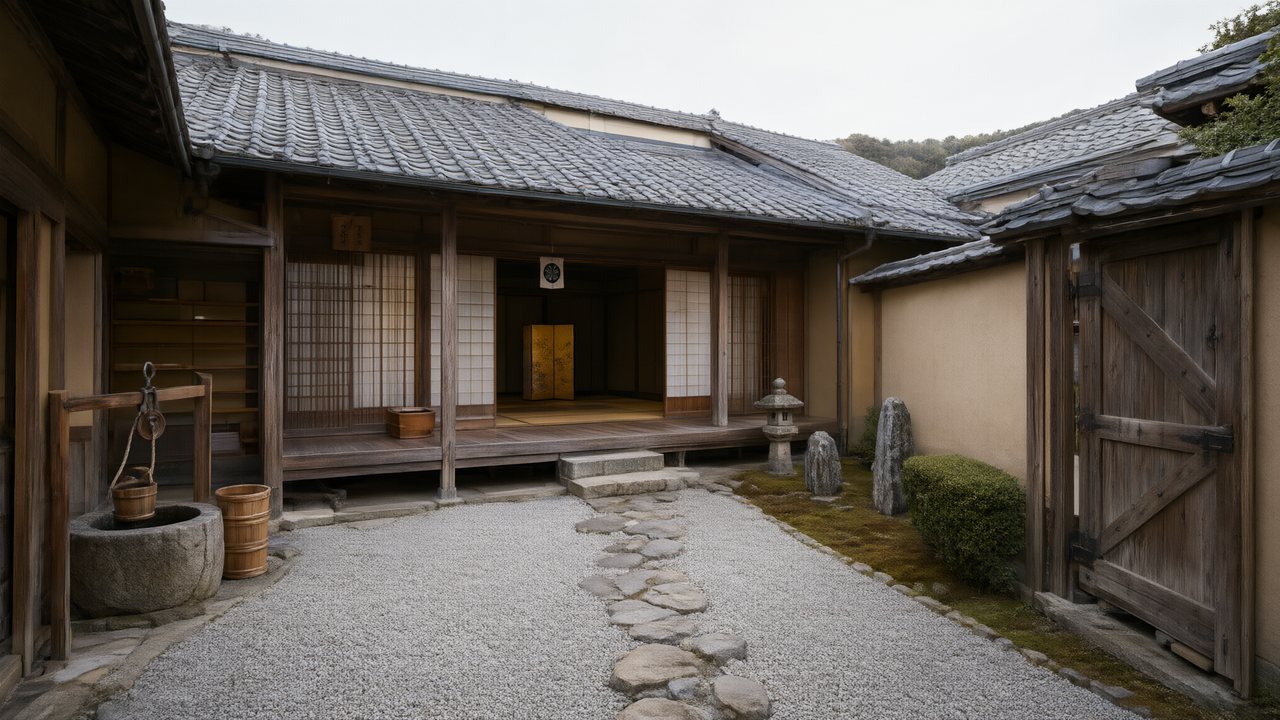 浪人の誓い日本語Native dialogue
 Ikrar JakartaBahasa IndonesiaNative dialogue
 Зимняя коронаРусскийNative dialogue
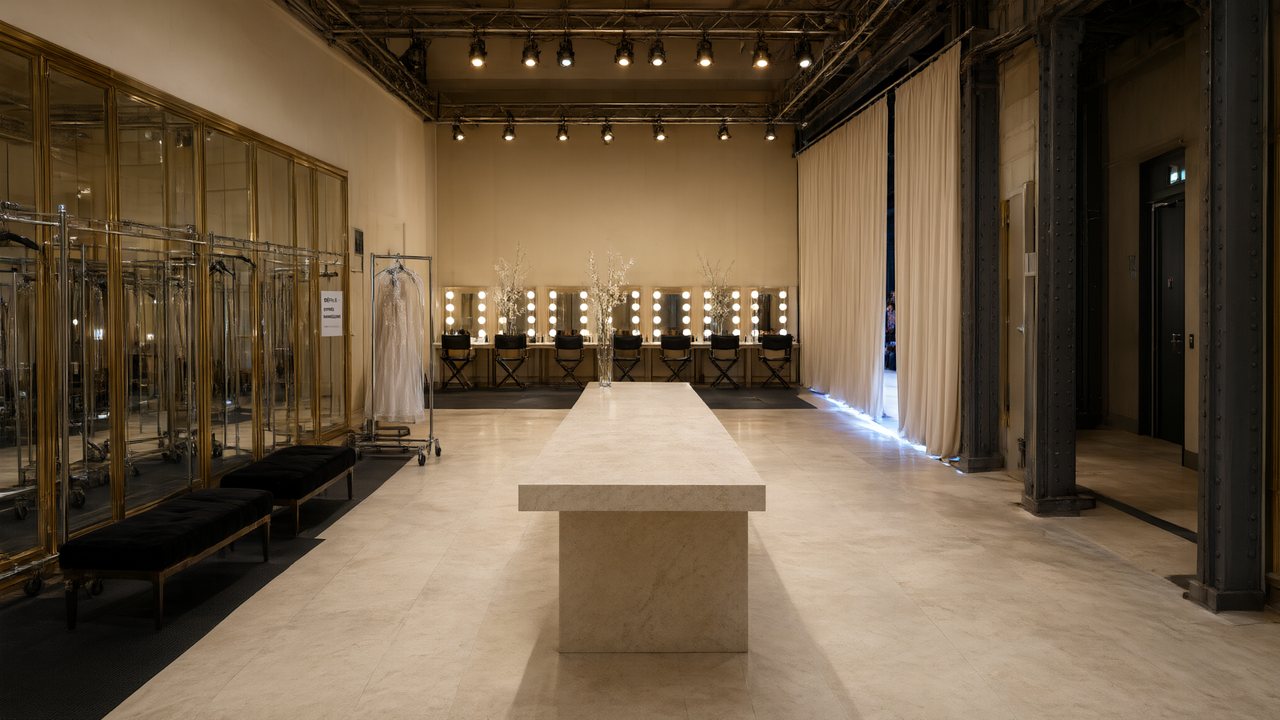 L’Héritier du DéfiléFrançaisNative dialogue
 Il Tavolo dell'OlivaItalianoNative dialogue
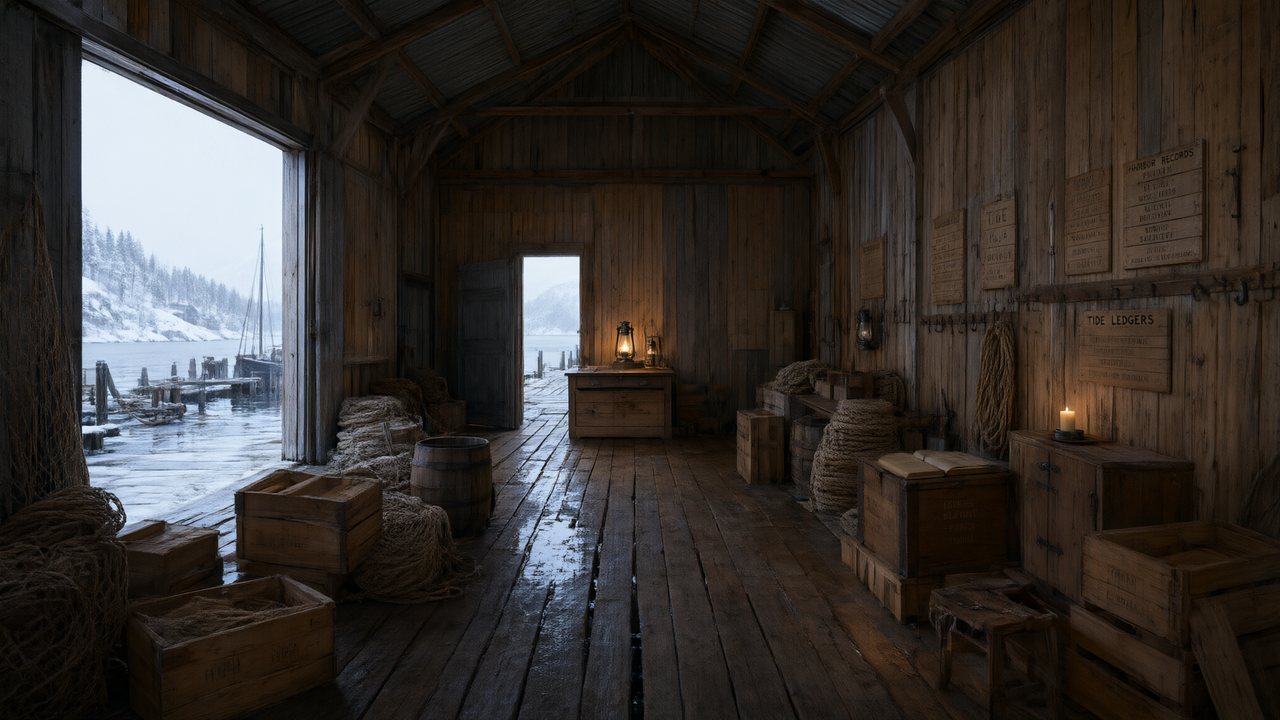 De Vuurtoren van de FjordNederlandsNative dialogue
 العهد الصحراويالعربيةNative dialogue
 Çantasındaki SözleşmeTürkçeNative dialogue
 Die Istanbul-TäuschungDeutschNative dialogue
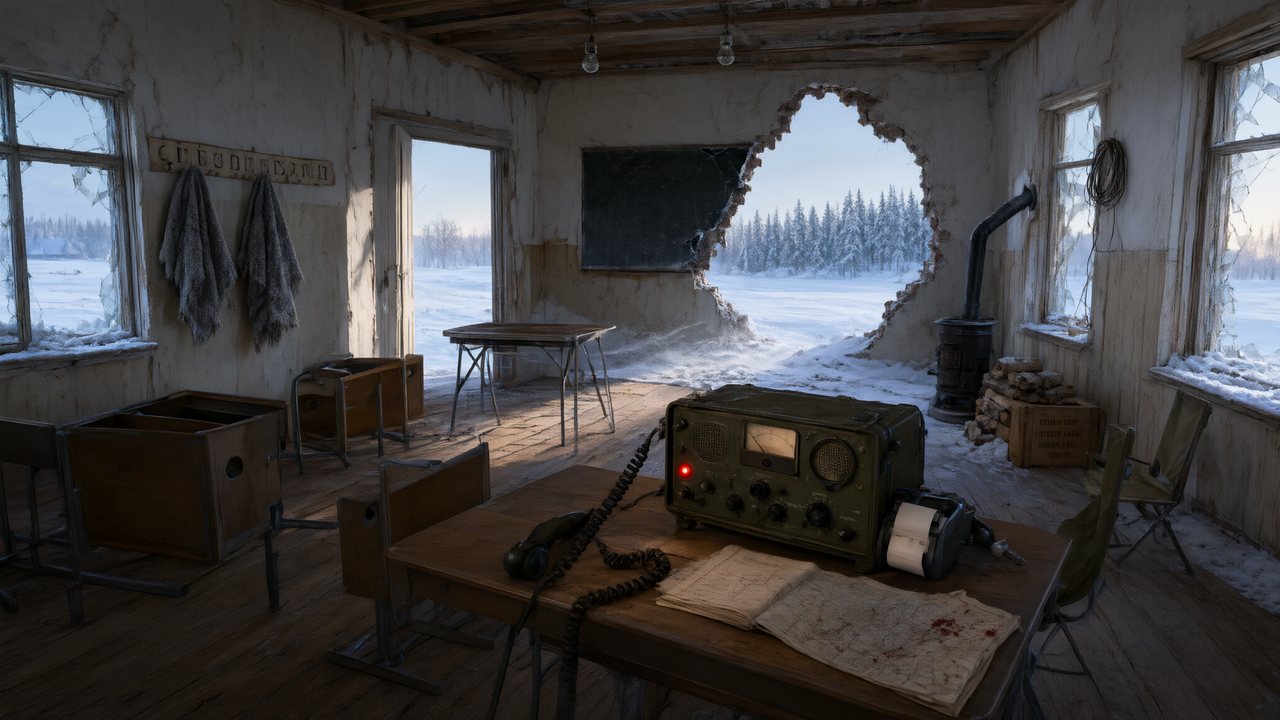 Останній сигналУкраїнськаNative dialogue
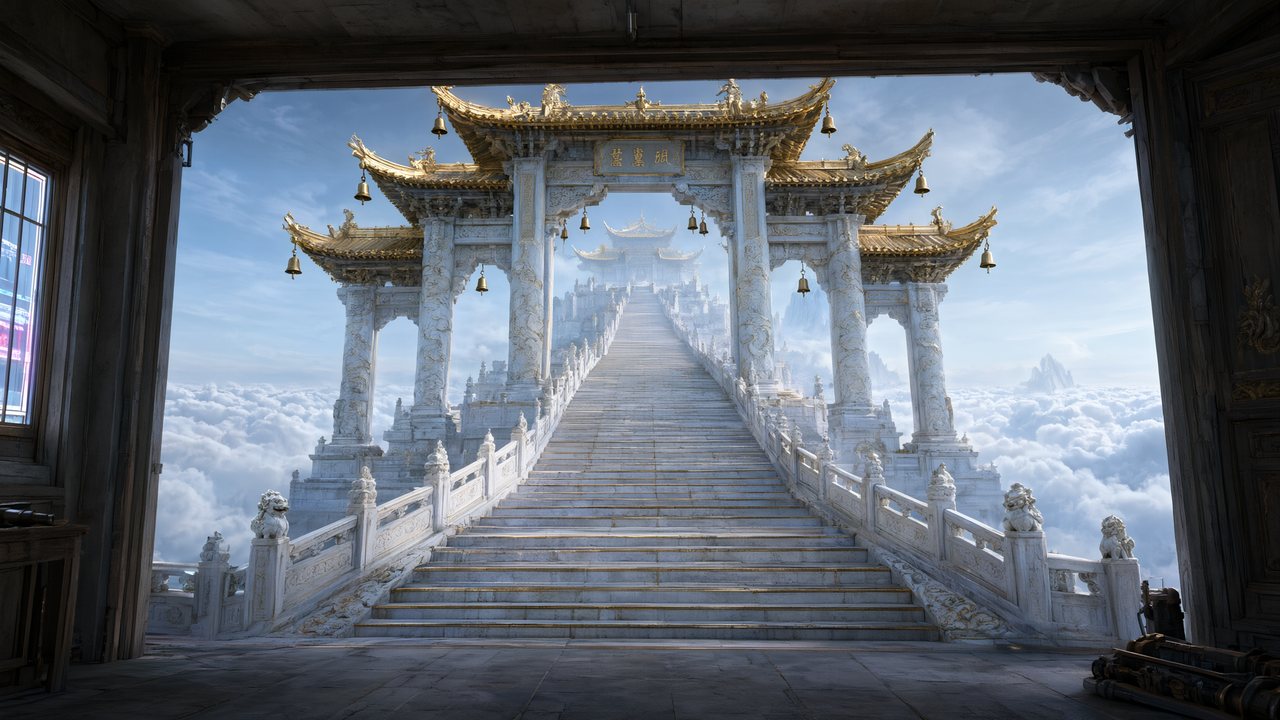 問劍青雲繁體中文Native dialogue
 The Last EnvelopeEnglishIn your language
Frequently asked questions
Can I write the dialogue myself instead of having it generated?
Yes. The shot list is editable text — replace any line with your own and only that segment re-renders. People also paste a finished screenplay, in which case analysis carries the existing lines through rather than inventing new ones.
How do I control how a line is said?
With the delivery note in brackets next to it. Keep it short and about manner rather than meaning: “quiet, not asking” changes the read; “she says she is leaving” does not, because the line already says that.
Will the same character sound the same across episodes?
Yes — the voice is a property of the character in the project, matched once and reused, the same way the face is. If you upload your own sample for a character, that upload is a persistent choice and is not overwritten by later matching.
What happens to inner monologue from a novel?
It becomes a marked line — inner voice or narration — so it is heard while the picture shows something worth watching, rather than becoming a shot of somebody thinking.
Can the interface be in one language and the dialogue in another?
Yes, and that is the common case: the interface and the working documents follow your own language, the spoken lines follow the project setting. An English-speaking producer can ship a Korean-language series and still read every document in English.
Hear a line before you pay for one
One free preview renders the opening shot of your own episode, performed.
Try SceneMixer freeCredit packages from $1.49 · Pro $7.99/mo · No credit card to start
Pricing·Novel to Video·Guides·Samples·Support·Privacy·Terms·Legal·Contact·© 2026 SceneMixer