Why Character, Scene and Prop Sheets Look Plain: White Backgrounds, Even Light and No Mood, on Purpose
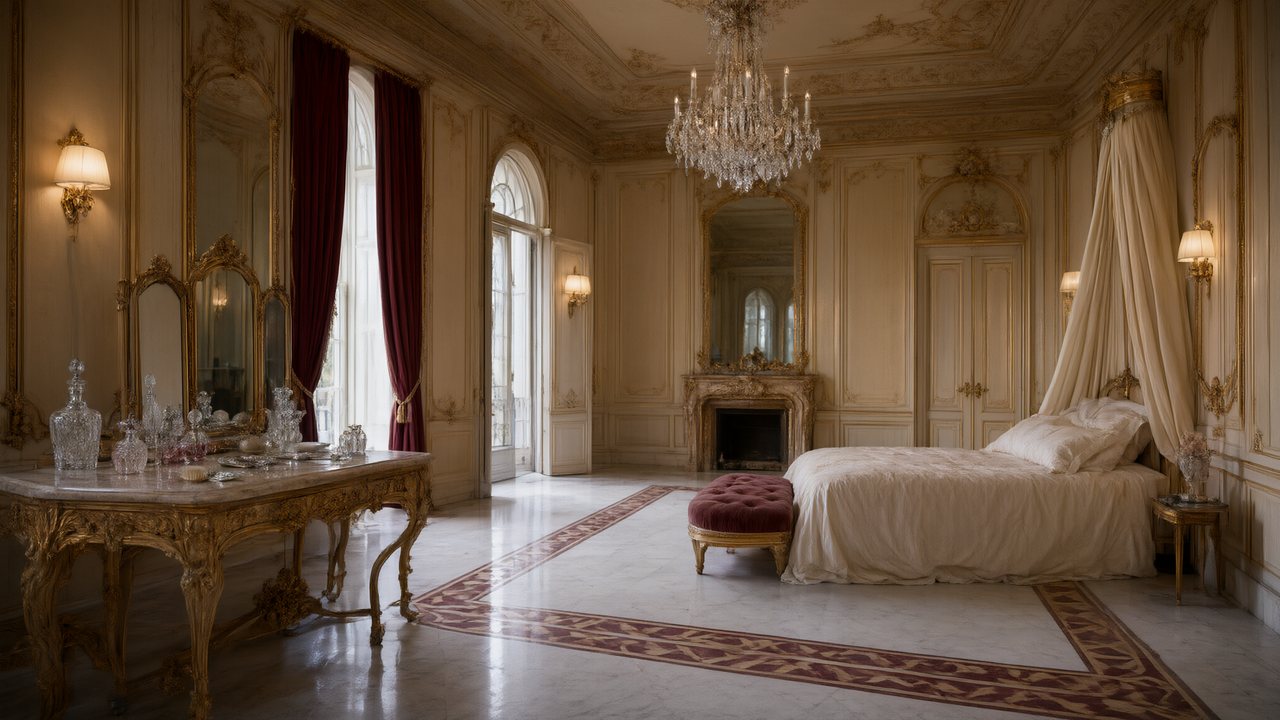
Generate two clips of the same shot, once with the default neutral sheet and once with a sheet you regenerated with “dramatic lighting” in the description: the second carries that light into the shot regardless of the storyboard.
What a sheet is used for
Every clip generation receives the sheets of the characters, states, scene and props named in the shot. They are the model’s only knowledge of what these look like, and it reproduces them closely: face, clothes, materials, and whatever light and background are in the image. Consistency across a series comes from this. Same Face in Every Shot.
Why mood on a sheet is a problem
Mood is light. A sheet with a rim light, a colour cast, a smoky background or a silhouette carries those into every shot that uses it, on top of what the storyboard asks for that shot. The two fight, and the result is muddy or inconsistent from shot to shot. A neutral sheet can be lit any way the shot needs; a moody sheet can only be lit its own way.
What each kind of sheet is optimised for
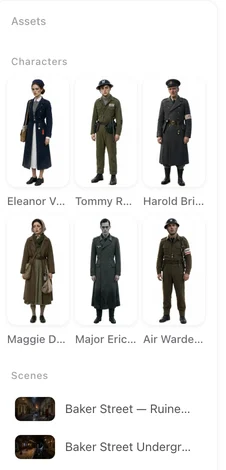
Characters: full length on white, one plain side light, so the model sees the face and the build clearly; casting photo, not poster. Scenes: the empty location with three layers of depth and a visible light source, no people, no effects; a plate to shoot in. Props: the object alone on white, light only to reveal material. States: the same, changed only in the one thing the state is about. Scene Image and Description, Props.
Where the cinematic look comes from
From the storyboard: each shot names its light (source, direction, quality), its time of day, its weather, its lens. The clip is generated from that text plus the neutral sheets. The visual style chosen in Step 1 sets the medium and finish for everything. If you want a moodier film, write it into the shots, not into the sheets. Describe the Cause, Not the Result.
Uploading your own images
Your own photo works as a sheet under the same rule: a plain, well-lit picture on a simple background serves every shot; a stylised portrait serves only shots that look like it. Crop out other people and text. Your Own Reference Images.
| Sheet | Kept plain | Because |
|---|---|---|
| Character | White, one side light, no expression drama | Face and build must read in any light |
| Scene | Empty, layout and light source visible, no fog or effects | Every shot in that room inherits it |
| Prop | Alone on white, material lit | Any hand, any table, any light later |
| State | As the base, plus the one change | Only the change should differ |
FAQ
Can I make the sheets look cinematic anyway?
You can regenerate with mood words; expect that mood in every shot and fights with the storyboard's light.
Why is the character sheet a full-length shot?
Build and posture matter for consistency; the face is the priority within it.
Does the visual style apply to sheets?
Yes, the medium and finish; the neutrality is about light and background.
Why no people in scene plates?
They would appear in every shot of that room.
Can a prop sheet show the prop in use?
No; the hand and the setting would come along. Usage is written in the shot.
Neutral sheets, cinematic shots
The reference stays plain so every shot can be lit its own way.
Updated September 27, 2026
Pricing·Novel to Video·Guides·Samples·Support·Privacy·Terms·Legal·Contact·© 2026 SceneMixer