AI shot list generator
AI Shot List Generator
Updated September 21, 2026

A shot list you can render, not a document you then have to shoot
Most AI shot-list tools hand back a table. You still have to go and make every shot in it, in some other tool, and hope the result matches what the table said. Here the shot list is the input: each segment is generated from its own text, against the reference art for the characters and places that text names. Change a line in the list and only that segment is re-rendered. That one difference decides everything else on this page — the list has to be precise enough to be executed, not just readable.
What a segment carries
The unit is a segment of 4–15 seconds, which is also one generation. Inside it sit the individual shots. Every segment opens with a header that fixes the facts a camera would need before rolling:
| Location | A reference to a location in the project's asset library, not a fresh description — so two segments in the same room are in the same room. |
|---|---|
| Time and weather | Stated once per segment. Lighting is derived from these plus the location's own plate, rather than being re-invented per shot. |
| Set dressing and props | What is standing in the space, and which props are in play. Props listed here are the ones whose reference art travels with the segment. |
| Opening frame state | The first frame, described as a still: shot size, who is in it, what posture they are in. Anything not visible in that first frame does not belong here. |
| Background people | Present only when the scene genuinely has a crowd. Declared once, in the header, so it does not flicker in and out between shots of the same place. |
What a shot carries
- A number and a duration in seconds. The shot durations of a segment sum to the segment's length; there is no slack to hide in.
- A shot size. Wide, medium, close, over-the-shoulder, insert — chosen for what the moment needs, and biased towards framings AI video models actually render well.
- Who is in frame. Explicitly, per shot. This is the list that decides whose reference art gets attached, so it is treated as the authority rather than as prose.
- The action. Written as cause rather than result: what the light source is and where it is, not where the highlight lands.
- The dialogue. Each line with its speaker and a short delivery note. The length of a dialogue shot is derived from the line — English is timed at three words per second — so a shot is never too short for the sentence inside it.
- Ambient sound. What the scene sounds like, which the video model generates along with the picture.
Three rules that exist because of how video models fail
These are not style preferences. Each was added after watching generated footage break in the same way twice.
- Nobody off screen gets named. If a character is only being looked at, spoken to or reached for and is not in the frame, the shot says “towards the left of frame”, never their name. Naming an absent character is the single most reliable way to make a model paste their face into a shot that is supposed to have one person in it.
- Single-person shots say so. A shot with one character in it carries an explicit “only this person in frame” note, and characters who are present but not speaking are marked as such, so the model does not animate a mouth that should be closed.
- Depth words are camera decisions. Writing that someone is “in the background, out of focus” behind the speaker has already chosen a camera position — one that often does not exist for a normal two-person mid shot. The list is written so those phrasings only appear where the framing supports them.
After the model writes a list, a pass of deterministic corrections runs over it before it is saved: shot durations reconciled against the segment, the opening shot size matched to shot one, mouths closed on non-speakers, weapon and contact language made specific, leftover drafting notes removed. A second pass asks the same model to rewrite only the specific lines that failed a check, never the whole list.
How long the lists are, in practice
Across projects on this platform the median episode is seven segments, and the median segment is fourteen seconds — so a typical episode's shot list is about a hundred seconds of screen time, carrying however many individual shots those seven segments need. Generating one episode's list takes about 1 minute 54 seconds at the median, measured over every list that generated successfully on scenemixer.com in the thirty days to 20 September 2026.
Editing is free; regenerating is not
Every line of the list is editable text, and editing costs nothing — the only billed events are model calls. That asymmetry is deliberate, because it changes how you work: fixing a shot by hand and re-rendering just that segment is cheap, while asking the model for a fresh list of the whole episode costs exactly what the first one did and throws away any hand edits in that episode. For small corrections, edit. For a genuinely different approach to the episode, regenerate.
What it costs
Shot lists are billed per episode, by the length of the script that episode covers: 1 credit per 333 characters of English text, at the same rate for a first pass and a re-run. Script analysis, which produces the cast and the episode breakdown the list is written against, is 4 credits per 3,333 characters and runs once for the whole upload. On a first project the shot list for episode 1 is free, and every account starts with 50 credits. Rendering the shots is separate, from 10 credits per second of output. Full table on the pricing page.
One shot list, fifteen dialogue languages
Dialogue timing is computed per language, so a shot is long enough for the line it holds whichever language that line is in. The dialogue language is chosen before analysis and performed natively rather than dubbed on afterwards; each series below was produced that way.
Languages
Native dialogue in 15 languages
Every series below was produced by the same pipeline with the cast speaking that language natively: the interface, the working documents and the spoken lines are all in one language, and nothing is dubbed. Open one to hear it.
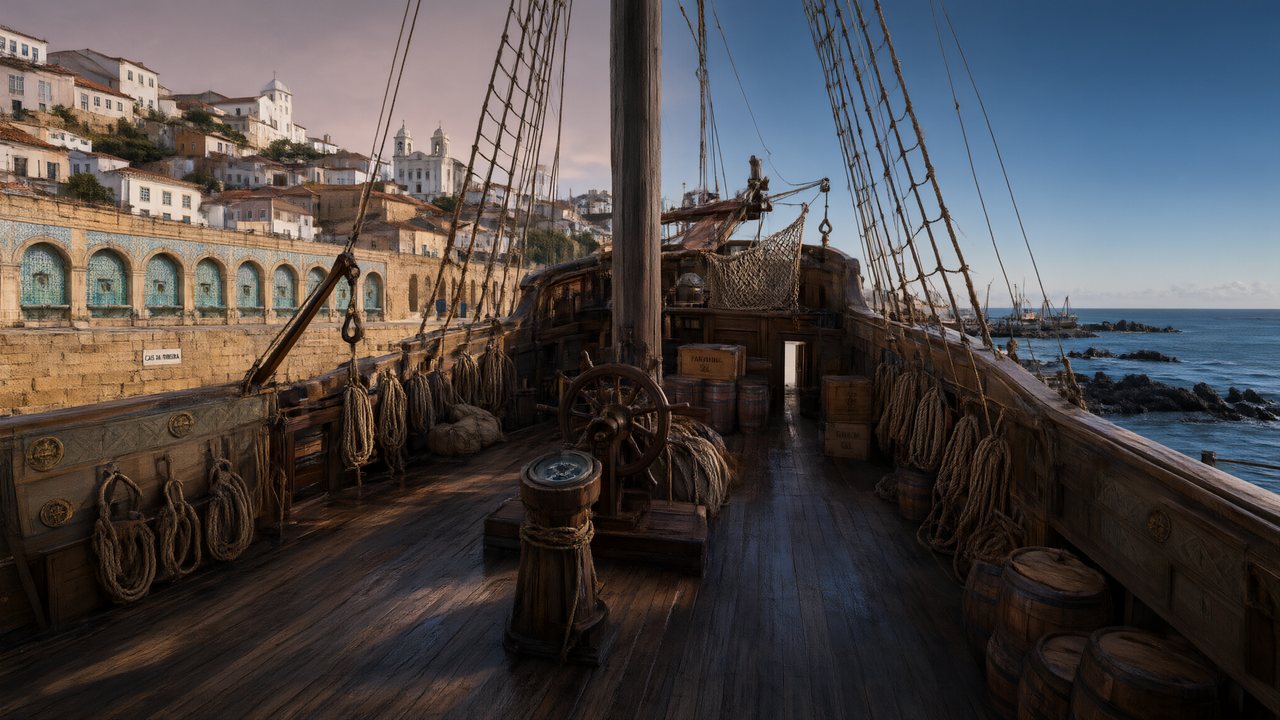 A Carta de LisboaPortuguêsNative dialogue
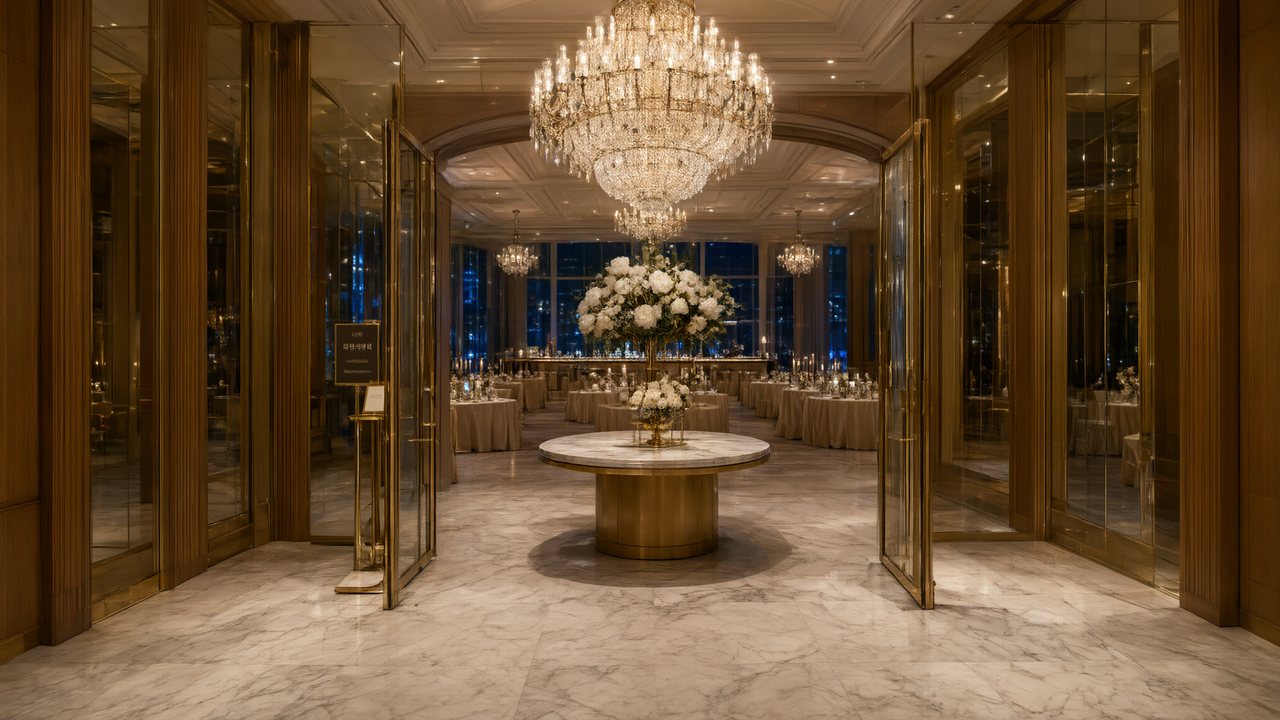 윈터 프라미스한국어Native dialogue
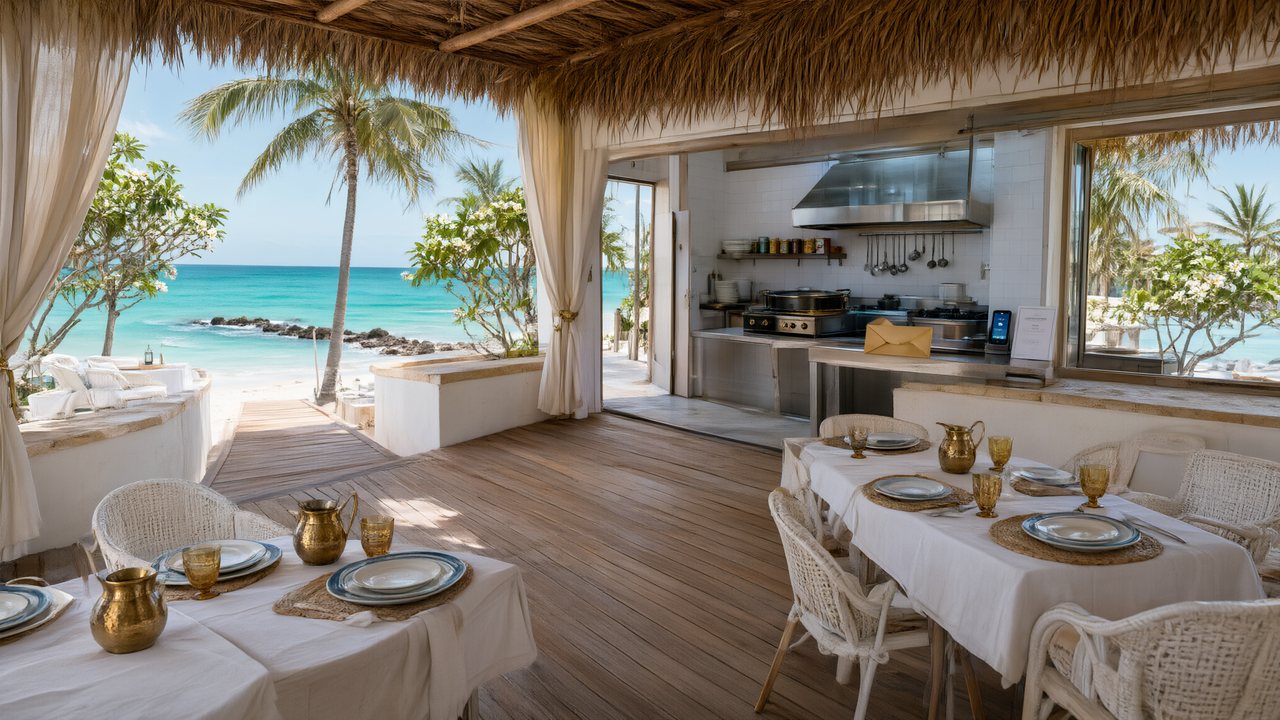 El Secreto de CostaEspañolNative dialogue
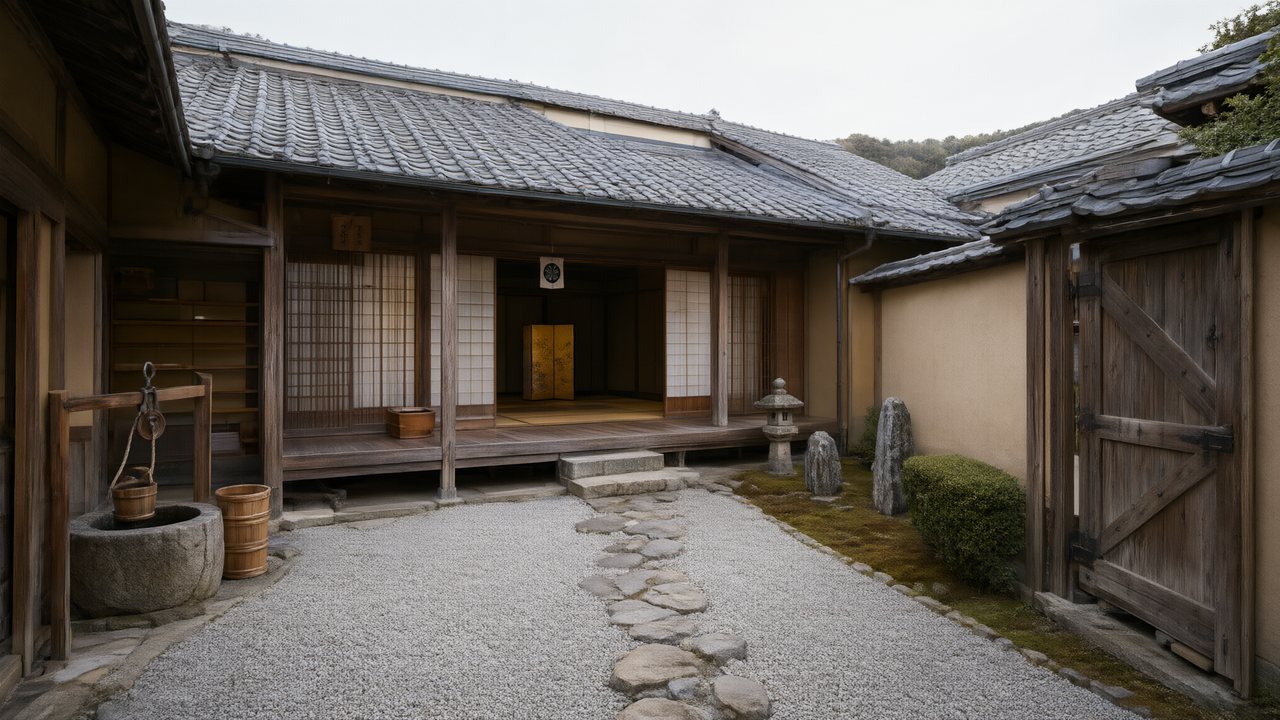 浪人の誓い日本語Native dialogue
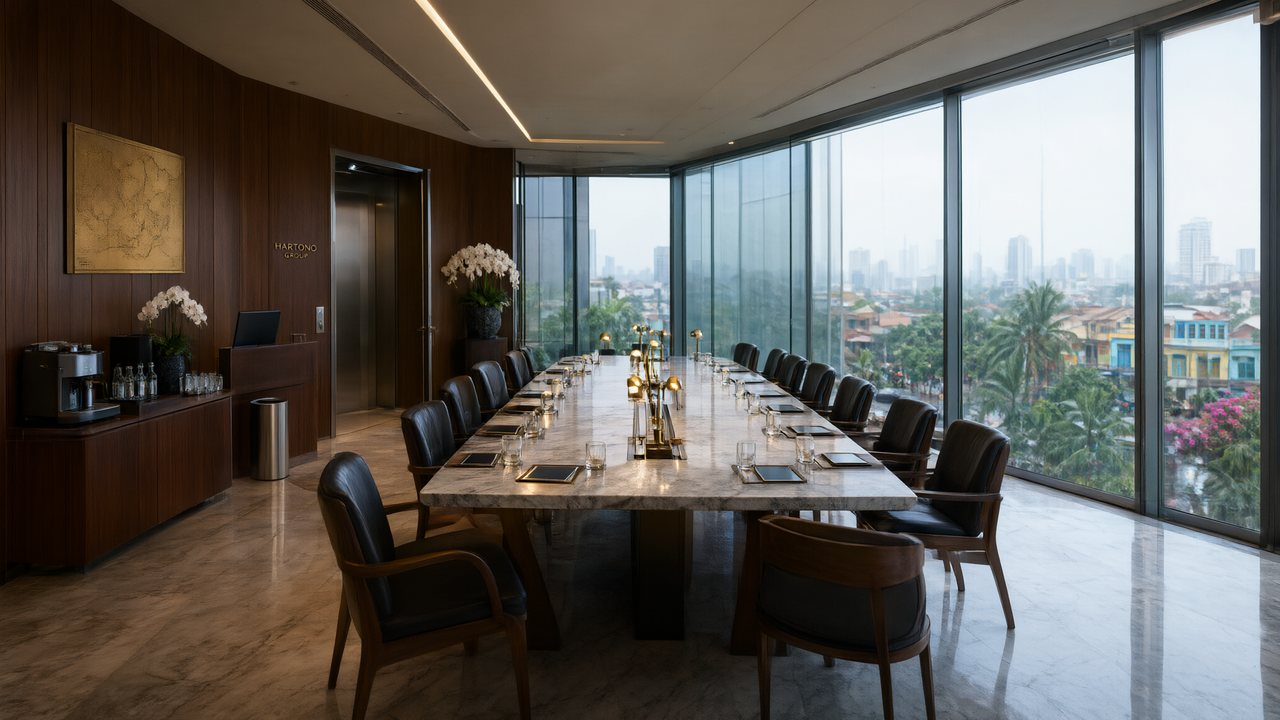 Ikrar JakartaBahasa IndonesiaNative dialogue
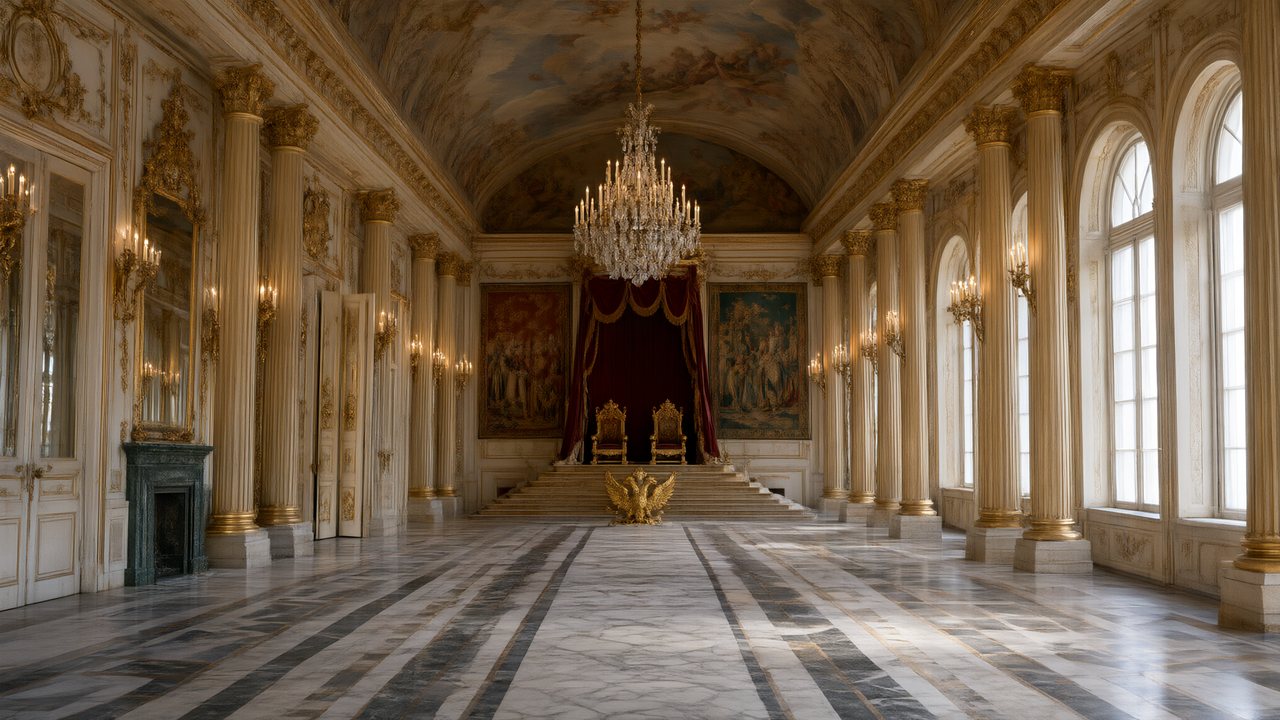 Зимняя коронаРусскийNative dialogue
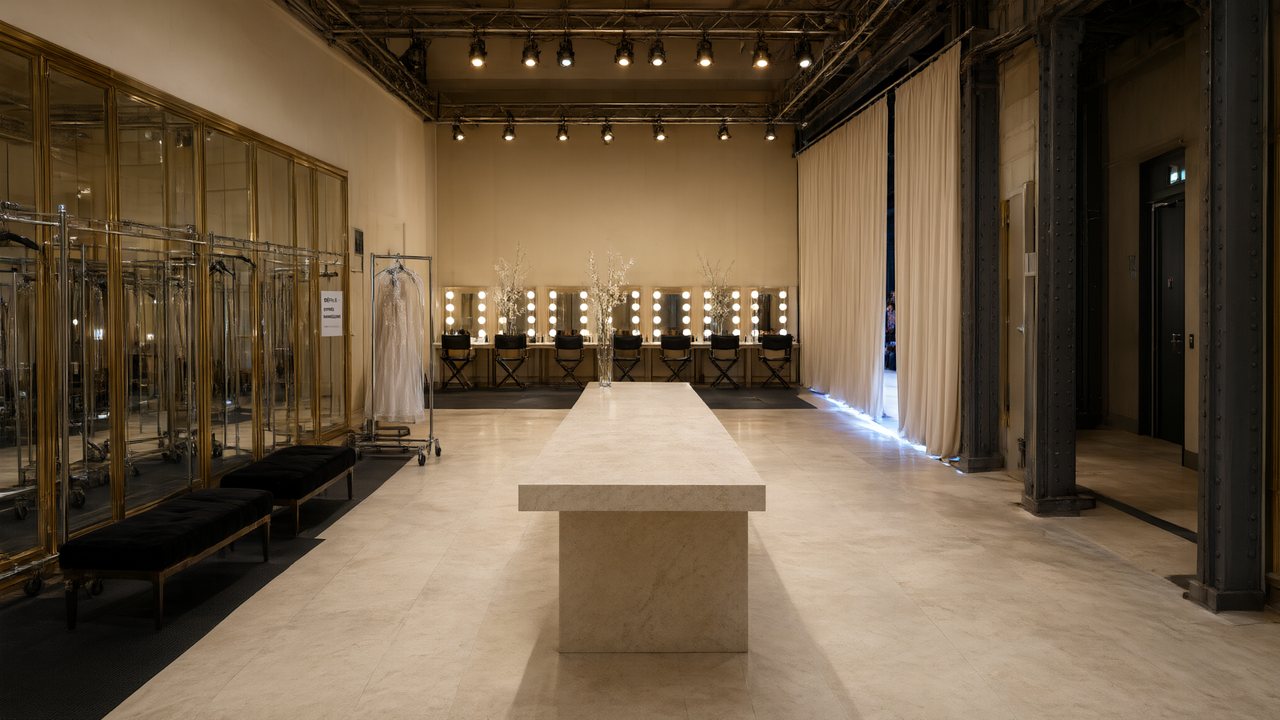 L’Héritier du DéfiléFrançaisNative dialogue
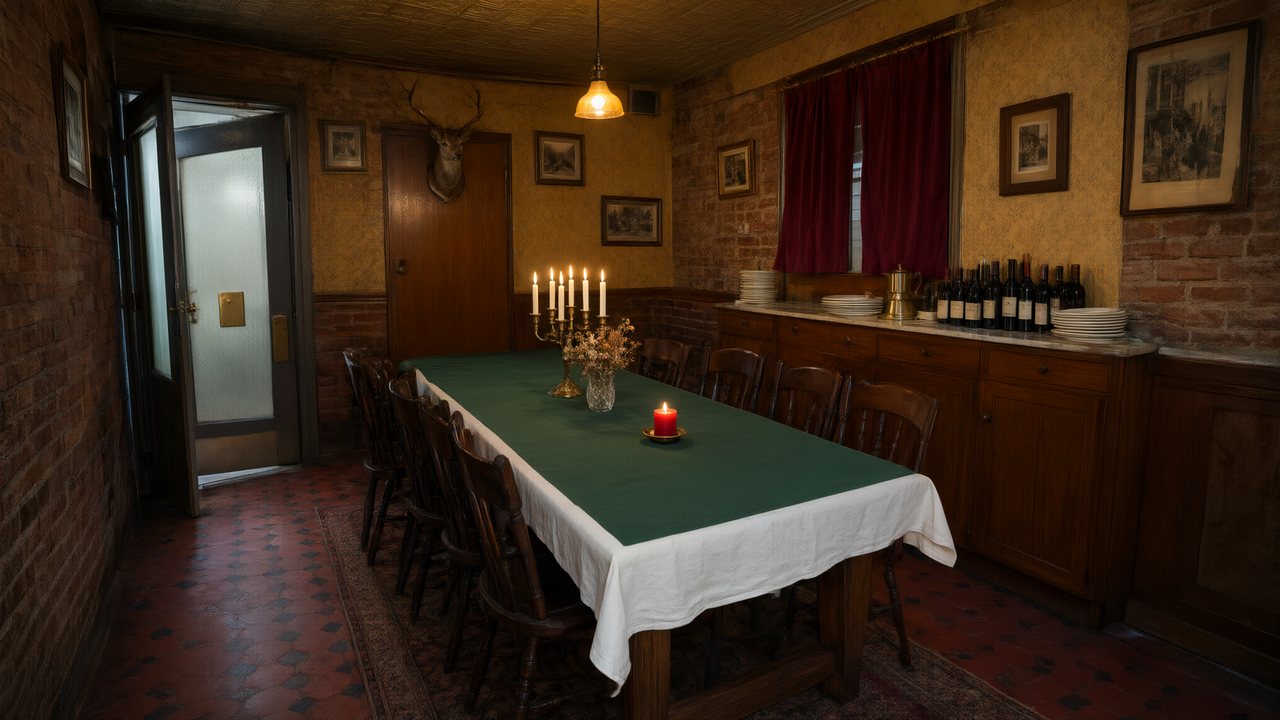 Il Tavolo dell'OlivaItalianoNative dialogue
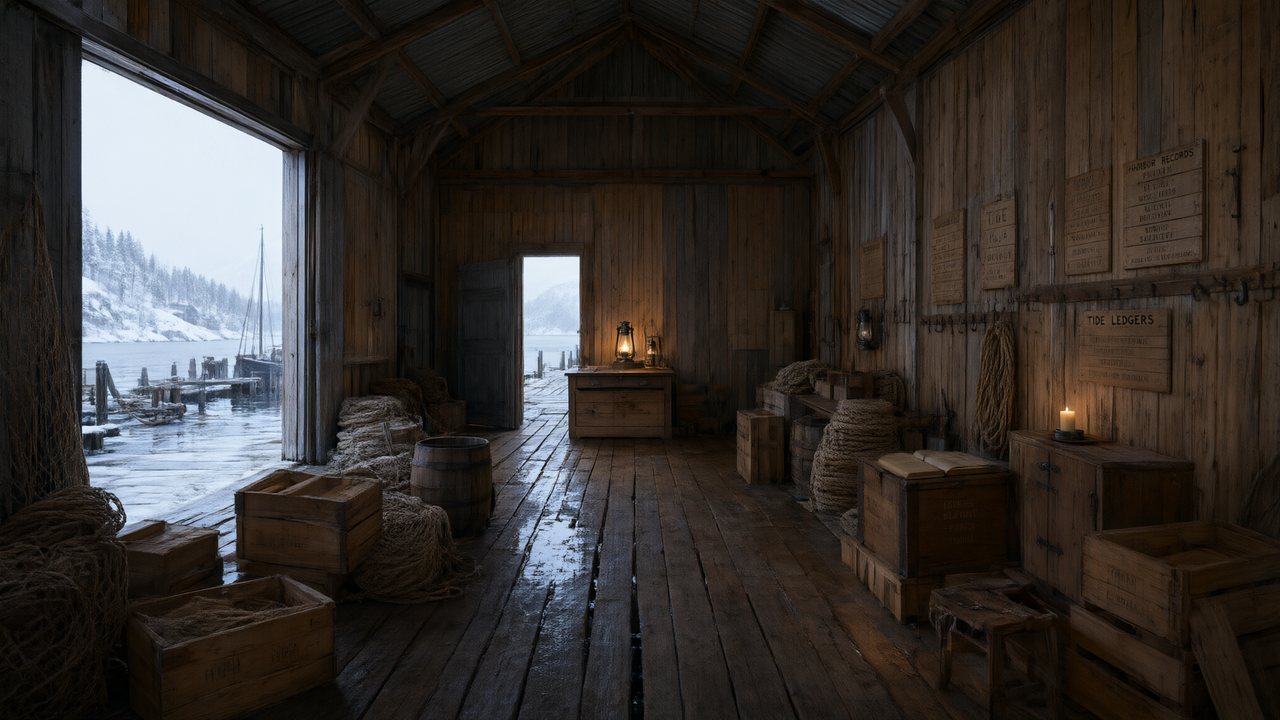 De Vuurtoren van de FjordNederlandsNative dialogue
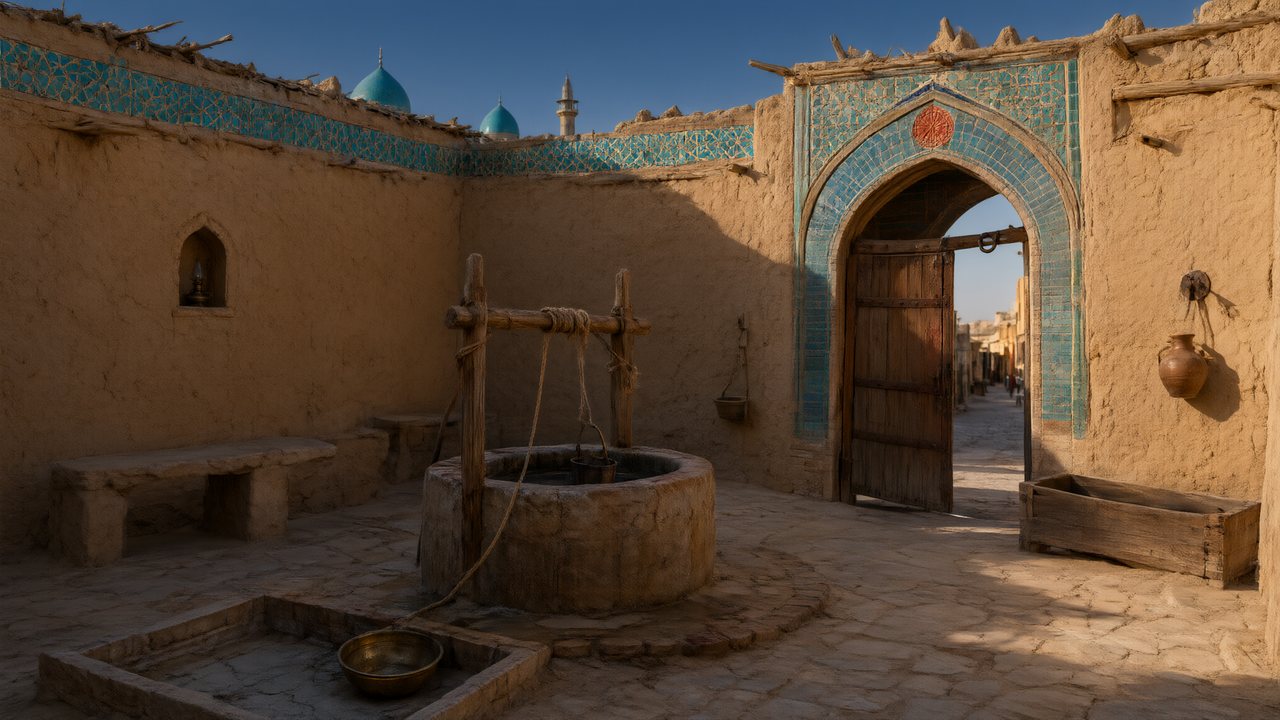 العهد الصحراويالعربيةNative dialogue
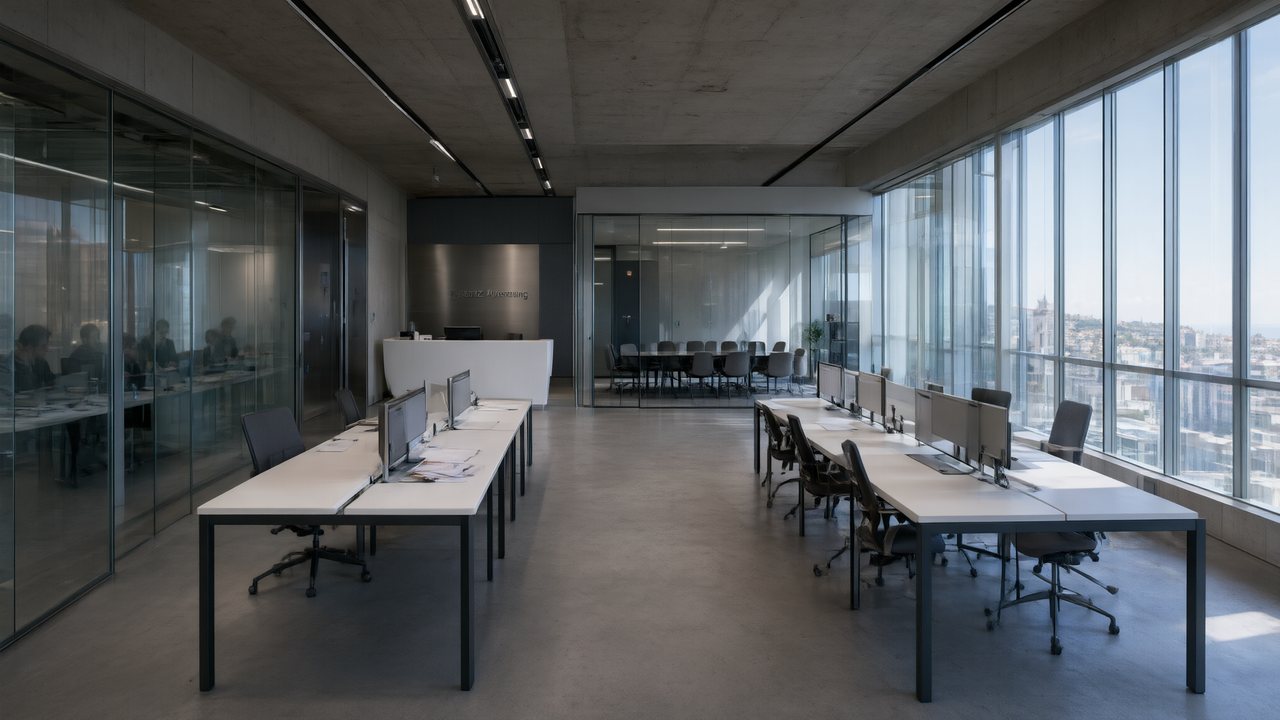 Çantasındaki SözleşmeTürkçeNative dialogue
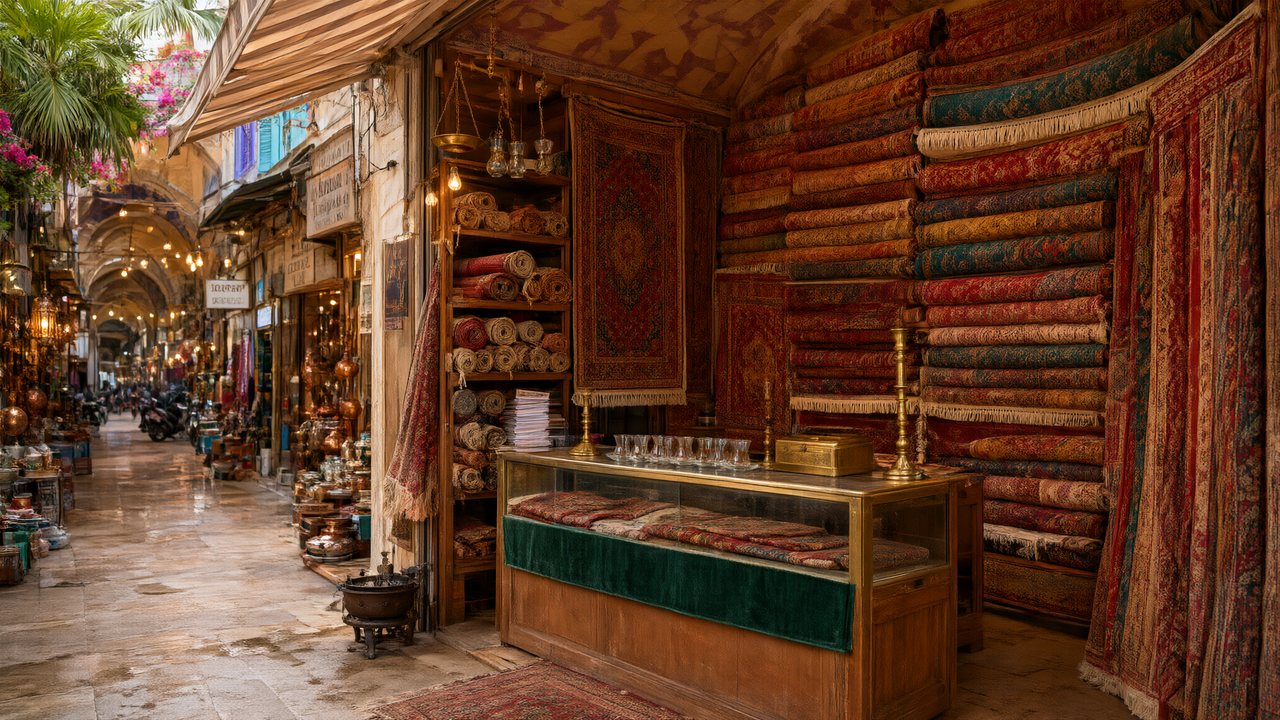 Die Istanbul-TäuschungDeutschNative dialogue
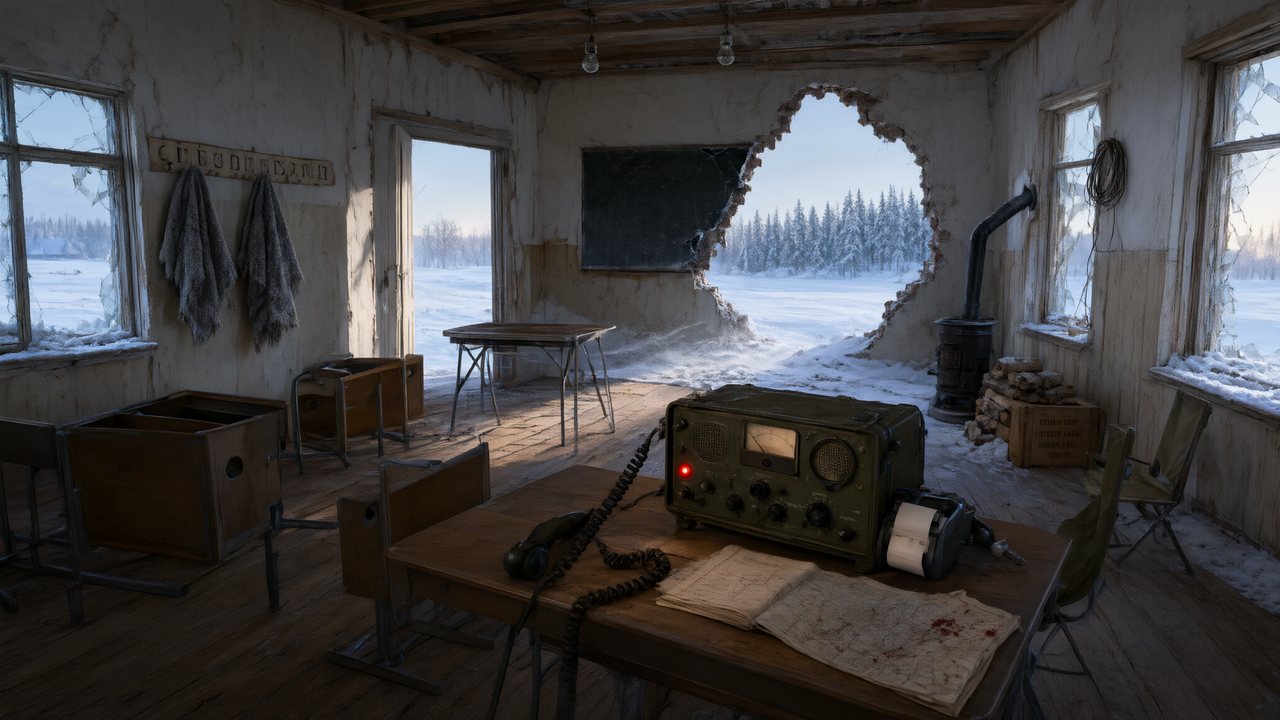 Останній сигналУкраїнськаNative dialogue
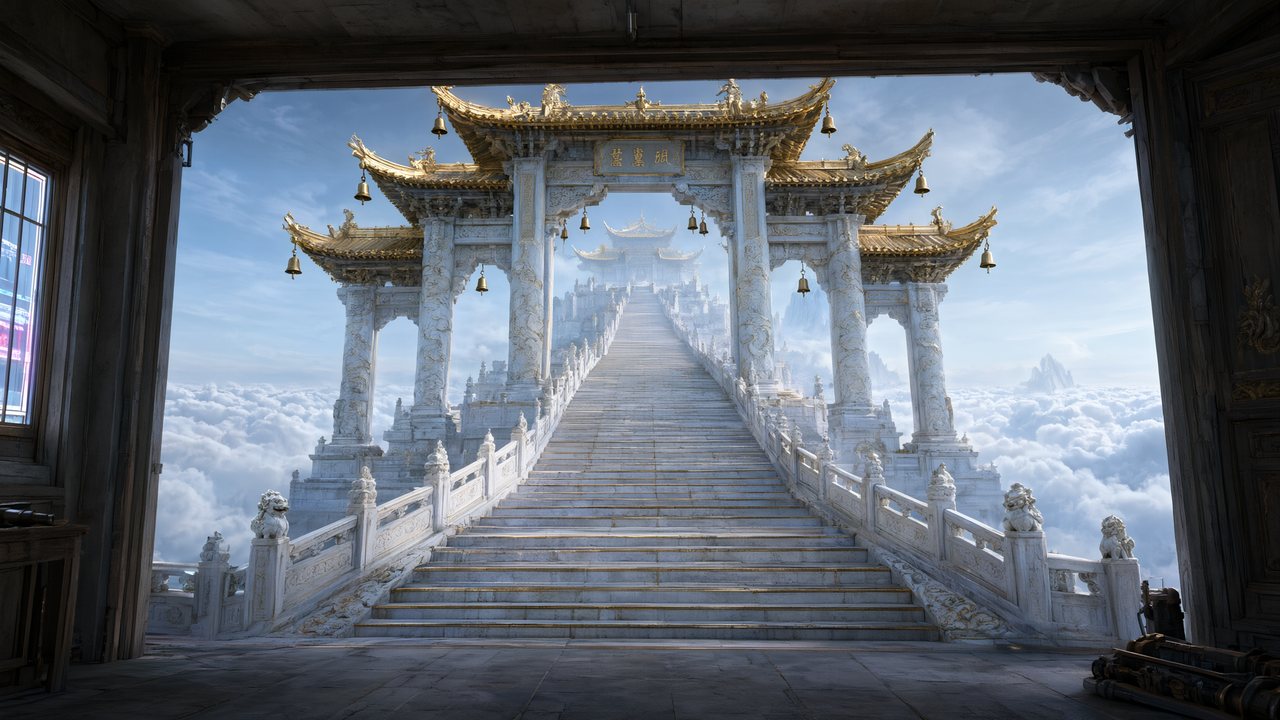 問劍青雲繁體中文Native dialogue
 The Last EnvelopeEnglishIn your language
Frequently asked questions
Can I export the shot list as a PDF or a spreadsheet?
Not today. The list lives in the editor because that is where it is executed — it is the production document and the render input at the same time. You can copy the text of any segment, and the whole list is plain text rather than a proprietary structure.
Can I write the shot list myself?
Yes. Every segment's text is editable, and you can insert, duplicate or delete segments. What the system supplies either way is the connection to the asset library: naming a character in a shot is what attaches their reference art to the render.
Does it decide camera moves as well as shot sizes?
It writes movement where movement serves the beat — a push in, a slow orbit, a handheld follow — and leaves it out where a locked frame is stronger. It deliberately avoids the elaborate moves that current video models turn into warping, and it does not use the technical-jargon vocabulary that image models from an earlier generation responded to.
How does it decide how long a shot should be?
Dialogue shots are timed from the line itself at three words per second for English, with a floor so that very short lines still hold. Non-dialogue shots take their length from what has to happen in them. The shot durations of a segment are then reconciled to the segment's total before the list is saved, and a segment that overruns is split at a shot boundary rather than compressed.
Can I get a shot list without generating video?
Yes. Analysis and the shot list are separate purchases from rendering, and nothing obliges you to render. People do use the pipeline this way — a script in, a structured shot list out, the footage shot conventionally.
A shot list that shoots itself
Paste a script and read the first episode’s list.
Try SceneMixer freeCredit packages from $1.49 · Pro $7.99/mo · No credit card to start
Pricing·Novel to Video·Guides·Samples·Support·Privacy·Terms·Legal·Contact·© 2026 SceneMixer