How to Make an AI Billionaire Romance Drama

Brief for AI Create: A billionaire romance: a temp who spills coffee on the CEO is offered a one-year contract marriage to stop his family's board coup; his mother wants her gone by the gala; she wins the board vote for him and walks out; sharp and glossy.
The engine of the genre: humiliation, then the reversal
Viewers do not come for the money. They come for the moment the money stops protecting the people who were cruel. Build every episode around one injustice and one answer to it:
- The contract. A marriage, a pretend engagement or a deal with a deadline. It explains why two people from different worlds keep sharing scenes.
- The hidden status. Either the CEO hides who he is, or she does — the “poor” girl is the heiress of a bigger family. The reveal is a guaranteed payoff.
- The gatekeepers. A mother-in-law, an ex-fiancée, a snobbish assistant, a stepsister. Each one is a villain the audience waits to see answered.
- The face-slap. The short-drama term for a public reversal: the card declines for the bully, the “nobody” is announced as the new owner, the evidence plays on the big screen.
- The ex who regrets. Someone who discarded her early on comes back when she is untouchable. Their regret is a hook for several episodes.
Keep the lead couple’s scenes short and charged; keep the villains’ scenes loud and public. The contrast is the rhythm.
Settings to pick in step 1
- Type: Short Drama — this genre lives on fast reversals and a hook every episode.
- Aspect Ratio: 9:16 Portrait if you will post to phones; the face-to-face close-ups the genre depends on fill a vertical frame well.
- Visual Style: Realistic HD for the polished app look, Filmic Live-Action if you want a richer grade.
- Scene Style: Urban Opulence for penthouses and galas, Corporate Cold for glass boardrooms, Suburban Mansion for the family estate, New York Metropolis for a city-skyline story.
- Costume Style: Power Tailoring for the CEO and his board, Haute Couture for galas and the rival heiress, Minimal Luxury for quiet-money elegance. The heroine’s early, plainer clothes go in her own character description.
- Target Region: Western for English names and Manhattan-style streets; Middle East with Gulf Metropolis for a Gulf-billionaire story.
The scene and costume styles are read with the script and cannot be changed afterwards in that project. When scene and costume style take effect.

Visual Style: Realistic HD
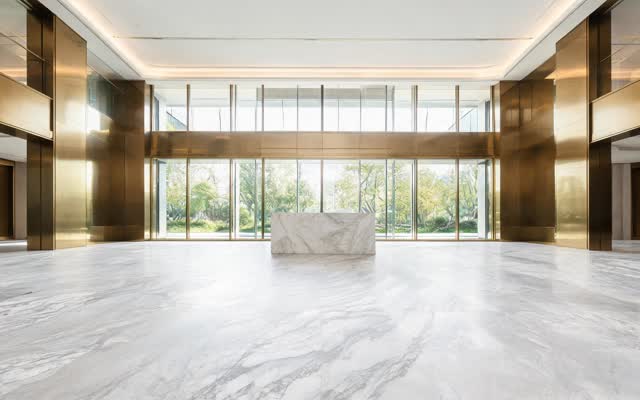
Scene Style: Urban Opulence

Scene Style: Corporate Cold
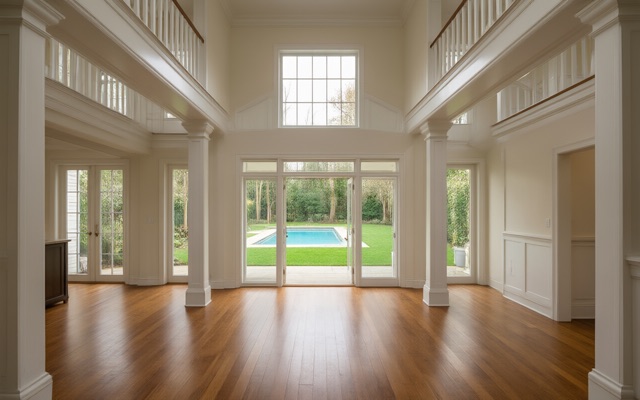
Scene Style: Suburban Mansion
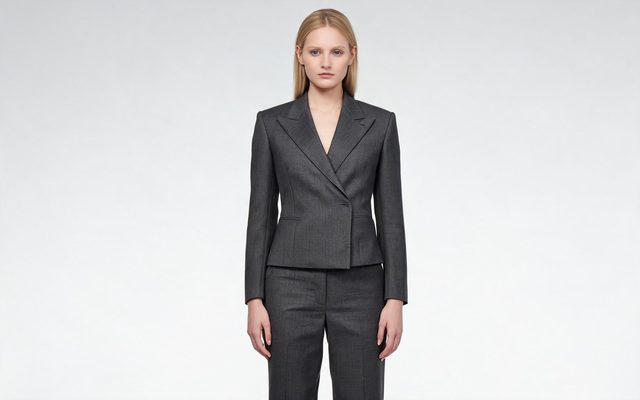
Costume Style: Power Tailoring
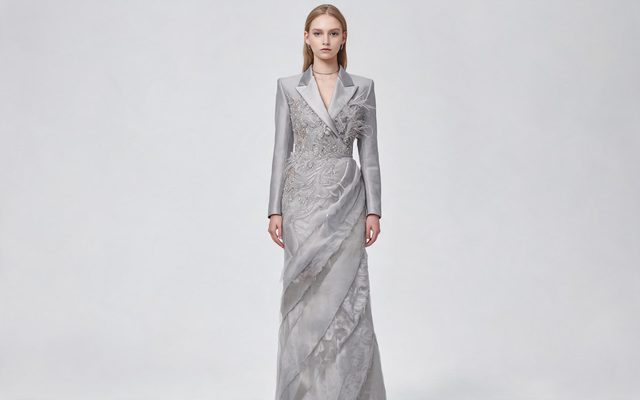
Costume Style: Haute Couture
Show money without naming it
Wealth is the genre’s scenery, and the easiest way to get a segment blocked is to write it as a shopping list of brands. Well-known brand names and logos trigger the provider’s IP suspected check, the same way celebrity faces do. Describe the object instead:
| Instead of | Write |
|---|---|
| A brand-name supercar | A low matte-black two-door sports car, doors open upward |
| A named luxury handbag | A structured orange leather handbag with a gold clasp |
| A named watch | A heavy steel watch with a deep blue dial |
| A famous hotel by name | A rooftop bar forty floors up, glass railings, the city lit below |
| A brand-name black card | A matte black metal card with no visible lettering |
The same rule applies to your props and location descriptions in step 2. “IP Suspected”: celebrity faces, brands and franchises.
The contract, the ring and the gown
Three things recur through a billionaire series, and each needs to look the same every time it appears.
- The contract and the ring are props. If the story keeps returning to them, make sure each has a card in step 2 with its own image, and name it with @ in the shots where it is handled. A ring that changes design between episodes breaks the romance faster than a bad line. Same prop in every hand · When a prop gets a reference image.
- The gala gown is a state. A full change of outfit changes what the reference image shows, so it needs its own image: on the heroine’s card choose Add a state, name it Gala gown, and write only the difference — a floor-length midnight-blue silk gown, bare shoulders, hair up, small diamond earrings. Then, in the editor for the gala episode, open her from the episode’s assets and choose Use this state in this episode. One outfit per character sheet.
- The text on paper is not for reading. A model draws a contract, not its clauses. Let the signature, the seal and the reaction carry the scene, and put what the document says into the dialogue. The same goes for a phone screen with a bank alert: show the face reading it, say the number aloud. Text in the picture.


Three scenes every billionaire drama needs, written as shots
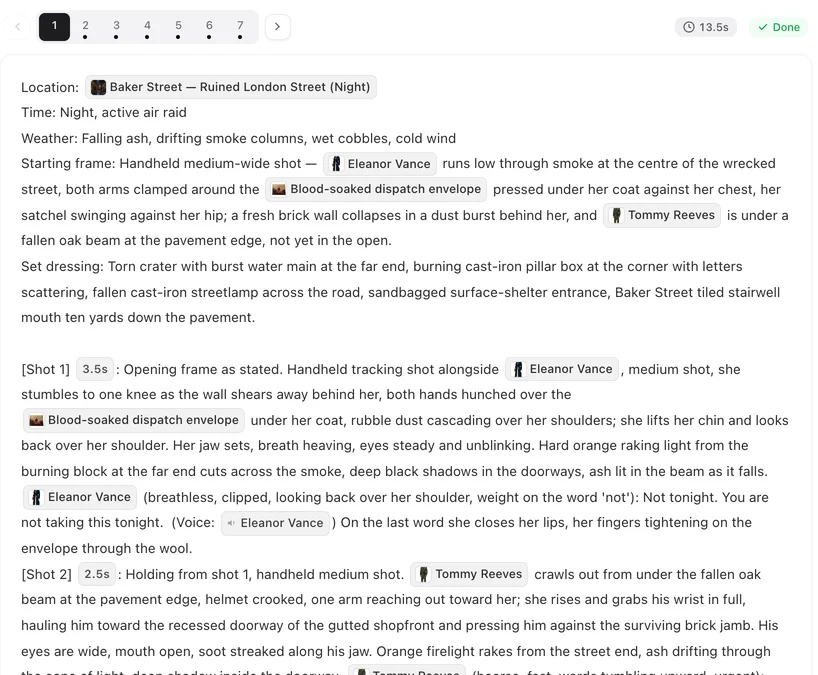
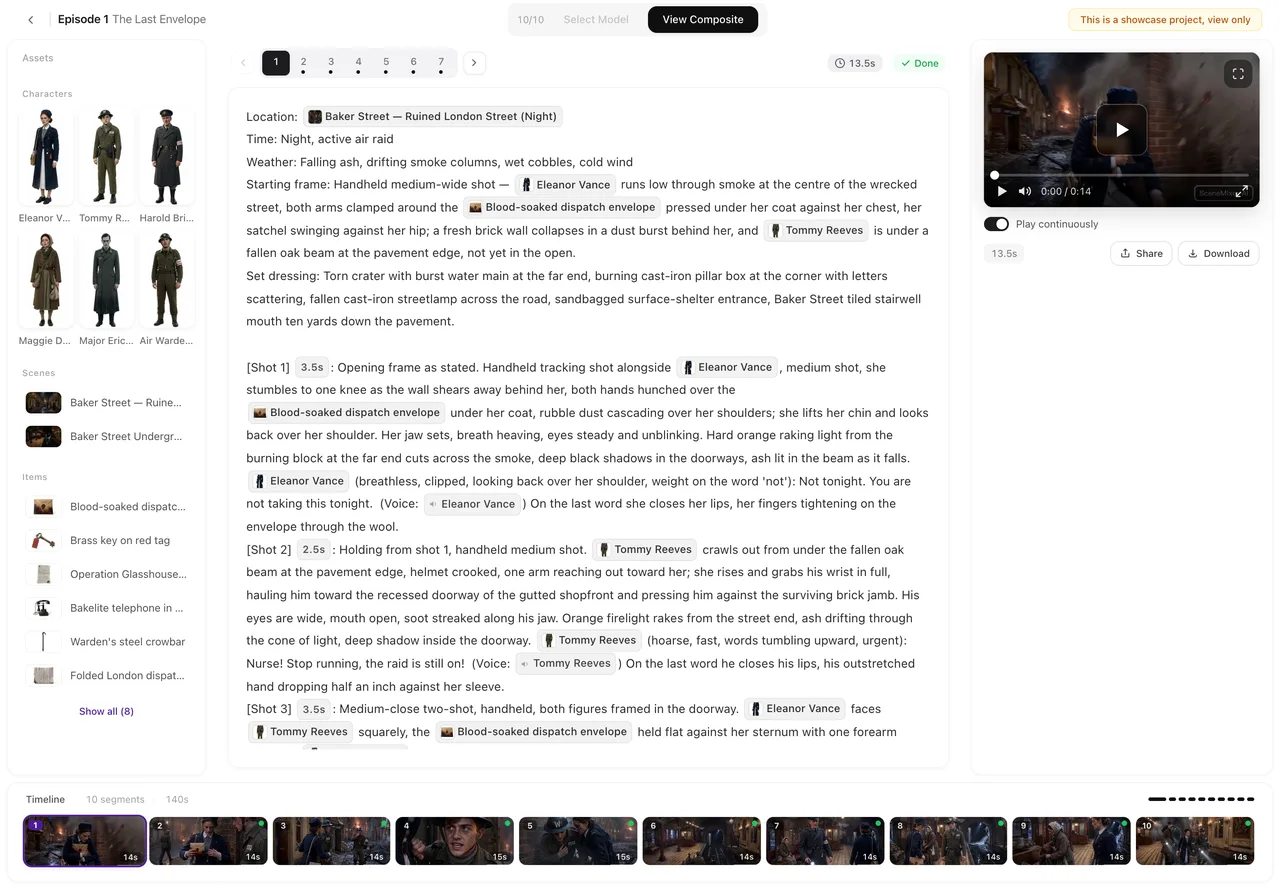
These follow the storyboard shape — marker and seconds, framing, who is in frame, one action, the line — so they can be pasted into a segment and adapted.
| Scene | Shot to adapt |
|---|---|
| The boardroom humiliation | [Shot 2] 5s: Medium shot, fixed camera. @Vivian at the head of the glass table, @Nora standing by the door holding the coffee tray. @Vivian (smiling, not looking up): The help can wait outside. @Nora lips closed, no lip movement. Ambient: air conditioning hum. |
| The entrance | [Shot 5] 4s: Wide shot, slow push in. The ballroom doors open; @Nora steps in wearing the gown, alone. The guests turn toward her. No dialogue. Ambient: a string quartet stops mid-phrase. |
| The reversal | [Shot 8] 4s: Close-up. In frame only: @Vivian. Her smile freezes as the announcement plays over the speakers. No dialogue. Ambient: a microphone squeal, then silence. |
The guests in the entrance shot belong in the segment’s background line, not as named characters — a crowd of named people is a crowd of faces to keep consistent. Background people · How to write one shot.
Voices: cold money, warm heroine
Write each Voice description as a contrast to the others. The CEO: low, even, clipped, never hurries. The heroine: warm and quick, a laugh close to the surface, steadies when she is cornered. The mother-in-law: precise, cultured, every word a little too polite. Delivery that changes line to line — a whisper, a line through the teeth — goes in the brackets at the start of that line. How character voices work · Dialogue in the storyboard.
Make it in SceneMixer, start to finish
- Script: paste yours on Upload Script, or let AI Create write one from a brief that names the contract, the villain and the ending. Writing the one-line brief.
- Step 1: pick the settings above and read the script. In the summary, check that every episode has a reversal and ends on a hook.
- Step 2: generate the cast, the penthouse, the boardroom and the ballroom; give the ring and the contract their images; add the gown state. Your first 15 setup images on the account are free.
- Storyboard: generate episode 1 (free on your first project) and tighten it: open on the conflict, end on the turn.
- Video: generate the segments, starting with the default tier at 10 credits a second; regenerate only the shots that miss.
- Finish: composite, download and post. Plan the next episode while the first one is out. Make the next episode.
For the look of a glass-walled corporate world built this way, watch The Glass Floor, a corporate thriller where a firing turns into a public accusation, and The Veil at Dawn, where a woman walks out on a wedding in a marble-and-gilt mansion.
| Episode | The injustice | The answer | The hook |
|---|---|---|---|
| 1 | The temp is blamed for the CEO’s ruined deal and fired in front of the floor. | He stops her at the lift with a contract. | “Marry me for a year.” |
| 2 | His mother calls her a gold-digger at the family dinner. | She answers with the one fact about the company nobody else knew. | The ex-fiancée walks in. |
| 3 | The ex-fiancée plants a story in the press. | The heroine turns it around on a live call. | Her own father appears on the news — as the owner of a rival firm. |
| 4 | The board moves to vote him out. | She brings the swing vote to the meeting. | The vote is tied. |
| 5 | The gala: the family plans to humiliate her in public. | She arrives in the gown, and is announced by her real surname. | He realises she never needed the contract. |
FAQ
Can I name real luxury brands in my billionaire drama?
Not in anything that gets generated. Brand names and logos trigger the IP check on images and video. Describe the object by colour, shape and material and the scene still reads as expensive.
How do I keep the heroine's gala dress the same in every shot?
Make the dress a state of her character with its own image, then assign it to the gala episode or to the segments that need it. Everything outside those segments keeps her main look.
Can the contract be readable on screen?
Do not rely on it. Generated documents and phone screens rarely hold legible text. Show the signature and the reaction, and let the dialogue say what the paper says.
Should a billionaire drama be vertical or horizontal?
Vertical, 9:16, if it is going to TikTok, Reels or short-drama apps. Horizontal suits YouTube and a big screen. Pick in step 1; it is fixed for the project.
How do I make the ballroom look full?
Put the guests in the segment's background line instead of naming them as characters. Name only the people whose faces matter to the scene.
Can the dialogue be in another language for another market?
Yes. Choose the dialogue language in step 1. For a second market, start a second project from the same script with another language and region.
How many episodes should a billionaire romance have?
Enough for the contract to run its course; many AI-made series run twenty to sixty short episodes. Make the first three, post them, and continue the series in the same project.
Can AI Create write the script for me?
Yes. Give it the genre, the heroine and what she wants, the villain, the ending and the tone in one or two sentences, pick a length and press Start Writing.
Write the humiliation. Then answer it.
One sentence in AI Create, or the script you already have, and your first episode is on the way.
Updated October 13, 2026
Pricing·Novel to Video·Guides·Samples·Support·Privacy·Terms·Legal·Contact·Affiliate program·© 2026 SceneMixer