Script to Animation AI

What each part of your script becomes
| In the script | In the animation |
|---|---|
| Scene heading (INT. KITCHEN - NIGHT) | A location, drawn once in your look and used as the set whenever the scene returns |
| Character name above a line | A character with a full-body sheet and one voice, the same in every scene |
| Dialogue | Spoken in the video, in the language you set in Step 1 |
| Action lines | Numbered shots with seconds, framing and camera move in the storyboard |
| A prop that matters (a key, a letter) | An item drawn once, so it looks the same each time it appears |
Using scene headings and character cues · Writing dialogue so it is picked up.
Choose how it looks
The look is one choice in Step 1, and the same script reads very differently in each:
| Look | Best for a script about… |
|---|---|
| Anime | Series, school, romance, action |
| 3D Toy Cartoon / Family 3D Animation | Kids, family comedy, small worlds |
| Claymation | Gentle comedy, tiny stakes, a town |
| Watercolor Storybook | Fables, bedtime stories, memory |
| Painterly Anime | A film with big scenery and quiet scenes |

Visual Style: Anime
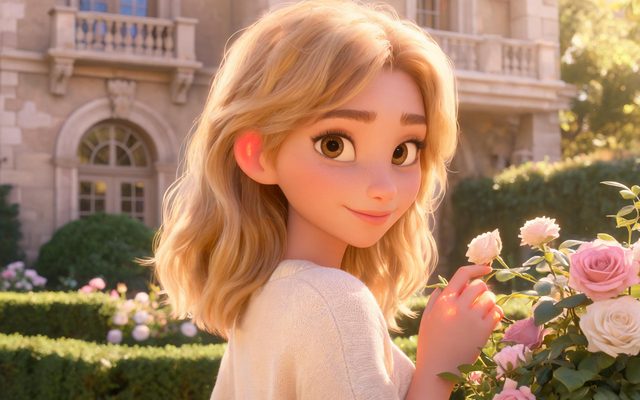
Visual Style: Family 3D Animation

Visual Style: Claymation

Visual Style: Watercolor Storybook
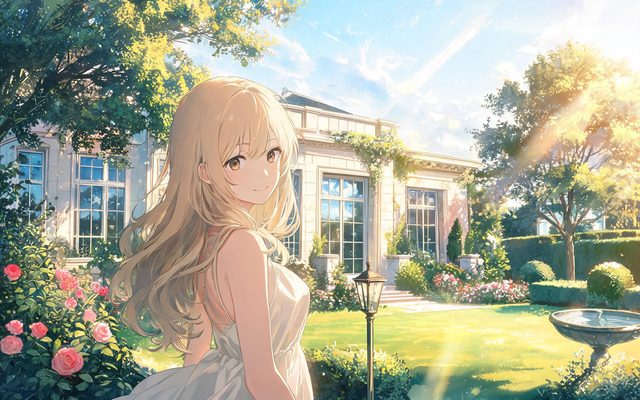
Visual Style: Painterly Anime
Write a script that animates well
- One action per line. A run, a glance, a door. The storyboard turns each into a shot.
- Keep the cast small. Every character is another sheet and another voice; four or five carry a short.
- Let places repeat. A script with three recurring places is cheaper and steadier than one with twelve.
- Say it in the dialogue. Animation has no inner monologue; if a thought matters, give it to a line or a voice-over.
How to write one shot · Vertical script format.
From the script to a file
Upload the script (.txt, .docx or .md) and read the cast, places and outline it produces. Step 2 draws the sheets; the first 15 setup images are free. Then the storyboard, which you can edit line by line for free, then video segment by segment, then the join at 1 credit a second. Upload a script and read it · Which files work.
Languages
Native dialogue in 15 languages
Every series below was produced by the same pipeline with the cast speaking that language natively: the interface, the working documents and the spoken lines are all in one language, and nothing is dubbed. Open one to hear it.
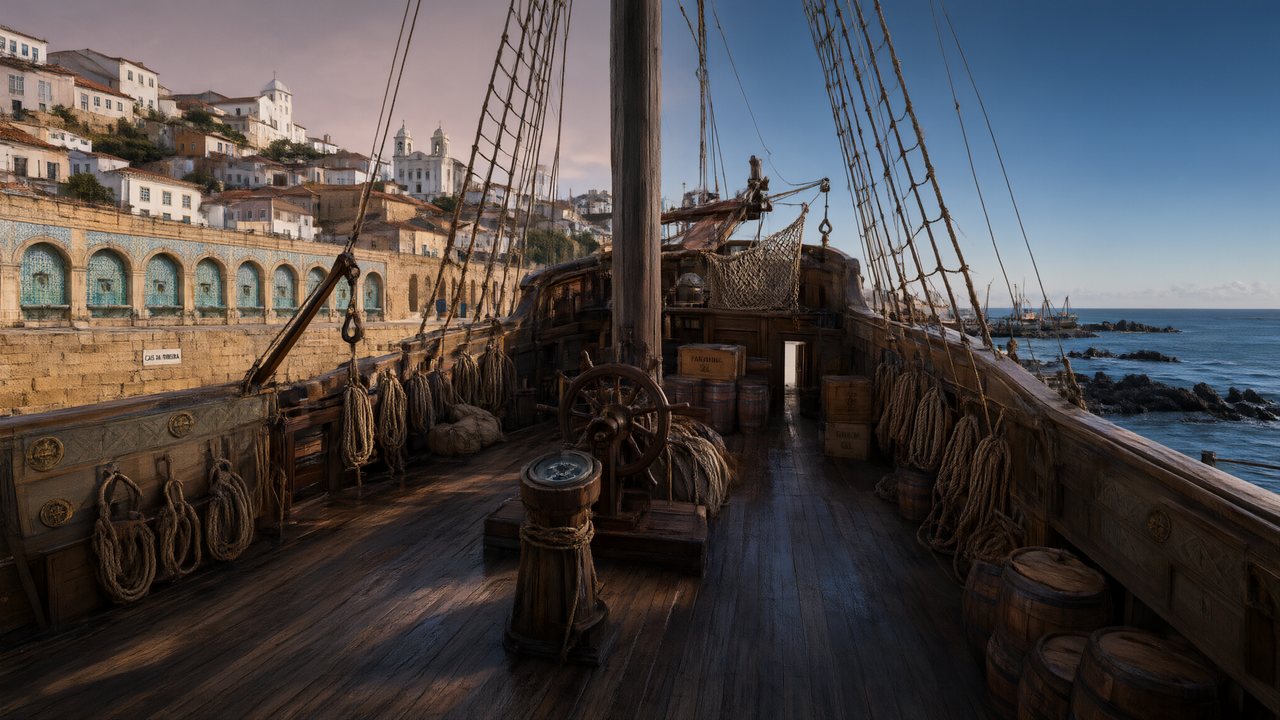 A Carta de LisboaPortuguêsNative dialogue
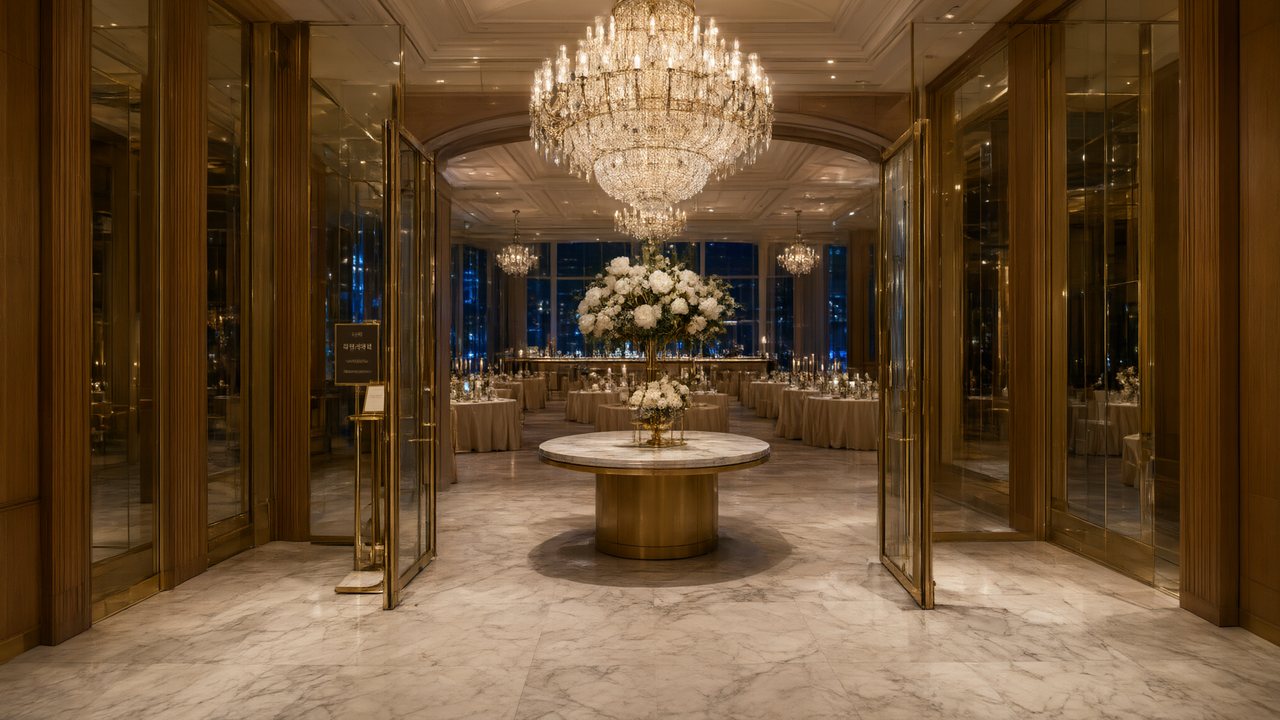 윈터 프라미스한국어Native dialogue
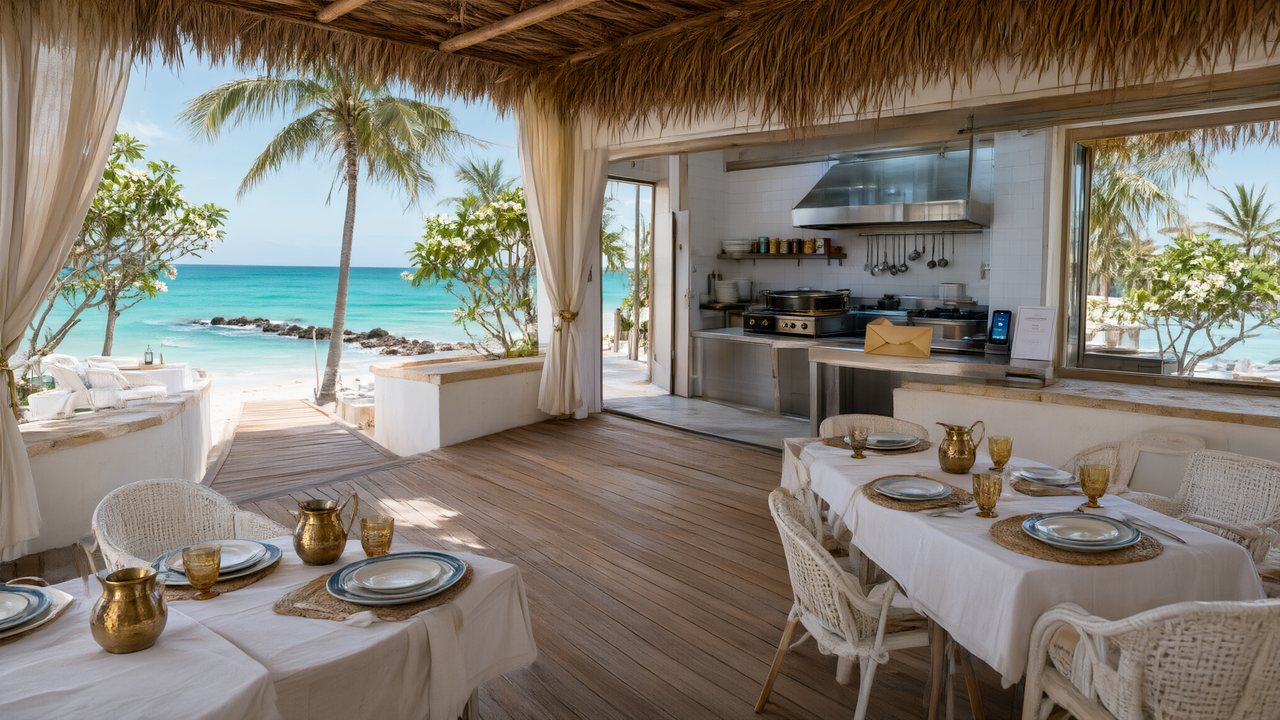 El Secreto de CostaEspañolNative dialogue
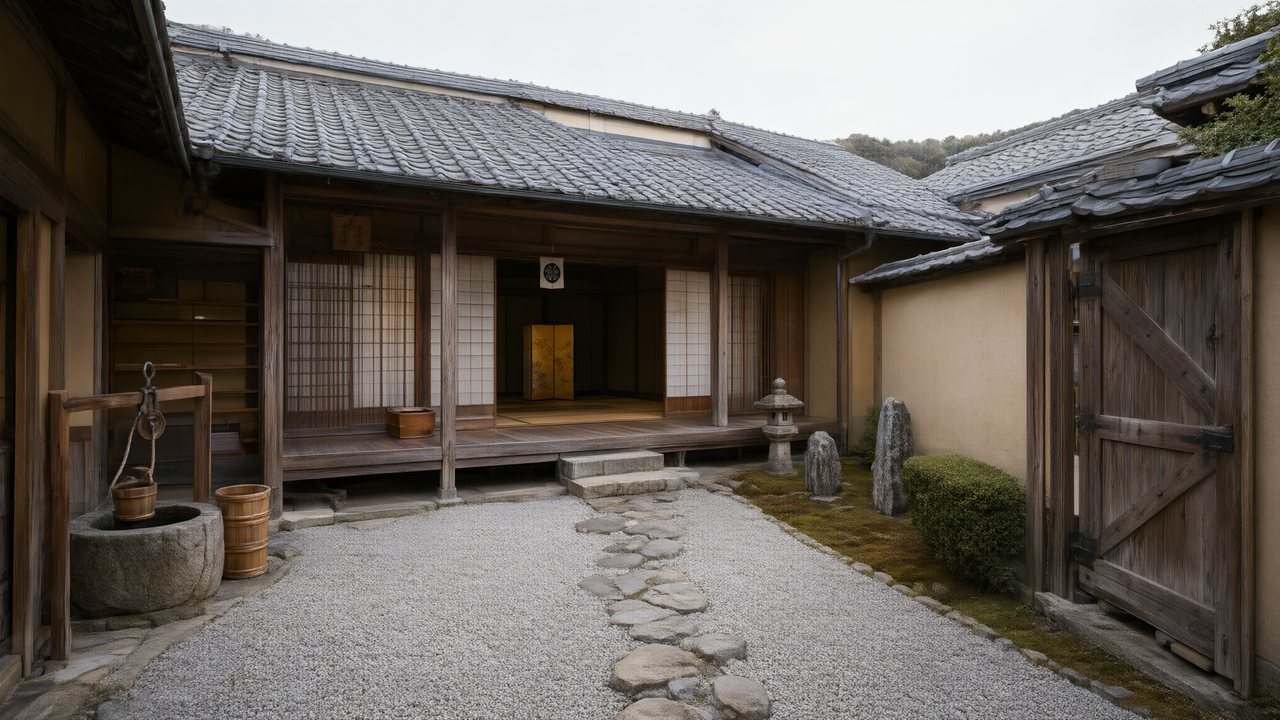 浪人の誓い日本語Native dialogue
 Ikrar JakartaBahasa IndonesiaNative dialogue
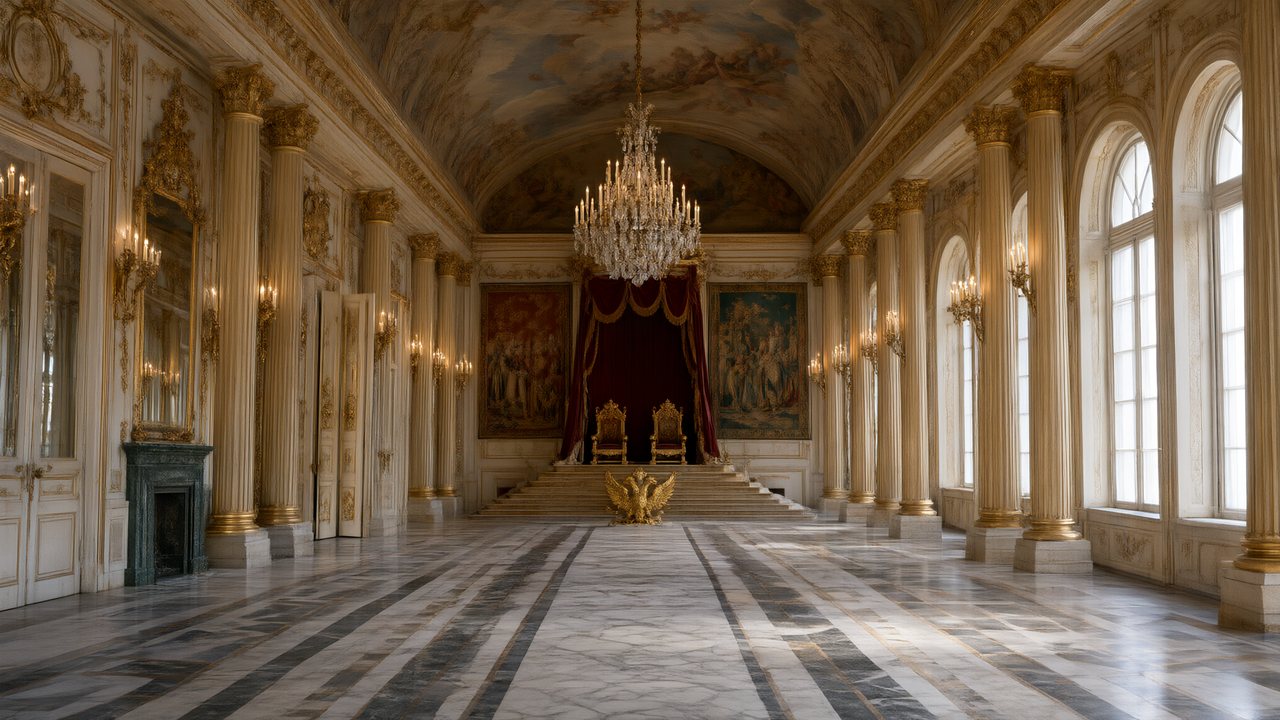 Зимняя коронаРусскийNative dialogue
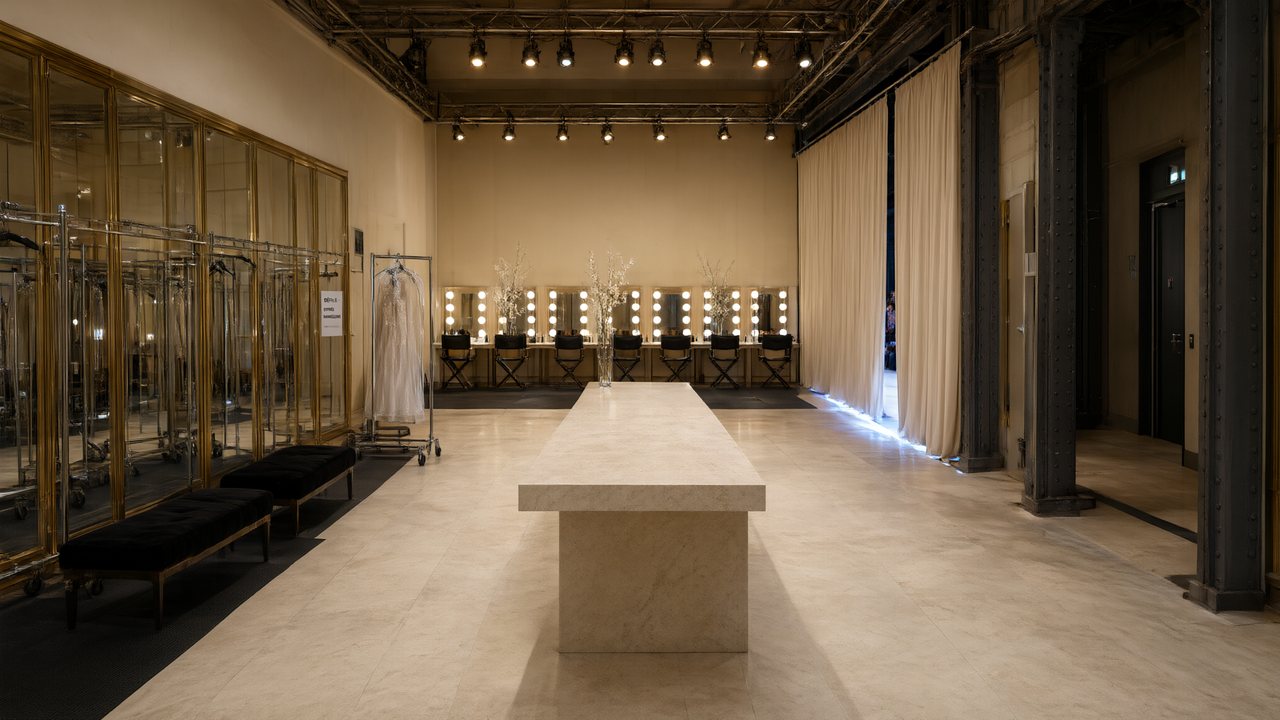 L’Héritier du DéfiléFrançaisNative dialogue
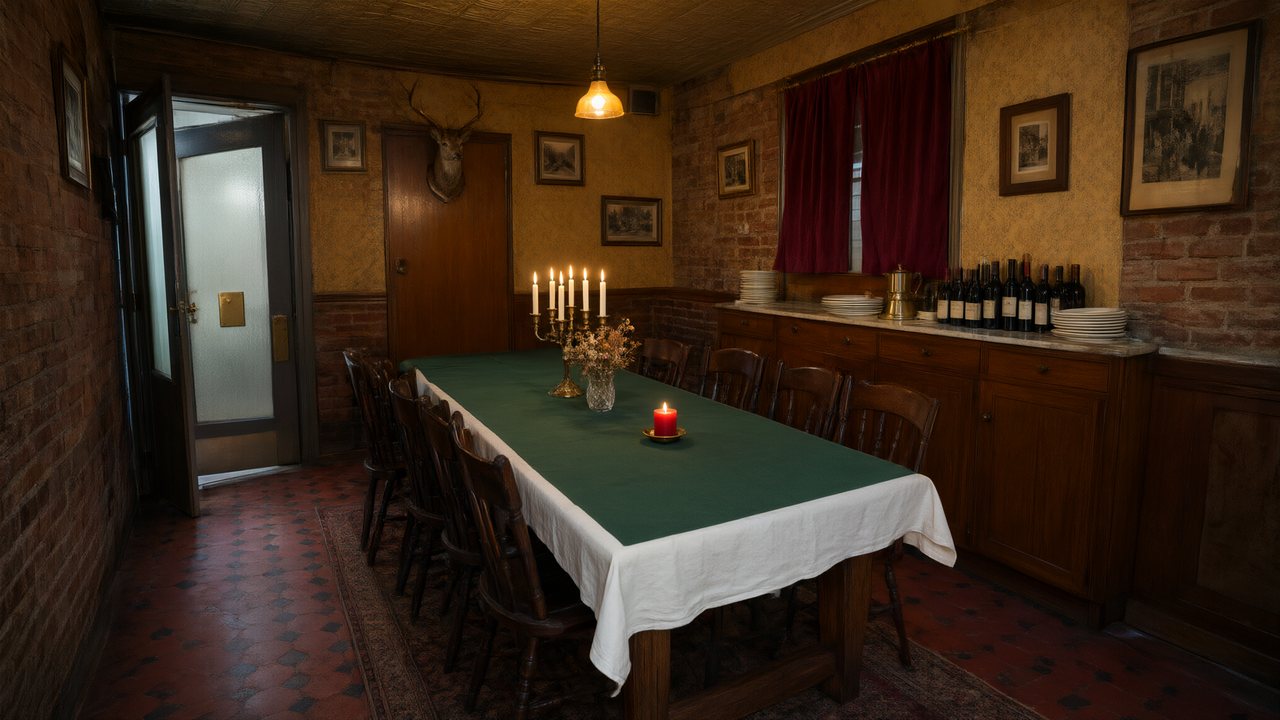 Il Tavolo dell'OlivaItalianoNative dialogue
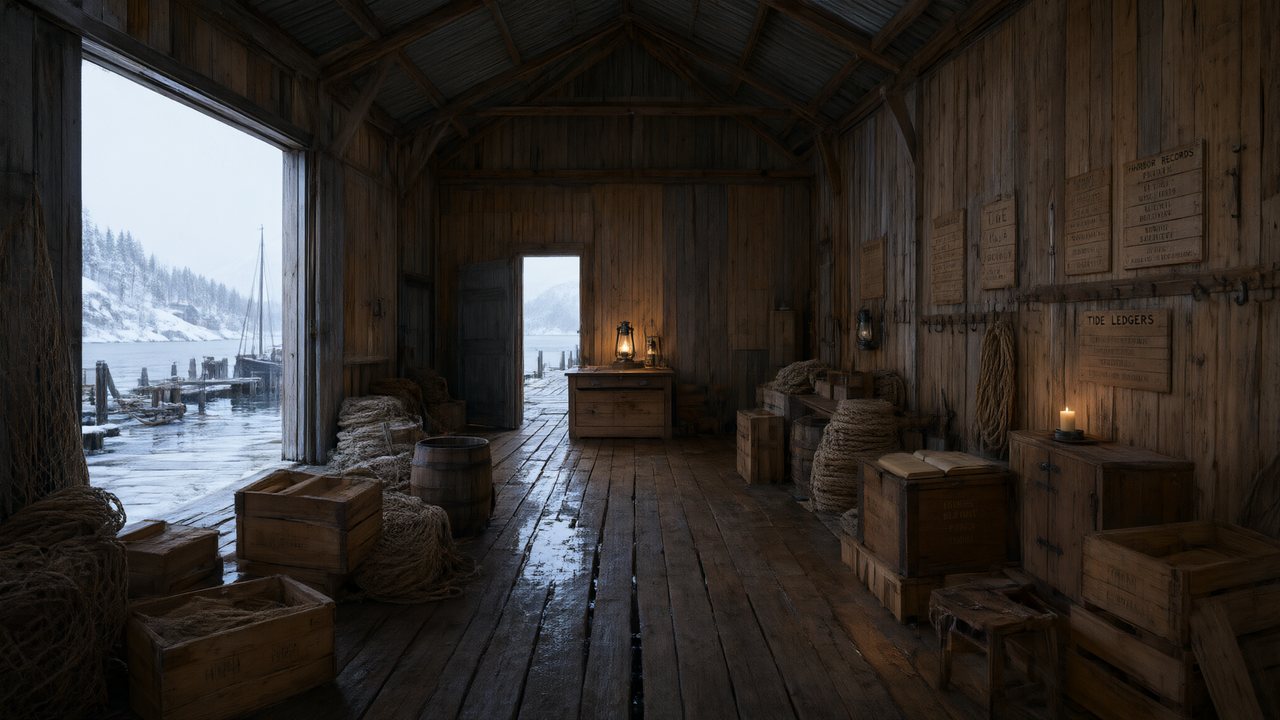 De Vuurtoren van de FjordNederlandsNative dialogue
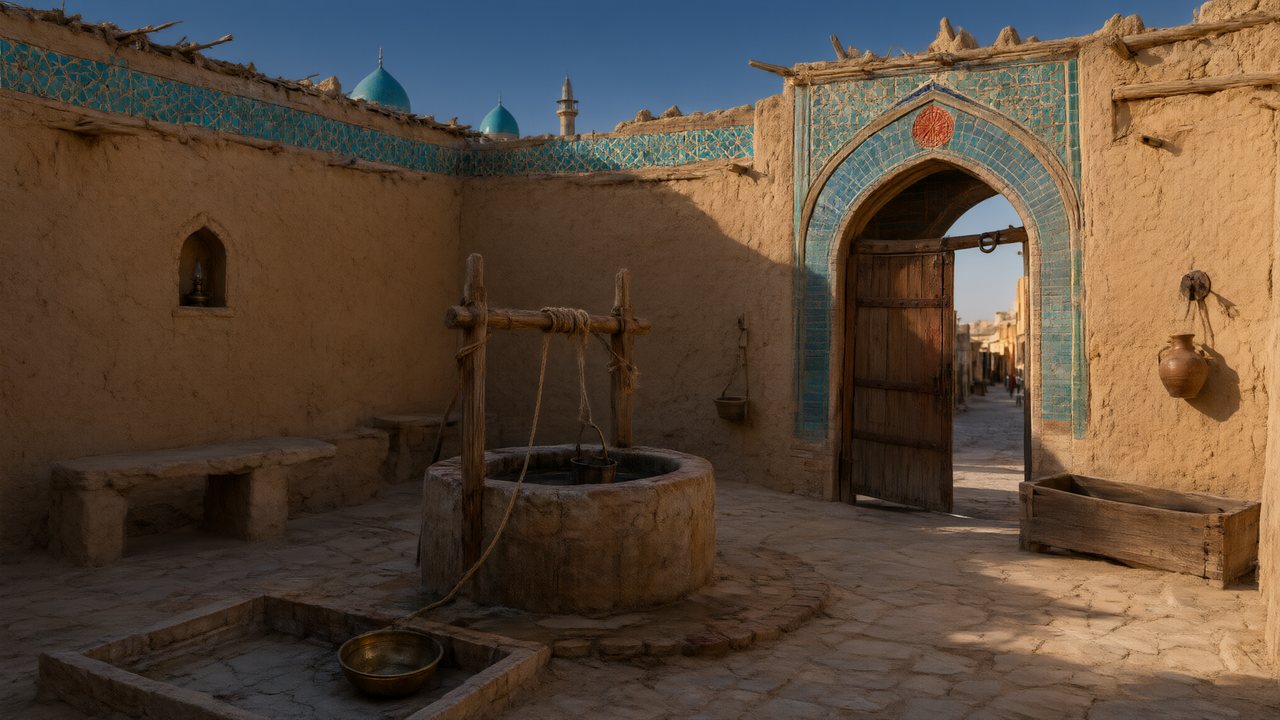 العهد الصحراويالعربيةNative dialogue
 Çantasındaki SözleşmeTürkçeNative dialogue
 Die Istanbul-TäuschungDeutschNative dialogue
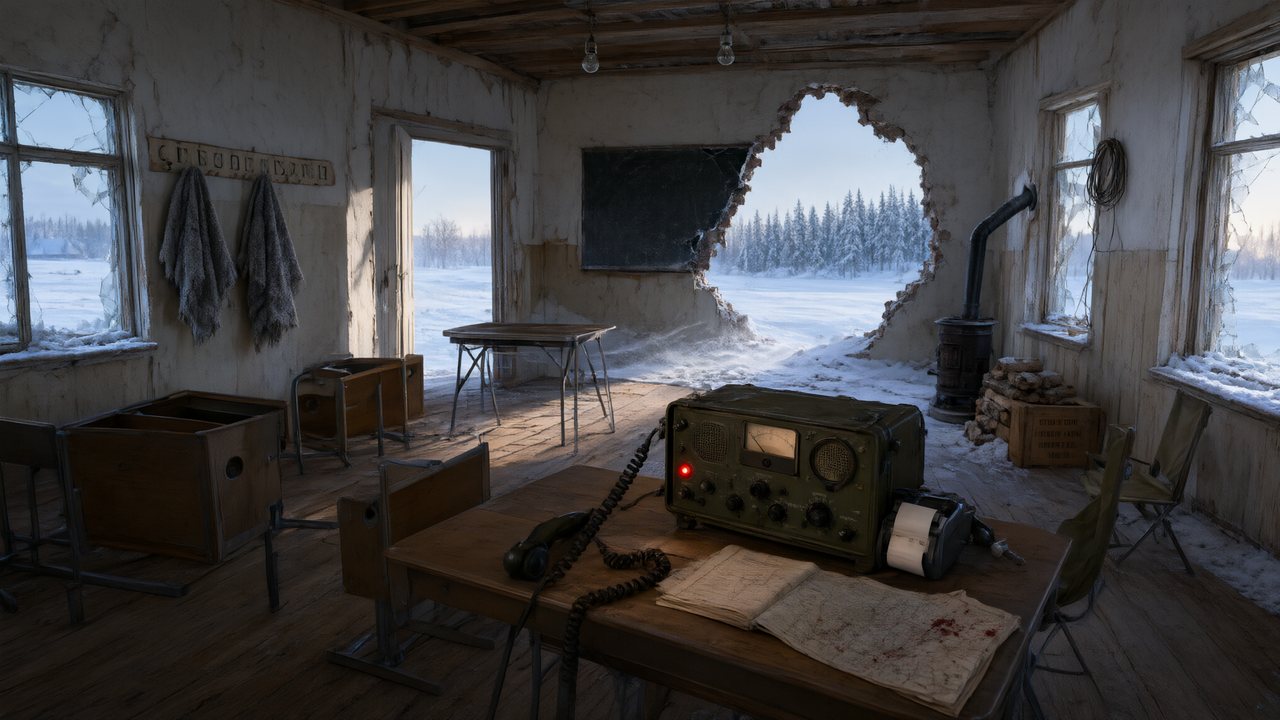 Останній сигналУкраїнськаNative dialogue
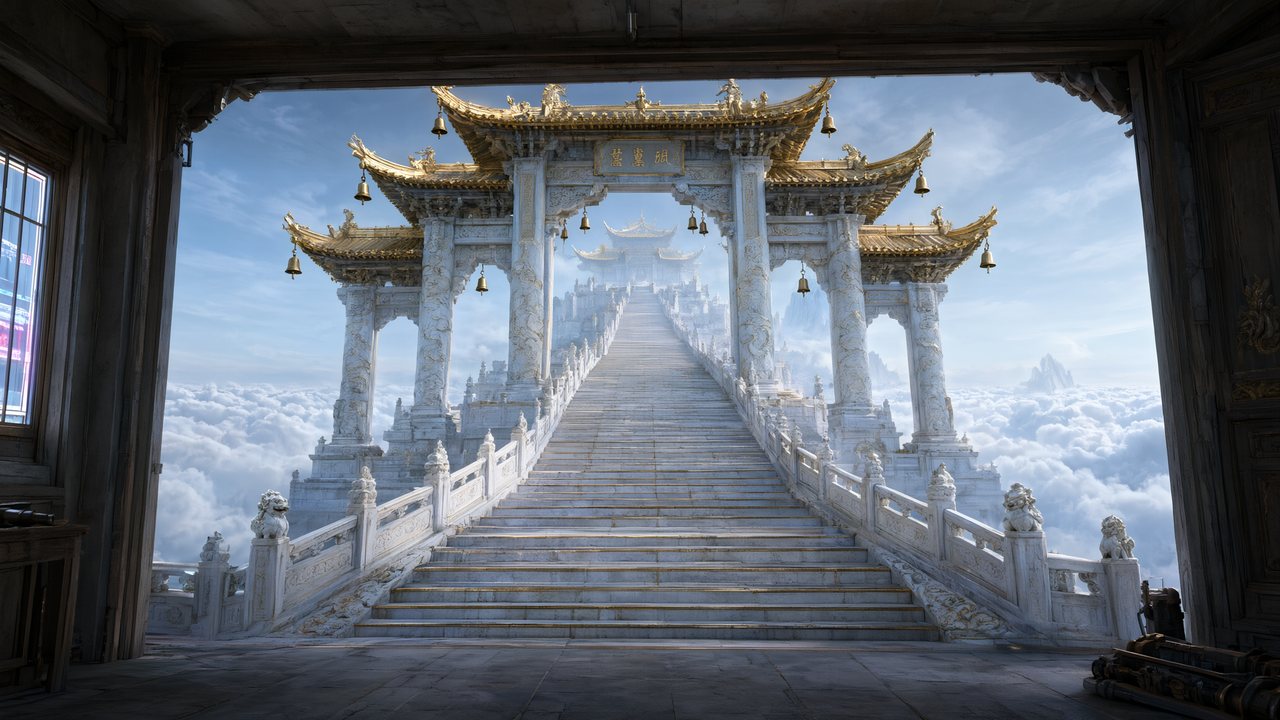 問劍青雲繁體中文Native dialogue
 The Last EnvelopeEnglishIn your language
In SceneMixer vs. stitching tools together
Most AI drama workflows are five or six tools in a row. This is where each step happens here, and what it replaces.
| Step | In SceneMixer | Doing it by hand with separate tools |
|---|---|---|
| Script and episode plan | Paste a script or a novel, or type one line: it is read into a cast, locations, props and an episode outline you can edit | A chat model writes the script; you split it into episodes and carry the text from tool to tool |
| Character faces and places | Every character, location and prop is drawn once as a reference sheet and attached to every shot it appears in | An image model, one sheet at a time; you upload the right reference to every clip yourself |
| Shots | A storyboard per episode with numbered shots and seconds; video is generated segment by segment in 9:16 or 16:9 against the same sheets | A video model, one clip per prompt, describing the same people again each time |
| Voices and dialogue | Lines are performed in the video itself, one voice per character, in any of 15 languages | A text-to-speech tool for each line, then a lip-sync pass on every clip |
| Fixing one shot | Edit that shot's text and regenerate the segment alone; the rest of the episode is untouched | Regenerate the clip, then re-cut the timeline |
| Finishing | Segments are composited into one episode file with its score; members download without the AI badge | A video editor to join the clips, add music and captions, then export |
| Publishing | You upload the finished episode to TikTok, YouTube, Instagram or anywhere else; nothing is posted for you | Upload by hand, the same as here |
FAQ
How do I turn a script into an animation?
Upload or paste it, choose an animated look in Step 1, check the cast and places, read the storyboard, then render the segments and join them.
Does it understand screenplay format?
Yes: scene headings, character names above dialogue and action lines are read as locations, characters, speech and shots. Plain prose also works.
What styles can I choose?
Anime, Painterly Anime, Watercolor Anime, Korean Webcomic, 3D Toy Cartoon, Family 3D, Claymation, Watercolor Storybook, Ink Wash and more.
Do the characters speak?
Yes. Each has a voice and speaks in the video, in any of 15 languages.
How long a script can I use?
Up to 300,000 characters of English per project, about 50,000 words.
How much does it cost?
Reading is 4 credits per 1,000 characters. Video is 10 credits a second on the default tier plus 1 credit a second to join.
Is it free to try?
New accounts start with 50 credits; the first 15 setup images, the first storyboard and a 5-second preview are free.
Can I animate a one-page script?
Yes. A one-page script is a minute or two of animation, and a good size for a first try.
Paste the script. Pick the look.
Check the cast and read the storyboard before the first render.
Updated November 2, 2026