How to Make an AI Horror Short Film or Series

Brief for AI Create: A horror short: a night-shift security guard in an empty care home keeps hearing the call bell from room 14, which has been sealed for a year; the residents' records say the last patient never left; he goes in at 3 a.m.; slow dread, one shock at the end.
What makes a short scary
- The rule of the place. A room nobody enters, a call that comes at the same minute, a reflection that is a beat late. Establish the rule early; break it late.
- Sound first. The viewer hears it before they see it: a door, a child humming, breathing on the other side of a wall. Sound costs nothing in a shot and does most of the work.
- The almost-reveal. Show the shape in the background, out of focus, then cut to the lead not noticing. The audience does the screaming.
- One real shock. A short needs one; a series needs one per episode, at the end, as the hook. More than that and nothing lands.
- No explanation. The scariest endings answer the question with a worse question.
Settings to pick in step 1
- Type: Film for a single short with room to breathe (no episode cap, slower cut); Short Drama for a series with a scare at the end of every episode.
- Aspect Ratio: 16:9 Landscape for a short film with corridors and wide empty rooms; 9:16 Portrait for a feed series, where tight framing hides what is just outside it.
- Visual Style: Black & White Film for classic dread, Realistic HD or Filmic Live-Action for found-in-the-real-world horror, Ink Wash Animation or American Graphic Novel for a stylised one.
- Scene Style: Gothic Dark for old houses and churches, Hospital Ward for clinical horror, American Small Town for a town with a secret, Frozen Wilderness for isolation, Japanese Machiya for a quiet, traditional haunting.
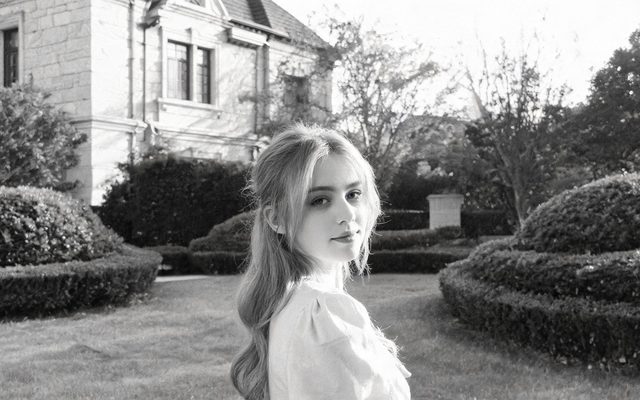
Visual Style: Black & White Film
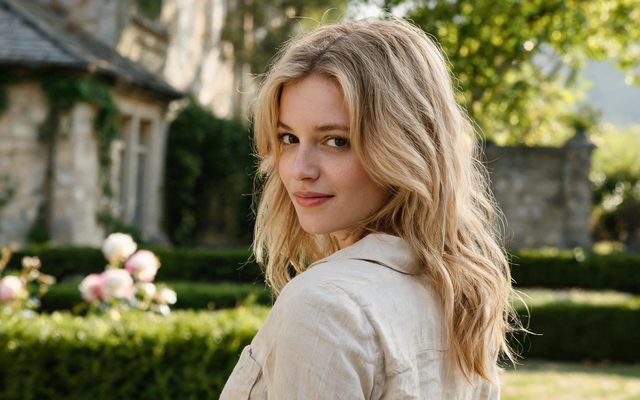
Visual Style: Realistic HD
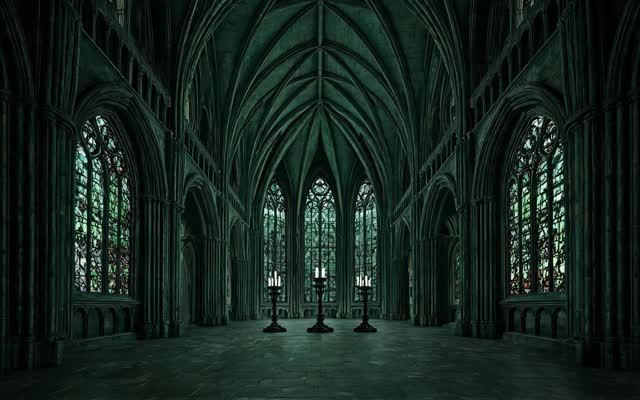
Scene Style: Gothic Dark
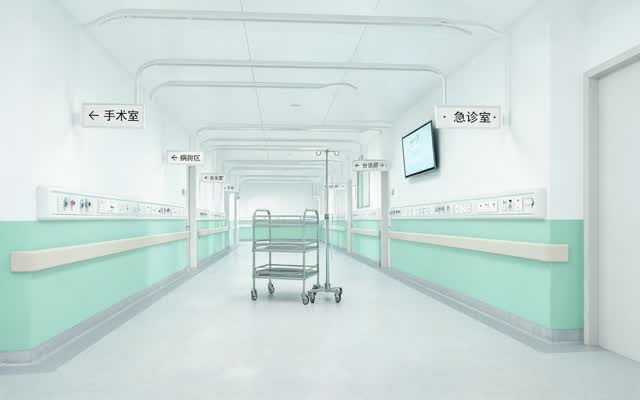
Scene Style: Hospital Ward
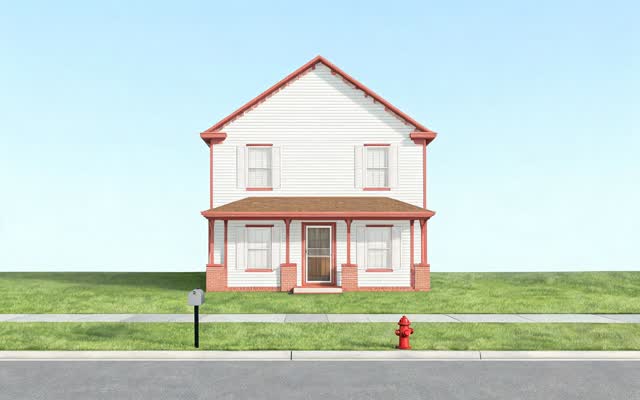
Scene Style: American Small Town
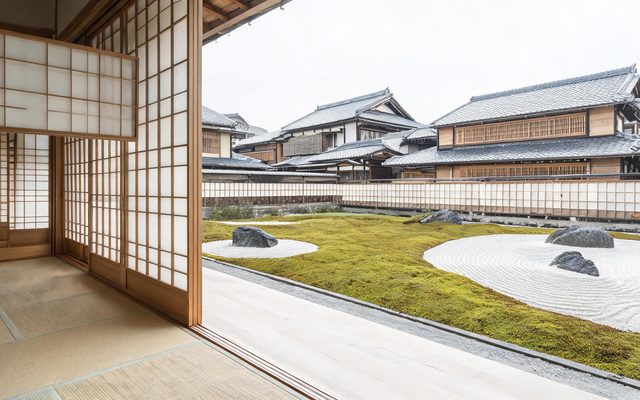
Scene Style: Japanese Machiya
Light the dark, or the model will not
The most common failure in AI horror is a frame that is simply dim and muddy. A video model lights a scene from what the shot names; “a dark corridor” names nothing. Give every dark shot a source and say where it falls:
- A single flashlight beam from his hand, sweeping left to right; everything outside it is black.
- A red exit sign at the far end of the corridor, its glow on the wet floor.
- Lightning through the window, a white flash, then the room is gone again.
- Her phone screen under her chin, the only light in the room.
The darkness is then whatever the source does not reach — which is exactly where the scare lives. Describe the cause, not the result · Say what is there, not what is not.
Ghosts, possessions and things in the dark
- A ghost that is seen is a character with a card and an image like anyone else. Describe what is wrong about them precisely: a woman in a grey 1970s nurse’s uniform, skin with no colour, hair wet as if from rain, always barefoot.
- A ghost that is only heard — a voice in the baby monitor, a caller — set to Voice only (off-screen) in step 2: no image is made, the face is never attached, the voice is.
- A possession or a reveal that changes a face is a state: on the character’s card, Add a state, name it, and describe only the difference: eyes fully black, a fixed smile, head tilted too far. Pick it in the shot where it happens.
- A creature is a non-human character: describe what it is, its size against a person, how it moves, whether it has a face. Non-human characters.
Leads, supporting cast and voice-only characters · States.
Scares without gore
Every generation passes the content check; gore, mutilation and extreme violence are blocked, and repeated blocks pause video generation for 1 hour. Horror is stronger without them:
| Instead of | Write |
|---|---|
| A body | A shoe at the bottom of the stairs, laces still tied. |
| An attack | The flashlight drops and rolls, its beam spinning across the ceiling. Black. A scream from off-screen. |
| A wound | He keeps his hand pressed to his side and will not let her look. |
| A monster’s kill | Something drags across the floor above them. Then nothing. |
Blocked by moderation: what to change · Content rules.
A scare, written as shots
| Beat | Shot |
|---|---|
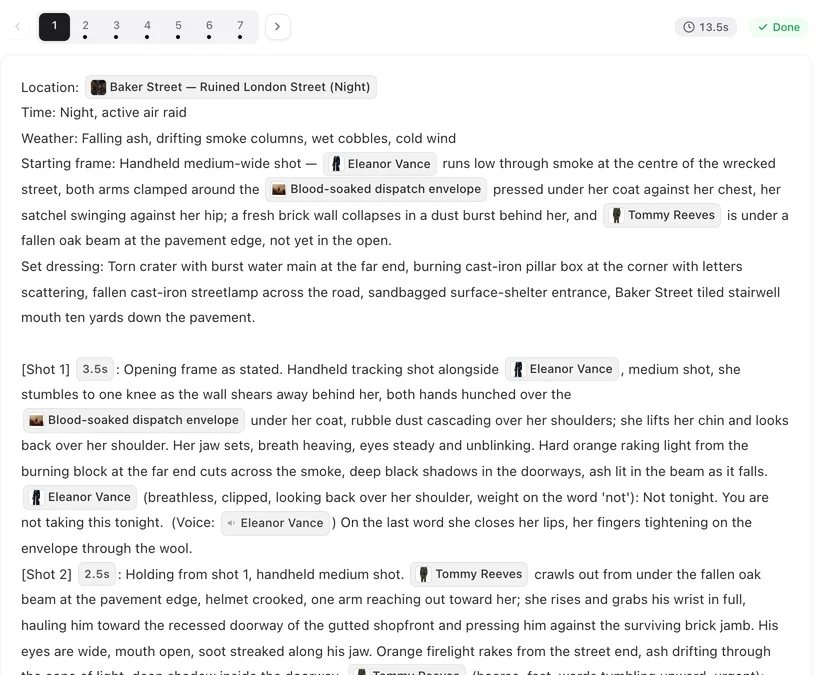
| The sound | [Shot 3] 4s: Medium shot, fixed camera. In frame only: @Tom. He stops in the corridor, head turning toward the dark end. No dialogue. Ambient: a call bell rings once, far away. |
| The almost-reveal | [Shot 4] 4s: Wide shot down the corridor, his flashlight beam the only light. At the far end, the door of room 14 stands open a hand’s width. No dialogue. Ambient: the bell again, closer. |
| The cut | [Shot 5] 3s: Close-up. In frame only: @Tom. His breath fogs in the beam. @Tom (whisper): That door was sealed. Ambient: behind him, very close, a second breath. |
The scare in shot 5 is entirely in the Ambient line: the second breath is heard, not seen. How to write one shot · Dialogue and sound in one generation.
Make it in SceneMixer, start to finish
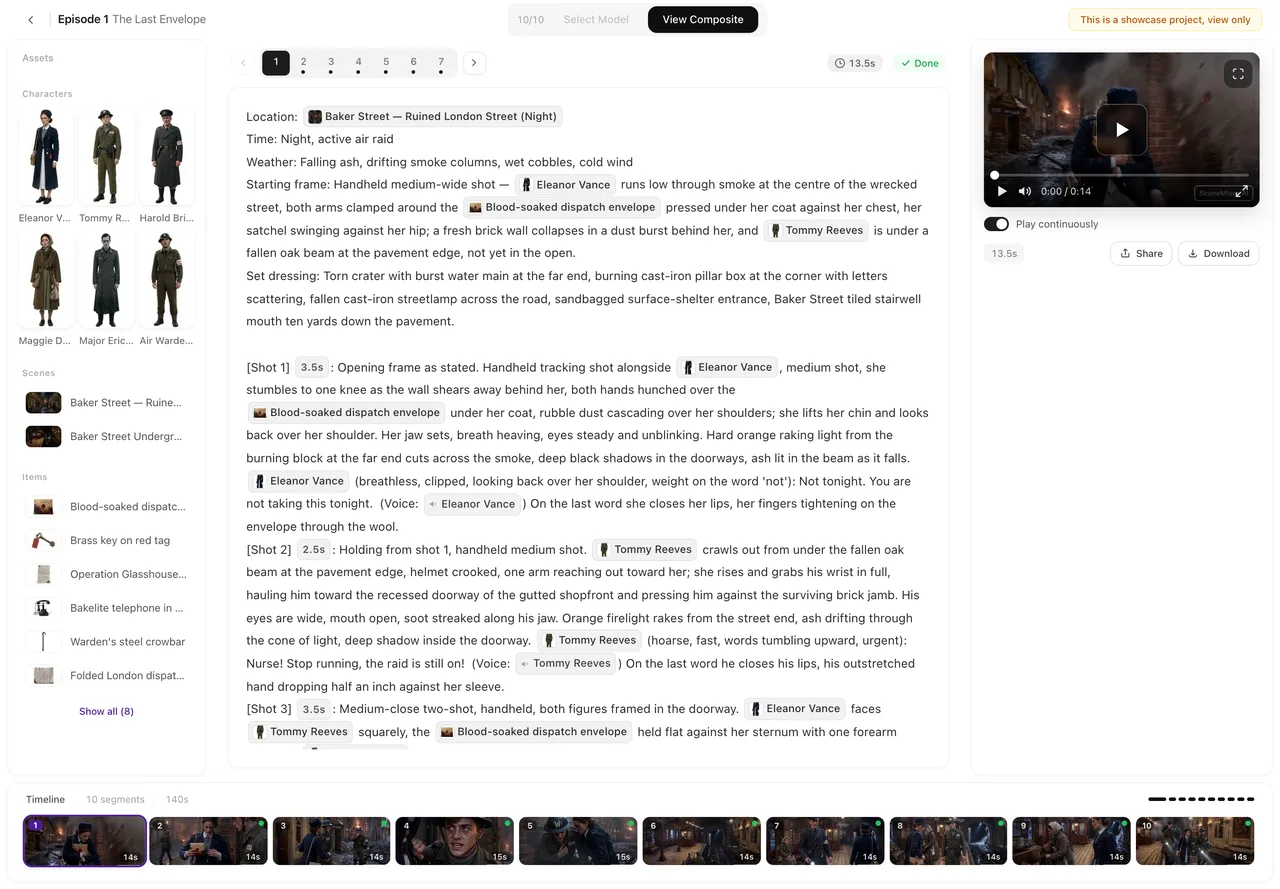
- Script: your own on Upload Script, or a brief in AI Create with the place, its rule, the lead, the night it goes wrong and the tone. The 1k or 2.5k length is enough for a short. Writing the one-line brief.
- Step 1: Type, aspect ratio, style and set as above; read the script.
- Step 2: generate the lead, the place and the thing; add the possession or reveal state; set heard-only voices to Voice only (off-screen).
- Storyboard: read every dark shot and add its light source; move scares into the Ambient line where you can.
- Video: generate on the default tier at 10 credits a second, regenerate the shots that miss, composite and post.
| Length | Shape | Type in step 1 |
|---|---|---|
| One minute | Rule, two escalations, one shock | Film |
| Three to five minutes | Rule, investigation, the almost-reveal, the shock, the worse question | Film |
| A series | Each episode ends on a new sign; the shock is saved for the last | Short Drama |
FAQ
Can AI make a horror short that is actually scary?
Yes, if the scare is built from sound, light and timing rather than from gore. Put the noise in the shot's Ambient line, give each dark shot one light source, and cut before the reveal.
Why are my dark scenes grey and muddy?
Nothing in the shot names a light. Write the source and where it falls: a flashlight beam, an exit sign, lightning, a phone screen. The darkness is then whatever it does not reach.
Can a horror video show blood or bodies?
Gore and mutilation are blocked. Show the aftermath indirectly: a shoe at the bottom of the stairs, a dropped flashlight, a scream from off-screen.
How do I make a ghost that is only heard?
Set the character to Voice only (off-screen) in step 2. No image is generated for them and their face is never attached to a shot; their lines are still spoken in their voice.
How do I show a possession?
Make the possessed look a state of the character with its own image and pick it in the shot where it happens. The rest of the episode keeps the normal face.
Should a horror short be Film or Short Drama?
Film for a single piece with a slow build and no episode cap; Short Drama for a series with a hook at the end of every episode.
Is black and white a good choice for horror?
Often. Black & White Film hides imperfections in the dark and gives a classic feel. Like every visual style, it is fixed for the project once you continue past step 1.
Can I remake a famous horror film?
No. Known films and characters trigger the IP check and are not allowed without rights. Write your own place, rule and creature.
Updated October 13, 2026
Pricing·Novel to Video·Guides·Samples·Support·Privacy·Terms·Legal·Contact·Affiliate program·© 2026 SceneMixer