Guide · Languages
Native-Language Dialogue vs. Dubbing in AI Video (2026): Why the Cast Should Speak the Line
Published September 12, 2026
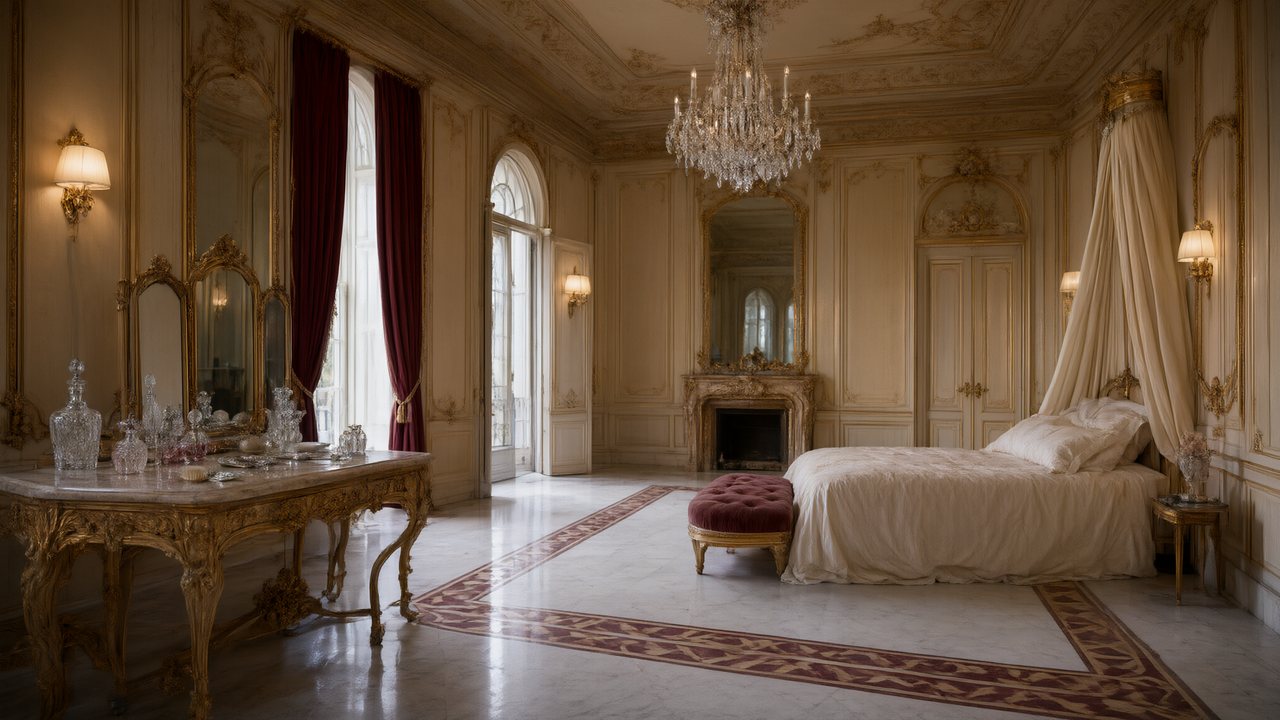
What dubbing has to fight
| Problem | With dubbing | With native generation |
|---|---|---|
| Mouth movement | Belongs to the original language; lip-sync tools approximate | Generated with the line; audio and picture come from one pass |
| Shot length | Fixed by the original take; a longer translation gets rushed or cut | Computed from the target language's speaking rate before the shot is generated |
| Pauses and breath | Inherited from the original performance | Placed where the target-language line needs them |
| Emotion | Performed by the voice actor or a TTS voice, against an unrelated face | Performed by the same generation that draws the face |
| Cost of a fix | Re-record and re-align the line; sometimes re-cut the shot | Regenerate one segment; only that segment is charged |
Speaking rate decides the cut
The same sentence is not the same length in every language. SceneMixer's storyboard step derives shot lengths from speaking rate — about 3 words per second for English and about 5 characters per second for Chinese, with the other languages mapped onto those scales — and it does this per dialogue language, before any video is generated. A dubbed workflow cannot: its shot lengths were fixed by the source language, which is why dubbed short drama so often sounds rushed in German and padded in Chinese.
How native generation is implemented here
- The line is written in the target language at analysis time and copied verbatim into the storyboard; the storyboard step is forbidden from rewriting dialogue, so what you approved is what is performed.
- Voice identity is anchored. Each character is matched to a preset voice sample that is attached to every segment, so the same character sounds the same across episodes regardless of language.
- The video model renders audio and picture together. The models SceneMixer uses generate speech with the shot, so there is no separate TTS or alignment step.
- A guard checks the language before credits are frozen. If a segment's lines drift out of the project's dialogue language, the submit stops and asks you to confirm.
When dubbing still makes sense
- You already have a finished series and want one more market quickly, and lip-sync is not critical for the platform (audio-off autoplay feeds).
- You need a specific human voice under contract.
- The target language is not among the 16 SceneMixer can generate dialogue in.
For everything else — a new series, a market launch, a pilot — generate the performance in the language. See the 15-language overview and how to set the dialogue language and localize the cast.
Languages
Native dialogue in 15 languages
Every series below was produced by the same pipeline with the cast speaking that language natively: the interface, the working documents and the spoken lines are all in one language, and nothing is dubbed. Open one to hear it.
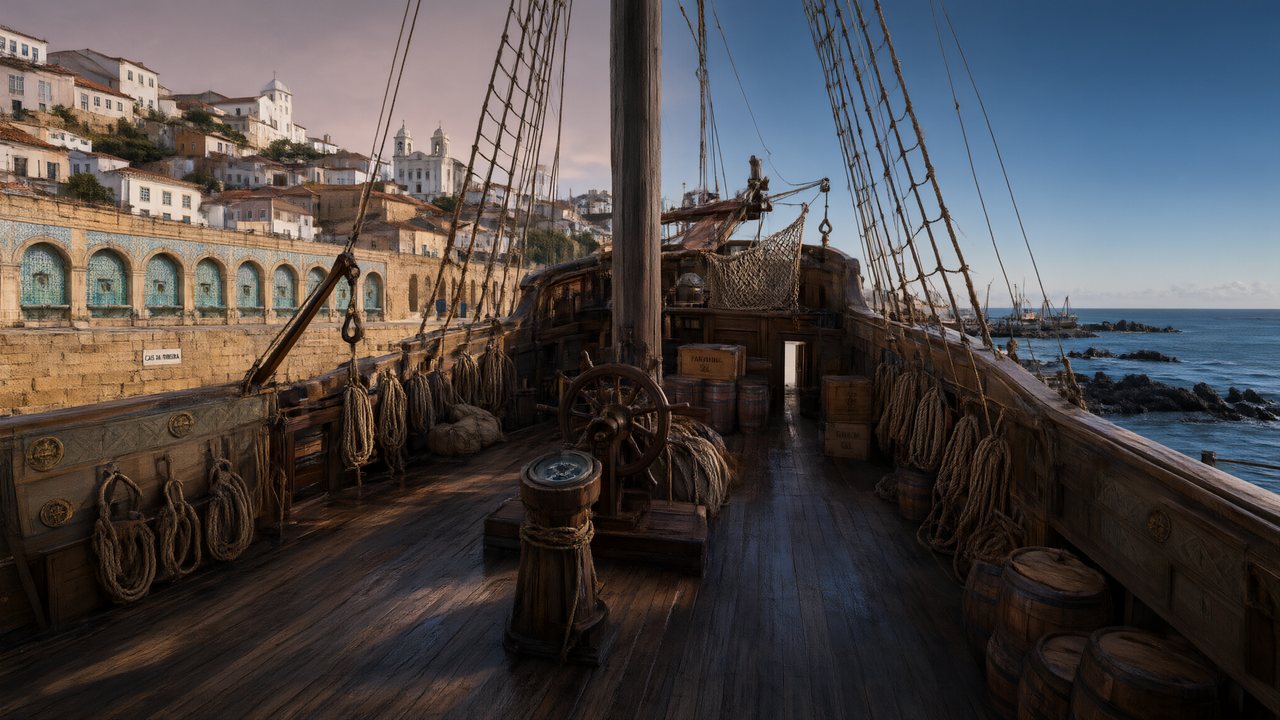 A Carta de LisboaPortuguêsNative dialogue
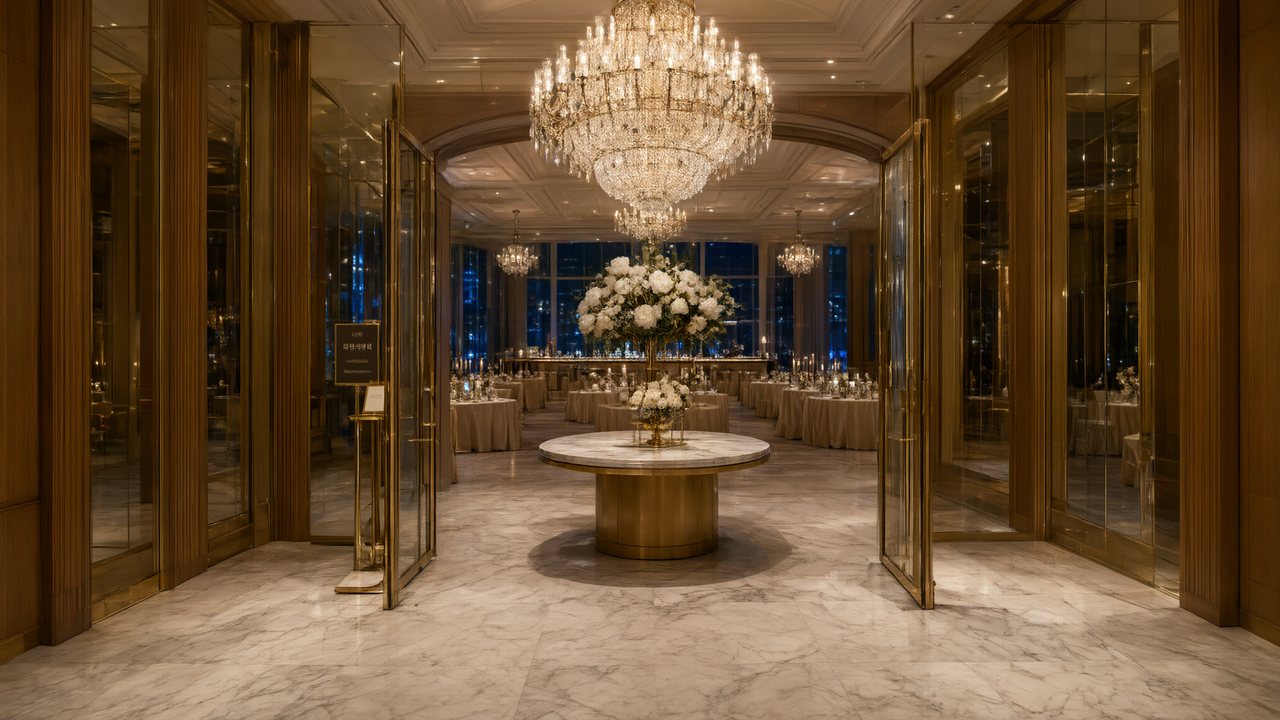 윈터 프라미스한국어Native dialogue
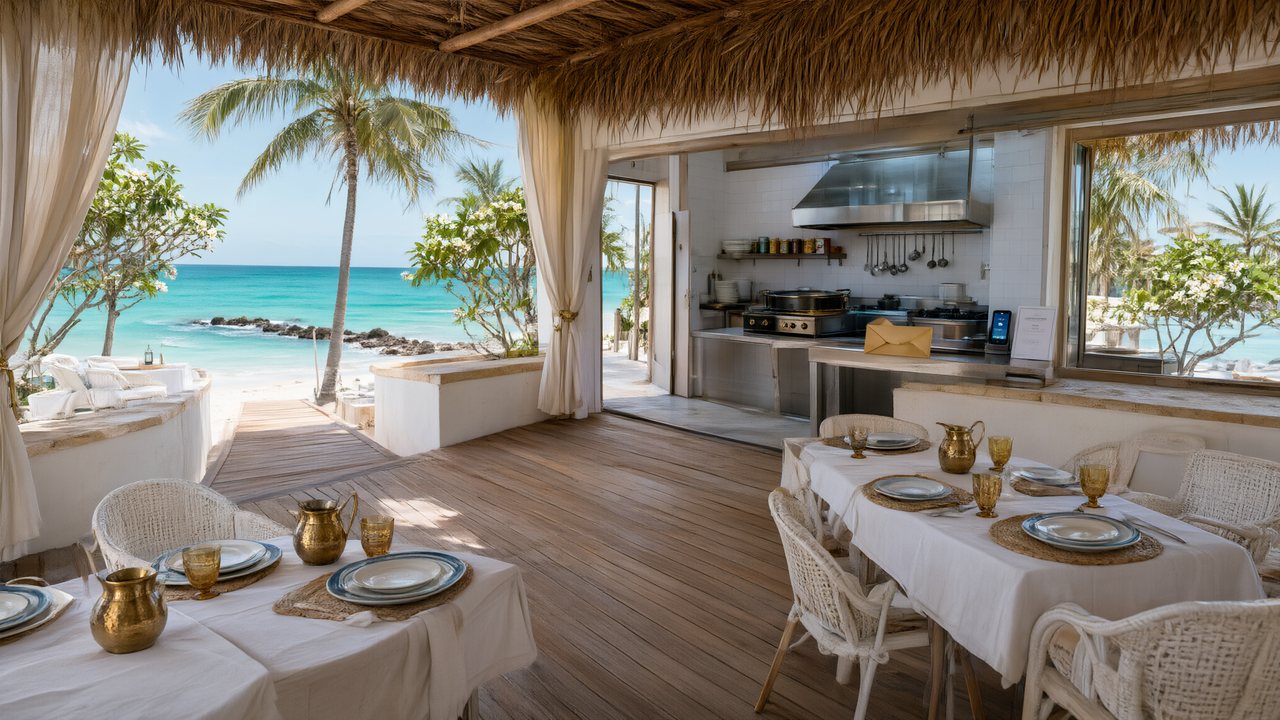 El Secreto de CostaEspañolNative dialogue
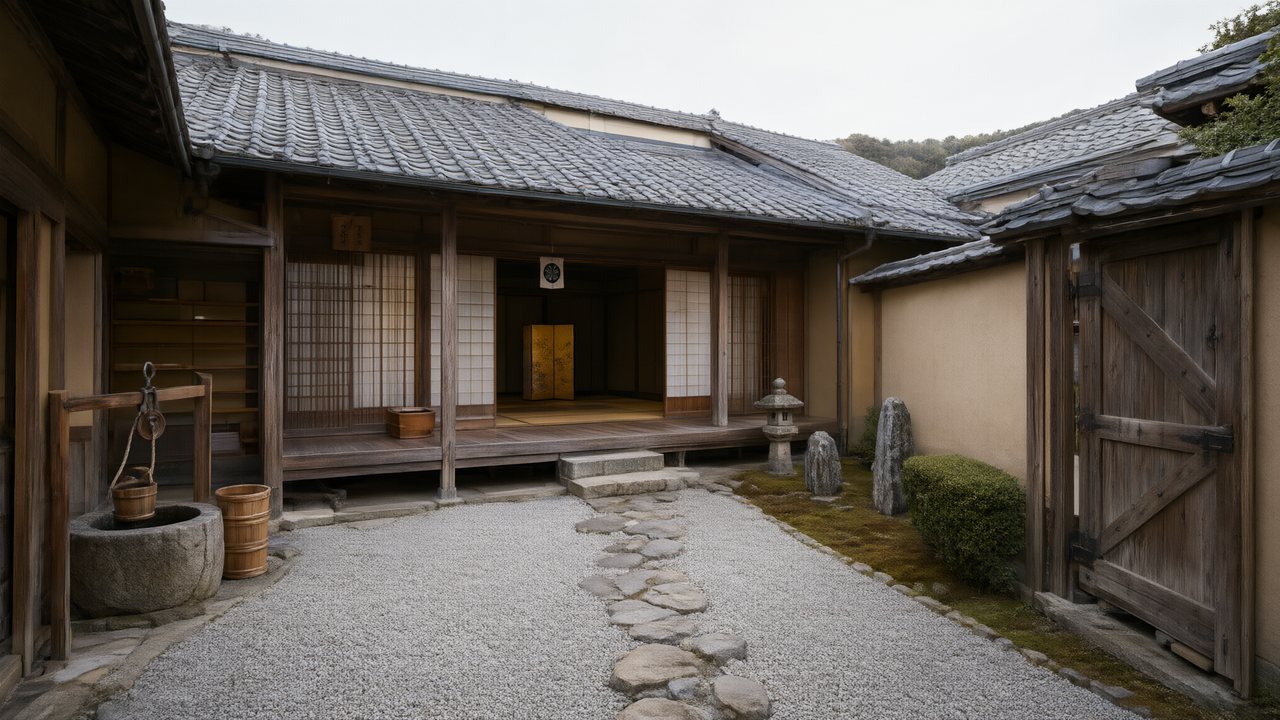 浪人の誓い日本語Native dialogue
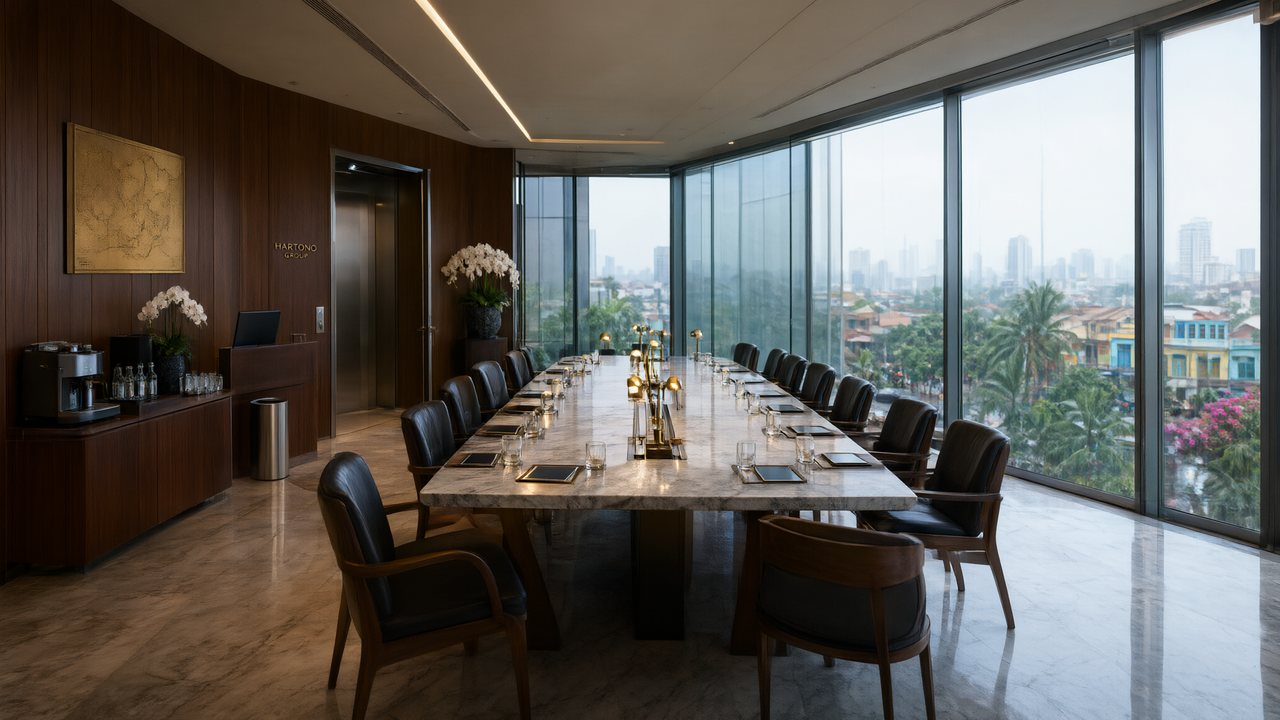 Ikrar JakartaBahasa IndonesiaNative dialogue
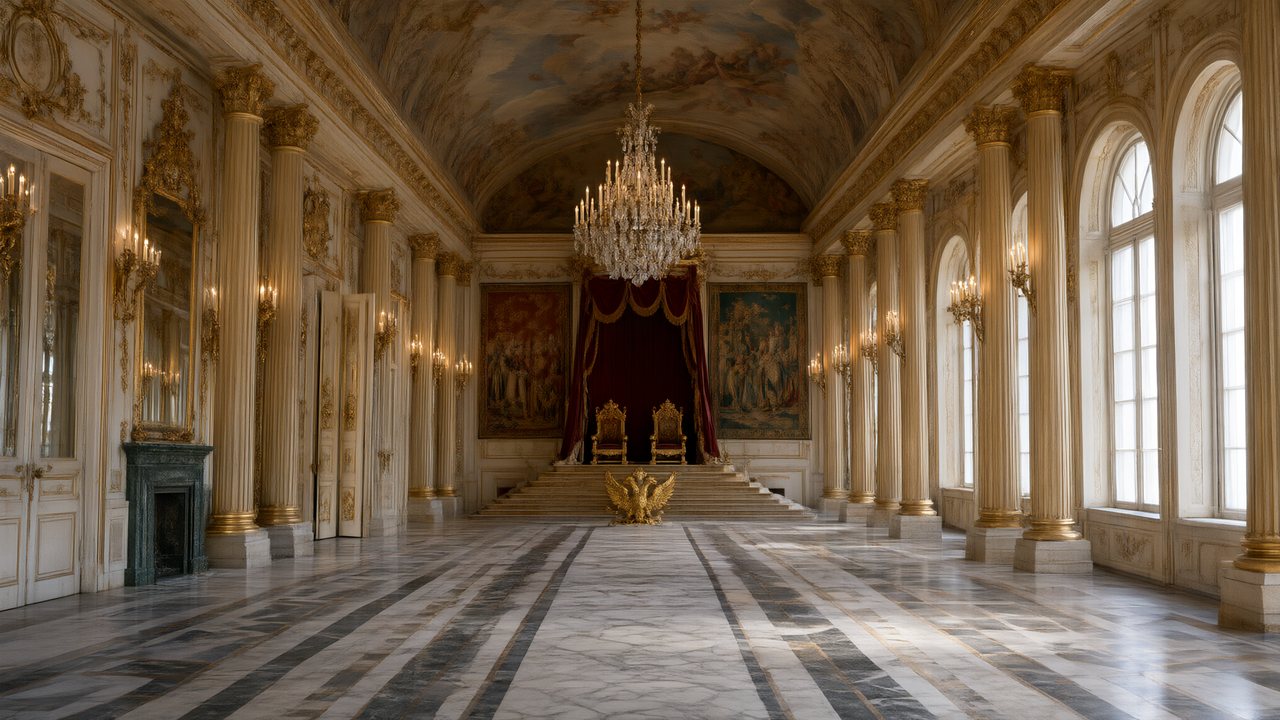 Зимняя коронаРусскийNative dialogue
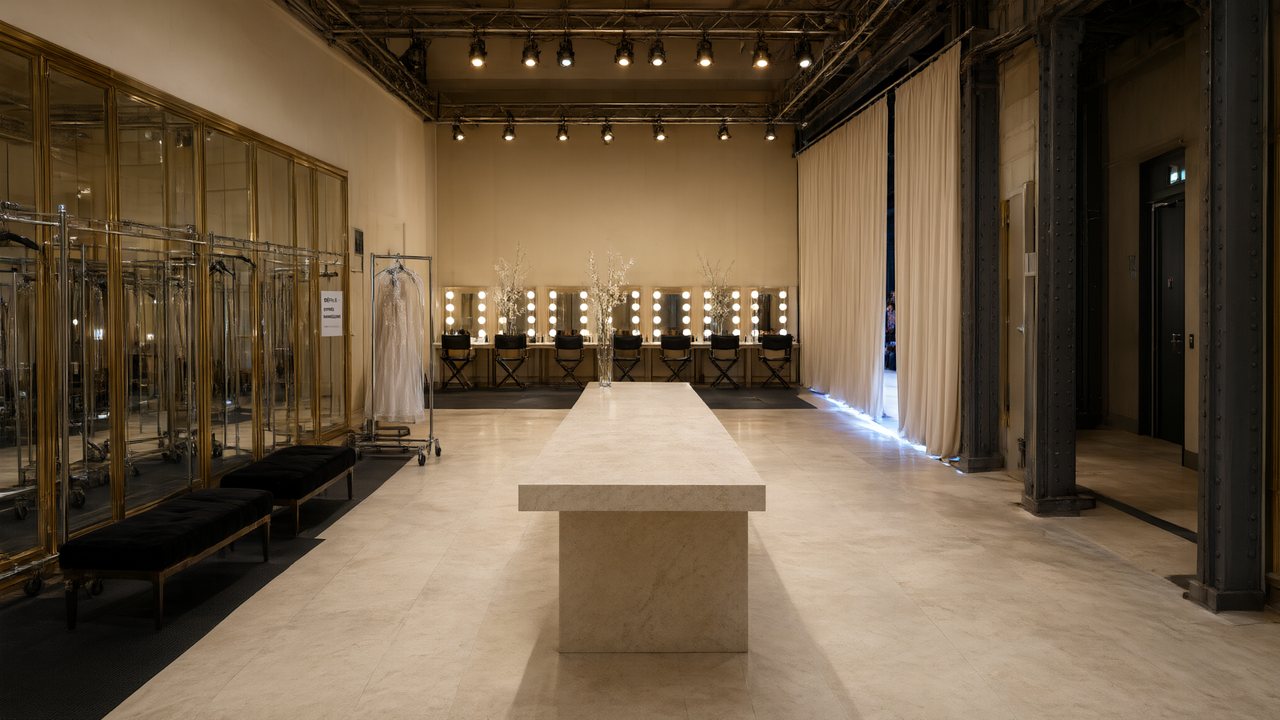 L’Héritier du DéfiléFrançaisNative dialogue
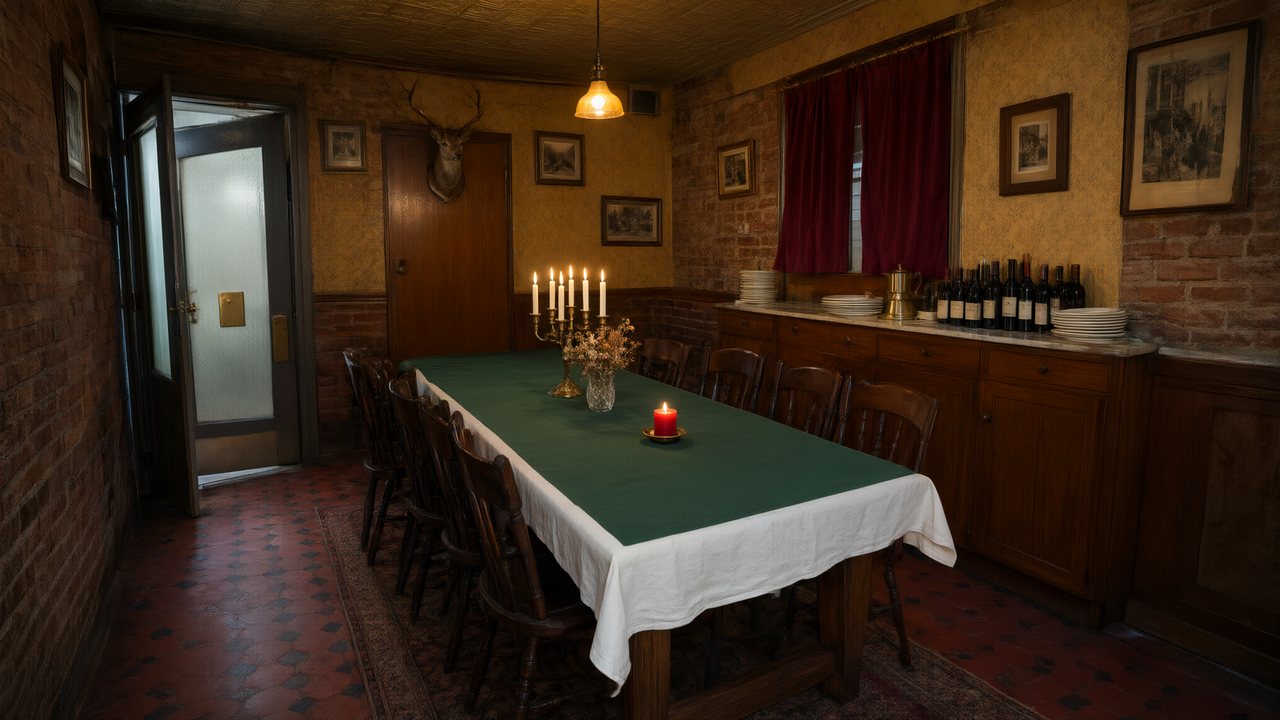 Il Tavolo dell'OlivaItalianoNative dialogue
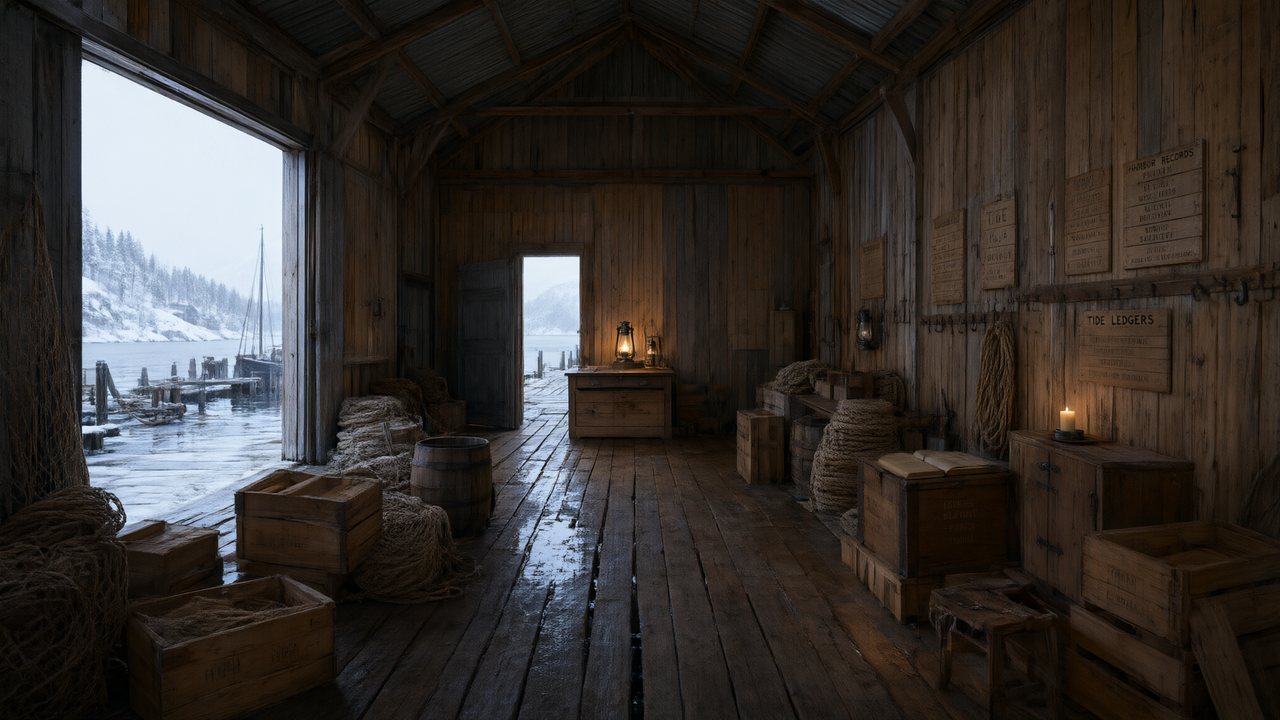 De Vuurtoren van de FjordNederlandsNative dialogue
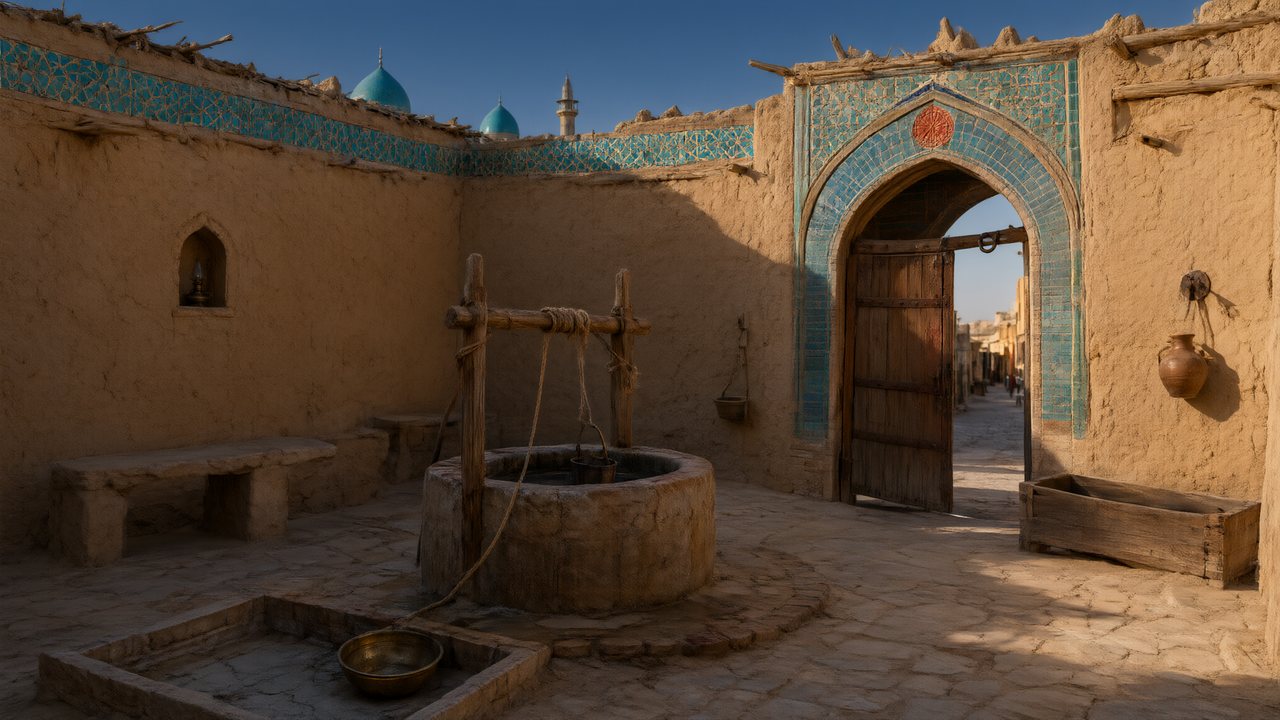 العهد الصحراويالعربيةNative dialogue
 Çantasındaki SözleşmeTürkçeNative dialogue
 Die Istanbul-TäuschungDeutschNative dialogue
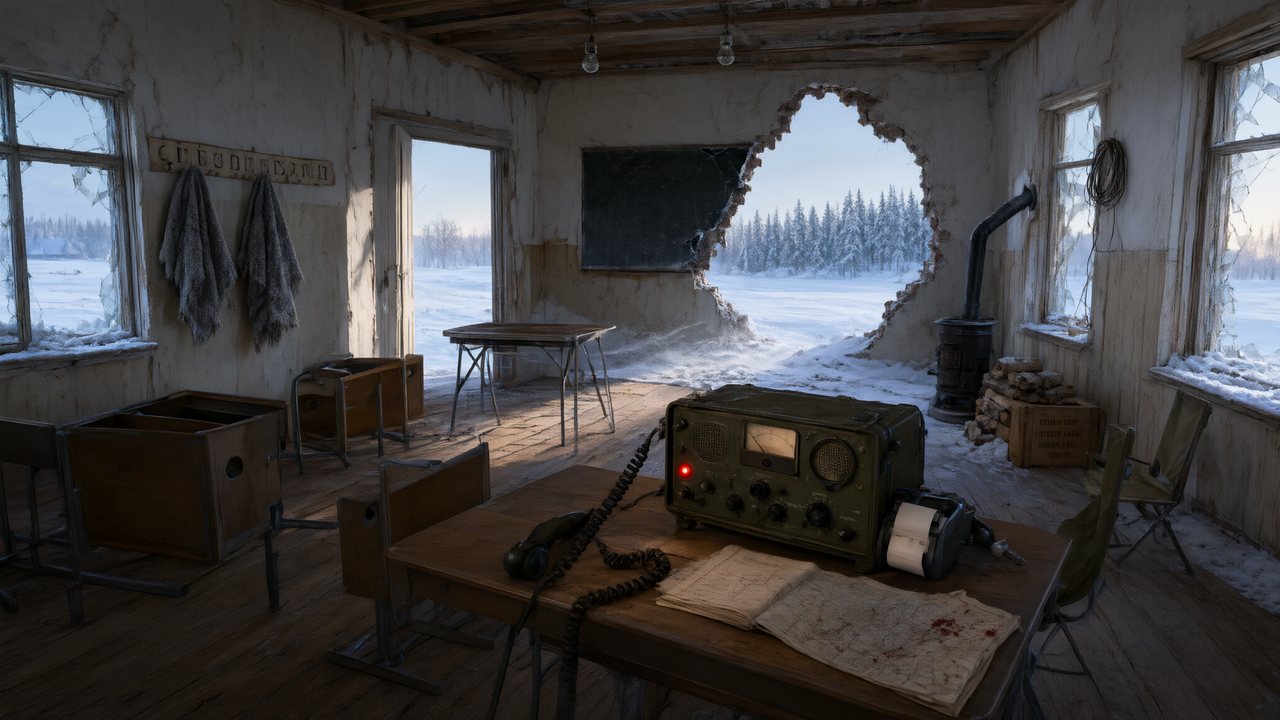 Останній сигналУкраїнськаNative dialogue
 問劍青雲繁體中文Native dialogue
 The Last EnvelopeEnglishIn your language
FAQ
Is native-language generation the same as AI dubbing?
No. AI dubbing replaces the audio of a finished clip and then tries to match the lips. Native-language generation gives the video model the line in the target language before the shot exists, so mouth movement, pauses and shot length are produced for that language.
Why does timing matter so much?
Because the same sentence takes a different amount of time in each language. SceneMixer computes shot lengths from the speaking rate of the chosen dialogue language before generating video; a dubbed clip is stuck with the source language's shot lengths.
Does the character keep the same voice across languages?
Each character is matched to a preset voice sample that is attached to every segment, so the character's voice identity is stable across episodes. Across languages the timbre stays recognisable while the performance is generated in the new language.
What does it cost compared with dubbing?
There is no dubbing pass to pay for. Segments cost the same credits in any language, and a wrong line is fixed by regenerating that one segment.
Let the cast speak the line
Choose the dialogue language once; every segment is performed in it, timed for it, and fixable one segment at a time.
Sign up freeSpeaking-rate figures are the constants used by SceneMixer's storyboard timing as of 2026-09-12.