How to Make an AI Telenovela or Soap Opera
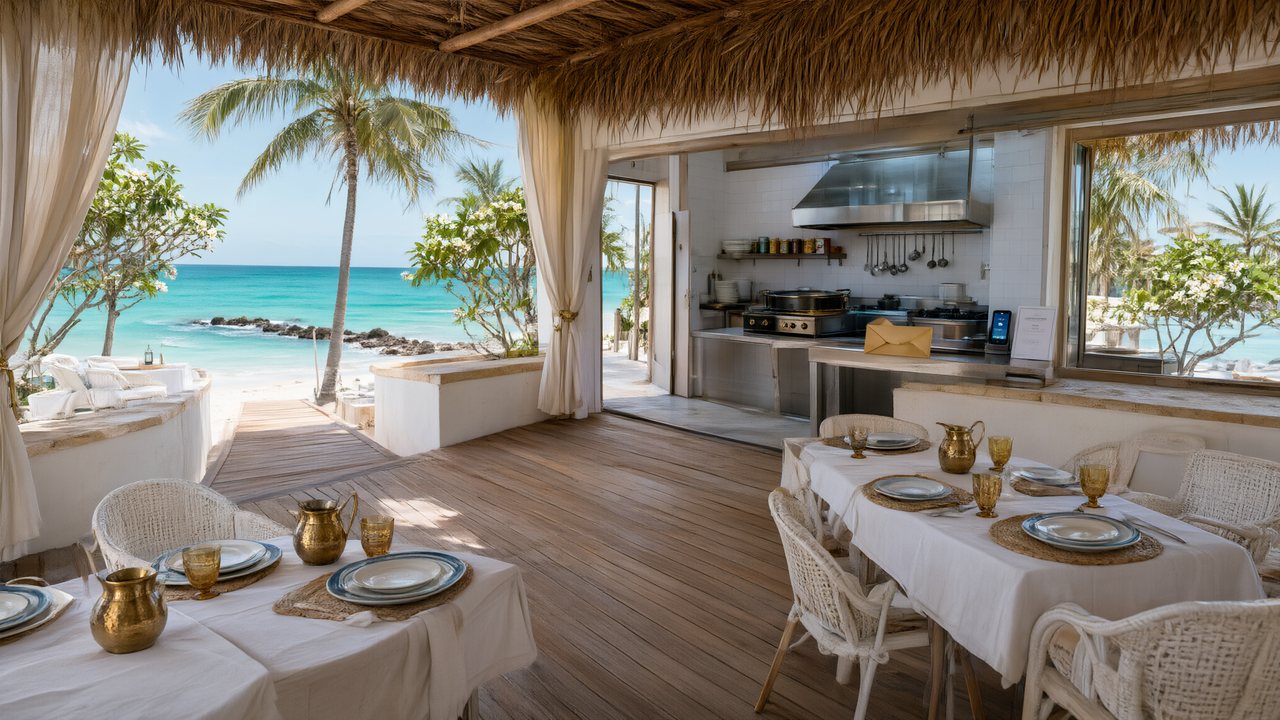
Brief for AI Create: A telenovela: a seamstress in a coastal town learns on her wedding day that the groom's father is her own father; his mother has known for twenty years; she stops the wedding and claims her name; passionate, tearful, triumphant.
What a telenovela needs
- Two families. One rich, one not, bound by an old wrong. Every subplot is a thread between the two houses.
- The secret. Who someone’s real parent is, who was switched at birth, who caused the accident. It is revealed in stages, to different characters at different times.
- The villainess. Elegant, patient and always one step ahead until the last episodes. The audience loves to hate her; give her the best lines.
- Love across the line. The heir and the maid, the landowner’s son and the fisherman’s daughter.
- The set pieces. The interrupted wedding, the deathbed confession, the slap, the letter found decades late, the return under another name.
- Feelings out loud. Characters say what they feel, at length, in close-up. This is a feature, not a flaw.
Language and region: the two settings that make it Latin
Two separate rows in step 1 do the localising, and they work independently:
- Dialogue language decides what the cast speaks. Choose Spanish or Portuguese and every line in the storyboard is in that language, performed natively in the video. You can write the script in any language you like; the read produces the dialogue in the one you chose. Dialogue language and cast localisation.
- Target Region decides the world: choose Latin America and character names, faces, streets, signs and props follow. Anything your script states explicitly — a Mexico City address, a character called Ignacio — is kept. Target Region.
The two are set before the read and fixed afterwards. For a second market — the same story in English for the US, or in Turkish as a dizi — start a second project from the same script with a different language and region. Make a second language version.
The rest of step 1
- Type: TV Series gives longer episodes with room for a scene to build, which suits the genre’s confrontations; Short Drama gives a faster feed version with a hook every episode.
- Aspect Ratio: 16:9 Landscape for a television or YouTube feel; 9:16 Portrait for phones.
- Visual Style: Realistic HD or Filmic Live-Action; Soft-Mist Live Action for a romantic period story.
- Scene Style: Latin Colonial Town for painted streets and courtyards, Suburban Mansion for the rich family’s house, Mediterranean Coast or Island Resort for a coastal story.
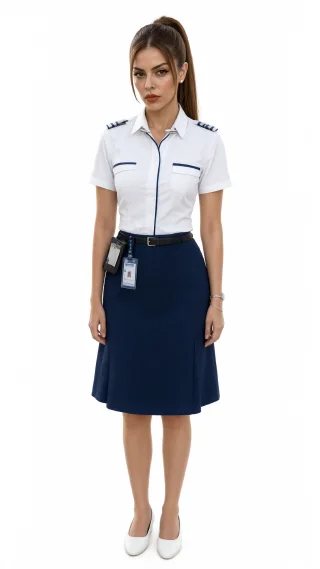
- Costume Style: Haute Couture for the villainess and the galas, Latin American Folk for a rural or festival setting, Wedding if the series keeps returning to the altar.
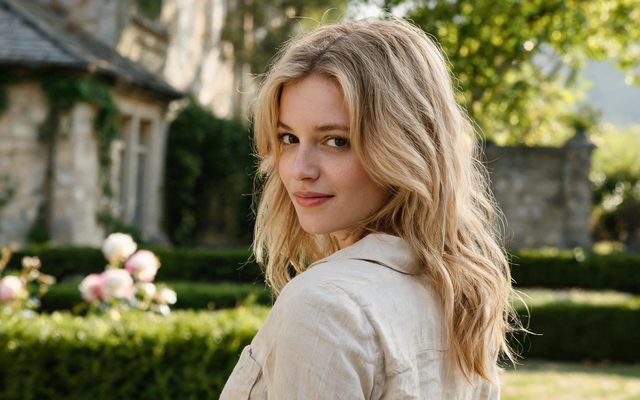
Visual Style: Realistic HD
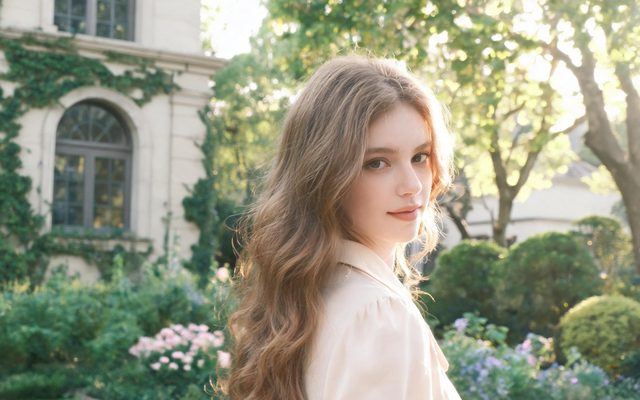
Visual Style: Soft-Mist Live Action
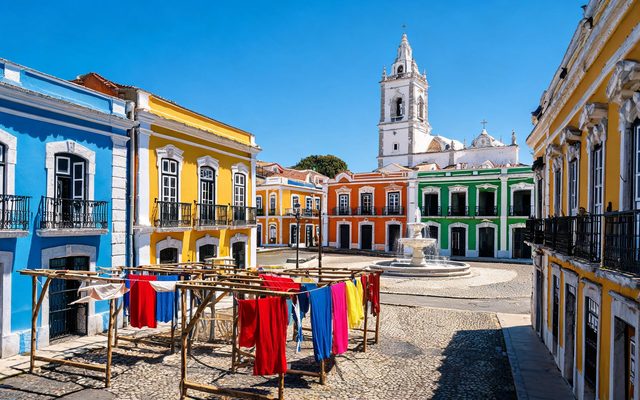
Scene Style: Latin Colonial Town
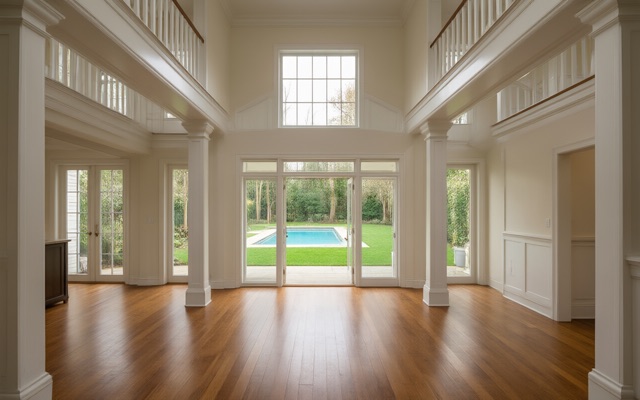
Scene Style: Suburban Mansion
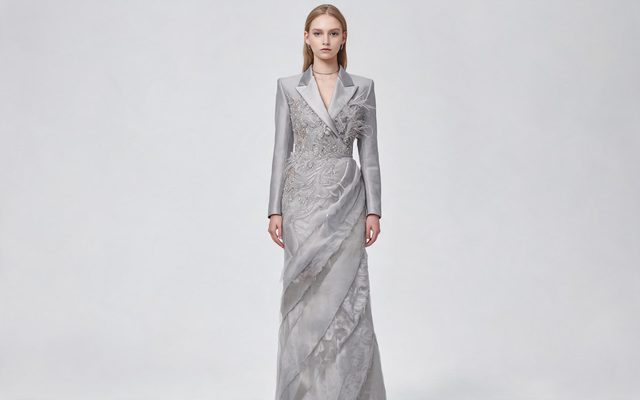
Costume Style: Haute Couture
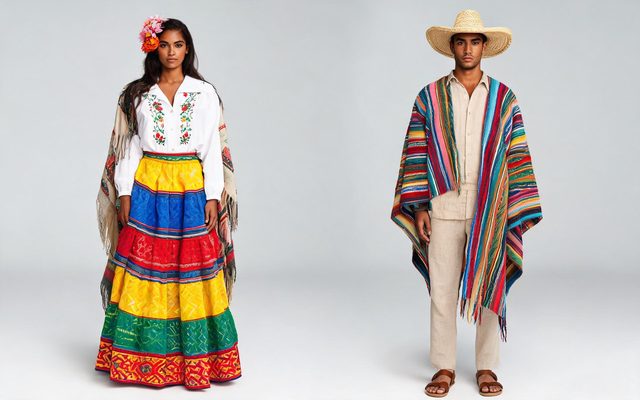
Costume Style: Latin American Folk
Twins, doubles and the return in disguise
Telenovelas love a face that appears twice. How you set it up decides whether the audience can tell who is who:
- Identical twins are two characters, each with a card, an image and a voice. They can appear in the same frame, so they cannot be two states of one person. Make them distinguishable: one mark, one hairstyle, one way of dressing that the other never shares.
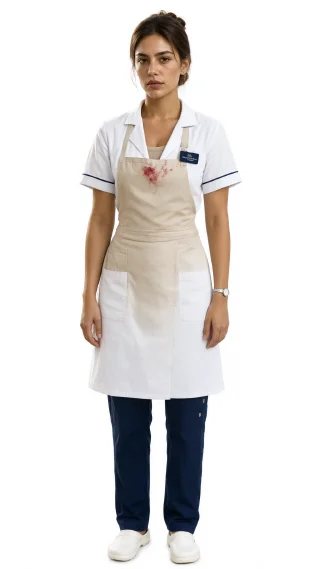
- A character who returns transformed — years later, rich, under another name — is one character with a state for the new look: Add a state on the card, name it Return, describe only the difference (short dark bob, tailored white suit, a scar now faded), and pick it in the episodes after her return. States.
- A character known by two names keeps one card; the other name can be added under Also called so the system recognises her either way. Also called: nicknames and aliases.

Melodrama, written into the shots
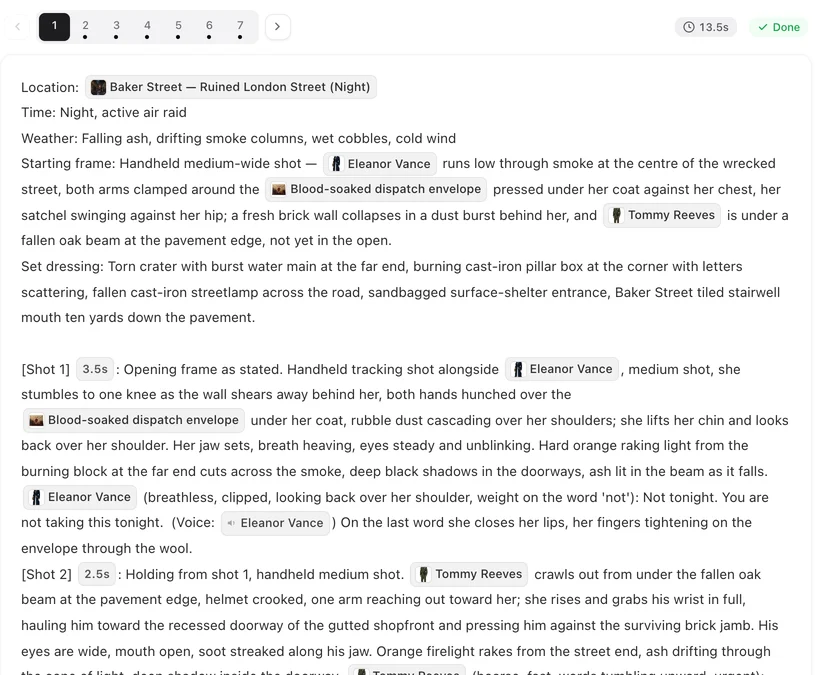
The emotion lives in the delivery note in brackets at the start of a line and in the close-up that follows it. Write both.
| Beat | Shot to adapt |
|---|---|
| The confession | [Shot 3] 6s: Medium close-up, slow push in. In frame only: @Doña Elvira, seated by the window. @Doña Elvira (trembling, holding back tears): Lo supe desde el primer día. Ambient: the sea, a church bell far off. |
| The reaction | [Shot 4] 3s: Close-up. In frame only: @Lucía. Her eyes fill; she does not look away. No dialogue. |
| The slap | [Shot 7] 3s: Medium shot. @Lucía and @Isabel face to face in the courtyard; @Lucía’s hand rises. Cut before contact. No dialogue. |
| The aftermath | [Shot 8] 3s: Close-up. In frame only: @Isabel, a hand at her cheek, eyes wide. @Isabel (barely audible): ¿Cómo te atreves? Ambient: a door slams inside the house. |
Cutting just before contact reads as a hit to the viewer and keeps the shot clear of the violence check. Dialogue in the storyboard · How to write one shot.
Voices that carry the drama
Give each Voice description a temperature. The villainess: velvet-smooth, slow, every word chosen, a smile in the voice. The heroine: warm, quick, breaks when she cries and steadies when she is angry. The patriarch: deep, tired, used to being obeyed. A regional colour — Mexican, Caribbean, Rioplatense — can be written into the description as an accent. Give a character an accent · How character voices work.
Make it in SceneMixer, start to finish
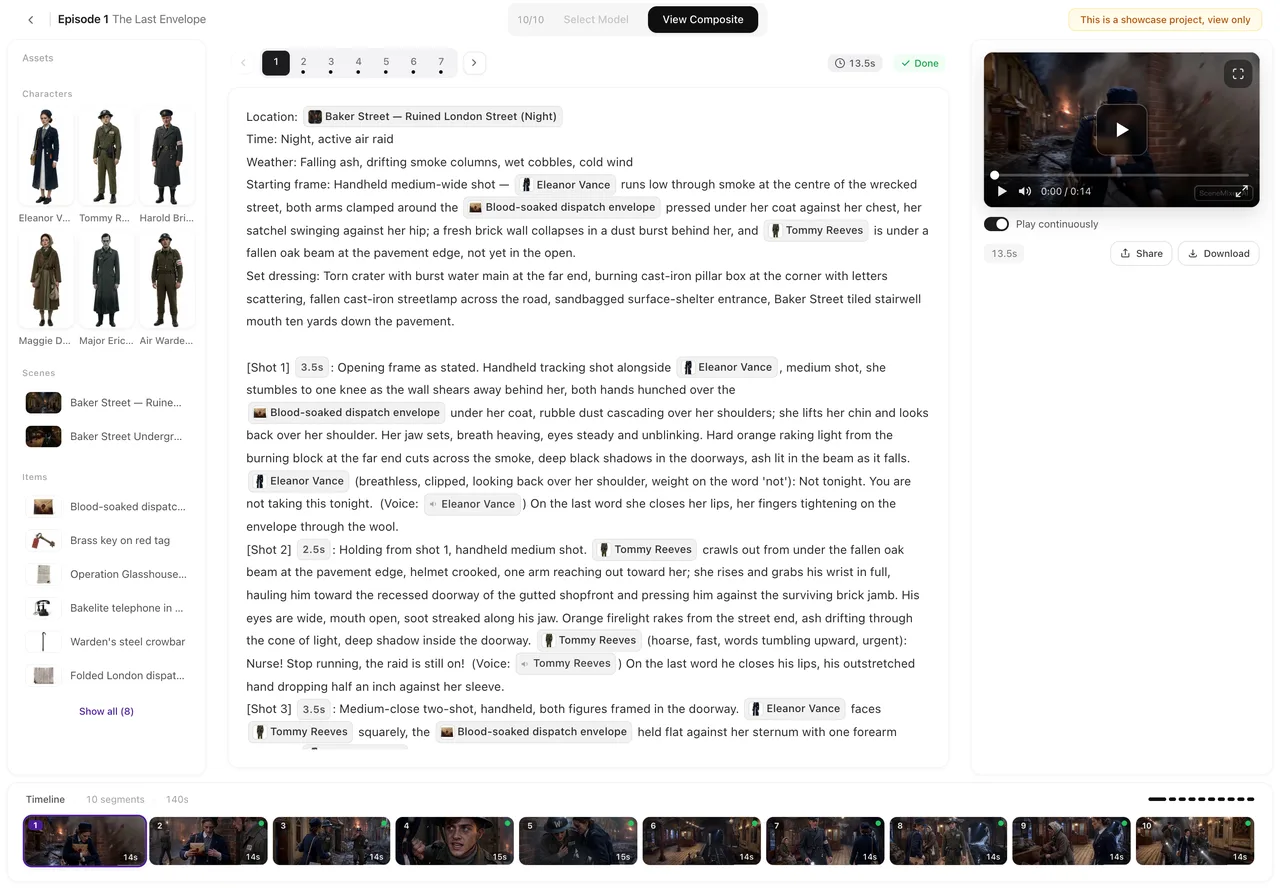
- Script: paste yours, in any language, on Upload Script, or write a brief in AI Create with the two families, the secret, the lovers and the ending.
- Step 1: dialogue language, Target Region and the rest as above; read the script and check in the summary that the secret is revealed in stages.
- Step 2: generate the cast and the two houses; give twins two cards and a returning character a state.
- Storyboard: episode 1 first (free on your first project); strengthen the delivery notes on the big lines.
- Video: generate on the default tier at 10 credits a second, fix the shots that miss, composite and post.
To hear a cast speaking Spanish natively, watch El Secreto de Costa; for a Turkish family drama built the same way, Çantasındaki Sözleşme.
| Episode | What happens | The hook |
|---|---|---|
| 1 | The wedding day. A letter in the groom’s father’s desk. | “You cannot marry him. He is your brother.” |
| 2 | She stops the ceremony without saying why; the town turns on her. | The groom’s mother visits her at night — and offers money to leave. |
| 3 | Her mother’s old friend tells half the story. | A photograph: two baby girls, not one. |
| 4 | The villainess moves first and has her fired from the mansion. | Across the plaza, a woman with her face steps out of a car. |
| 5 | The twins meet. | “Then which of us did they bury?” |
FAQ
Can the telenovela be in Spanish with real Spanish speech?
Yes. Choose Spanish as the dialogue language in step 1. The cast speaks it natively in the video, with mouths moving to the words, rather than being dubbed afterwards.
Do I have to write the script in Spanish?
No. You can write it in any language. The dialogue in the storyboard and the video comes out in the dialogue language you chose.
How do I make identical twins?
Two characters with two cards, not one character with a state. Twins can share a frame, so they need separate images. Give each one a detail the other never has.
Can I make a Turkish dizi or a Korean family drama the same way?
Yes. Pick Turkish or Korean as the dialogue language and the matching region, then write the story the same way.
Should a telenovela be TV Series or Short Drama?
TV Series gives longer episodes with room for confrontations to build. Short Drama gives faster episodes with a hook every time, better for phones.
Can a slap be shown?
Write the raised hand and cut before contact, then show the aftermath. It reads as a hit and keeps the shot clear of the violence check.
Can I make the same series in English too?
Start a second project from the same script with English dialogue and the region you want. Each version is generated and paid for on its own.
How long should each episode be?
On TV Series, a few minutes; on Short Drama, one to two minutes. The type you pick in step 1 sets the rhythm and the cap.
Two families. One secret. Your language.
Start in Spanish, Portuguese or any of the dialogue languages.
Updated October 13, 2026
Pricing·Novel to Video·Guides·Samples·Support·Privacy·Terms·Legal·Contact·Affiliate program·© 2026 SceneMixer